
Planning a trip across such a massive continent can feel overwhelming. Because the geography is so diverse, there is no single calendar window that works for every destination. Understanding the asia weather guide is essential for a smooth journey.
You must align your specific interests with regional climate patterns to ensure success. Whether you are chasing mountain peaks or tropical beaches, knowing when to visit makes all the difference. If you are looking for inspiration, check out our best places to visit in Asia in to narrow down your options.
The best time to visit asia depends entirely on where you land. By studying the unique asia travel seasons, you can avoid monsoon rains and extreme heat. This proactive approach helps you build confidence and protects your budget from unexpected disruptions.
Key Takeaways
- Asia’s vast size means climate varies significantly by region.
- Researching local patterns helps you avoid monsoon disruptions.
- Match your chosen activities to the specific regional climate.
- Planning ahead ensures a more comfortable and affordable trip.
- Use regional data to create a flexible and successful itinerary.
Understanding the Best Time to Visit Asia
Choosing the best time to visit Asia starts with your destination, not your vacation calendar. Many travelers make the common mistake of picking a month first and then trying to force an itinerary into that window. This approach often leads to disappointment when you arrive during a monsoon or extreme heatwave.
Asia is a massive continent with incredibly diverse climate zones. Because of this, there is no single « perfect » month that works for every country. To have a truly seamless experience, you must first identify your target region and then look at the weather patterns specific to that area.
A smarter, expert-led approach involves prioritizing your desired activities before locking in your dates. By understanding these foundational concepts, you can avoid the frustration of arriving during unfavorable weather conditions. Use the table below to see how different regions require different planning strategies.
| Region | Primary Climate Type | Best Travel Window |
|---|---|---|
| Southeast Asia | Tropical/Monsoonal | November to February |
| East Asia | Temperate/Seasonal | Spring or Autumn |
| Central Asia | Continental/Arid | Late Spring or Early Fall |
| South Asia | Tropical/High Altitude | October to March |
This practical strategy ensures you spend your time exploring rather than hiding from the rain. When you align your travel dates with the specific climate of your chosen destination, you gain the confidence that your trip will be a success. Finding the best time to visit Asia is simply a matter of matching your itinerary to the local environment.
Regional Climate Patterns Across the Continent
Navigating the complex climate of Asia requires a clear understanding of regional variations. Because the continent spans such a massive area, weather conditions can shift dramatically from one border to the next. This asia weather guide helps you visualize these zones so you can protect your travel investment from unexpected disruptions.

Tropical Southeast Asia
Countries like Thailand, Indonesia, and the Philippines are defined by a tropical climate. You will find high humidity and warm temperatures throughout most of the year. While these regions are beautiful, they are also subject to distinct wet and dry seasons.
Travelers should prepare for sudden, heavy downpours even during the warmer months. Planning your trip around these monsoon cycles is the best way to ensure you spend more time on the beach and less time indoors.
East Asian Temperate Zones
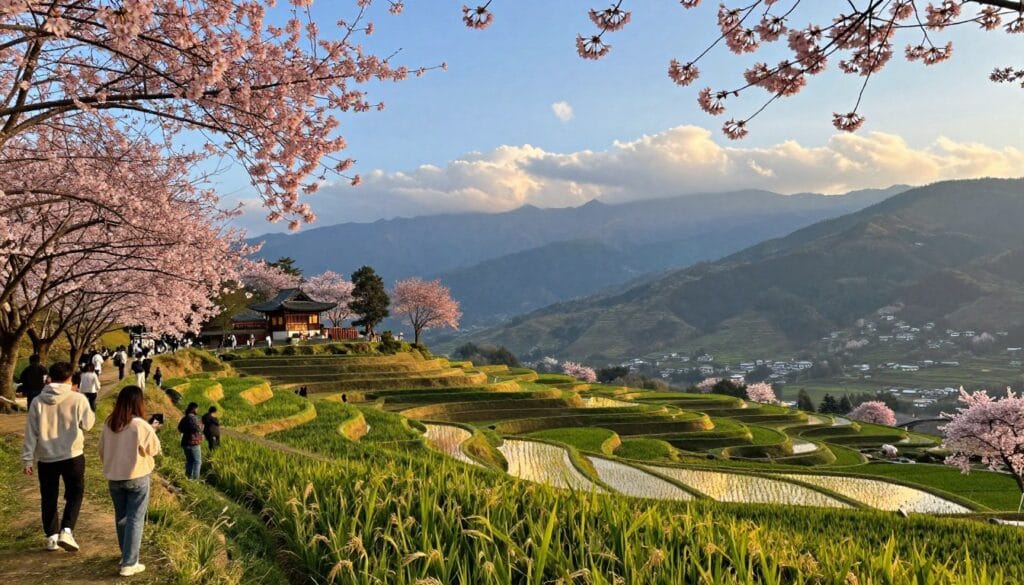
Moving north into Japan, South Korea, and parts of China, the weather becomes much more seasonal. These areas experience four distinct seasons, including cold winters and hot, humid summers. Many travelers specifically time their visits to catch the famous cherry blossom season in the spring.
This period offers mild temperatures and stunning scenery, making it a favorite for photographers and nature lovers. However, keep in mind that this is also a peak travel time, so booking your accommodations well in advance is a smart strategy.
Central and South Asian Variations
Central and South Asia present a unique mix of climates influenced heavily by elevation and geography. In places like Nepal or Northern India, the weather changes rapidly as you climb into the mountains. You might experience freezing temperatures at high altitudes while the lowlands remain sweltering.
Understanding these shifts is vital for packing correctly. Layering your clothing is the most effective way to stay comfortable when moving between these diverse environments.
| Region | Primary Climate | Best Travel Time |
|---|---|---|
| Southeast Asia | Tropical | November to February |
| East Asia | Temperate | Spring or Autumn |
| Central/South Asia | Varied/Mountainous | March to May |
Traveling During the Peak Season
Understanding the nuances of asia travel seasons helps you make the most of your time abroad. Many visitors prioritize the months when the weather is at its most predictable and pleasant. While these times attract more people, the trade-off is often worth the effort for a seamless vacation.
Advantages of Dry Season Travel
The primary draw of the dry season is the consistency of the climate. You can expect bright, sunny days that are perfect for exploring ancient temples or relaxing on pristine beaches. This reliability allows you to plan outdoor excursions without the constant worry of sudden downpours or storm disruptions.
Furthermore, most major cultural events and outdoor festivals align with these drier months. You will find that transportation services and tour operators run at full capacity, ensuring that you have access to a wide range of activities. This is the ideal time for those who want to experience the region at its most vibrant and accessible state.
Managing Popular Tourist Hubs
While peak season travel offers great weather, it also means sharing iconic landmarks with many other visitors. To manage the crowds, try visiting popular sites early in the morning or late in the afternoon. This simple strategy often allows you to enjoy a more peaceful atmosphere while avoiding the midday heat.
Booking your accommodations and transport well in advance is another essential tip. By securing your plans early, you reduce stress and ensure that you have a comfortable base to return to after a busy day of sightseeing. Staying in boutique hotels slightly outside the main tourist zones can also provide a quieter retreat.
| Feature | Peak Season | Off-Peak Season |
|---|---|---|
| Weather Reliability | High | Low |
| Crowd Levels | High | Low |
| Activity Access | Full | Limited |
| Travel Costs | Premium | Budget-Friendly |
Benefits of Visiting During the Shoulder Season
Timing your trip during the shoulder season offers a perfect balance of comfort and value. These transitional months, which fall between the peak tourist rushes and the harsh weather of the low season, provide a unique opportunity to explore the continent at a relaxed pace. Understanding these asia travel seasons allows you to plan a trip that feels both authentic and manageable.
While many tourists flock to popular destinations during the height of summer or winter, savvy travelers often find that the shoulder season benefits are far superior. You can enjoy major landmarks without the stress of massive crowds, allowing for a more personal connection with the local culture. If you are planning your next getaway, you might also want to compare these experiences with the best time to visit Australia to see how seasonal shifts impact travel across the region.
Finding the Sweet Spot for Weather
The primary advantage of traveling during these months is the moderate climate. You avoid the extreme heat of the summer and the heavy rainfall associated with the monsoon, making it much easier to enjoy outdoor activities. Whether you are hiking through lush landscapes or exploring bustling city streets, the weather remains pleasant and predictable.
This « sweet spot » varies by region, but generally occurs in the spring and autumn months. During this time, the air is often crisp and clear, providing excellent visibility for photography and sightseeing. You will find that walking tours and temple visits are much more enjoyable when you are not battling intense humidity or freezing temperatures.
Cost Savings and Fewer Crowds
Choosing to travel during these windows is a proven strategy for budget travel asia. Hotels and airlines often lower their rates to attract visitors outside of the peak holiday periods, allowing your money to go much further. You can often secure luxury accommodations for a fraction of the usual price, which adds a touch of comfort to your journey.
Beyond the financial perks, the lack of crowds is a major benefit. You will spend less time waiting in long lines at popular attractions and more time actually experiencing them. This relaxed atmosphere creates a more authentic travel experience, as you can interact more easily with locals and enjoy a slower, more intentional pace of discovery.
| Feature | Peak Season | Shoulder Season |
|---|---|---|
| Travel Costs | High | Moderate to Low |
| Crowd Levels | Very High | Low to Moderate |
| Weather | Ideal | Mild/Variable |
| Availability | Limited | High |
Navigating the Low Season and Monsoon Risks
Deciding when to visit Asia often leads people to overlook the rainy season entirely. While many travelers prioritize clear skies, the monsoon season offers a unique chance to see the continent in a different light. By understanding the weather patterns, you can turn a potential drawback into a rewarding and budget-friendly adventure.
Understanding Monsoon Cycles
The term « monsoon » often sounds intimidating, but it simply refers to a seasonal shift in wind patterns that brings heavy rainfall. These cycles vary significantly across the continent, meaning that while one region experiences a downpour, another might be perfectly dry. Researching the specific climate of your destination is the best way to determine when to visit without getting caught in constant rain.
In many tropical areas, the rain arrives in short, intense bursts rather than lasting all day. This allows for plenty of time to explore between showers. Staying flexible with your itinerary is the most effective way to manage these cycles and keep your trip on track.
Hidden Gems During the Rainy Season
Traveling during the low season comes with significant perks that are hard to ignore. You will find lower prices on luxury accommodations and significantly fewer crowds at popular landmarks. This is the perfect time to enjoy a more authentic and peaceful experience at sites that are usually packed with tourists.
The landscape also undergoes a beautiful transformation during this time. The rain turns the countryside into a vibrant, lush green paradise that is perfect for photography and nature walks. If you are willing to pack a raincoat and embrace the occasional shower, you will discover that the low season is one of the best times to explore Asia on a budget.
- Book flexible transport: Always have a backup plan for flights or ferries.
- Embrace the indoors: Use rainy afternoons to visit museums or enjoy local cooking classes.
- Pack smart: Bring lightweight, quick-drying clothing to stay comfortable in the humidity.
Major Cultural Festivals and Timing Your Trip
Timing your journey to coincide with Asia’s vibrant cultural festivals can transform a standard vacation into a life-changing experience. These events offer a unique window into the heart of local traditions, history, and community spirit. By aligning your dates with these celebrations, you gain access to authentic experiences that most tourists miss.
Lunar New Year Celebrations
The Lunar New Year is arguably the most significant event across East and Southeast Asia. It is a time of family reunions, spectacular fireworks, and vibrant street parades. Travelers should note that this period often triggers the world’s largest annual human migration.
« To travel during the Lunar New Year is to witness the pulse of a continent beating in unison, though it requires careful planning to navigate the crowds. »
Religious and Harvest Festivals
Beyond the New Year, Asia hosts a diverse array of religious and harvest-themed cultural festivals throughout the year. From the colorful Holi celebrations in India to the serene lantern releases in Thailand, each event provides a deep connection to local heritage. These gatherings are often centered around ancient temples or rural farming communities.
- Songkran (Thailand): A nationwide water festival marking the traditional New Year.
- Diwali (India): The spectacular « Festival of Lights » celebrating the triumph of good over evil.
- Mid-Autumn Festival (China/Vietnam): A time for mooncakes and family gatherings under the full moon.
Planning Around Local Holidays
When you decide to visit during these peak times, proactive planning is essential to avoid frustration. Many businesses, museums, and government offices may close for several days during major holidays. Always check local calendars well in advance to ensure your itinerary remains flexible.
| Festival | Typical Timing | Travel Impact |
|---|---|---|
| Lunar New Year | Jan/Feb | High demand/Closures |
| Songkran | April | Very busy/Wet |
| Diwali | Oct/Nov | High demand/Festive |
Ultimately, participating in cultural festivals requires a balance of excitement and preparation. By respecting local customs and booking your transport early, you can enjoy the festivities without the stress of unexpected closures. Embrace the chaos, and you will return home with memories that last a lifetime.
Weather Considerations for Outdoor Adventures
Mastering the climate is the secret to enjoying the best trekking and coastal experiences across the continent. Asia offers vast landscapes that change dramatically with the seasons, making it vital to align your itinerary with local weather patterns. Proper planning ensures your safety and comfort while you explore the great outdoors.
Trekking in the Himalayas
For those dreaming of high-altitude challenges, trekking in nepal is a bucket-list experience. The ideal window for these adventures typically falls between October and November, when the skies are clear and the mountain views are at their sharpest. Spring, specifically March to May, is another excellent time, offering blooming rhododendrons and milder temperatures.
Avoid the monsoon season, which usually runs from June through August, as heavy rains make trails slippery and dangerous. If you are looking for the best time to visit Australia or other regions, remember that mountain weather is unpredictable. Always pack layers to handle sudden temperature drops at higher elevations.
Beach and Island Hopping Logistics
When planning a coastal getaway, following smart beach vacation tips will save you from rainy days. Most tropical destinations in Southeast Asia experience their best weather during the dry season, which generally spans from November to April. This period provides the calmest seas, perfect for snorkeling and island hopping.
Be mindful that weather patterns can vary significantly between the east and west coasts of countries like Thailand or Malaysia. Researching specific regional microclimates is a proven strategy to avoid the peak of the monsoon. Always check local forecasts a few days before your departure to adjust your plans if necessary.
| Activity | Best Months | Key Benefit |
|---|---|---|
| Himalayan Trekking | Oct–Nov, Mar–May | Clear mountain views |
| Tropical Beach Hopping | Nov–April | Calm, clear waters |
| Central Asian Hiking | June–August | Accessible high passes |
Budgeting and Crowd Management Strategies
Smart travelers know that timing is the most effective tool for managing both expenses and crowds. By understanding the natural rhythm of tourism, you can make informed decisions that protect your wallet while ensuring a high-quality experience. Choosing when to visit is the single most important factor in your financial planning.
High Season Pricing Trends
During the busiest months, demand for flights and accommodation skyrockets. This peak season travel period often coincides with favorable weather, leading to premium pricing across the board. You will notice that hotels in popular hubs like Bali or Phuket often double their rates during these windows.
To navigate these costs, consider booking your primary travel components at least four to six months in advance. Many travelers find that locking in rates early provides a significant buffer against last-minute price hikes. Strategic planning is your best defense against the high costs associated with popular travel times.
« The bitterness of poor quality remains long after the sweetness of low price is forgotten. »
Off-Peak Travel Savings
If you want to maximize your budget travel asia experience, look toward the shoulder seasons. These periods offer a perfect balance between pleasant weather and lower costs. You will often find that luxury resorts drop their prices significantly to attract visitors during these quieter months.
| Season Type | Cost Level | Crowd Density |
|---|---|---|
| Peak Season | High | Very High |
| Shoulder Season | Moderate | Low to Moderate |
| Low Season | Lowest | Minimal |
Embracing the off-peak months allows you to stretch your funds much further. You can enjoy popular attractions without the stress of long lines or crowded viewpoints. Flexibility is the key to unlocking these hidden savings and enjoying a more relaxed pace of travel.
Packing Essentials for Asia’s Diverse Climates
Mastering the art of packing for Asia’s diverse climates is the secret to a stress-free journey. Because the continent spans from frozen Himalayan peaks to steamy equatorial rainforests, your luggage must be adaptable. Following a reliable asia weather guide helps you avoid the common mistake of overpacking while ensuring you stay comfortable in every environment.
Layering for Mountainous Regions
When traveling to high-altitude areas, the temperature can drop rapidly once the sun sets. The key to packing for asia in these regions is the layering system. Start with a moisture-wicking base layer, add a warm fleece or wool mid-layer, and finish with a windproof outer shell.
This strategy allows you to adjust your clothing quickly as the weather shifts throughout the day. Always prioritize lightweight, compressible materials that do not take up too much space in your backpack. A high-quality down jacket that packs into its own pocket is a game-changer for mountain treks.
Lightweight Gear for Tropical Humidity
Navigating a tropical climate requires a different approach focused on breathability and sun protection. Choose loose-fitting clothing made from natural fibers like linen or specialized synthetic fabrics that dry quickly. These materials prevent overheating and keep you feeling fresh even in high humidity.
« The secret to traveling light is to pack for the person you are, not the person you think you might become. »
If you are planning a coastal getaway, remember these essential beach vacation tips: bring a high-quality dry bag for your electronics and a lightweight sarong that serves as both a towel and a modest cover-up. Proper preparation ensures you spend less time worrying about your gear and more time enjoying your adventure.
| Climate Zone | Essential Item | Why It Works |
|---|---|---|
| Mountainous | Thermal Base Layer | Retains body heat efficiently |
| Tropical | Linen Shirt | Allows maximum airflow |
| Coastal | Waterproof Dry Bag | Protects gear from sand and water |
Essential Travel Tips for Every Season
Navigating the diverse landscapes of Asia becomes much simpler when you prioritize your well-being and logistics. Whether you are exploring a vibrant metropolis or seeking an exotique dépaysement, a little foresight goes a long way. By managing the practical side of your trip, you can focus entirely on the joy of discovery.
Health and Safety Precautions
Your physical well-being is the foundation of a successful journey. Before departure, consult with a travel clinic to ensure your vaccinations are up to date for your specific destination. Following basic travel safety tips, such as staying hydrated and choosing reputable food vendors, will help you avoid common illnesses.
« The journey of a thousand miles begins with a single step, but it is the preparation that ensures you reach the destination safely. »
Always keep a digital and physical copy of your travel insurance and emergency contacts. Being aware of your surroundings and respecting local customs are also vital components of staying safe. Confidence comes from knowing you have a plan for any unexpected situation.
Booking Transportation in Advance
Reliable transportation is the backbone of any itinerary, especially when moving between regions with varying climates. Booking your flights, trains, or private transfers ahead of time prevents last-minute stress and often saves you money. This is particularly important if you are planning specialized activities like trekking in nepal, where seasonal weather can impact local flight schedules.
Consider these practical steps to streamline your transit:
- Use verified local booking platforms to secure your seats early.
- Confirm your transfers at least 48 hours before your scheduled departure.
- Keep your travel documents organized in a secure, accessible folder.
By securing your logistics early, you eliminate the anxiety of navigating unfamiliar transit hubs on the fly. This proactive approach allows you to move through your destination with ease and grace. Remember, the goal is to spend your time enjoying the scenery rather than worrying about your next connection.
Conclusion
Selecting the best time to visit Asia requires a balance between your personal interests and the local climate. Every region offers unique experiences that change with the calendar.
You can find incredible value by traveling during the shoulder seasons. These periods often provide the perfect mix of pleasant weather and lower costs for flights and hotels.
Be mindful of the monsoon season when planning your itinerary. While rain can impact outdoor activities, it often brings lush landscapes and fewer crowds to popular destinations.
Research your specific destination to understand its unique weather patterns. Use tools like Google Flights or Booking.com to track price trends for your preferred dates.
Your dream trip is within reach with the right preparation. Pick a region that matches your goals and start booking your adventure today.