
Australia is a top choice for travelers, known for its stunning landscapes, lively cities, and unique wildlife. Figuring out the best time to go can be tough due to its size and different climates. This guide will cover seasonal patterns, key events, and important tips to help plan your trip. Whether you want sunny days, wine country, or whale watching, this guide will help you enjoy Australia to the fullest.
Key Takeaways
- Australia’s seasons are the reverse of the Northern Hemisphere, with summer from December to February and winter from June to August.
- The peak tourist season in Australia is during the summer months, while the winter and shoulder seasons offer fewer crowds and potentially better deals.
- Australia’s northern and southern regions have distinct weather patterns, with the north experiencing a wet and dry season and the south having four distinct seasons.
- Festivals, events, and wildlife viewing opportunities vary throughout the year, providing something for every traveler’s interests.
- Carefully considering your preferences, planned activities, and budget can help you determine the best time to visit Australia for your trip.
Australia’s Seasons: A Reverse Perspective
Australia’s climate is unique because of its reversed seasons compared to the Northern Hemisphere. In the Northern Hemisphere, summer is in June, July, and August. But in Australia, summer is from December to February. Winter in the Southern Hemisphere, including Australia, is from June to August.
This seasonal flip happens because Australia is in the Southern Hemisphere. The tilt of the Earth’s axis brings different sunlight and temperature patterns. Knowing this is key for travelers planning a trip to Australia. It affects the weather, activities, and the overall experience.
Understanding Australia’s Seasonal Opposite to the Northern Hemisphere
Australia’s location in the Southern Hemisphere causes its seasons to reverse. When the Earth tilts, the southern parts get more sunlight in December, January, and February. This makes it summer in Australia, while the north has winter.
How the Seasons Affect Travel Experiences in Australia
The difference in seasons between Australia and the Northern Hemisphere changes travel experiences. In the Northern Hemisphere’s winter, Australia enjoys mild temperatures and clear skies. This is perfect for exploring places like the Great Barrier Reef. In summer, Australia gets warm weather, ideal for outdoor fun and festivals.
| Season | Northern Hemisphere | Southern Hemisphere (Australia) |
|---|---|---|
| Summer | June – August | December – February |
| Fall | September – November | March – May |
| Winter | December – February | June – August |
| Spring | March – May | September – November |
Understanding Australia’s reverse seasons helps travelers plan better. It lets them enjoy the unique weather and activities all year round.
Summer in Australia (December – February)
The Australian summer, from December to February, is the warmest time in the southern hemisphere. It brings sunny days, warm temperatures, and lots of outdoor fun. With its varied landscapes and climates, Australia offers many ways to enjoy the outdoors and dive into local culture.
Warm Weather and Outdoor Activities
Australia’s summer temperatures vary, from the hot Outback to the coast’s milder weather. In places like New South Wales, the sun shines and it rains less, making it ideal for outdoor activities. Visitors can enjoy swimming, surfing, hiking, and more in beautiful spots like Sydney’s beaches and Tasmania’s forests.
Festivals and Events During Australian Summer
The summer in Australia is filled with celebrations and events for everyone. The Sydney Festival in January highlights the city’s arts and culture. The Australian Open tennis tournament in Melbourne attracts sports fans globally. Other events include the Parkes Elvis Festival and the Adelaide Fringe Festival, featuring music, comedy, and art.
Looking for sun or culture? The Australian summer is perfect for visiting. Enjoy the beaches and festivals, and find something fun for every interest during this magical time.
Fall in Australia (March – May)
As summer’s heat fades, Australia’s fall (March to May) brings a great time for exploring cities. The weather is milder and less humid, perfect for city walks and outdoor fun. Temperatures range from 63°F to 95°F (17°C to 35°C), ideal for sightseeing and dining outside.
Ideal Weather for City Exploration
The sunny, dry days in fall are great for exploring Australia’s cities. You can walk through Melbourne’s lively laneways or check out Sydney’s famous buildings. The weather is mild, making it easy to enjoy the city’s sights and sounds.
Wine Harvest Season and Wine Tasting Experiences
Fall is also the time for grape harvest in Australia. Wine lovers will enjoy this season as regions like the Barossa Valley and Yarra Valley buzz with harvest activity. You can learn about winemaking, taste new wines, and celebrate the harvest with locals.
| Month | Temperature Range (F) | Rainfall (inches) | 63 – 95 | 3 |
|---|---|---|---|---|
| 59 – 86 | 2 | |||
| 54 – 77 | 1 |
Fall in Australia is perfect for city trips and wine adventures. It’s a great time to dive into the cities and wine culture.
Winter in Australia (June – August)
While the Northern Hemisphere is cold, Australia’s winter is different. From June to August, the Great Barrier Reef is perfect for exploring. The water is clear, and marine life is more active.
Best Time for the Great Barrier Reef
In Australian winter, the Great Barrier Reef is in its dry season. This means clear, calm waters and a chance to see whales. It’s a great time to see the reef’s beauty.
Winter Weather Patterns Across Australia
The north of Australia is mild and dry in winter. But the south can get cold, especially in Victoria. Tasmania is always cool, making summer the best time to visit.
| Region | Winter Weather |
|---|---|
| Northern Australia | Mild and dry conditions |
| Southern Australia | Chilly temperatures, short days |
| Tasmania | Cooler climate year-round |
Australia offers different winter experiences. It’s great for those who want to see the Great Barrier Reef or enjoy different landscapes.
Spring in Australia (September – November)
As summer ends, Australia’s spring (September to November) is a great time to see the Outback and its wildlife. The weather is warm and dry, perfect for exploring. Temperatures range from 23°C to 37°C, ideal for spotting kangaroos, koalas, and over 430 bird species.
Exploring the Outback and Australian Wildlife
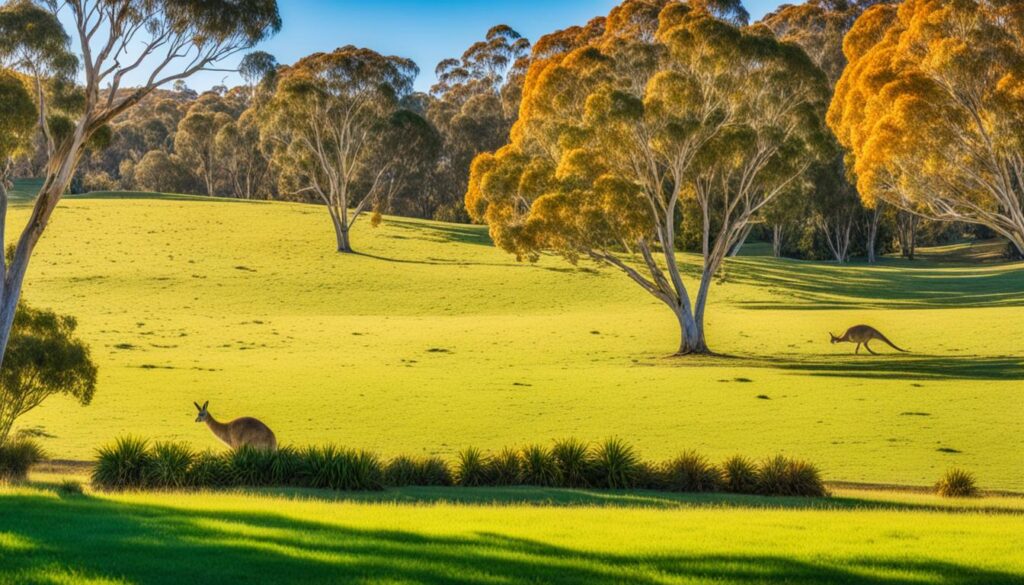
Spring is perfect for adventures in the Australian Outback. The weather is mild, and the skies are clear, making it great for hiking and wildlife watching. You’ll see kangaroos, koalas, and many birds in their natural setting.
Spring brings the wildflower bloom, turning the Outback into a colorful landscape. In September, you’ll see wildflowers like wattle, banksia, and flannel flowers everywhere.
Spring Festivals and Events
Australians celebrate spring with many festivals and events. The Bright Autumn Festival in Victoria’s Alpine High Country is a highlight. It’s a ten-day event celebrating autumn’s colors.
Don’t miss the Australian Open, a top tennis tournament in Melbourne in January. It marks the start of summer and the new year.
Spring in Australia is unforgettable, with its mild weather, beautiful nature, and many activities. It’s a great time to explore the Outback and see Australian wildlife.
Best Time to Visit Australia’s Northern Region
The northern parts of Australia have a unique climate, different from the south. Places like the Kakadu National Park and the Whitsunday Islands have a clear dry and wet season. The dry season is from April to September, and the wet season from October to March.
Dry Season in Northern Australia
The dry season in the Top End, which includes the Northern Territory, is the best time to visit. It runs from May to October. Temperatures are nice, between 21°C to 32°C (70°F to 90°F). Humidity is also lower, around 20 to 35%, and it doesn’t rain much.
But, the wet season, from November to April, is quite different. It has hotter temperatures, from 25°C to 33°C (77°F to 91°F). Humidity goes up over 80%. And, it can rain a lot, up to 1,570mm (62 inches) a year.
The dry season is perfect for northern Australia travel. It lets visitors see the beautiful landscapes, national parks, and enjoy outdoor activities in great weather.
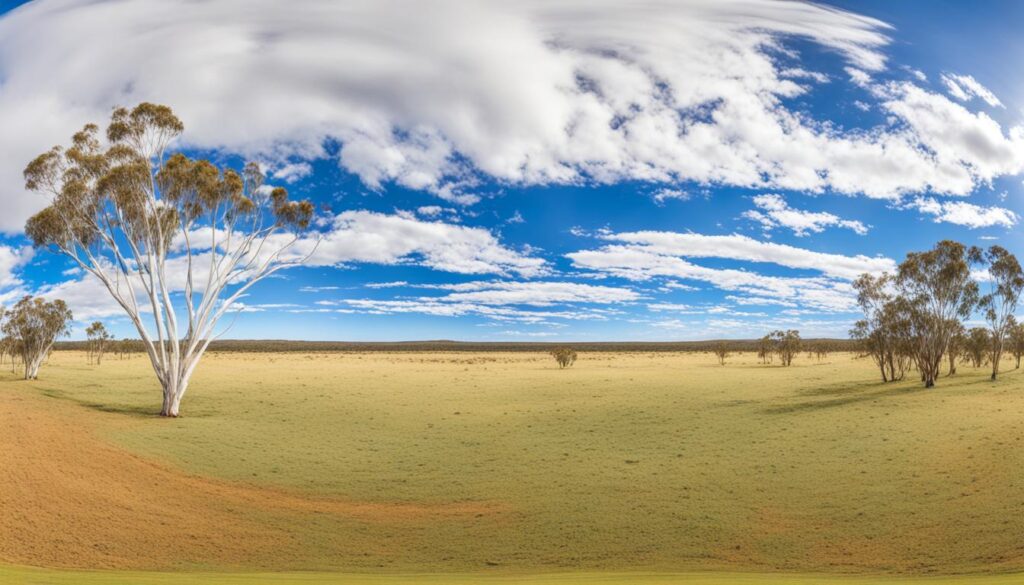
« The dry season in the Top End of Northern Territory runs from May to October with temperatures ranging from 21°C to 32°C (70°F to 90°F), accompanied by lower humidity levels of around 20 to 35% and little to no rain. »
Best Time to Visit Australia’s Southern Region
Australia’s southern regions, like Melbourne, Sydney, and Hobart, have a mild climate with clear seasons. Summer (December to February) is warm and dry, while winter (June to August) is cooler and wetter.
Choosing the best time to visit Australia’s south depends on what you like and what you want to do. Let’s dive into the seasonal highlights:
- Summer (December – February): Enjoy warm, sunny days perfect for beach trips, hiking, and outdoor festivals. Cities like Melbourne and Sydney have temperatures from 15°C to 29°C.
- Fall (March – May): See the grape harvest and join wine events. The weather is mild, great for exploring cities.
- Winter (June – August): It’s cooler, but perfect for visiting the Great Barrier Reef and nature spots. Cities like Hobart and Adelaide have temperatures from 19°C to 27°C.
- Spring (September – November): Watch wildlife come to life and explore the Australian outback. Spring festivals and events are happening everywhere.
Australia’s south is great to visit any time. You’ll find amazing landscapes, lively cities, and a rich culture. Whether you want adventure, food, or relaxation, there’s something for you.
« The southern regions of Australia offer a unique and temperate experience, with each season bringing its own distinct charm and opportunities for exploration. »
Month-by-Month Guide for Traveling in Australia
Traveling through Australia’s varied landscapes and climates is an exciting adventure. This guide will help you plan your trip by month. It ensures you enjoy the best of Australia’s weather and activities.
January – March: Hot and Humid in the North, Warm in the South
In summer, the north gets hot and humid, with lots of rain. The south is warm and sunny, perfect for vacations. It’s a great time for festivals and events, like the Australia Day celebrations in late January.
April – May: Shoulder Season with Mild Weather
Autumn brings mild weather to Australia. This shoulder season has fewer crowds and lower prices. It’s a perfect time to see the country’s beauty.
June – September: Winter Conditions, Great for the Reef
Winter in Australia means cooler weather in the south. But, it’s the best time to see the Great Barrier Reef. The waters are calm and clear, ideal for diving and snorkeling. The north is dry, attracting many travelers.
October – December: Spring Weather, Wildlife Viewing
Spring makes Australia colorful and full of life. It’s a great time to visit, with mild weather and fewer people. Festivals like the Melbourne Cup add to the fun.
Every month in Australia has something special to offer. Knowing the weather helps you plan your trip. This way, you can make your visit unforgettable.
The best time to visit Australia
Australia is a place full of life, ready for visitors all year. Each season brings something special, from sunny days to wine tastings and wildlife. The best time to go depends on what you want to do and see.
If you want to get away from the cold, December to February is a great choice. Australia’s summer is warm, sometimes over 30°C in Sydney. But, it’s also when schools are on holiday, so places might be busier.
Autumn and spring are better for enjoying the outdoors. Autumn in the south is stunning, with leaves changing colors. Spring is perfect for seeing wildflowers in Western Australia.
| Season | Best Time to Visit | Highlights |
|---|---|---|
| Summer (Dec-Feb) | Warm and sunny, but can be hot and humid |
|
| Autumn (Mar-May) | Mild and pleasant weather |
|
| Winter (Jun-Aug) | Cooler temperatures, but ideal for the Great Barrier Reef |
|
| Spring (Sep-Nov) | Mild and refreshing weather |
|
When planning your trip, think about the weather, holidays, and big events. Try to avoid the busy times for a better experience. Knowing what each season offers helps you pick the best time for your trip to Australia.
Factors to Consider When Planning Your Trip
Planning a trip to Australia means thinking about a few key things to make it great. You need to know about the weather and what you want to do. These things can really change how your trip goes.
Weather Preferences
Australia is big and has many climates. You might like the hot summer days or the cool spring and fall. Knowing the weather in the places you want to visit is key. Look into the Australia weather preferences for your destinations to pick the best time to go.
Planned Activities and Interests
Australia has lots of things to do, like outdoor adventures and cultural spots. Think about what you want to do most on your trip. This will help you pick the best time to visit places that fit your Australia travel activities.
Avoiding Peak Tourist Seasons
During peak seasons, Australia gets crowded and prices go up. Avoiding these times means you can have a more peaceful trip. You might also find better deals. Look into when these seasons are in your planned spots to plan better.
Thinking about these things helps you make a trip plan that fits what you like. This way, your trip to Australia will be unforgettable and fun.
Top Events and Festivals in Australia
Australia is full of events and festivals that show off its culture, arts, and nature. You can see everything from Sydney’s New Year’s Eve to the famous Australian Open tennis tournament. There’s something for everyone.
Sydney’s New Year’s Eve Celebrations
Sydney’s New Year’s Eve is a big deal, with millions watching the fireworks over the Sydney Harbour and Opera House. The city looks amazing and feels festive, making it a great way to start the new year.
Australian Open Tennis Tournament
The Australian Open is a big tennis event that people all over the world watch. It happens every year in Melbourne and brings together the best tennis players. It’s a must-see for tennis fans.
Australia Day Celebrations
Australia Day is on January 26th and marks the arrival of the first British fleet in 1788. People across the country celebrate with parades, barbecues, fireworks, and more. It’s a time to honor Australia’s heritage and diversity.
If you want to feel the buzz of Sydney’s New Year’s Eve, the excitement of the Australian Open, or the pride of Australia Day, Australia has it all. When planning your trip to Australia, think about these top events and festivals to enhance your experience.
Conclusion
Australia is a place full of variety, perfect for travelers all year round. Knowing about the seasons, main events, and what you like helps plan the best trip. You can enjoy the sun, culture, or outdoor fun at the best time.
Summer brings festivals and outdoor fun, while autumn offers mild weather and wine harvest. Winter is great for seeing the Great Barrier Reef. Australia has something for everyone, thanks to its varied climate and seasons. Think about what you want, like weather, events, or fewer people, to pick the best time to go.
There’s no one « best » time to visit Australia because it’s so big and different everywhere. Customize your trip to fit what you like and discover Australia’s beauty and magic anytime you visit.