
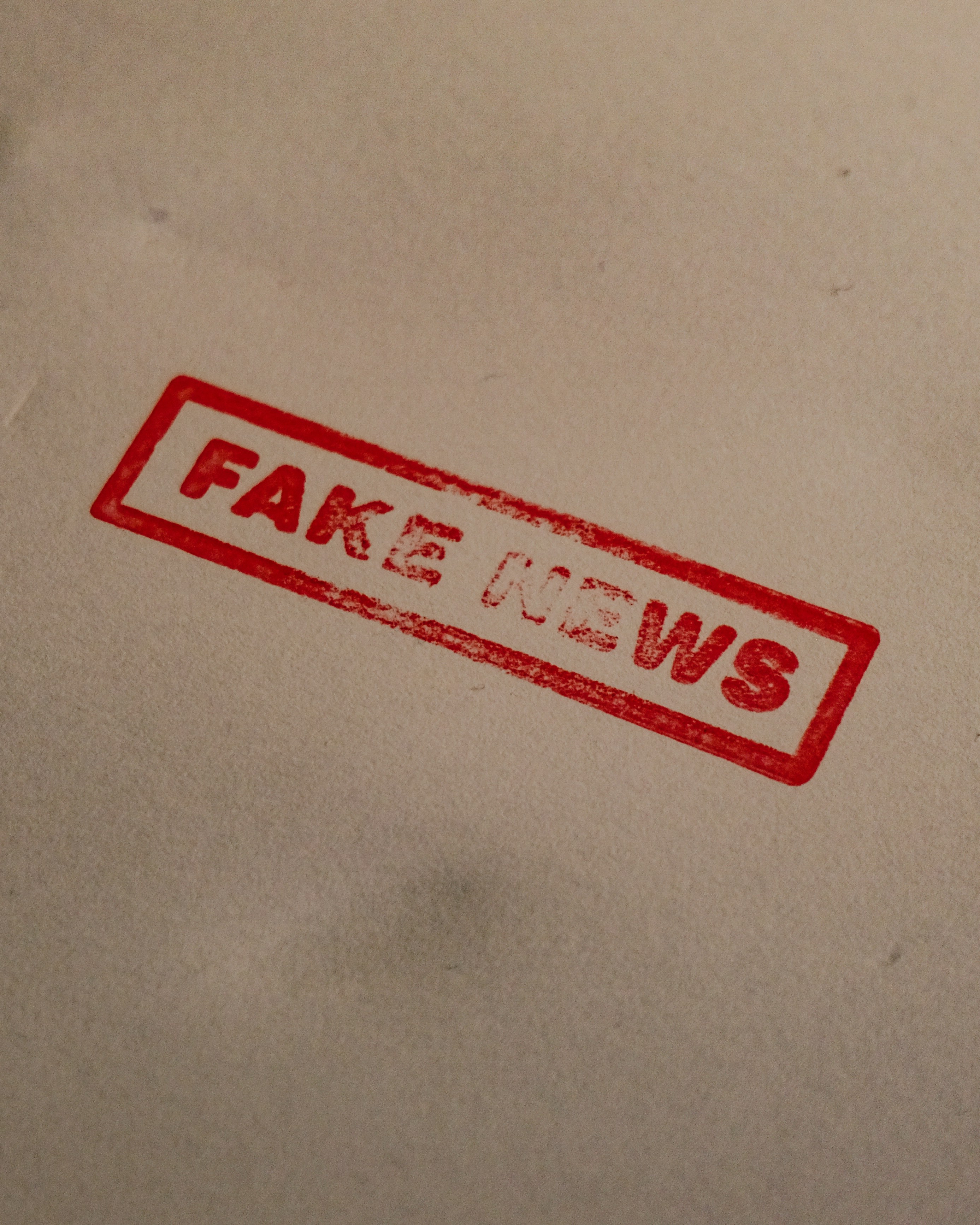
Defining Fake News
Fake news refers to information that is knowingly fabricated, misleading, or deliberately created to deceive the audience. It can take various forms, including articles, videos, or social media posts that present false claims as facts. The term is often used to categorize misleading content, but a more nuanced understanding is necessary to distinguish between related concepts such as misinformation, disinformation, and malinformation.
Misinformation encompasses false or misleading information disseminated without harmful intent. An example might be a viral social media post that incorrectly cites data but is shared out of ignorance rather than deliberate falsehood. On the other hand, disinformation is the intentional creation and distribution of false information designed to mislead or manipulate public perception. This could involve politically motivated fabrications aimed at discrediting a public figure or undermining an election process.
Malinformation goes a step further: it is based on factual information but is conveyed in a way that is harmful. This might include selectively presenting facts without context to paint a distorted picture of a situation, thereby intending to provoke outrage or fear.
The proliferation of fake news occurs through various channels, such as social media platforms, blogs, and even traditional news outlets. The rise of digital technology has facilitated an environment where anyone can create and share content instantly, leading to the rapid spread of misleading information. This phenomenon can have significant implications for society, influencing public opinion, swaying electoral outcomes, and undermining trust in legitimate news sources.
As a result, understanding the definition and implications of fake news is essential for both consumers and creators of content alike, particularly in a world increasingly reliant on information for decision-making.
The History of Fake News
The concept of fake news is not a modern phenomenon, but rather has deep historical roots that trace back centuries. Its origins can be linked to various forms of misinformation, propaganda, and sensationalism prevalent throughout human history. Some of the earliest examples can be seen in the political spheres of ancient civilizations where rulers spread exaggerated claims about their victories or downplayed defeats to manipulate public opinion and consolidate power.
One notable instance of early fake news can be found in the Roman Empire. Politicians often used propaganda to misrepresent their rivals and gain favor among the populace. The use of pamphlets and public announcements played a significant role in shaping perceptions and stoking public sentiments. During this period, misinformation served not only as a tool for political manipulation but also as a means of societal control.
The evolution of fake news took a significant turn during the 19th century with the rise of print media. The penny press era introduced sensational journalism, characterized by outrageous headlines and exaggerated stories intended to attract readership. These practices laid the groundwork for misinformation in mass media, particularly in its capacity to shape public views during pivotal moments, such as the Spanish-American War, when exaggerated reporting fueled public support for military intervention.
Moving into the 20th century, the emergence of radio and television further amplified the spread of fake news, presenting new challenges for information accuracy. Political leaders leveraged these platforms to disseminate misinformation, particularly during times of war, to rally civilian support or undermine adversaries. The Eisenhower administration, for example, utilized televised communications to shape narratives around their policies and military actions.
In examining the history of fake news, it becomes clear that its presence is intertwined with the evolution of media and political communication, reflecting society’s ongoing struggle with truth and misinformation. The digital age has accelerated this trend, creating an environment where the rapid dissemination of false information poses critical challenges for informed citizenry, particularly in the realm of politics.
The Mechanics of Fake News
Fake news has become an increasingly prevalent phenomenon in today’s digital landscape, facilitated primarily by social media platforms that amplify its reach. The mechanisms behind its creation and distribution are complex and multifaceted. At the core of this issue are social media algorithms, designed to prioritize content that garners high engagement. This often leads to sensationalized and misleading stories being favored over factual reporting. Consequently, users are frequently exposed to fake news, resulting in widespread misinformation and confusion.
One of the most notable characteristics of fake news is the use of clickbait headlines. These provocative phrases aim to capture attention and entice users to click on the story, regardless of its veracity. Clickbait can strip a story of context, distorting or exaggerating information to drum up traffic. This practice has been shown to be effective in generating clicks, making it a popular strategy among creators of fake news. As audiences are increasingly drawn to highly sensationalized content, the cycle perpetuates as people continue to share and engage with these misleading articles.
The motivations behind creating fake news are varied and often rooted in financial incentives and political agendas. For many, the drive to generate revenue from clicks and advertising leads to the dissemination of false information. Additionally, fake news can serve as a tool for political manipulation, allowing individuals or groups to spread propaganda and sway public opinion. By framing narratives that align with specific beliefs or agendas, creators can exploit existing divisions within society, further entrenching misinformation.
In light of these factors, understanding the intricacies of how fake news operates is essential for consumers of information. Awareness of the mechanisms at play helps individuals critically evaluate sources, recognize potential biases, and make informed decisions regarding the news they consume and share.
Recognizing Fake News
In the digital age, the proliferation of information has made the ability to identify fake news crucial. Fake news is often designed to misinform or manipulate public perception for various motives, ranging from political agendas to financial profit. To effectively recognize fake news, individuals must apply a systematic approach involving several key strategies.
Firstly, checking the source of the information is vital. Reliable news outlets typically adhere to rigorous journalistic standards. When encountering a sensational story, verify the credibility of the publication. Is it a reputable news organization, or is it an obscure site with little background? Additionally, consider the author’s credentials. Established journalists and experts in their fields are generally more trustworthy than anonymous or unverified writers.
Secondly, cross-referencing the information with fact-checking websites is an essential step in identifying fake news. Websites like Snopes, FactCheck.org, and PolitiFact specialize in debunking misinformation and providing context to questionable claims. Using these resources helps clarify the accuracy of information and offers broader insights into ongoing narratives. This method not only emphasizes critical thinking but also equips individuals with tools to sift through the deluge of content online.
Moreover, it is crucial to assess the claims presented within the article. Look for supporting evidence and data. Legitimate news articles often cite studies, expert opinions, or official statements. If a claim appears exaggerated or lacks corroborating data, it may be an indication of falsehood. Moreover, be wary of emotionally charged language that might skew perception; sensationalism often plays a significant role in fake news propagation.
By employing these practical techniques, readers can enhance their ability to discern real news from fake. Being vigilant and informed not only aids personal understanding but also contributes to a well-informed society.
The Impact of Fake News on Society
The proliferation of fake news significantly influences individuals and communities, leading to profound ramifications across various sectors. One of the primary consequences is the erosion of trust in traditional media outlets. As audiences encounter misleading information, they become increasingly skeptical of reputable news sources, which undermines journalistic integrity. This distrust can foster an environment where misinformation thrives, as people may turn to less credible sources that align with their biases, further perpetuating the cycle of fake news dissemination.
Moreover, the impact of fake news extends to the polarization of public opinion. With information tailored to evoke strong emotional reactions, fake news stories can deepen existing divides within society. Individuals are more likely to share sensational content that resonates with their pre-existing beliefs, which contributes to echo chambers where divergent viewpoints are dismissed. This polarization not only hinders constructive dialogue but also exacerbates societal tensions, leading to increased conflict and division among communities.
In addition to affecting social cohesion, fake news poses significant risks to democratic processes. Misinformation campaigns can manipulate public perception and voter behavior, undermining the integrity of elections. Instances of fake news swaying public opinion are becoming more frequent, raising concerns about the true reflection of the electorate’s will. The consequences extend to public health as well, as misinformation about medical practices or health guidelines can lead to harmful behaviors and hinder effective responses to crises, such as pandemics.
In summary, the impact of fake news on society is multifaceted, affecting trust in media, polarizing public opinion, and jeopardizing democratic processes and public health. Addressing these challenges requires collective efforts to promote media literacy, critical thinking, and responsible sharing of information among individuals and communities.
Combating Fake News
The proliferation of fake news has prompted a concerted effort from various sectors of society to combat misinformation effectively. One of the most significant initiatives has emerged from technology companies that have recognized their responsibility in curbing the dissemination of false information. Social media platforms, such as Facebook and Twitter, have introduced algorithms designed to identify and de-prioritize misleading content. These platforms are also collaborating with independent fact-checkers to assess the veracity of shared articles and posts, thereby increasing the reliability of information available to users.
Moreover, government regulations have arisen as an essential tool in the fight against fake news. Several countries have implemented laws mandating transparency regarding the sources and funding of online information. Such legal frameworks are aimed at holding content creators accountable for the information they share, especially during sensitive periods like elections or public health crises. These regulations also seek to deter the malicious spread of misinformation, thereby safeguarding electoral integrity and public well-being.
In addition to corporate and governmental initiatives, educational programs play a vital role in combating fake news. Promoting media literacy is crucial as it empowers individuals to critically analyze and evaluate the information they encounter daily. Educational institutions have begun integrating media literacy into their curricula, teaching students how to discern credible sources from unreliable ones, recognize biases, and understand the contextual implications of news stories. This foundational skill will aid future generations in navigating the increasingly complex information landscape.
Public awareness campaigns also contribute significantly to combating fake news. Organizations often launch initiatives aimed at educating the public about the dangers posed by misinformation, encouraging them to be vigilant about the information they consume and share. These campaigns often leverage social media to reach a broader audience, making it easier to disseminate essential information about recognizing and reporting fake news.
The Role of Social Media in Spreading Fake News
Social media has dramatically transformed the landscape of information dissemination, enabling rapid sharing and wide reach. Platforms like Facebook, Twitter, and Instagram have become instrumental in transmitting news content, both accurate and misleading. This shift has led to an environment where fake news can spread at unprecedented speeds, making it increasingly challenging for users to discern authentic information from fabrications.
One poignant example is the spread of misinformation during major political events, such as the 2016 U.S. presidential election. Numerous fake news stories proliferated on social media platforms, significantly impacting public opinion. During this period, studies found that false information was more widely shared than credible news stories, leading to heightened polarization and mistrust among voters. These incidents underscore the susceptibility of social media to the dissemination of false narratives.
Although these platforms have since implemented measures to mitigate the spread of misinformation, the challenges remain substantial. The sheer volume of user-generated content makes it difficult for algorithms to accurately assess the veracity of every post. Moreover, the design of social media encourages sensationalism; provocative content often garners more engagement, regardless of its truthfulness. This reality has raised concerns about the responsibility of social media companies in curating the content shared on their platforms.
Specific case studies highlight the ongoing struggle to regulate fake news effectively. For instance, the misinformation regarding the COVID-19 pandemic saw a surge in misleading posts that contradicted public health guidelines. In response, social media platforms ramped up efforts to flag or remove false information, yet the speed at which this content spreads often outpaces their regulatory capacity.
In light of these challenges, it is evident that social media will continue to play a significant role in the proliferation of fake news. The critical task lies in fostering media literacy among users and enhancing the accountability of platforms to ensure a more informed public conversation.
Case Studies of Notorious Fake News
Throughout recent years, numerous instances of fake news have garnered significant media attention, illustrating the profound implications that misleading information can have on society. One of the most cited examples is the Pizzagate incident in 2016. This conspiracy theory alleged that a Washington, D.C. pizzeria was the headquarters of a child trafficking ring linked to prominent political figures. The false narrative spread rapidly across social media platforms, culminating in a man entering the restaurant and firing a gun in an attempt to ‘rescue’ the supposed victims. This case highlights how unsubstantiated claims can lead individuals to act violently, underlining the dangers posed by fake news.
Another critical example occurred during the COVID-19 pandemic, where misinformation regarding the virus proliferated extensively online. False claims about the origins of the virus, false cures, and misleading health guidelines circulated widely, creating confusion and distrust among the public. Misleading information not only hindered effective public health responses but also led to dangerous behaviors, such as refusing vaccinations or ignoring safety measures. The World Health Organization even declared the spread of misinformation a global infodemic, illustrating the scale at which fake news can disrupt societal norms and public health efforts.
Moreover, the 2018 Massachusetts gubernatorial election provided another stark reminder of the influence of fake news on voter behavior. Reports surfaced claiming that one candidate had engaged in illegal activities, completely fabricating events that had never transpired. The repercussions of such disinformation were significant, influencing public opinion and potentially swaying the election’s outcome. Each of these case studies underscores the critical importance of media literacy and responsible information sharing. The societal consequences of believing and acting upon fake news are profound, necessitating vigilance in verifying sources and claims before acceptance and dissemination.
Looking Ahead: The Future of News in a Digital Age
The landscape of news consumption has evolved dramatically over the past few decades, primarily due to the rise of digital technologies. As we venture further into this digital age, it is vital to contemplate the future of news, particularly in relation to the proliferation of fake news. Emerging technologies such as artificial intelligence (AI) and blockchain hold promise as potential solutions, yet they also raise questions about implications for the integrity of information.
Artificial intelligence, for instance, has the capacity to analyze vast amounts of data, thereby identifying patterns indicative of misinformation or disinformation. AI algorithms can be programmed to differentiate between credible news sources and those that propagate false narratives. As these technologies advance, their effective implementation could potentially revolutionize how we verify news authenticity, creating a more informed public. Moreover, AI can assist in personalized news delivery, ensuring that individuals receive information that is not only relevant but also trustworthy.
Blockchain technology, another emerging innovation, offers a decentralized method for fact-checking and maintaining transparency within news reporting. By creating an immutable record of information, blockchain can allow consumers to trace the origins of news articles, ultimately enhancing accountability among journalists and media outlets. This could help to build trust with the audience, who now more than ever face challenges in discerning fact from fiction.
Nevertheless, as we embrace these technologies, significant challenges remain. The digital world is teeming with users who actively engage in sharing content without verification. Society must cultivate critical media literacy skills, empowering individuals to question the information they consume. Looking ahead, it is imperative that we balance the use of transformative technologies with educational initiatives that promote responsible information sharing, ensuring the truth has a place in the future of news.