
The Great Barrier Reef is the biggest coral reef system in the world. It stretches along Australia’s northeast coast. It’s a place full of life under the sea. Whether you dive often or are trying it for the first time, the Great Barrier Reef is an adventure you won’t forget.
This article will give you key travel tips for your trip. You’ll learn the best time to go, how to budget, and how to pick the right tour. Plus, you’ll find out how to see more than just the reef. With its colorful corals, many sea creatures, and beautiful nature, the Great Barrier Reef is a top spot for travelers in Australia.
Key Takeaways
- The Great Barrier Reef is the world’s largest coral reef system, stretching along Australia’s northeast coast.
- It’s home to over 1,500 species of fish, along with sharks, rays, turtles, and marine mammals.
- The best time to visit is between June and October, to avoid the wet season and box jellyfish season.
- Cairns is the primary hub for snorkeling and diving tours to the Great Barrier Reef.
- Eco-friendly tour operators like Passions of Paradise are leading the way in sustainable reef tourism.
Introduction to the Great Barrier Reef
The Great Barrier Reef stretches over 344,400 square kilometers off Australia’s coast. It’s the biggest coral reef system on Earth. This natural wonder is full of life, from colorful coral to playful sea turtles and fish.
The Largest Coral Reef System on Earth
This reef is a huge collection of over 2,900 reefs and 900 islands. It stretches more than 2,300 kilometers along Australia’s northeastern coast. It’s bigger than Germany and can be seen from space. It’s home to over 1,500 fish species, 400 coral species, and many other marine creatures.
Experiencing the Underwater World
Whether you’re diving or snorkeling, the Great Barrier Reef lets you see its beauty up close. You’ll see vibrant coral, sea turtles, and tropical fish. With the right safety steps, you can explore this natural wonder and make lasting memories.
« The Great Barrier Reef is a living, breathing, magnificent marvel of nature. To witness its beauty is to be truly humbled by the wonders of our world. »
Best Time to Visit the Great Barrier Reef
Planning a trip to the Great Barrier Reef means knowing the best time to go. The reef is open all year, but some times are better than others. The best months are May to November. This avoids the cyclone and stinger seasons, and the weather is cooler.
Minke whales move through the reef in July, making it a great time to see them. Humpback whales are also around from May to September. The sea is calm from June to November, perfect for snorkeling and diving.
Wind can affect your visit too. Strong winds can make the sea rough and reduce visibility. Always check the weather forecast and be ready to change your plans if needed.
The Great Barrier Reef has a wet and dry season. The wet season is from December to May, with more rain. The dry season, from June to November, has warm, sunny days. Temperatures rarely drop below 26°C, making it pleasant all year.
The stinger season is from November to May. During this time, jellyfish like the Irukandji and box jellyfish are around. You’ll need to take extra care and wear protective swimwear.
Knowing the best time to visit the Great Barrier Reef helps plan a trip with good weather, lots of marine life, and fewer risks. This way, you can have a memorable and safe visit to this amazing place.
Budgeting for Your Great Barrier Reef Adventure
Visiting the Great Barrier Reef is an amazing journey, but you’ll need to plan your budget. The cost of Great Barrier Reef tours changes a lot. It depends on the tour length, comfort level, and activities.
A basic one-day trip costs about $100 AUD. A two-night « Liveaboard » trip on a mid-range boat is around $400 AUD per person, including meals. You’ll also need to think about Great Barrier Reef accommodation costs in places like Cairns. These can go from hostels to luxury resorts.
To have a great time, plan to spend at least $600 AUD. But, you can spend more or less depending on how you plan. Booking early, visiting during off-peak times, and looking for package deals can help save money.
Estimating the Cost of Tours and Accommodations
- One-day reef trip: Approximately $100 AUD
- Two-night « Liveaboard » tour: Around $400 AUD per person, including meals
- Accommodation in Cairns: Ranging from budget hostels to luxury resorts
- Minimum budget for a Great Barrier Reef adventure: $600 AUD
Plan ahead and watch your spending to enjoy the Great Barrier Reef without spending too much. With some research and flexibility, you can make a memorable trip that suits your budget and what you like.
Choosing the Right Great Barrier Reef Tour
Choosing from the many Great Barrier Reef tours can seem overwhelming. But, by looking at key factors, you can pick a tour that’s both memorable and immersive. Think about the destination, the type of vessel, and the activities available.
Factors to Consider When Selecting a Tour
- The outer reefs show more vibrant and less damaged coral. Inner reefs let you see diverse marine life up close.
- Choose from catamarans, sailboats, or even helicopters for a unique view and experience.
- Think about what activities you want, like snorkeling, scuba diving, or glass-bottom boat rides. Make sure they match your interests and skills.
Top-Rated Tour Options
Top choices include Cruise Whitsundays, with its pontoon at Hardy Reef, and Coral Expeditions, known for their custom-built ships for a closer reef experience.
| Tour Company | Tour Highlights | Duration | Price Range |
|---|---|---|---|
| Cruise Whitsundays | Pontoon experience at Hardy Reef | 1 day | $179 – $349 per person |
| Coral Expeditions | Custom-built ships for intimate reef exploration | 4 – 7 nights | $2,395 – $4,995 per person |
By looking at these factors and checking out top tours, you can plan an unforgettable Great Barrier Reef trip. It will match your likes and hopes.
« The Great Barrier Reef is one of the most remarkable natural wonders of the world, and exploring it through a carefully selected tour is an opportunity not to be missed. »
Beyond the Reef: Exploring Far North Queensland
The Great Barrier Reef is a big draw for many, but there’s more to see in Far North Queensland. Places like the city of Cairns, the Daintree Rainforest, and the Whitsunday Islands offer lots of fun and adventure. This tropical area is perfect for those who love to explore.
Cairns: The Gateway to the Great Barrier Reef
Cairns is a lively town that leads to the Great Barrier Reef. It has a great nightlife, many places to eat, and easy access to the sea. You can walk along the Esplanade, check out the markets, and enjoy the local seafood. It’s a great place to relax by the coast.
The Daintree Rainforest: A Tropical Paradise
Close to Cairns is the Daintree Rainforest, a UNESCO World Heritage Site. It’s one of the oldest rainforests on Earth. Here, you can see exotic animals, go hiking, and feel the magic of a tropical paradise.
The Whitsunday Islands: Unspoiled Beauty
Go beyond the Great Barrier Reef to find the Whitsunday Islands. This group of 74 islands has beautiful white sand beaches, trails to hike, and amazing sunsets. You can snorkel in clear waters or just enjoy the island’s beauty. The Whitsundays are a peaceful and untouched place.
Visiting these places can make your trip to the Great Barrier Reef even better. You’ll get to see the variety and beauty of Far North Queensland.
| Destination | Key Highlights |
|---|---|
| Cairns | Vibrant city, lively nightlife, eclectic dining |
| Daintree Rainforest | UNESCO World Heritage site, exotic wildlife, lush trails |
| Whitsunday Islands | Stunning white sand beaches, bush hiking, breathtaking sunsets |
travel tips for visiting the Great Barrier Reef
Visiting the Great Barrier Reef needs some planning for a safe and fun trip. You should protect yourself from the sun and know how to handle stinger season. These tips will help you enjoy your reef adventure.
Preparing for Your Reef Adventure
Before going to the Great Barrier Reef, check if you’re fit enough for the activities. Pick tours that match your abilities, like snorkeling or swimming. Also, watch the weather and tides as they affect your visit.
Protecting Yourself from the Sun and Stingers
The Australian sun is strong, and the Great Barrier Reef is no different. Bring lots of sun protection, like high-SPF sunscreen, a big hat, and long sleeves. If it’s stinger season, wear a stinger suit, which your tour might provide or you can rent.
Here are some tips for your safety and comfort:
- Take a wide-brimmed hat, sunglasses, and a long-sleeved rash guard or shirt to protect your skin from the sun.
- Put on sunscreen often and reapply after swimming or sweating.
- Wear a stinger suit or wetsuit during stinger season to protect against jellyfish and other sea creatures.
- Know your fitness level and health conditions that might affect your water activities.
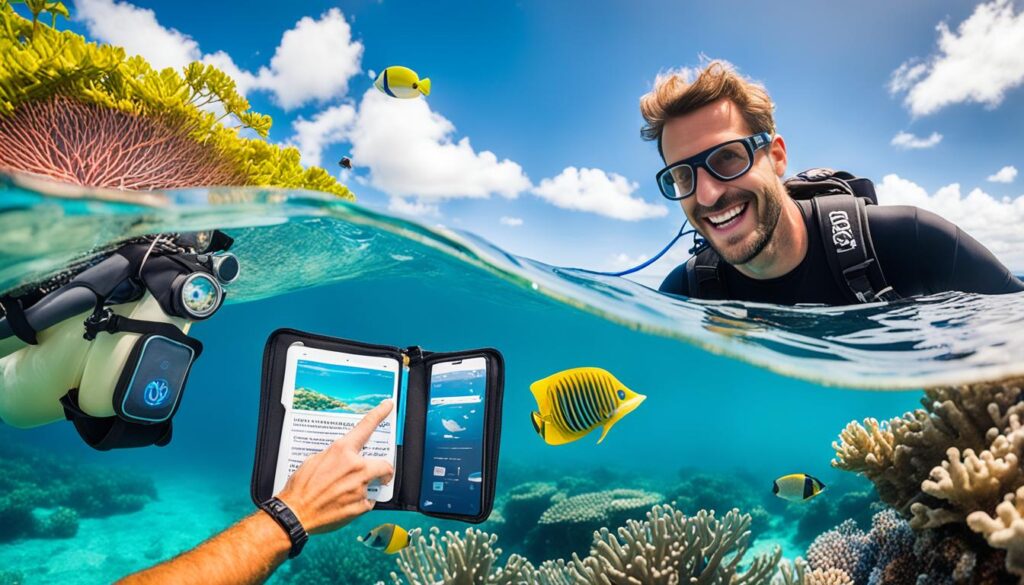
With these travel tips, you’ll be ready to explore the Great Barrier Reef safely and comfortably. You’ll have a memorable and safe trip.
Accommodations on the Great Barrier Reef
Travelers can choose from many places to stay right on the Great Barrier Reef. Island resorts like Lizard Island, Heron Island, and Lady Elliot Island offer luxury. Prices range from about $250 to $2,000 per night. Guests can snorkel or dive right from the beach.
For those on a budget, camping is an option on Lizard Island. You’ll need to be able to take care of yourself. Camping permits are needed, and you can stay up to 10 days. These spots let you really get into the beauty of the Great Barrier Reef.
Island Resorts and Camping Options
- Lizard Island: Luxury resort and camping options
- Heron Island: Upscale resort with direct reef access
- Lady Elliot Island: Eco-resort in the southern Great Barrier Reef
| Accommodation Type | Average Nightly Rate | Highlights |
|---|---|---|
| Island Resorts | $250 – $2,000 | Luxurious accommodations, direct reef access, snorkeling and diving |
| Camping on Lizard Island | Varies | Budget-friendly, self-sufficient, immersive reef experience |
« The Great Barrier Reef is a diver’s paradise, and staying on one of the islands is the best way to experience it. »
Expedition Cruises: A Unique Way to Experience the Reef
Exploring the Great Barrier Reef on an expedition cruise is an amazing adventure. These trips, run by Coral Expeditions, let you dive deep into the reef’s beauty. They offer a close-up look at this natural wonder.
The ships of Coral Expeditions can hold about 44 passengers. This small number means you get a personal and special trip. You’ll have special access to some of the most beautiful parts of the reef.
The Great Barrier Reef expedition cruises change their plans based on the weather. This way, you get the best chance to snorkel, see the reef from a glass-bottom boat, and go on nature walks. It’s all about making sure you have the best time, no matter what the weather is like.
| Cruise Operator | Cruise Duration | Departure Ports |
|---|---|---|
| Coral Expeditions | 7 to 14 nights | Cairns, Port Douglas, Whitsundays (Airlie Beach) |
Whether you’re an experienced diver or trying snorkeling for the first time, an expedition cruise is perfect. You’ll be surrounded by the stunning underwater scenes of the Great Barrier Reef. With expert guides and a focus on being eco-friendly, these cruises are unforgettable.
« The flexibility to adjust the itinerary based on weather conditions ensures the best possible reef experience. »
Snorkeling Safety and Tips
Snorkeling is a great way to see the Great Barrier Reef. But, safety comes first. Reef sharks are there, but they usually don’t bother people. The main dangers are from stings from jellyfish and issues for non-swimmers and beginners.
Dealing with Reef Sharks
Reef sharks are common in the Great Barrier Reef. They’re not usually aggressive towards people. If you keep a safe distance and don’t move suddenly, you can watch them without worry.
Assistance for Non-Swimmers and Beginners
If you’re not a strong swimmer or new to snorkeling, don’t worry. Tour operators offer flotation devices like buoyancy vests or pool noodles. They also have guided snorkeling tours with experienced instructors to help you.
To have a safe and fun snorkeling trip, remember to:
- Tell the tour crew about any health issues before you go in the water
- Wear protective gear, like a lycra sunsuit, to protect against the sun and sea
- Pay attention to the safety briefing given by the tour operators
- Avoid drinking alcohol before or while snorkeling
- Snorkel with a buddy and watch out for each other
- Follow what the in-water guides and crew tell you
By being careful and working with experienced tour guides, you can safely see the Great Barrier Reef. You’ll make memories that last a lifetime.
Photography on the Great Barrier Reef
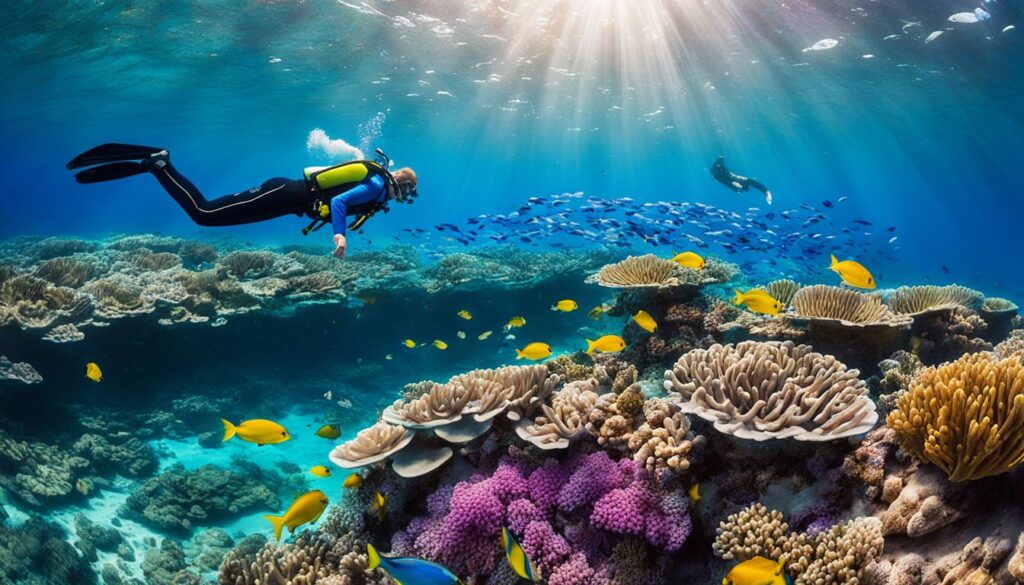
The Great Barrier Reef is a stunning place for photographers. It offers a chance to capture its vibrant underwater world and beautiful landscapes. Whether you’re a pro or just starting, the key to great Great Barrier Reef photography is the right gear and techniques.
For underwater photography, you need a waterproof camera or an underwater housing for your DSLR. The reef is full of colorful coral and sea turtles. A wide-angle lens is best for capturing these big scenes. Also, a circular polarizing filter is crucial. It makes your photos brighter and clearer by reducing glare.
When shooting from above, a high-quality DSLR with a versatile lens is a must. It helps you capture the beauty of the Heart Reef and the 74 islands. For a unique view, consider helicopter flights. But, bring two cameras to make sure you don’t miss anything.
« The circular polarizing filter is the key piece of equipment needed for capturing vibrant images on the Great Barrier Reef. It makes a noticeable difference in the visibility of the coral and marine life underwater. »
For camera settings, use Aperture Priority mode with an ISO of 200-400. Adjust your exposure to avoid glare and get the right shot.
Whether you’re snorkeling, diving, or flying over the reef, it’s full of photo opportunities. Share your amazing Great Barrier Reef photography on social media with #thewanderinglens. Let others see the beauty of this place.
Sustainable Tourism and Conservation Efforts
The sustainable Great Barrier Reef tourism is key to protecting this natural wonder for the future. Many tour operators and groups are leading the way with eco-friendly actions. They aim to promote reef conservation and eco-friendly travel experiences.
Most visitors see the Great Barrier Reef from Cairns or the Whitsunday Islands. To lessen harm to the environment, places like Lady Elliot Island Eco Resort use only renewable energy. Lizard Island Resort also recycles about 60% of its waste.
With the help of digital tools like the Eye on the Reef app, visitors can help monitor the reef. They can share photos and videos of the underwater world. Groups like Eco Barge Clean Seas have removed almost 200,000 kg of trash from the Whitsundays since 2009.
Visitors pay a small $6.50 AUD fee to help with conservation. Some places, like Orpheus Island Lodge, give $50 AUD per guest to the Reef Keepers Fund. This money supports local projects for sustainability.
By picking eco-friendly tours and places to stay, travelers help with sustainable Great Barrier Reef tourism and reef conservation. We can all work together to keep this natural wonder alive and thriving for the future.
| Eco-Friendly Initiative | Details |
|---|---|
| Lady Elliot Island Eco Resort | Committed to running on 100% renewable energy by the end of 2020 |
| Lizard Island Resort | Recycles around 60% of its waste |
| Eye on the Reef app | Allows visitors to share photos and videos to help monitor reef conditions |
| Eco Barge Clean Seas | Cleared almost 200,000 kg of marine debris from the Whitsundays since 2009 |
| Environmental management charge | $6.50 AUD fee paid by visitors to support reef conservation |
| Orpheus Island Lodge | Donates $50 AUD per guest to the Reef Keepers Fund for sustainability initiatives |
Family-Friendly Activities on the Great Barrier Reef
The Great Barrier Reef stretches 2,300 km along Australia’s east coast. It’s full of activities perfect for families. You can snorkel, go on a glass-bottom boat tour, or explore nature walks. There’s something for everyone to enjoy the reef’s beauty.
Many tours are made for families. They offer special programs and amenities for a safe, fun time. They cater to non-swimmers and beginners, making it great for family trips.
Snorkeling and Glass-Bottom Boat Tours
For families who love swimming, snorkeling lets you see the colorful coral and marine life up close. If you’d rather stay dry, glass-bottom boat tours show the underwater world too. These tours also have educational talks to teach about the reef’s ecosystem.
Pontoon Experiences
Pontoon-based tours are great for families. They offer a safe place to see the reef. You can snorkel, watch from underwater observatories, or even slide into the water. Some have touch tanks where kids can meet marine animals.
| Activity | Duration | Highlights |
|---|---|---|
| Great Adventures Outer Barrier Reef Tour | 3 hours |
|
| Sunlover Reef Cruises | Over 4 hours |
The Great Barrier Reef has many activities for families. Parents can make lasting memories and teach their kids about nature. Whether it’s snorkeling, boat tours, or exploring pontoons, there’s a lot to do.
« The Great Barrier Reef is a magical place, and visiting with my family was an experience we’ll never forget. The kids loved the snorkeling and the pontoon’s waterslide – it was the highlight of our trip! »
Conclusion
The Great Barrier Reef is a natural wonder that should be on every traveler’s list. With these Great Barrier Reef travel tips summary, you can plan an unforgettable trip. You’ll get to dive into the reef’s stunning underwater world.
Choosing the right tour and place to stay is key. This guide has given you the info to plan your planning a Great Barrier Reef trip perfectly.
The Great Barrier Reef is the biggest coral reef system on Earth. It’s a UNESCO World Heritage Site famous for its marine life, colorful coral, and amazing underwater worlds. You can snorkel, dive, or just explore the tropical paradise around it.
Always choose sustainable tourism and respect the reef’s delicate balance. Take photos and videos to capture your journey. With good planning and a sense of adventure, you’ll make memories that will inspire you to visit again and again.