
« The best things in life are the people we love, the places we’ve been, and the memories we’ve made along the way. » – Unknown
Moroccan cuisine is a mix of many cultures, including Arab, Berber, and Mediterranean. It stretches from the Atlas Mountains to the Atlantic Ocean. This North African country is known for its amazing flavors.
At the core of Moroccan cooking are spices like cumin, ginger, turmeric, and cinnamon. These spices blend together, adding depth and complexity to dishes.
Tagine, a slow-cooked stew, is a key dish that shows Moroccan cooking’s patience and skill. Couscous, the national dish, is served with many toppings to please everyone. Fermentation and pickling are also big parts of Moroccan cooking.
In Marrakesh and Fez, the markets are full of street food smells. You can find grilled chicken skewers and honey-coated pastries. Desserts like « kaab el ghzal » and Moroccan mint tea are famous for their unique tastes.
Key Takeaways
- Moroccan cuisine is a melting pot of Arab, Berber, and Mediterranean influences, creating a unique flavor profile.
- Spices like cumin, ginger, turmeric, and cinnamon are the building blocks of Moroccan cooking, adding depth and complexity to the dishes.
- Iconic Moroccan dishes include tagine, a slow-cooked stew, and couscous, a beloved national dish served with various toppings.
- Moroccan cuisine emphasizes the art of preserving food through fermentation and pickling techniques, showcasing the country’s culinary ingenuity.
- Moroccan desserts and the quintessential Moroccan mint tea are renowned for their unique flavors and cultural significance.
What Makes Moroccan Cuisine Unique?
Moroccan cuisine is a mix of many cultures that have shaped its flavors and traditions over centuries. It has roots in the ancient Berber culture and has been influenced by Arabs, Andalusians, and Mediterranean cultures. This mix is seen in every dish.
Cultural Influences on Moroccan Food
The Berbers, Morocco’s original people, brought the tagine cooking method over 2,000 years ago. It’s still a key way to cook in Moroccan kitchens. The Arabs came in the 7th century and added spices like cinnamon, ginger, and turmeric.
Moors from Spain introduced olives, olive oil, and citrus gardens. Jewish-Moors taught pickling and preserving fruits and veggies. The Ottoman Turks later added grilling and barbecuing, including the popular kebab.
The Role of Spices in Moroccan Cooking
Spices are key to Moroccan cooking, adding flavor without taking over. They use cumin, turmeric, and up to 35 spices in ras el hanout. These spices make Moroccan food special.
Slow cooking lets spices blend well, making dishes rich and complex. Moroccan food celebrates its diverse culture. It’s all about blending spices and flavors for a unique taste.
Traditional Moroccan Breakfast Delights
Moroccans love their breakfast, enjoying a wide variety of breads, spreads, and Moroccan mint tea. Start your day like a local and taste the unique flavors of their breakfast.
Bread and Spreads
Bread is key in Moroccan cuisine, especially at breakfast. Moroccans eat many types of bread, with Khobz being the most common. Even though communal ovens are less common now, the love for fresh bread stays strong.
With the bread, you’ll find tasty spreads. Amlou, a mix of almonds, argan oil, and honey, is a favorite. Honey, jams, and Jben cheese, a fresh Moroccan cheese, are also popular. They’re often topped with raw olive oil.
Beghrir: The Thousand-Hole Pancakes
No Moroccan breakfast is complete without beghrir, or « thousand-hole pancakes. » These spongy pancakes are made with semolina flour and yeast. They have a unique texture that absorbs butter and honey well. Moroccans love these pancakes, often eating them with Moroccan mint tea.
Mint Tea: The Quintessential Moroccan Drink
No Moroccan breakfast is complete without Moroccan mint tea, or « Berber whiskey. » This tea is a mix of green tea and fresh mint leaves, sweetened with sugar. It’s a big part of Moroccan culture. Moroccans drink it all day, but it’s especially important at breakfast.
« Breakfast in Morocco is a sensory delight, where the aroma of freshly baked bread and the soothing warmth of mint tea create a truly memorable experience. »
Moroccan Lunch: The Main Event
Lunch is the biggest meal in Moroccan culture. It’s when families and friends come together to enjoy the country’s best dishes. Tagines, slow-cooked stews, are the stars of the show. They mix meat, veggies, and spices in a perfect way.
From chicken to lamb tagine, every bite feels like a trip to Marrakesh’s markets.
Tagines: The Iconic Slow-Cooked Stews
The Moroccan tagine gets its name from the clay pot it’s cooked in. These stews simmer slowly, mixing proteins like chicken, lamb, or beef with veggies and spices. The result is a dish that’s both rich and flavorful, a key part of Moroccan lunch.
Couscous: The National Dish
No Moroccan lunch is full without couscous, the national dish. These small semolina grains are steamed with meats and veggies. Topped with a sweet raisin preserve, couscous is a mix of sweet and savory. It’s a tradition that’s been passed down for generations.
Harira: The Traditional Ramadan Soup
Harira is a soup made with tomatoes, lentils, chickpeas, and meat like lamb or beef. It’s Morocco’s national dish, eaten during Ramadan to break the fast. Harira is a comforting soup that’s full of flavor, loved by many.
| Moroccan Lunch Dish | Key Ingredients | Notable Features |
|---|---|---|
| Tagine | Meat (chicken, lamb, beef), vegetables, spices | Slow-cooked in a distinctive clay pot, creating tender, flavorful dishes |
| Couscous | Semolina grains, broth, meat, vegetables, raisin preserve | The national dish of Morocco, often served as a hearty and balanced meal |
| Harira | Tomatoes, lentils, chickpeas, lamb or beef | A traditional Ramadan soup, providing nourishment to break the fast |
« Moroccan cuisine is a harmonious blend of flavors, textures, and traditions, with each dish telling a story of the country’s rich cultural heritage. »
Traditional Moroccan Cuisine for Dinner
Dinner in Moroccan cuisine is lighter than lunch. It comes later in the evening. Moroccan dinners mix dishes from breakfast and lunch. This creates a mix of flavors and textures.
Common dinner options include Briouats, fresh seafood like grilled or fried sardines, Harcha (a pan-fried bread), Zaalouk (an eggplant and tomato salad), and marinated olives and tomato salads.
Briouats are flaky pastries filled with various ingredients. They can be meat, vegetables, cheese, or seafood. Harcha is a thick, pan-fried bread that’s great with dinner.
Fresh seafood, like grilled or fried sardines, is popular for dinner. These are often served with Zaalouk, a salad of roasted eggplant, tomatoes, garlic, and spices. The Zaalouk goes well with the fish.
No Moroccan dinner is complete without marinated olives and tomato salads. These dishes are simple but full of flavor. They clean your palate and go well with main courses. The olives show the diversity of Moroccan cuisine.
« In Morocco, every market is lined with olives of every shape and color. »
Dinner in Morocco lets you enjoy the country’s rich food heritage. Each dish shows off the mix of spices, flavors, and cultural influences that make Moroccan cuisine special.
The Art of Moroccan Pastries and Sweets
Moroccan pastries and sweets show off the country’s rich food culture. They mix the tastes of almonds, honey, and floral scents. These treats are dense and made with care, showing the skill in making them.
Almond-Based Delicacies
In Casablanca’s Habous quarter, Pâtisserie Bennis has made Moroccan pastries for three generations. They offer many almond treats like ghoribas (cookies), akda aux amande (almond macaroons), and cornes el ghazal (filled with almonds, orange blossom water, and cinnamon).
Honey and Floral Flavors
In Marrakech Medina, you’ll find many honey-soaked chebakia, a favorite Moroccan pastry. These flower-shaped treats show Morocco’s love for honey and floral tastes. Ingredients like orange blossom water and rose water add to their aroma and flavor.
| Moroccan Pastry | Key Ingredients | Origin and Significance |
|---|---|---|
| Chebakia | Sesame seeds, honey, spices | A traditional Moroccan pastry shaped like a flower and soaked in honey, reflecting the country’s love for floral flavors. |
| Ghriba | Almonds, butter, sugar | A classic Moroccan almond cookie, often dusted with powdered sugar and flavored with rose water or orange blossom water. |
| Cornes el ghazal | Almonds, orange blossom water, cinnamon | A pastry filled with a fragrant almond-based mixture, shaped to resemble the horns of a gazelle, a beloved Moroccan symbol. |
Moroccan pastries and sweets are a true delight. They show the country’s culinary skill and the mix of almonds, honey, and floral scents. From family bakeries to vibrant markets, these treats take you on a journey through traditional Moroccan flavors.
Exploring the Rich Flavors of Moroccan Seafood
Morocco is famous for its fresh seafood thanks to its long coastline. Restaurants often serve the day’s catch, grilling, frying, or baking it with spices. At the Four Seasons Hotel Casablanca, Chef Nadia Chahid makes a special seafood tagine. It’s filled with green peas, carrots, tomatoes, and spices, topped with grilled seafood.
In cities like Essaouira, Casablanca, and Tangier, you can find bustling markets with fresh seafood. Sardines are a big deal here, often grilled or turned into a tasty paste called Bissara. The coast of Morocco, touching the Atlantic and Mediterranean, is full of seafood for its many dishes.
Seafood tagines in Morocco are a treat, filled with prawns, monkfish, and mussels. They’re flavored with saffron, cumin, and cilantro. These dishes show Morocco’s care for the ocean and its creatures.
Moroccan seafood is more than just food; it’s a way to celebrate the sea and its traditions. The dishes blend spices and fresh seafood in a unique way. This makes Moroccan cuisine stand out.
« In Morocco, seafood isn’t just about sustenance but also a way of celebrating the sea’s bounty and heritage. »
In Morocco, they use every part of the seafood to reduce waste and support sustainability. They also have rules to protect certain fish, letting them reproduce. This shows their care for the ocean.
Moroccan coastal food mixes Atlantic and Mediterranean tastes. You’ll find fresh seafood, grilled sardines, and tagines with preserved lemons and olives. This shows the country’s rich culture and its bond with the sea.
Traditional Moroccan Cuisine: Meat Dishes
Meat dishes are a big deal in Moroccan cuisine. They include famous kefta meatballs and mechoui roasted lamb. These dishes show off the amazing cooking skills of this North African country.
Kefta: The Iconic Meatballs
Kefta meatballs are a big hit in Morocco. They’re made from ground beef or lamb, mixed with spices like cumin and coriander. You can find them on skewers or in tagines, each one full of flavor.
Mechoui: Whole Roasted Lamb
Mechoui, the whole roasted lamb, is a key part of Moroccan food. It comes from Marrakech and is cooked in pits, making the meat tender and full of spice flavors. This dish shows off Moroccan cooking skills and culture.
At the Four Seasons Hotel Casablanca, Chef Guillaume Blanchard loves to share Moroccan flavors. He serves up kefta meatballs and mechoui roasted lamb. Chef Blanchard keeps Moroccan cooking traditions alive for guests from all over.
The Flavors of Traditional Moroccan Spices
Moroccan food is famous for its bold, complex tastes. At the core of this are the diverse and aromatic spices used for centuries. These spices, like the well-known ras el hanout blend and the spicy harissa paste, are key to making Moroccan dishes special.
Ras el Hanout: The Iconic Spice Blend
Ras el hanout is a key Moroccan spice mix that can have up to 35 spices. These include cardamom, nutmeg, anise, mace, cinnamon, clove, and various peppers. This blend adds a rich, complex taste to many Moroccan dishes, like savory tagines and fragrant rice.
The exact mix of ras el hanout can change by region. But it always shows the depth and variety of Moroccan spices.
Harissa: The Fiery Chili Paste
Harissa is a must-have in Moroccan cooking. It’s a spicy paste made from red chili peppers, coriander, cumin, and garlic. Harissa brings a strong heat and flavor to dishes, often used in stews, couscous, and bread.
Harissa’s spiciness can vary, from mild to very hot. This lets cooks adjust the heat to their taste.
Other key spices in Moroccan cooking include cinnamon, cumin, sweet paprika, turmeric, and ginger. These spices are used in many ways, from seasoning meats and veggies to adding depth to sauces and marinades. The careful mix and layering of these spices create the unique and unforgettable tastes of Moroccan food.
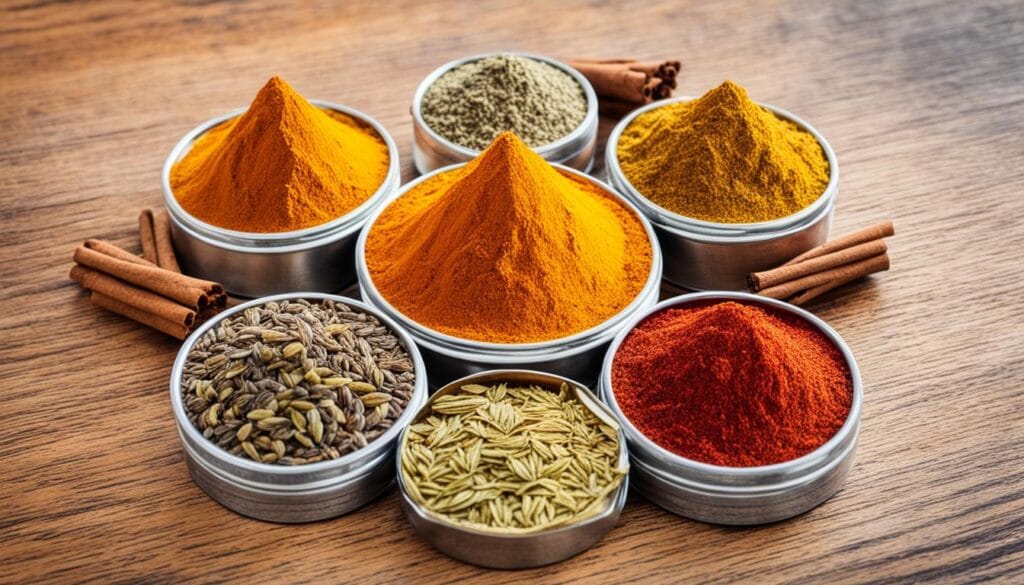
« Moroccan cuisine is a culinary symphony, where the harmonious blending of spices creates a symphony of flavors that transports the senses to the vibrant markets and bustling streets of this enchanting North African country. »
Traditional Moroccan Cuisine: Bread and Staples
Bread is a key part of Moroccan cuisine, with many types served at meals. The khobz, a round loaf, is a staple. It’s made from whole-meal or white flour and is always there, in homes and restaurants.
There’s more to Moroccan bread than just khobz. Batbout, like a pita, and msemen, a layered pastry, are favorites. They often come with fillings. Harcha, a semolina-rich bread, is a top choice for breakfast.
In Morocco, bread is seen as a gift from God. It’s handled with great respect. Stale bread is dried and given to the poor or animals.
« Bread is the staff of life in Morocco, and its preparation and consumption are imbued with cultural significance. »
Bread makes up about 30% of Moroccan meals. From the everyday khobz to the flaky batbout and msemen, these breads are the base of meals.
The variety of Moroccan breads shows the country’s rich culture. It comes from Berber, Arab, and European traditions. This mix has created a lively bread culture that’s key to Moroccan life.
Sipping on Moroccan Mint Tea
Moroccan mint tea, also called « Berber whiskey, » is the heart of Moroccan hospitality. It’s a fragrant and refreshing drink that’s key in Moroccan culture. You can find it in traditional homes, busy markets, or fancy places like the Mint tea lounge at the Four Seasons Hotel Casablanca.
Making Moroccan moroccan mint tea is an art. It starts with steeping Chinese green tea leaves with fresh spearmint and lots of sugar. Then, the tea is poured high up, creating a frothy head. This is a special way to bring out the tea’s best smells and tastes.
« Moroccan mint tea is a symbol of hospitality, often served with traditional Moroccan breakfasts and during significant events. »
The tea ceremony can last 30 minutes to an hour. It’s a time to enjoy the tea and talk with others. The tea is served three times, each pour tasting a bit different.
Moroccan teapots can handle high heat and are beautifully decorated. The tea is poured into small, colorful glasses. The tea trays are often made of silver or copper, making the experience even more special.
Moroccan moroccan mint tea is more than a drink; it’s a symbol of hospitality and tradition. Enjoying it in a Moroccan home, market, or a fancy hotel is a must. It’s a key part of the Moroccan food experience.
Experiencing Traditional Moroccan Cuisine in the USA
You don’t need to go to Morocco to taste traditional moroccan cuisine in usa. Many moroccan restaurants have opened in the United States. They offer a real taste of this rich food culture.
Looking for « Moroccan restaurants near me » can lead you to many options. You can try different dishes, spices, and traditions. From tasty tagines and couscous to sweet mint tea and pastries, these places bring Morocco to America.
If you want to cook Moroccan food at home, there are many resources. You can find cookbooks and online recipes. With the right ingredients and techniques, you can make Moroccan dishes in your kitchen. It’s like taking a trip to Morocco without leaving home.
« Moroccan cuisine is a tantalizing fusion of flavors, spices, and textures that have captivated foodies around the world. »
Whether you eat at a Moroccan restaurant or cook at home, trying moroccan cuisine in usa is exciting. You’ll discover vibrant colors, aromatic spices, and a rich cultural heritage. It’s a delightful and eye-opening experience.
The Fusion of Flavors in Traditional Moroccan Cuisine
Moroccan cuisine blends many cultures, mixing Berber, Arab, Mediterranean, French, Spanish, and Portuguese flavors. This mix makes Moroccan food unique and exciting. The use of spices, herbs, nuts, and fruits shows Morocco’s location on ancient trade routes. This allowed for the sharing of ingredients and cooking styles from far-off places.
Preserved lemons add a sweet touch, while harissa brings a spicy kick. Each ingredient in Moroccan dishes works together to create a burst of flavors. Dishes like tagine, couscous, pastilla, and harira soup show this blend. They mix traditional cooking with global tastes to make unique and tasty meals.
Spices are key in Moroccan cooking. Blends like ras el hanout and harissa add depth and heat to many dishes. Mint tea, a symbol of friendship, highlights the importance of tradition in Moroccan food.
Moroccan food is loved worldwide for its unique mix of flavors. This invites diners on a journey through Morocco’s rich history and diverse culture.
« Moroccan cuisine is a harmonious blend of diverse cultural influences, seamlessly fusing Berber, Arab, Mediterranean, French, Spanish, and Portuguese culinary traditions. »
| Dish | Description |
|---|---|
| Tagine | A traditional North African dish cooked in an earthenware pot, featuring a blend of meat, vegetables, and aromatic spices. |
| Couscous | The national dish of Morocco, made from semolina wheat and often served with stewed meat and vegetables. |
| Pastilla | A savory pie made with minced meat, eggs, and almonds, encased in a flaky pastry shell. |
| Harira | A traditional Moroccan soup made with lentils, chickpeas, and meat, often served during the holy month of Ramadan. |
Conclusion
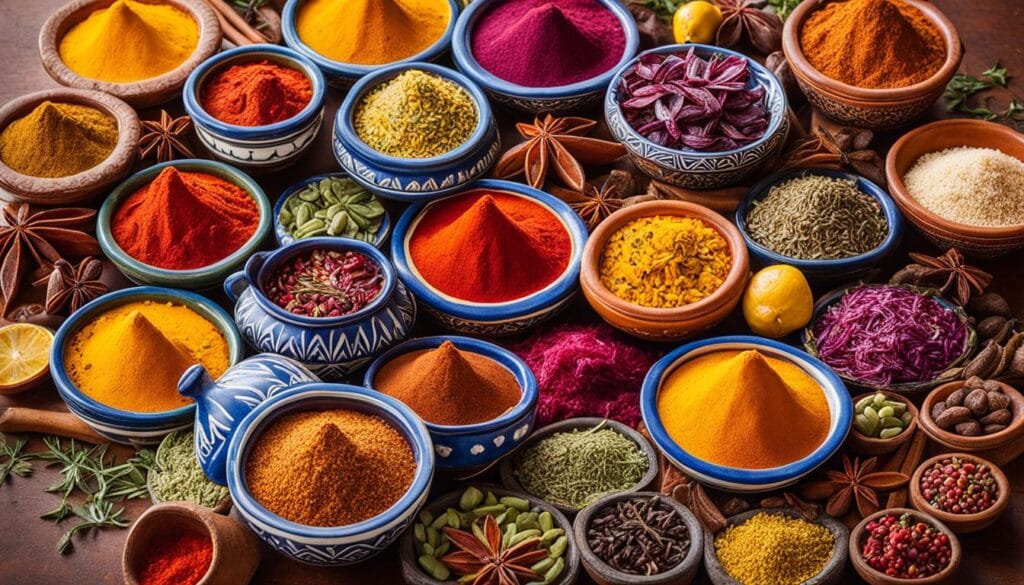
Moroccan cuisine shows off the country’s rich cultural mix. It sits at the crossroads of Africa, Europe, and the Middle East. With aromatic spices, slow-cooked stews, and fresh seafood, Moroccan food is unique and exciting.
Enjoy a traditional Moroccan breakfast or a hearty tagine or couscous lunch. Moroccan pastries are sweet and savory, each telling a story of the country’s culinary traditions.
If you can’t visit Morocco, try Moroccan restaurants in the USA. They offer a taste of the vibrant traditional Moroccan cuisine. You’ll find complex spice blends like ras el hanout and the communal way of eating.
Moroccan cuisine is evolving but still reflects Morocco’s diverse heritage. It’s a source of pride and interest for food lovers everywhere. Whether it’s traditional dishes or modern takes, Moroccan cuisine will continue to inspire and delight.