Have you ever wondered which adventurous destinations in Africa can truly ignite your wanderlust and provide unparalleled experiences? Africa, with its diverse landscapes and breathtaking wildlife, beckons thrill-seekers worldwide. From the vibrant heart of the Serengeti to the towering peaks of Mount Kilimanjaro, this continent offers a kaleidoscope of adventures that promise to captivate your soul.
Embark on an unforgettable journey and discover Africa’s top travel spots, ideal for adventurous Africa travel destinations, epic safari tours, offbeat routes, wilderness camping, and photography hotspots. Whether you’re navigating the tranquil waters of the Okavango Delta in a mokoro or trekking through the dense jungles of Uganda to glimpse elusive mountain gorillas, Africa is a realm where every adventure feels extraordinary.
Key Takeaways
- Lake Malawi boasts the world’s greatest diversity of freshwater fish species, featuring cichlids in stunning hues.
- The Simien Mountains provide breathtaking views, with peaks surpassing 4,000 meters.
- Uganda’s White Nile offers Class 5 rapids, making it a premier destination for adrenaline-pumping rafting.
- Gorilla trekking in Uganda and Rwanda requires permits ranging from US$700 to US$1,500 per person.
- The rock-hewn churches of Lalibela in Ethiopia, dating back to the twelfth century, are marvels of historical architecture.
Explore the Okavango Delta by Mokoro Safari
The Okavango Delta in Botswana, a UNESCO World Heritage Site and one of the Seven Natural Wonders of Africa, offers a tranquil yet exciting Mokoro safari experience. Traversing the intricate waterways in traditional dug-out canoes brings travelers closer to the thriving ecosystem and diverse wildlife unique to this expansive inland delta. For those seeking eco-lodges and cultural immersion, the Okavango Delta provides an unparalleled adventure.
Introduction to the Okavango Delta
The Okavango Delta comprises a network of meandering channels, lush vegetation, and serene lagoons. Traveling by mokoro, typically about 6m in length, is an iconic symbol of this rich landscape. These canoes navigate the main streams using long poles called ngashi to propel through the waters. Originally crafted from jackalberry, sausage, and mangosteen trees, modern mokoros are often made from molded fiberglass to conserve environmental resources.
Unique Wildlife and Ecosystem
This delta, flooded annually by waters from Angola, sees its levels peak between May and September. The landscape transforms into a water paradise during these months, stretching as far as the eye can see. The area’s islands vary greatly in size, from tiny palm-covered spots to expanses almost 1,000 square kilometers. Wildlife thrives here, with elephants, hippos, and over 400 bird species, including cranes, egrets, darters, and storks, making it their home. Mokoro adventures are best experienced between April and October.
The Experience of a Mokoro Safari
Embarking on a mokoro safari offers an immersive experience in the heart of the Okavango Delta’s ecology and culture. The Khwai River area is a fantastic spot for prime wildlife viewing through game drives and guided bush walks. Travel operators such as JENMAN African Safaris provide personalized Botswana Safari Tours to enhance the experience. Exploring this natural wonder aboard a mokoro not only connects visitors with nature but also supports local Botswana communities reliant on crafting these canoes for their livelihood.
| Aspect | Details |
|---|---|
| Best Time for Mokoro Safaris | April to October |
| Length of Mokoros | 6 meters |
| Flood Peak Season | May to September |
| Main Wildlife | Elephants, hippos, cranes, egrets, darters, storks |
| Bird Species | Over 400 |
| Traditional Mokoro Material | Jackalberry, sausage, mangosteen trees |
| Modern Mokoro Material | Fiberglass |
Trek Mount Kilimanjaro in Tanzania
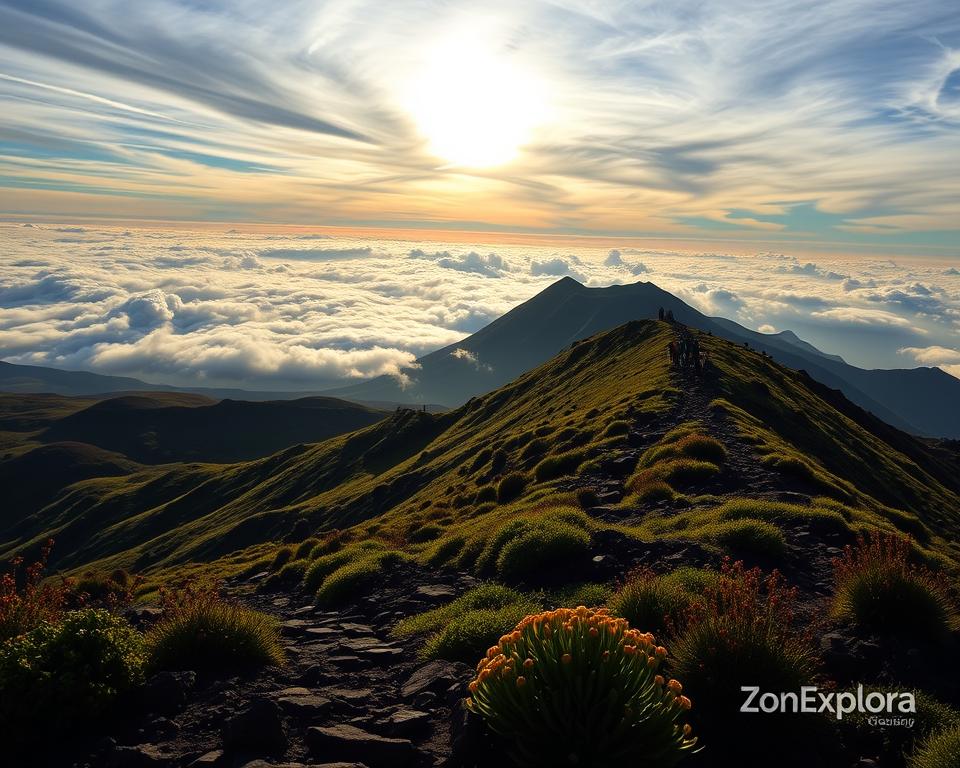
Mount Kilimanjaro, towering at an elevation of 19,341 feet above sea level, proudly holds the title of Africa’s highest peak. This magnificent freestanding mountain beckons climbers from across the globe, providing a thrilling challenge that ends with the awe-inspiring reward of panoramic views at Uhuru Peak, also known as the « Roof of Africa. »
The Machame Trek stands out as one of the most scenic routes, offering climbers a 10-day trekking expedition priced starting from $5,285. This challenging trek, varying between 2.5 to 8 miles per day, begins at Machame Gate with an elevation gain of approximately 4,000 feet during the initial 6-8 hour hike. Hikers will pass through diverse vegetation zones, including the lush moorland with spectacular vistas of the Shira Plateau and Mount Meru. Participants stay at comfortable tented camps equipped with dining areas and portable toilets, ensuring a mix of adventure and comfort.
Safety is a priority on this ascent, with essential equipment like oxygen, portable hyperbaric chambers, and oximeters provided to monitor blood oxygen levels. The culmination of the trek is the summit hike to Gilman’s Point and Uhuru Peak, requiring a seven-hour climb. To enhance the experience, the itinerary includes unique camping spots such as cave sites, adding a sense of adventure to the journey.
For those desiring an alternative, the Rongai route offers another 10-day option, starting from $5,467. This route also guarantees breathtaking scenery and a rewarding challenge. Throughout the climbs, trekkers are treated to views of neighboring Kenya and Amboseli National Park, offering incredible photography hotspots along the way.
Kandoo Adventures, renowned for their expertise, boasts a 95% success rate on every Kilimanjaro route they offer. With over 12,000 success stories since 2009, they ensure an accessible and well-supported ascent. Following the trek, participants can relish a three-night stay at the Zawadi Hotel, enjoying water sports, scuba diving, and relaxation by the beach, wrapping up an unforgettable African adventure.
Adventurous Africa Travel Destinations: The Best Spots for Safari Tours
For travelers seeking adrenaline activities, African safaris provide a unique and thrilling experience. The continent’s diverse landscapes, vibrant ecosystems, and rich wildlife make it an unparalleled destination for adventure enthusiasts.
The Magic of African Safaris
The magic of African safaris lies in their ability to immerse visitors in natural beauty and exciting wildlife encounters. From exploring Botswana’s premier wildlife-watching destinations to marveling at Kenya’s vast wilderness, these trips are unforgettable. Botswana, for example, banned commercial hunting entirely in 2014, ensuring a safe haven for its iconic fauna.
Popular Safari Destinations
Several African nations offer standout safari experiences. Botswana’s Chobe National Park, home to the world’s largest concentration of elephants, is a must-visit. The Okavango Delta is another standout with its exclusive and luxurious camps, ranging from $650 to $4000 per person per night. In Kenya, the Masai Mara National Reserve is an affordable spot to witness the Great Migration, with prices from $150 to $1000 per person per night. Additionally, South Africa’s Kruger National Park, covering around 7,500 square miles, presents a vast canvas for adventurous safaris.
Unique Safari Experiences
Different regions offer unique safari thrills. In Namibia, the Etosha National Park is renowned for its game-attracting waterholes. Self-driving safaris are popular here thanks to good roads and well-equipped campsites. Malawi’s Lake Malawi National Park supports around 200 mammal species, making it ideal for wildlife enthusiasts. For those interested in a diverse range of adrenaline activities, witnessing the Great Migration in Kenya from July to October is an extraordinary experience. Incorporate a visit to the key African travel destinations to enjoy cultural immersion and thrilling adventures simultaneously.
| Country | National Park | Special Features | Best Viewing Time | Cost Per Night (USD) |
|---|---|---|---|---|
| Botswana | Chobe National Park | Largest concentration of elephants | June to October | $650 – $4000 |
| Kenya | Masai Mara National Reserve | The Great Migration | July to October | $150 – $1000 |
| Namibia | Etosha National Park | Game-attracting waterholes | June to October | $40 |
| South Africa | Kruger National Park | Big 5 safaris | May to September | $150 – $750 |
Gorilla Trekking in Uganda and Rwanda
Gorilla trekking in Uganda and Rwanda offers a remarkable journey into the heart of Africa’s most captivating landscapes. This awe-inspiring adventure not only allows travelers to observe the majestic mountain gorillas in their natural habitats but also contributes to the conservation and protection of these endangered primates. With both countries providing unique experiences, it’s essential to understand what sets them apart and how to prepare for this unforgettable trek.
An Introduction to Gorilla Trekking
Gorilla trekking is a deeply immersive experience where adventurers trek through dense forests, guided by expert rangers, to discover gorilla families in the wild. Uganda’s Bwindi Impenetrable Forest and Rwanda’s Volcanoes National Park are two primary destinations. The cost of permits varies significantly, with Uganda charging $800 per person and Rwanda $1,500 per person. This disparity reflects the different trekking experiences and logistical factors in each country.
Top Spots to See Mountain Gorillas
Uganda’s Bwindi Impenetrable Forest offers a diverse ecosystem, spanning altitudes from 1,160 to 2,607 meters. This allows for a rich biodiversity that includes over 1,000 bird species, making it excellent for birdwatching enthusiasts. Alternatively, Rwanda’s Volcanoes National Park, with altitudes ranging from 2,400 to 4,507 meters, provides clearer views of gorillas in less dense vegetation. Both locations guarantee nearly a 99% chance of gorilla sightings, ensuring a memorable encounter with these gentle giants.
Preparation and Tips for Gorilla Trekking
Preparation is key for a successful gorilla trekking adventure. Travelers should opt for eco-lodges to minimize environmental impact and immerse themselves in the local culture. Packing essential gear like sturdy hiking boots, waterproof clothing, and insect repellent is vital. Given the physical demands of trekking, it’s recommended for participants to be at least 15 years old. Trekking during the dry seasons, from June to September and December to February, can enhance the overall experience. Booking flexibility, including reduced deposits and rescheduling options, makes it easier to plan an adventure that aligns with one’s schedule.