
Learning survival skills is key for handling emergencies or wilderness challenges. This guide will show you how to build fires, purify water, forage, and make shelters. It gives you the skills and confidence to tackle tough situations and keep safe.
If you love the outdoors, want to be ready for disasters, or just want to be more self-reliant, this guide is for you. It covers everything from basic survival to being mentally prepared. By learning these skills, you’ll become more resilient and ready for anything life throws your way.
Key Takeaways
- Understand the importance of developing essential survival skills for emergency situations and wilderness adventures.
- Learn techniques for building fires, purifying water, foraging for food, and constructing shelters using natural materials.
- Acquire first-aid knowledge and signaling methods to increase your chances of rescue and survival.
- Develop a survival mindset and mental preparedness to remain calm and adaptable in challenging environments.
- Explore the benefits of practicing these skills in a controlled setting, such as your own backyard, to build confidence and muscle memory.
Introduction to Survival Skills
In today’s unpredictable world, knowing survival skills can save your life. Whether it’s a natural disaster, a wilderness emergency, or an unexpected crisis, having these skills can help you stay safe. Mastering essential survival techniques can greatly improve your chances of survival.
Importance of Being Prepared
Survival skills are not just for adventurers or experienced outdoorsmen. They are vital for everyone. Humans can last three to five days without water, and dehydration can be deadly. Without proper shelter and warmth, exposure to the elements can also be dangerous.
Overview of Essential Skills
- Fire-making: Creating a reliable fire source for warmth, signaling, and cooking
- Water purification: Ensuring access to clean, potable water through boiling, filtering, and other methods
- Foraging and food procurement: Identifying edible plants and leveraging survival fishing and trapping techniques
- Shelter construction: Building structures using natural materials to protect against the elements
- First aid: Treating common injuries and medical emergencies with limited resources
- Signaling and navigation: Mastering methods to attract rescue and find your way in unfamiliar terrain
Learning these core survival skills and being self-reliant can give you the knowledge and confidence to handle tough wilderness survival situations. Whether you love the outdoors or just want to be prepared for emergencies, these skills are key. They help ensure your safety and well-being in crisis situations.
Building a Fire
Learning how to build a fire is key for survival. It gives you warmth, light, and a way to cook and purify water in emergencies. Knowing how to find dry tinder and kindling, and how to make sparks without matches, is crucial. It can save your life in the wilderness or during disasters.
Finding Dry Tinder and Kindling
First, you need the right materials for a fire. Dry tinder is key for starting the fire, and kindling helps it grow. Look for things like dry grass, leaves, pine needles, or bark that catch sparks easily. Don’t use wet stuff, as it won’t help start the fire.
- Collect different tinder like cotton balls, dryer lint, and wax paper to increase your chances of starting the fire.
- Find bigger kindling like twigs, small sticks, and dry wood to feed the fire.
- Set up the tinder and kindling so air can flow well, helping the fire grow.
Creating Sparks Without Matches
Having ways to make sparks without matches is important for survival. You can use a flint and steel, a magnifying glass, or friction methods to start a fire.
- Flint and steel: Hit the flint against the steel to make sparks that can light the tinder.
- Magnifying glass: Use the sun’s rays through the glass on a small, dry tinder material.
- Friction-based methods: Drill with a bow or hand drill to create heat and ignite the tinder.
Practice these fire-starting methods in a safe place, like your backyard. This will help you get good at it for emergencies. Having a fire can be a lifesaver in the wild or during disasters.
Creating Potable Water
Getting clean drinking water is key to survival. In emergencies or when you’re in the wilderness, making water safe to drink can save your life. Luckily, there are ways to make sure your water is safe.
Boiling and Filtering Water
Boiling water is a trusted way to purify it. Bring the water to a boil for at least 1 minute to kill harmful germs. This method works well at high places where water boils at a lower temperature. Also, using a filter with tiny pores can take out parasites and bacteria, making your water even safer.
Constructing a Solar Still
Building a solar still is another way to get clean water. This device uses the sun to pull water from the ground or plants, cleaning it through evaporation and condensation. You can make a solar still with simple items, making it great for dry or hard-to-reach places.
Learning how to purify water is crucial for survival. Knowing these methods helps you have safe drinking water, even when things get tough. Understanding these techniques prepares you for emergencies, both in the city and in the wild.
| Purification Method | Effectiveness | Time Required |
|---|---|---|
| Boiling Water | Kills bacteria, viruses, and protozoa | 1 minute at sea level, 10 minutes at higher elevations |
| Water Filtration | Removes parasites, protozoa, and bacteria | Immediate |
| Solar Still | Distills water, removing impurities | Several hours to produce a small amount of water |
Knowing how to purify water in the wild is vital. By learning to boil, filter, and make a solar still, you can always have clean drinking water, even in tough spots.
Foraging for Food
Foraging for edible plants is a key survival skill. It can give you a steady food source in the wild. Knowing which plants are safe to eat is vital. It can save your life in a survival situation.
With the right training and guides, foragers can tell safe plants from harmful ones. This way, they only pick plants that are good to eat.
The cattail is a great wild edible. You can find it near water and eat its roots and young shoots. Cattails are easy to harvest, making them perfect for survival.
Grasses are also full of nutrients. They give you proteins, chlorophyll, and minerals like magnesium, phosphorus, iron, calcium, potassium, and zinc.
Some conifer trees like Western Hemlock, Western Red Cedar, and Douglas Fir have edible sprigs in spring. You can eat them raw or make tea from them. Acorns from oak trees can be turned into flour after removing tannins. But, not all plants are safe to eat. The Pacific Yew conifer is poisonous and should be avoided.
Getting good at foraging in familiar places helps you gain the skills you need for survival. Knowing how to identify and prepare plants can be a lifesaver in the wild.
« Of those who sought medical attention for accidental consumption of poisonous mushrooms during 2016-2018, 8.6% had a ‘serious adverse outcome’. »
Adding foraged wild edibles to your diet can be a great way to get survival food, wilderness nutrition, and primitive living food. But, always be careful and know the plants in your area well to avoid eating something harmful.
Tying Knots
In the world of outdoor survival, knowing how to tie knots is key. It’s a skill that can save you in the wild. Whether you’re building a shelter, securing gear, or making tools, tying knots well can greatly improve your survival chances.
Essential Knots for Survival
The bowline, clove hitch, and sheet bend are must-know knots for survival. The bowline creates a secure loop, perfect for many tasks. The clove hitch has been around since the 1500s and is great for boating and camping. The sheet bend connects different lines well, making it useful in the outdoors.
Practicing Knot-Tying Techniques
Getting good at tying knots takes practice. The figure eight knot stops ropes from running out of grommets in climbing and sailing. The double sheet bend is a safer way to join two lines. For mountaineers, the Prusik knot helps with controlled rope ascents and rappelling.
Practice is the secret to mastering knot-tying, survival knots, and wilderness skills. Spending time to improve your bushcraft and outdoor survival skills will get you ready for any outdoor challenge.
| Knot | Usage | Strength | Ease of Tying |
|---|---|---|---|
| Bowline | Climbing, Sailing, Rescue | High | Moderate |
| Clove Hitch | Camping, Boating, Securing Loads | Moderate | Easy |
| Sheet Bend | Connecting Ropes, Emergency Repairs | High | Moderate |
Making a Weapon
In a survival situation, being able to defend yourself and find food is key. A slingshot is a great tool for these needs. It’s easy to make with things you can find, making it a must-have for survival.
Constructing a Slingshot
To make a slingshot, you need a forked branch or a wooden frame, rubber bands or inner tube strips, and a pouch. Choose a sturdy forked branch or cut a Y-shaped frame from hardwood. Attach the rubber bands or inner tube strips to the fork or frame, making sure they’re tight. Then, put the pouch in the middle of the rubber bands to finish your slingshot.
Practicing Aim and Accuracy
- Start by practicing with small stones or metal bearings to improve your aim and hand-eye coordination.
- Try different release techniques like the « butterfly » or « overhand » to see what works best for you.
- Set up targets at different distances and aim for them to get better at hitting your mark. This will make you more confident with your slingshot.
Getting good with a slingshot gives you a handy tool for defense and finding food in tough situations. By building and practicing with this simple weapon, you’ll boost your survival skills and be better prepared for outdoor challenges.
| Survival Weapon | Description | Advantages | Disadvantages |
|---|---|---|---|
| Naginata | A one-foot blade attached to a wooden staff, allowing for safe-distance cuts and stabs. | Increased reach compared to a sword, versatility in combat. | Requires more skill to wield effectively, potential difficulties in close-quarters encounters. |
| War Hammer | A homemade weapon created using an old hockey stick, U-bolt, and weight plates. | Effective for breaking locks, rescuing people, and fending off attacks. | Limited range, requires physical strength to use effectively. |
| Medieval Sling | A homemade sling made with paracord and materials from old shoes. | Increased projectile availability, ability to repel attackers. | Difficulty in aiming at fast-moving targets, requires practice to master. |
| Bola | A modified medieval sling using three evenly shaped rocks and paracord, designed to trip large animals or opponents. | Effective in bringing down large prey, versatile in targeting different sizes of opponents. | Requires specialized technique to use effectively, potential difficulties in retrieving the bola after use. |
| Spear | A versatile homemade weapon made with a stiff wooden pole, a sharp survival knife, and optional scrap metal and paracord for customization. | Useful for fishing, attacking opponents, and maintaining safe distances. | Requires more space and maneuvering compared to shorter weapons, potential difficulties in close-quarters combat. |
« Mastering the slingshot can provide you with a valuable tool for both self-defense and obtaining food in a wilderness or emergency scenario. »
Building a Shelter
Building a shelter in the wilderness is key to survival. A good shelter protects you from the weather and gives you a safe place to rest. To build a successful shelter, pick the right spot and use the materials you find.
Choosing the Right Location
Where you put your shelter is very important for your safety. Think about these things when picking a spot:
- Proximity to water sources: Make sure your shelter is close to a reliable water source.
- Terrain and potential hazards: Stay away from low areas that might flood or places with loose rocks or branches.
- Wind and sun exposure: Pick a spot that protects you from strong winds and gets enough sunlight for warmth and drying.
Using Natural Materials
To build a strong and warm shelter, be creative and know how to use the materials around you. Here are some tips:
- Use fallen tree branches, sticks, and leaves to make a frame for your shelter.
- Weave smaller twigs and branches for the walls and roof to keep out the elements.
- Insulate your shelter with leaves, moss, or other materials to keep warm.
- Check your shelter’s stability and add support if needed.
Practice building shelters in a safe place to get ready for emergencies. A good shelter keeps you warm, dry, and safe.
Basic First Aid
Knowing basic first aid can save lives in the wilderness or an emergency. It helps you handle injuries and serious medical issues. This section teaches you key skills for first aid situations. It helps you take charge and boost your survival chances.
Treating Common Injuries
It’s important to know how to treat injuries like cuts, scrapes, and burns. First-degree burns are treated with cool water. Second-degree burns need a sterile dressing. Third-degree and fourth-degree burns require quick medical help.
For sprains, fractures, and dislocations, immobilize the area to prevent more damage. Knowing how to treat these injuries can save lives.
Improvising Medical Supplies
Being able to make your own medical supplies is key in emergencies. You can make bandages and splints from what you have. Knowing how to handle anaphylactic shock and having an EpiPen is also crucial.
Learning first aid basics, like assessing injuries and giving CPR, is vital. Being prepared and skilled can make you more self-reliant in emergencies. It helps your group or community stay safe.
« Immediate and effective first aid can mean the difference between life and death in a survival situation. Developing these essential skills is a critical component of emergency preparedness. »
Fishing and Trapping
In a survival situation, getting food from nature is key. Fishing and trapping small game can give you a steady source of protein. This section covers the basics of fishing and trapping to help you survive when every bite counts.
Setting Snares for Small Game
Trapping small animals like rabbits, squirrels, and birds can add to your diet. Use materials like parachute cord or natural fibers to make snares. Put them in places where animals often go, like trails or near food spots. With practice, you can catch small game easily and efficiently.
Survival Fishing Techniques
Fishing is a great way to find food in the wild. Learn how to make hooks and build traps and nets from what you find. Tidal traps and trotlines are good for fishing without much effort. They let you set up your gear and do other things while waiting for fish.
| Fishing Method | Estimated Practice Time | Estimated Caloric Yield |
|---|---|---|
| Basic Rod and Reel | 12 hours | 1,232 – 2,416 calories per fish |
| Primitive Funnel Trap | 5 hours | 1,500 calories per day |
| Trotline | 18 hours | 1,232 – 2,416 calories per fish |
Learning these survival fishing and trapping skills can give you a steady food supply. It helps you stay self-sufficient in emergencies or survival situations.
Survival
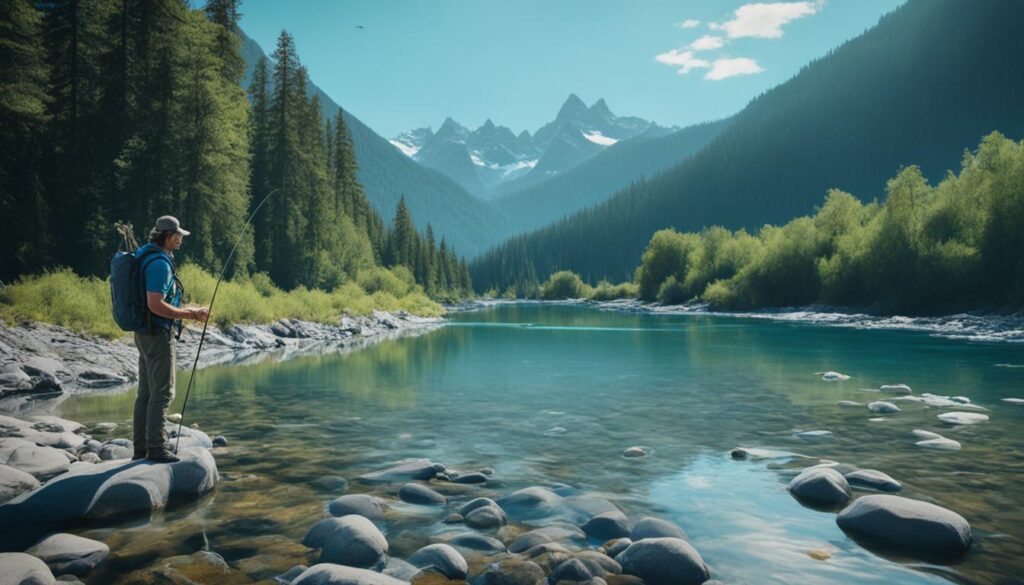
Surviving in the wild or during an emergency means more than just knowing how to build shelters and find food. It’s also about staying calm, thinking clearly, and making good decisions. You need to know yourself, manage stress, and be ready for the unexpected.
Survival is not just about being strong physically. It’s also about staying calm, thinking clearly, and making good choices when things get tough. You need to understand yourself, handle stress, and be open to change.
At the core of survival is self-reliance. Learning skills like making fire and first aid can help you survive. But, true survival also means taking care of your mind and heart. It means having a positive outlook and being strong in yourself, even when living off the grid.
« The true essence of survival lies not only in the mastery of physical skills, but in the cultivation of a resilient spirit that can adapt and thrive in the face of uncertainty. »
Surviving well means looking at the whole picture, not just the physical part. It’s about staying true to yourself, finding purpose, and coming out stronger after tough times.
- Learn key survival skills like making fire, purifying water, and building shelter.
- Work on your mental toughness with meditation, mindfulness, and other techniques.
- Take care of your feelings by doing things that help you stay in control, connect with others, and have a purpose.
- Have a survival mindset that means being flexible, solving problems, and learning from tough times.
- Keep believing in your ability to get past tough situations, no matter how big they seem.
By focusing on survival in a complete way, you boost your chances of making it through hard times. You also build inner strength and resilience to handle life’s surprises.
Reading Terrain and Weather
Learning to read the terrain and weather is key to surviving tough environments. It helps you make smart choices and predict weather changes. This is vital for staying safe in the wild.
Interpreting Cloud Patterns
Clouds can tell you a lot about the weather. For instance, tall cumulus clouds might mean a storm is coming. Cirrus clouds high up often signal a warm front, which can change the weather. Knowing these patterns helps you get ready for different weather.
Navigating Without a Compass
Even without a compass, you can figure out where you are and where you’re going. Look at the sun, the land, and natural signs to help you. Using maps with contour lines and understanding elevation can also guide you.
| Terrain Feature | Observation Tips |
|---|---|
| Contour Lines | Contour lines on maps show elevation changes. They help you see the land’s shape and plan your path. |
| Map Scale | The map’s scale shows how far distances really are. A 1:12,000 scale means 1 inch on the map is about 0.2 miles in real life. |
| Magnetic Declination | This tells you the difference between true and magnetic north. It’s key for setting your compass right. |
Understanding terrain, clouds, and how to navigate improves your wilderness navigation, survival navigation, and off-grid navigation skills. It boosts your chances of safely getting through tough terrain reading and weather interpretation situations.
Signaling for Rescue
In a wilderness emergency, knowing how to signal for help can save your life. Learning to make smoke signals and use reflective surfaces is key to getting noticed by rescuers.
Creating Smoke Signals
Creating thick, visible smoke is a reliable way to signal your location. Start by gathering dry materials like leaves, twigs, or paper. Build a small fire pit and add the fuel slowly to make a lot of smoke. Don’t use wet or green wood as it won’t make much smoke.
Practice controlling the fire to make the right signal.
Using Reflective Surfaces
Reflecting sunlight with a shiny surface can be a strong signal. Carry a signal mirror or something shiny and practice aiming it at the sky or planes. The goal is to make a quick, bright flash to catch rescuers’ eyes.
Wearing clothes that are bright or reflective can also help you stand out in the wild.
Being good at survival signaling means being prepared and practicing. Learn these methods and test them in safe places before you go into the wilderness. Having the right distress signals and knowing how to use them can save your life in a wilderness rescue situation.
« Three whistle blasts, three gun shots, or three fires in a row are the internationally recognized signals for distress. »
In an emergency, your ability to signal for rescue is crucial. Mastering these off-grid communication skills can greatly increase your chances of being found and saved.
| Signaling Method | Advantages | Limitations |
|---|---|---|
| Smoke Signals |
|
|
| Reflective Surfaces |
|
|
Mental Preparedness
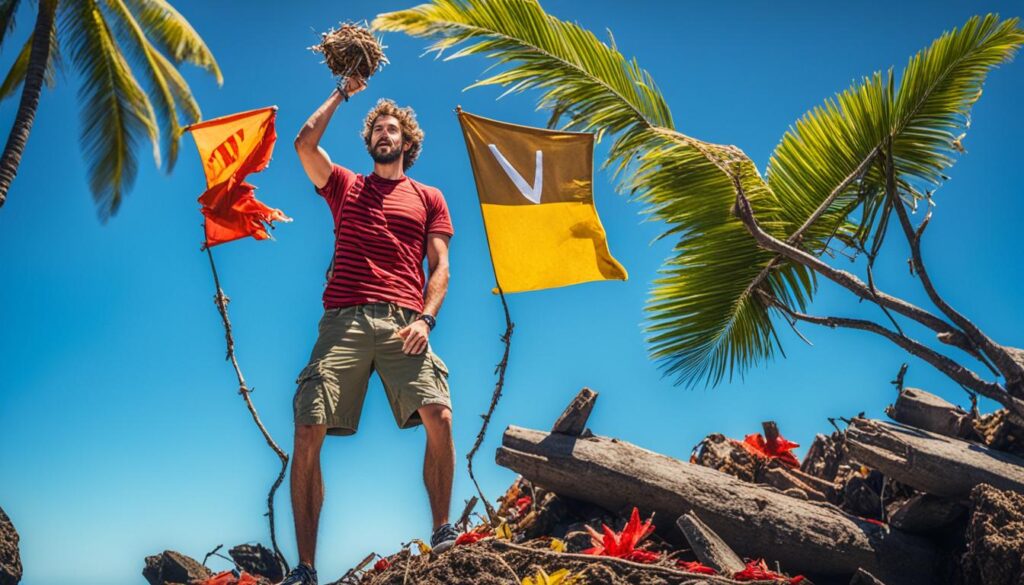
Surviving in the wilderness is more than just being physically strong. It’s about having a strong mental preparedness to handle uncertainty. By building a strong survival psychology, adventurers can think clearly and stay determined in emergencies.
Staying Calm in Emergencies
When an emergency happens outdoors, it’s easy to feel overwhelmed. But using emergency coping methods like deep breathing and positive thoughts can help. These strategies train your mind to stay calm and focused, making it easier to make safe choices.
Developing a Survival Mindset
- Embrace a wilderness mindset that thrives on adaptability and problem-solving.
- Foster a sense of mental toughness that allows you to persevere through discomfort and adversity.
- Cultivate a positive attitude and unwavering determination to overcome any challenge.
- Regularly engage in scenario-based training to build confidence and refine your survival skills.
Building strong mental preparedness helps outdoor lovers do their best in survival situations. This approach to exploring the wilderness makes people more resilient and resourceful. It helps them face challenges with resilience and a strong will to succeed.
« The true essence of survival lies not just in the physical, but in the strength of the mind and spirit. »
Conclusion
Learning key survival skills is vital for the unexpected. Knowing how to build a fire, purify water, forage, build a shelter, give first aid, and signal for help can help you survive in the wilderness or during an emergency. These skills need both practical knowledge and strong mental strength.
Start your journey of learning and practicing these important skills. This will make you a self-reliant, strong, and ready person for any challenge. Whether you’re improving your off-grid living skills or getting ready for emergencies, these survival skills will give you the power to overcome obstacles.
By building a survival mindset and improving your skills, you can become a true self-reliant and resilient person. You’ll be able to handle tough situations. Start this journey of personal growth and you’ll soon be a master of wilderness survival.