
Earth’s orbit is filled with old satellites, rocket parts, and other space junk. This junk is a big risk to our space missions now and in the future. Today, we launch 10 times more missions than we did 10 years ago. But, we’re not following space debris guidelines as much as we should.
Even if we stopped launching new missions, the debris would still grow. This happens because four to five big pieces break apart every year. Soon, some areas in space might be too crowded to use, which could stop us from exploring space in the future.
The European Space Agency (ESA) has a plan to fix this problem. They want to reduce space debris in Earth and lunar orbits by 2030. Their « Zero Debris approach » includes many steps to prevent and remove space junk. These steps include designing spacecraft to break apart safely, managing space traffic, and making global rules for space debris.
Key Takeaways
- Earth’s orbit is getting more crowded with space junk, which is a big risk for our space missions.
- The European Space Agency has a « Zero Debris approach » to cut down on orbital debris by 2030.
- This plan includes many ways to prevent and remove space junk, like designing spacecraft to break apart safely and making global rules.
- We need to work together to keep space safe and open for the future.
- Tracking and removing space junk is key to keeping Earth’s orbit safe for future space activities.
Understanding the Issue of Orbital Debris
Orbital debris, or space junk, is any human-made object in space that is no longer needed. This includes old spacecraft, rocket parts, and debris left on purpose. There are over 25,000 objects bigger than 10 cm up there, which is a big problem for space activities.
What is Orbital Debris?
Orbital debris includes many human-made objects in space. This includes satellites, rocket parts, and even tiny paint pieces. There are about 500,000 objects between 1 and 10 cm big, and over 100 million smaller than 1 mm. By January 2022, more than 9,000 metric tons of material was orbiting Earth.
Sources and Composition of Orbital Debris
Big pieces of debris often come from when satellites explode or collide. One-third of all debris came from China blowing up a weather satellite in 2007. Another big event was when two satellites, one American and one Russian, hit each other in 2009.
Other debris comes from rocket parts, paint chips, and things thrown out on purpose. These can be from when spacecraft break apart or are released on purpose.
| Debris Source | Percentage of Total Debris |
|---|---|
| Satellite Explosions and Collisions | Approximately 33% |
| Solid Rocket Motor Effluents | Unknown |
| Paint Flecks | Unknown |
| Intentionally Released Debris | Unknown |
The most debris is near 750-1000 km high, where many satellites are. Even though hitting a big piece of debris is rare, smaller pieces can still cause problems. These small pieces hit satellites often, but usually don’t cause harm.
The Growing Threat of Orbital Debris
More spacecraft and launch activities mean more space debris is being created. Launch rates are now 10 times than they were a decade ago. But, we’re not following space debris rules as much as we should.
Even if we stopped launching new missions, debris would still increase. This is because four to five big pieces break apart every year.
Increasing Launch Rates and Debris Generation
This could make some areas in space unusable because of too much debris. Since 1957, over 6,300 rockets have launched, putting nearly 15,000 satellites in orbit. Now, about 10,000 satellites are up there, with a third not working or defunct.
Risks to Space Operations and Infrastructure
The International Space Station (ISS) moves away from debris about once a year. Critical parts of the ISS can handle debris up to 1 cm in size. But, there’s a small chance a key part could get hit by debris 1-10 cm in size.
Efforts are being made to lower this risk. There are about 32,000 objects over 10cm in LEO, with most being small pieces.
Space debris is a big threat to our space operations and important structures like the ISS. With more launches, we need to work together to stop debris from building up. This will help keep space safe for future use.
« There may be as many as 170 million pieces of debris in orbit, with the vast majority too small to track due to limits in current technology. »
| Debris Removal Method | Estimated Cost per Kilogram |
|---|---|
| Tug Reentry | ~$4,000 to ~$60,000 |
| Physical Sweeping | $90,000 to $900,000 |
ESA’s Zero Debris Approach
The European Space Agency (ESA) has launched the « ESA Zero Debris approach » as part of ESA Agenda 2025. This plan aims to greatly reduce debris in Earth and lunar orbits by 2030. It will apply to all ESA’s future missions and activities.
Agenda 2025 and New Mitigation Guidelines
ESA introduced new guidelines for space debris in November 2023. These rules make ESA missions leave less debris in orbit. They help ensure ESA doesn’t add to the space debris problem.
The ESA Zero Debris approach updates rules for ESA missions and partnerships. A study with 270 ESA experts, industry, and academia suggested eight ways to reach Zero Debris by 2030.
ESA’s plan suggests keeping objects in orbit under five years and avoiding collisions with large debris. It also calls for preventing satellite break-ups and the intentional release of debris. This will help keep space safe and quiet.
The ESA Zero Debris initiative encourages the space sector to create technologies for a safer sky. With more satellites launched recently than in all of space history, this is crucial.
« The Zero Debris approach aims to significantly limit the production of debris in Earth and Lunar orbits by 2030 for all future missions, programs, and activities. »
Key Objectives of Space Debris Mitigation
As more objects go into space, agencies like the European Space Agency (ESA) have set rules to deal with space debris. ESA’s plan has three main goals: make sure spacecraft are safely removed, keep orbits clear, and prevent collisions in space.
Guarantee Successful Disposal
ESA’s rules make sure at least 90% of space objects are safely removed from orbit. They also require new missions to have plans for removing spacecraft if they can’t do it themselves.
Improve Orbital Clearance
ESA has cut the time new missions can stay in safe orbits from 25 years to 5 years. They also have tougher rules for satellite constellations.
Avoid In-Orbit Collisions
With more space activity, the chance of collisions in orbit has gone up. ESA’s new rules call for better ways to avoid collisions. This includes automation, coordinating space traffic, and new ways to communicate.
ESA’s efforts help keep space safe for future use. They want to make sure space stays open for exploration and use for a long time.
Preventing Internal Break-ups and Accidental Releases
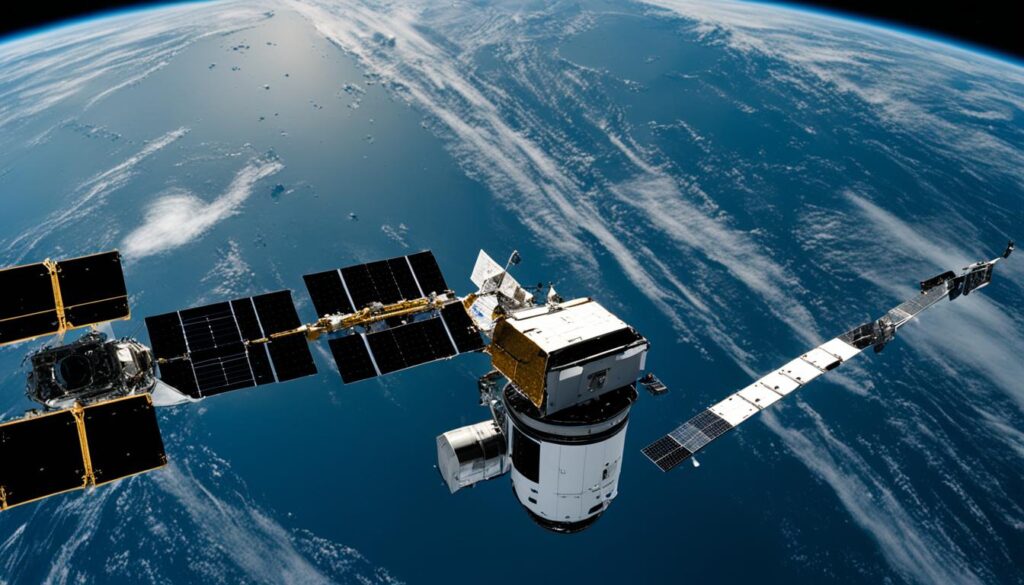
The number of satellites in space is growing, making the risk of break-ups and debris releases a big worry. ESA’s new space debris mitigation guidelines aim to tackle this with a detailed plan.
First, the guidelines improve satellite health monitoring to stop internal break-ups. By keeping a close eye on satellites, operators can fix problems early. They also use strong passivation techniques to make sure satellites don’t break apart after use.
Second, the guidelines stress the importance of not releasing objects on purpose. Things like covers, lens caps, and rocket fairings are needed but can become space junk if not handled right. The goal is to find ways to keep or dispose of these items safely, avoiding harm to other satellites.
It’s vital for space agencies and satellite operators to follow these steps. Doing so helps keep space safe for future use. As space tech grows, taking steps to stop break-ups and debris is key to exploring and using space safely.
Assessing Casualty Risks and Preserving Astronomy
The European Space Agency (ESA) is working hard to tackle two key issues. They focus on assessing risks on the ground and protecting astronomy. This is part of their efforts to manage space debris.
On-Ground Casualty Risk Assessment
Objects coming back from space can be dangerous to people and buildings on Earth. ESA is creating better tools to figure out the risk of these objects. This helps make sure missions end safely, reducing the chance of harm.
Protecting Dark and Quiet Skies
There are more objects in space now, which can harm astronomy. ESA is taking steps to lessen this impact. They want to keep the skies dark and quiet for scientists to study the universe.
| Measurement Type | Description |
|---|---|
| Ground-based Radar | Paragraphs 12-25 |
| Ground-based Optical | Paragraphs 26-31 |
| Space-based Retrievals and Detectors | Paragraphs 32-40 |
| Space-based Measurements | Paragraphs 41-45 |
ESA’s work is important for many reasons. It helps protect people and space missions. It also keeps the skies clear for scientists to make new discoveries.
space debris prevention measures Beyond Low-Earth Orbit
The European Space Agency (ESA) is now focusing on preventing space debris beyond low-Earth orbit. They know it’s important to protect orbits used by GNSS constellations and lunar orbits. These orbits are key for modern space tech and exploring space.
ESA is changing its rules to tackle debris in these new areas. Keeping GNSS orbits safe is key because they help with navigation and timing for many things. Protecting lunar orbits is also crucial as we send more missions to the Moon.
Efforts to prevent space debris are being made for orbits beyond low-Earth orbit. This helps keep these important areas safe for future space tech and human space travel.
| Orbital Regime | Key Objectives | Mitigation Strategies |
|---|---|---|
| GNSS Constellations | Ensure long-term sustainability of navigation and timing services |
|
| Lunar Orbits | Protect the growing infrastructure and missions in the Moon’s vicinity |
|
By tackling space debris beyond low-Earth orbit, we can keep these important orbits safe. This lets us keep improving space tech and exploring the Moon and beyond.
« Protecting orbits beyond low-Earth orbit is crucial for the future of space-based technologies and exploration. ESA’s adaptive approach to debris mitigation is a crucial step in safeguarding the accessibility and usability of these critical orbital domains. »
International Collaboration and Standards
Working together globally is key for sustainable space use. The European Space Agency (ESA) has set new rules for space debris. These rules are based on international standards set in 2002 by the Inter-Agency Debris Coordination Committee (IADC). The UN followed with its own guidelines in 2007.
These guidelines make sure everyone plays by the same rules in space. They help keep space safe for all. Experts at ESA work hard to keep improving these rules. They know we need to work together to deal with space debris.
Inter-Agency Debris Coordination Committee (IADC)
The IADC started in 1993 with 13 major space agencies. They set the Space Debris Mitigation Guidelines in 2002. These guidelines are now the standard for space agencies and organizations like the UN and ISO.
- Over 100 experts from around the world meet every year to share findings and talk about space debris.
- The IADC works on things like tracking debris, studying how it grows, and figuring out how to safely remove it from orbit.
- Their work helps make space safer, encourages new ideas, and ensures we can keep using space for a long time.
UN Space Debris Mitigation Guidelines
The UN Space Debris Mitigation Guidelines came out in 2007. They use the IADC’s work to create global rules for dealing with space debris. These rules help all countries use space responsibly.
« The IADC’s impact extends to guiding commercial space traffic management systems, in-orbit servicing markets, and sustainable resource use in the cislunar environment. »
Following these international standards helps space agencies and companies work together. This way, we can reduce the risks from space debris and keep space safe for the future.
Active Debris Removal and Remediation Technologies
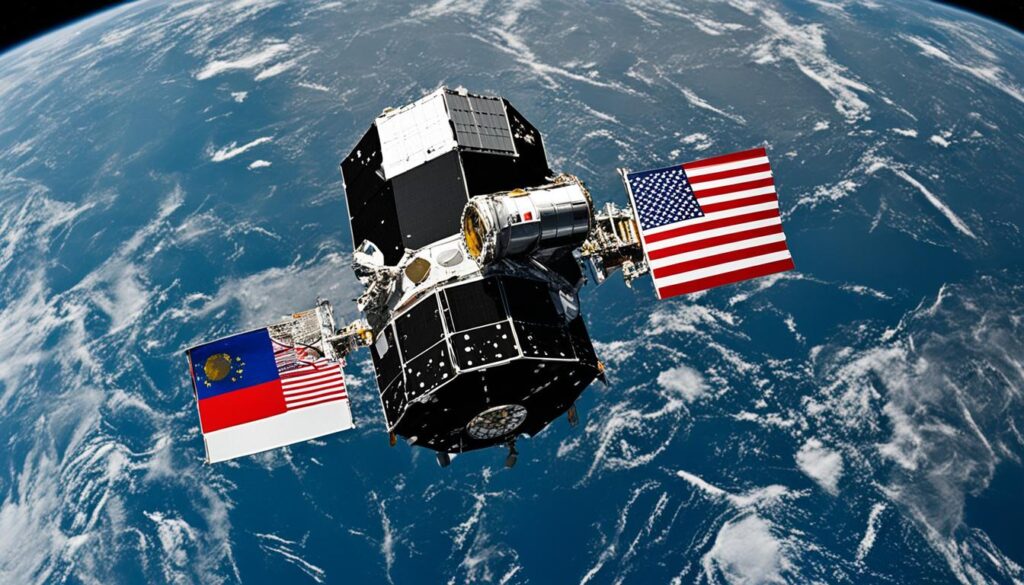
The European Space Agency (ESA) is working hard to make space debris-free. They’re using their Clean Space initiative to study how space tech affects the environment. They’re also helping create new tech for safe, sustainable space use.
ESA’s Clean Space Initiative
ESA’s Clean Space focuses on making satellites safe at the end of their life and removing big space debris. They want to stop the 3,200 objects in low-Earth orbit from causing more harm. This will help protect our space for the future.
Debris Tracking and Monitoring
ESA is also working on tracking and monitoring space debris. They’re using lasers to spot and maybe remove small pieces. This will help us understand the changing space environment better.
Tracking space debris needs a lot of money for big telescopes and radars. Most small debris can’t be tracked yet. But, stopping debris before it starts is key. We need to work on removing debris to keep space safe.
« Continuous removal actions starting in 2060 are estimated to have only 75% of the beneficial effect compared to an immediate start in addressing space debris growth. »
ESA’s Clean Space initiative is fighting the space debris problem with new tech and teamwork. They’re making space safer for future exploration and use.
The Zero Debris Technical Booklet
The European Space Agency (ESA) is working on the « Zero Debris Technical Booklet. » This guide aims to help the space community use space debris mitigation technologies and space debris mitigation approaches. It will be a key resource for these efforts.
This booklet will list the needs, solutions, and contributions from the Zero Debris community. ESA is leading this effort to make space more sustainable by 2030.
ESA has teamed up with Airbus Defence and Space, OHB, and Thales Alenia Space. These companies will create large satellites for low Earth orbit that follow Zero Debris standards. This is a big step towards a space without debris.
Creating these satellites will take about 18 months, starting in June 2024. The process will include a System Requirement Review (SRR) phase. During this time, the best technical options for the satellites will be chosen.
The Zero Debris Technical Booklet will keep growing as new technologies and ideas come up. ESA wants to make it a key place for the latest in space debris mitigation. This will help the industry move towards a sustainable future in space.
« The development of the Zero Debris Technical Booklet is a crucial step in our collective journey towards a sustainable space environment. By bringing together the expertise and innovations of the global space community, we can create a roadmap for a debris-free future. »
NASA’s Orbital Debris Mitigation Efforts
Managing the growth of space debris is crucial for NASA and other space agencies. They want to keep near-Earth space safe for future use. NASA leads in solving this problem by setting rules to reduce space debris.
NASA’s Orbital Debris Mitigation Guidelines
In 1995, NASA set the first set of rules for space debris. These rules were adopted by the U.S. Government. They cover how to design spacecraft and launch vehicles, and how to dispose of them at the end of their life to prevent new debris.
End-of-Mission Disposal Practices
How NASA disposes of spacecraft at the end of their mission is key to reducing space debris. They either send them back to Earth or put them into a safe orbit. This way, they don’t add to the space debris problem. NASA’s careful disposal helps keep space safe for future use.
NASA also has special rules and tools to help with this. For example, NASA-STD-8719.14 and the Debris Assessment Software guide spacecraft and launch vehicles. These ensure they don’t create too much debris.
| Key Orbital Debris Statistics | Value |
|---|---|
| Pieces of orbital debris larger than 10 cm | More than 21,000 |
| Estimated particles between 1-10 cm in diameter | Approximately 500,000 |
| Particles smaller than 1 cm in Earth’s orbit | Over 100 million |
| Average impact speed of orbital debris | Approximately 10 km/s |
NASA and other agencies are tackling the orbital debris problem head-on. They aim to keep space safe for future missions and exploration.
Conclusion
The threat of space debris is growing and threatens the safe use of Earth’s orbit. Space agencies like the ESA and NASA are working together to protect space. They aim to keep space safe for now and the future.
They follow strict rules, like the UN Space Debris Mitigation Guidelines and ESA’s Agenda 2025. They also work together through groups like the Inter-Agency Debris Coordination Committee (IADC). This helps them move towards a « Zero Debris » future.
Investing in new technologies is key to keeping space safe. These include systems to remove debris and better tracking and monitoring. This helps us keep using space for services and exploration.
As space use grows, being responsible is crucial. By working together, we can tackle the debris problem. This will keep space safe for future generations.