
Looking for a pet? You have many choices, from furry to scaly, big to small. Finding the right small pet means thinking about what fits your life and home. This article will help you pick the perfect small pet.
About 68% of U.S. homes have a pet, showing how much we value companionship. In the last 10 years, the NIH and Mars Corporation have funded studies on pets and humans. These studies found that pets can lower stress and blood pressure.
Therapy dogs help reduce stress and anxiety in hospitals. Children with autism feel calmer and make better friends with guinea pigs. Pets bring joy and improve our lives in many ways.
Key Takeaways
- Small pets can provide companionship and improve mental and physical well-being.
- Researching different small pet options, their needs, and your lifestyle is crucial for a successful match.
- Small pets offer a range of personalities and characteristics to suit various preferences and living situations.
- Proper care, socialization, and safety measures are essential for a rewarding small pet experience.
- Incorporating small pets into your daily routine can bring unexpected moments of joy and happiness.
Understanding the Allure of Small Pets
Small pets bring a special kind of joy and charm into our lives. They need less time and care than big pets but still want our attention every day. From hamsters and guinea pigs to rabbits and gerbils, these small friends offer companionship, help reduce stress, and encourage us to move more.
Why Small Pets are Perfect Companions
Small pets are great companions because they are easy to carry, love to cuddle, and don’t need a lot of space. Small dogs fit well in apartments because they don’t need much exercise and love to snuggle. They’re also easy to take with you and fit into your daily life.
The Benefits of Owning a Small Pet
- Reduced stress and anxiety: Being around small pets can lower your blood pressure and heart rate, making you feel calmer.
- Increased physical activity: Taking care of a small pet, like walking a guinea pig or playing with a hamster, gets you moving.
- Enhanced social skills: Small pets, especially in schools, help kids learn about empathy, responsibility, and how to interact with others.
It’s important to know the special needs and traits of different small pets before bringing one home.
« Small pets can bring a sense of joy and companionship to our lives, while also offering valuable health and educational benefits. »
| Small Pet Breed | Lifespan | Size | Exercise Needs |
|---|---|---|---|
| Hamster | 2-3 years | 4-7 inches | Moderate |
| Guinea Pig | 5-7 years | 8-10 inches | Moderate |
| Rabbit | 8-12 years | 10-20 inches | High |
| Gerbil | 2-4 years | 4-6 inches | High |
Assessing Your Lifestyle for a Small Pet
Before getting a small pet, think about your lifestyle and where you live. Things like space, daily routine, and how much time you can spend with your pet are key. These factors help pick the right small pet for your home.
Space and Living Conditions
Space is key for small pets. Animals like hamsters and mice do well in small cages. But, rabbits and guinea pigs need more room to move around. Think about how much space you can give your pet and if it fits their needs.
Time Commitment and Availability
Looking after a small pet takes a lot of time. You’ll need to feed, clean, and spend time with your pet every day. If you’re always busy or travel a lot, a hamster might be better than a guinea pig. Make sure you can give your pet the care it needs before choosing one.
Also, think about allergies, pet energy levels, and how long they live. By looking at small pet lifestyle considerations, small pet space requirements, and small pet time commitment, you can pick the best pet for you and your family.
Small Pets: Diverse Personalities and Needs
Small pets come in many forms, each with its own personality and care needs. Some, like rats and ferrets, love being around people. Others, such as hedgehogs and chinchillas, prefer to be alone or are shy. It’s important to know what each pet needs to make a good home for them.
Now, 5% of U.S. homes have a small pet, up from 4% in 2018. Gen Z-ers are leading the trend, with 15% owning small pets in 2020. This shows how much people like the personalities and needs of small pets.
Millennials own 35% of America’s small pets, while baby boomers own just 7%. The average age of small pet owners is 37, and they often rent rather than own homes. Younger people like small pets for their size and easy care.
« Small pet owners care for their pets’ emotional well-being, evident in provisions made in wills for the pets’ care and frequent giving of treats, toys, and gifts. »
Small pets have different personalities and needs, appealing to various people. Knowing these differences is key for those thinking of getting a small pet. It helps make sure they and their pets live well together.
Popular Small Pet Options
Hamsters and guinea pigs are top picks for small pets. They have unique personalities and care needs. These pets fit different lifestyles and preferences.
Hamsters: The Tiny Furballs
Hamsters are tiny and full of energy. They love to tunnel and explore in cozy burrows. These pets live about three years, making them a good choice for those with less space.
Guinea Pigs: Social and Adorable Squeakers
Guinea pigs are social and make cute squeaks. They live five to seven years and do well in pairs or groups. They need a big space and lots of fresh veggies to stay healthy and happy.
Hamsters and guinea pigs both make great small pets. Hamsters are perfect for those with little space and like quiet pets. Guinea pigs are ideal for those who want a social and long-term friend. The right choice depends on your lifestyle and how much time you can dedicate to your pet.
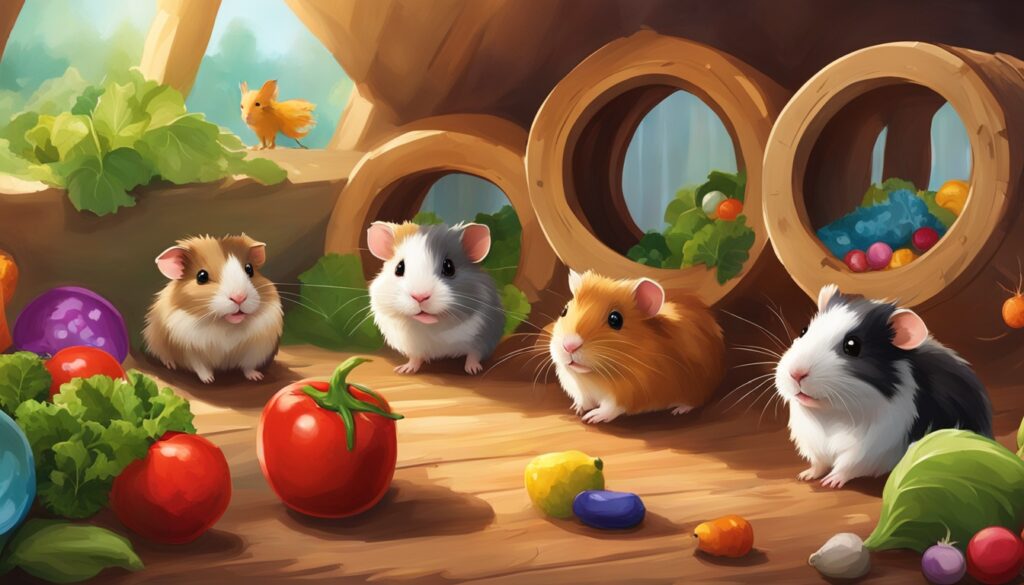
Rabbits: More Than Just Fluffy Companions
Rabbits as pets are not as easy to care for as many think. They are smart, social animals that need mental and physical activity. They also need a balanced diet to be healthy and happy. Owning a rabbit is a big responsibility, but the bond with them is very rewarding.
Rabbits are most active at dawn and dusk. They keep themselves clean and only need some grooming a few times a week. They can learn to use a litter box quickly, making them a good choice for small living spaces.
Rabbits show their feelings through behaviors like joyful jumps and relaxed flops. They are smart and can learn tricks and adjust to their home. They can live 8-12 years with the right care, making them a long-term pet.
| Rabbit Breed | Size | Lifespan | Temperament |
|---|---|---|---|
| Dwarf Rabbit | Small | 8-12 years | Gentle, Playful |
| Flemish Giant | Large | 5-8 years | Calm, Docile |
| Dutch Rabbit | Medium | 8-12 years | Curious, Energetic |
Rabbits can learn to do tricks, like running through an obstacle course or fetching. They can live in various homes, needing a crate with the right comforts. However, introducing them to other pets needs careful supervision and training.
When thinking about caring for rabbits, it’s key to learn about the needs of different breeds. With proper care, these pets can bring great joy and make your life richer.
Rats: Intelligent and Affectionate Friends
Rats are often misunderstood, but they make great pets for those who take the time to connect and train them. They are smart and loving, making them wonderful friends that add joy and unique experiences to our lives.
You can find domestic rats as pets at big pet stores for about $14 each. Or, you might adopt a rescued rat from groups like Mainely Rat Rescue, which has foster homes in the Northeast. It’s best to keep rats together in the same cage, especially if they are the same sex.
Looking after rats as pets means giving them a diet low in fat, like bagged pellets that cost around $12. They live for two to three years and come in different types, each with its own look. Rats can get sick, but they are usually clean animals that can learn to use a litter box.
When thinking about keeping rats as pets, remember they can get rat bite fever if bitten. This needs quick medical help. Also, rats aren’t good pets for very young kids because of handling risks. But, with the right care and socializing, they can be great pets for families and individuals.
In the wild, rats live in groups of 5-10, sometimes up to 100. When you adopt rats as pets, it’s smart to get same-sex pairs. They usually get along well. It’s also wise to keep a new rat in quarantine for at least 2 weeks to protect your other pets.
Overall, keeping rats as pets is a fulfilling choice for those ready to invest time and effort. With the right care, training, and fun activities, rats can be amazing companions that add a special touch to any home.
Gerbils: Active and Curious Little Explorers
Gerbils are fascinating creatures that many pet owners love. They are active and love to explore. There are over 100 gerbil species in Africa and Asia. The most popular pet gerbil is the Mongolian gerbil (Meriones unguiculatus).
Providing the Right Environment for Gerbils
Creating a great home for your gerbil is key to their happiness. Gerbils are most active during the day and sleep at night. They weigh about 2 ounces on average. For two gerbils, a cage should be at least 22 inches long, 12 inches wide, and 12 inches deep.
They become ready to have babies at about 7-8 weeks old. Babies come in litters of 5-6, sometimes more than 10. Gerbils live for about 3-4 years, making them great pets for a long time.
| Small Pet | Adult Size | Life Span |
|---|---|---|
| Guinea Pig | 2-4 pounds | 3-6 years |
| Ferret | 13-15 inches long, plus 3-4 inches for the tail | 6-10 years |
| Chinchilla | 12 inches, 15 pounds | Up to 20 years |
| Hamster | 1-3 inches | 1-3 years |
| Gerbil | 3-6 inches, plus 3-8 inches for the tail | 3-4 years |
| Rat | 13-18 inches including tail | 2-3 years |
| Mouse | 2-4 inches | 1-3 years |
When taking care of gerbils as pets, make sure they have the right environment. They need a setup that lets them be active and curious. With the right care, these little explorers can be very happy pets.
small pets: Versatile and Adaptable
Small pets are amazing because they can fit into many homes. They can live in big houses or small apartments. Their unique personalities and needs mean they can be great for many families.
Small pets fit well in any home, big or small. They are easy to care for and can live in cities or the countryside. From busy hamsters to friendly guinea pigs, they bring happiness and company to different homes.
Small pets are not just adaptable in where they live. They also have different personalities and behaviors. For example, rats are smart and can be trained, while gerbils are always curious and fun to watch.
No matter where you live or what your lifestyle is, small pets can be a great choice. They are versatile and adaptable, making them perfect for many families.
| Small Pet | Versatility and Adaptability |
|---|---|
| Hamsters | Thrive in small spaces, adapt to a variety of habitats, and tolerate handling well. |
| Guinea Pigs | Social and adaptable to different living conditions, making them suitable for families and individuals. |
| Rabbits | Can be trained and adapt to living indoors, making them versatile for apartment and home environments. |
| Rats | Intelligent and affectionate, adaptable to both apartment and larger living spaces, can be trained. |
| Gerbils | Active and curious, thrive in both small and large enclosures, adapt to various environmental conditions. |
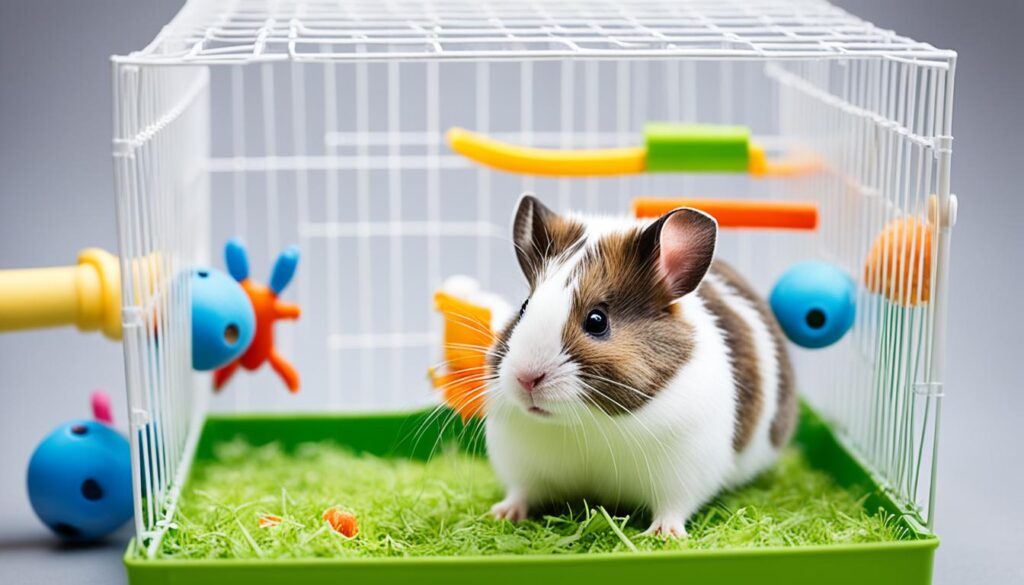
Small pets are a great choice for many homes. They can be a low-maintenance friend or a fun companion. The variety of small pets means there’s one for every lifestyle and preference.
Introducing a Small Pet to Your Home
Bringing a small pet home is thrilling, but it needs careful planning. Make sure your home is ready for your new pet. This means setting up the right space and getting all the necessary items.
Preparing Your Living Space
Start by making a safe and cozy space for your pet. This means setting up a big cage or enclosure. Don’t forget things like bedding, food and water bowls, and places for them to hide.
Introducing small pets to their new home should be a gradual process, allowing them to acclimate to their surroundings at their own pace.
Gradual and Supervised Introductions
When introducing your pet to others in the house, do it slowly and watch closely. Start by letting them get used to each other’s smells before they meet face-to-face. Watch their first meetings and step in if things get too much.
Darris Cooper, a dog training expert at Petco, says it’s key to get your home ready for a new pet. He suggests having things like gates, crates, feeding stations, toys, beds, and treats ready ahead of time.
By preparing your home and introducing your pet slowly, you can make their start smooth and happy. This way, they’ll feel safe and ready to enjoy their new life with you.
Health Benefits of Owning Small Pets
Small pets can greatly improve our health. Studies show they help lower stress and anxiety, and even heart rate. They also make us happier and more active.
These pets need regular care, like walks or playtime. This not only keeps them happy but also boosts our health. It encourages us to move more and live healthier.
Reducing Stress and Anxiety
Pets can lower blood pressure and cholesterol levels. They help with healing from serious illnesses too. Many studies show pets make us feel better emotionally and physically.
They give us a sense of security and improve our outlook on life. This is backed by research across different fields.
Promoting Physical Activity
About 60% of dog walkers get enough exercise, more than non-owners. This is from the 2005 Michigan Behavioral Risk Factor Survey. Dog owners tend to be more active.
In nursing homes, pets bring joy and encourage people to interact more. This leads to more physical activity and socializing.
Small pets offer many health benefits. They reduce stress, boost physical activity, and improve overall well-being. Adding these pets to our lives has a big impact on our mental and physical health.
Caring for Your Small Pet Companion
Looking after your small pet means giving them the right food, a clean home, and taking care of their grooming. It’s important to know what food they need and how to keep their home clean and well-groomed. This will make your pet happy and healthy.
Proper Diet and Nutrition
Feeding your small pet the right food is key to their health and long life. Whether it’s a hamster, guinea pig, or rabbit, they all have special food needs. Talk to a vet or a pet expert to make sure you’re feeding them the best food. This includes high-quality pellets, fresh veggies, and sometimes treats.
Grooming and Habitat Maintenance
Keeping your small pet clean and their home tidy is crucial for their comfort. You might need to brush their fur, trim their nails, and clean their space every week or two. Always check their home to make sure it’s clean, comfy, and suits their natural ways.
| Small Pet | Grooming Needs | Habitat Cleaning Frequency |
|---|---|---|
| Hamsters | Brush weekly, trim nails as needed | Spot clean daily, full clean 1-2 times per week |
| Guinea Pigs | Brush 2-3 times per week, trim nails monthly | Spot clean daily, full clean 2-3 times per week |
| Rabbits | Brush 2-3 times per week, trim nails monthly | Spot clean daily, full clean 1-2 times per week |
By giving your small pet the right food, a clean home, and grooming care, they’ll live a happy and healthy life with you.
Building a Bond with Your Small Pet
Creating a strong bond with your small pet takes time, patience, and effort in socializing and training. By understanding their unique needs and behaviors, you can build a deep connection. This connection makes both your lives richer.
Socialization and Training
Regular interactions, playtime, and cuddles help build a fulfilling relationship. Bonding with small pets is a slow process. It’s key to let your pet feel safe and secure with you.
- Introduce your pet to new sights, sounds, and experiences slowly to keep them safe and confident.
- Use positive reinforcement, like treats and praise, to encourage good behavior and build trust.
- Spend time each day doing activities like socializing small pets, grooming, or giving gentle pets and scratches.
Understanding Your Pet’s Body Language
Watching and understanding your pet’s small pet body language helps you know their mood and needs. This lets you respond better to their cues.
- A relaxed, calm body and a curious, attentive gaze shows a happy, trusting pet.
- Flattened ears, hunched shoulders, or a tense, still body may mean they’re uncomfortable or scared.
- Looking for your touch or following you around shows they like you and want to be close.
Every small pet is different, and they interact with you on their own terms. With patience, understanding, and caring for their well-being, you can create a strong bond with your furry friend.
Safety Considerations for Small Pets
Keeping your small pet and family safe is very important. By childproofing and pet-proofing your home, you can prevent accidents. Knowing about common hazards and how to avoid them is key for your pet’s health.
Childproofing and Pet-Proofing
Childproofing is crucial for small pet owners. Make sure all enclosures are secure to keep pets in and kids out. Remove small toys or loose bedding that could be a choking hazard for pets and kids.
Avoiding Common Hazards
Small pets face many dangers, like toxic substances and electrical cords. Research and avoid harmful items at home, such as cleaners, meds, and plants. Keep these items away from your pet’s reach.
Also, be careful about diseases spreading from pets to people, especially to kids, older adults, and those with weak immune systems. Regular handwashing can help prevent this.
Putting safety first and understanding your pet’s needs makes a safe home for everyone. This way, your family and pet can live together happily.
Conclusion
Choosing a small pet is a big decision. You need to think about your lifestyle, living space, and what you like. By learning about different small animals, you can pick the perfect one to make your life happier.
Small pets come with many benefits. They can help reduce stress, encourage you to move more, and improve your social life. They give love, loyalty, and company, making them great for anyone wanting a new pet. Taking care of a small pet can make your life richer and help you appreciate nature more.
When looking for the right small pet, think about your lifestyle and what you want. With the right info and planning, your new pet will be happy and become a big part of your life. So, enjoy the happiness small pets bring and see how they can change your life for the better.