
Taking care of a pet is rewarding but comes with big responsibilities. This guide offers key tips for a happy, healthy life for your furry or scaly friend. It’s important to focus on regular check-ups, proper nutrition, exercise, grooming, and a safe home.
Understanding your pet’s needs and showing them love and attention is key. This builds a strong bond that lasts a lifetime.
Key Takeaways
- Regular veterinary check-ups are recommended for pets of all ages to maintain their health and well-being.
- Proper identification, such as collars with ID tags and microchips, can significantly reduce the chances of pets getting lost.
- Spaying or neutering pets can help prevent certain health issues and contribute to their overall health.
- Emergency preparedness, including a pet first aid kit and an evacuation plan, can decrease pet mortality rates during emergencies.
- Providing pets with physical activity and mental stimulation can help reduce obesity and behavioral problems.
Nutrition: The Key to Pet Health
Proper nutrition is key for your pet’s health. Each pet has its own dietary needs. It’s important to give them a balanced diet that fits their needs. Talking to your vet is the best way to find the right food for your pet’s age, breed, and health.
Understanding Dietary Needs
Veterinarians at Ansede Animal Hospital do detailed nutrition assessments. They make sure your pet’s diet matches their needs. Nutrition counseling is a big part of vet care. It helps check your pet’s diet and suggest better options.
Good nutrition helps prevent and manage health issues in pets. This includes allergies, digestive problems, skin issues, and urinary tract problems.
Choosing High-Quality Pet Food
Choosing pet food wisely is key. High-quality food gives a balanced diet. Nutrition counseling helps tailor diets to pets’ needs, boosting health and happiness. It also helps prevent obesity and related health issues like diabetes, arthritis, and heart disease.
Avoiding Harmful Human Foods
It’s tempting to share human treats with pets, but avoid toxic foods. Foods like chocolate, grapes, onions, and some nuts are bad for pets. A healthy, pet-specific diet and measuring food can prevent obesity and health problems.
| Feeding Guidelines | Puppy/Kitten (under 3 months) | Puppy/Kitten (3-5 months) | Adult |
|---|---|---|---|
| Feeding Frequency | 4 times a day | 3 times a day | 2 times a day |
| Portion Size | Follow bag recommendations, but start below | Follow bag recommendations, but start below | Follow bag recommendations, but start below |
Bag recommendations often give too much food for pets. Start below the recommended amount and adjust based on your pet’s needs and body condition.
Exercise and Activity
Keeping your pets active is key for their happiness and health. Regular pet exercise fights obesity, reduces stress, and strengthens your bond with them.
Daily Exercise Routines
Dogs love going for walks. These walks let them see new things and meet other dogs. Try to walk your dog exercise for at least a mile a day. This is good for their strength, stamina, and heart health. Puppies especially gain a lot from these walks, learning important social skills.
For cat exercise, use toys and games that feel like hunting. Play with your cat for 10 minutes several times a day. This keeps them sharp both in body and mind.
Enrichment Activities
- Use different pet playtime activities to stop boredom and boost health.
- Take your dog to a dog park for fun and socializing.
- Plan pet-friendly picnics or outings to enjoy nature together.
- Give your pet new toys and puzzles to test their problem-solving skills.
Regular pet exercise and fun activities make pets and their owners healthier. Having a pet leads to more physical activity, less stress, and better heart health.
| Pet Type | Recommended Daily Exercise | Benefits |
|---|---|---|
| Dogs | At least 1 mile or more of walking per day | Builds strength, endurance, and cardiovascular health; Promotes socialization |
| Cats | 10-minute interactive play sessions throughout the day | Mimics natural hunting behaviors; Prevents boredom and behavior problems |
Adding different pet exercise and fun activities keeps pets joyful, healthy, and active. It also helps you feel better.
Grooming: More Than Just Looking Good
Pet grooming is key to pet care. It’s not just about making your pet look good. It’s vital for their coat and skin health and their overall well-being.
Brushing and Bathing
Brushing your pet’s fur removes tangles and loose hair. It keeps their coat healthy and shiny. It also lets you check for skin problems that could mean a health issue.
Bathing your pet with pet-specific shampoos keeps them clean and pest-free. It makes them comfortable and safe from fleas and ticks.
Nail and Dental Care
Looking after your pet’s nails and teeth is crucial. Long nails can be painful and cause joint problems later. Bad dental health can lead to infections and serious issues.
Trimming your pet’s nails and brushing their teeth keeps them healthy. It ensures they stay comfortable and well.
Regular pet grooming is key for pet owners. It keeps your pet looking great and maintains their health. By brushing, bathing, trimming nails, and brushing teeth, your pet stays happy, healthy, and comfy.
Veterinary Care: Prevention and Early Detection
Keeping your pet healthy is key, and regular vet visits are crucial. Annual wellness exams help keep vaccinations current, discuss parasite prevention, and catch any health changes early. This proactive approach ensures your pet stays well and avoids serious health issues later.
Preventive care catches health problems early, saving on vet bills later. Annual physical exams are a cornerstone of preventive care. They include a full check-up and advice on weight. These visits might also cover vaccinations, parasite control, and nutrition advice, tailored to your pet’s needs.
Early treatment can prevent serious health problems in pets. Regular vet visits and quick action on health changes keep your pet happy and healthy. Investing in preventive care cuts down on vet costs by avoiding costly treatments later. It’s a wise choice for caring pet owners.
| Preventive Care | Diagnostic Care | Emergency Care |
|---|---|---|
|
|
|
When picking a pet vet care provider, look at their qualifications and experience. Consider how they handle emergencies, the clinic’s cleanliness, staff knowledge, and hours. Ask friends or search online for veterinary services to find the best fit for your pet.
« Investing in preventive pet health screenings can reduce vet bills by avoiding expensive treatments in the future. »
Regular pet vaccinations and pet preventive care are key for your pet’s health. Working with your vet ensures your pet stays happy, healthy, and thriving.
Safety and Pet-Proofing Your Home
Keeping our pets safe is a top concern for all pet owners. It’s key to pet-proof your home and make it pet-friendly. This means keeping dangerous items away and making safe spots for your pets. Doing this helps prevent accidents and keeps your pets safe.
Securing Hazardous Materials
Pets love to explore and may put things in their mouths. To keep them safe, store dangerous items like cleaners and medicines in locked places. Keeping these items away is crucial for pet-proofing your home.
Creating Safe Spaces
Make sure your pets have their own safe areas in the house. Use baby gates or block off rooms with dangers like cords. Also, use pet-safe cleaners and keep pets away during cleaning.
- Use cord protectors or hide cords to stop pets from chewing them.
- Always pick up small items from the floor to stop pets from eating them.
- Give your pet a safe spot to go when they feel scared or need alone time.
- Put a fence around your backyard to keep your pet safe outside.
By pet-proofing your home, you make a safe place for your pets. This lets you enjoy time with them without worry. Always think about their safety and take steps to keep them away from dangers at home.
Training and Socialization
Training and socializing our pets is key to their happiness and health. We can teach them basic commands and good manners with positive reinforcement. By slowly introducing them to different people, pets, and places, they become well-adjusted adults. Socialization is vital, helping prevent bad behavior and boosting their confidence.
Positive Reinforcement Techniques
Positive reinforcement is the best way to train pets. We use treats, praise, or playtime to reward good behavior. This method teaches important commands and strengthens the bond between pet and owner.
Introducing New Experiences
Puppies and kittens have a sensitive period for socialization. For puppies, it’s from 3 to 14 weeks old. For kittens, it’s from 3 to 9 weeks old. During this time, introduce them to new sights, sounds, and people slowly.
- Avoid exposing unvaccinated puppies or kittens to unvaccinated animals or public places to protect their health.
- Provide a diverse range of positive experiences, such as meeting new people, visiting different environments, and interacting with other well-behaved pets.
- Continue socialization throughout your pet’s life, respecting their boundaries and going at their pace.
By focusing on training and socializing, your pet will become a confident, well-adjusted friend. They’ll be ready to enjoy life in your home and beyond.
« Training and socialization are vital for the well-being of our pets and the harmony of our households. »
Mental Stimulation and Enrichment
Keeping your pet’s mind active is key for their happiness. If they get bored, they might act out. So, it’s vital to give them lots of activities to keep them busy and happy.
Interactive Toys and Puzzles
Puzzle feeders and interactive toys are great for your pet’s brain. Pet puzzle feeders make eating slower and interactive pet toys make them work to get treats. These toys keep their minds sharp and help them stay at a healthy weight.
Rotating Playtime Activities
- Change up pet playtime activities to stop boredom. Try indoor agility courses, scent games, and reading with your pet.
- Use things from your house to make DIY pet enrichment puzzles. Hide treats in muffin tins or empty toilet paper rolls.
- Help your pet use their senses by giving them a window perch or a scent trail to follow.
Regular pet mental stimulation and pet enrichment make your pet happier and more well-adjusted. It also makes your bond stronger and stops bad behaviors.
| Activity | Benefits |
|---|---|
| Puzzle Feeders | Slows down eating, promotes natural foraging behaviors, and provides mental stimulation |
| Interactive Toys | Encourages problem-solving skills, reduces boredom, and strengthens the bond between pet and owner |
| Rotating Playtime Activities | Prevents boredom, stimulates natural behaviors, and enhances overall well-being |
« Enrichment activities are crucial for pets’ physical and mental health. By providing a variety of engaging experiences, you can help your furry friend thrive and reduce the risk of behavioral issues. »
Pets and Body Language
Understanding your pet’s body language is key to a strong bond and their happiness. By knowing how they communicate, you can guess their feelings better. This helps you respond in the right way.
Animals show their feelings through their ears, eyes, mouth, tail, muscle tension, and posture. Watching these signs can tell you how your pet feels. They might be happy, stressed, or anxious.
A wagging tail doesn’t always mean a happy dog. You need to look at the whole body language to understand them. When meeting animals, go sideways and don’t stare them down. They might see this as a threat.
Getting your pet’s body language is key to talking well and building a strong bond. By reading their signs, you can encourage good behavior, solve problems, and keep them happy.
Decoding Canine Communication
Dogs use pheromones, sounds, and body postures to talk. When dogs act out, it might be because they have different goals. This can show stress or anxiety through their body language.
- Submissive dogs may crouch, raise a paw, lie down, or roll over to seem less threatening.
- Aggressive dogs might stare, snarl, show stiffened limbs, or snap to warn others before they act out.
- Dogs can switch between being dominant or submissive based on the situation and who they’re with. These behaviors help them avoid fights.
Thinking a dog’s submissive actions mean they feel guilty can be a mistake. By understanding dog body language, owners can know how their pets feel. This helps them react the right way.
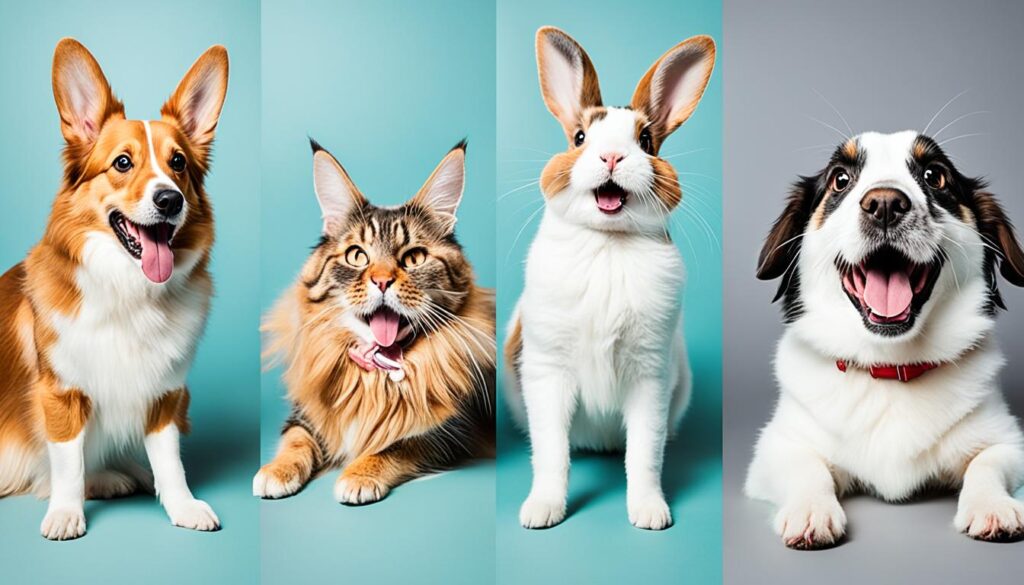
« Only 49% of people are better at spotting happy dog body language than fear. Many owners miss when their pets are stressed. »
A study showed that how people see fear in dogs changes with their experience. Learning your pet’s body language can make your bond stronger and keep them happy.
| Body Language Cue | Meaning |
|---|---|
| Wagging Tail | Not always a sign of happiness; context and other body language must be considered |
| Ears Forward | Indicates interest or alertness |
| Ears Flattened | Can signal fear, stress, or submission |
| Direct Stare | May be perceived as aggressive or threatening |
| Raised Hackles | Indicates a dog is feeling aggressive or defensive |
Handling Emergencies
Being ready for pet emergencies is key. A well-stocked pet first aid kit at home is vital. It lets you handle minor injuries or illnesses fast. Knowing pet CPR and first aid can save lives in emergencies.
It’s important to have your vet’s emergency contact information on hand. Knowing where the nearest 24-hour animal hospital is can be crucial. Also, getting pet insurance can help with unexpected vet bills, offering financial peace of mind.
Pet First Aid Kits
A good pet first aid kit should have gauze, bandages, antiseptic wipes, scissors, tweezers, and a thermometer. Don’t forget any needed medications and your pet’s health info and vet’s contact details.
Emergency Contacts and Planning
Having a plan for pet emergencies can save time. Keep your vet’s number and the nearest 24-hour animal hospital’s contact info handy. Also, make an emergency preparedness plan for your pet. This should include pet-friendly hotels, shelters, and places for cooling or warming up.
By getting ready for pet emergencies, you can keep your pets safe and healthy. This proactive approach gives them the best chance of a good outcome in an emergency.
| Essential Pet Emergency Supplies | Importance |
|---|---|
| Pet First Aid Kit | Allows quick treatment of minor injuries or illnesses |
| Pet CPR and First Aid Training | Can be lifesaving in critical situations |
| Veterinarian Emergency Contact | Provides access to professional medical advice and care |
| Pet Insurance | Helps cover unexpected medical expenses |
| Emergency Preparedness Plan | Ensures pets are cared for during disasters or emergencies |
Traveling with Pets
Traveling with your pet can be fun but needs careful planning. It’s important to make sure your pet is comfortable and safe, whether you’re driving or flying. Here are some key things to remember.
Preparing for Car Travel
When driving, keep your pet safe with a harness or carrier. This keeps them secure in case of an accident and stops them from distracting you. Start by taking short car trips to help your pet get used to it. Bring their favorite toys, treats, and water to make them feel at ease.
Pet-Friendly Accommodations
Look for hotels or rentals that allow pets before you go. Many places now welcome pets, but check their rules and any extra fees. Bringing your pet’s own bed, toys, and familiar items can make them feel more at home.
| Travel Tip | Benefit |
|---|---|
| Use a secure pet carrier or harness in the car | Keeps your pet safe and prevents distractions for the driver |
| Gradually acclimate your pet to car travel | Helps reduce stress and anxiety during longer journeys |
| Research pet-friendly accommodations in advance | Ensures a comfortable stay for both you and your furry companion |
Follow these tips to make your pet travel smooth and fun. With some planning, your pet can join in on your adventures.
Senior Pet Care
As our pets get older, they need special care. Owners must pay attention to their changing needs in diet, exercise, and mobility. By making adjustments and using special support, we can help our senior pets live their later years happily.
Adapting Diet and Exercise
As pets age, their diet changes. Regular vet check-ups help find the right pet diet for seniors. Also, changing exercise routines for seniors keeps them fit without pushing them too hard. Walking, swimming, and gentle play are good ways to keep them active.
Mobility Aids and Comfort
Using mobility aids for senior pets makes a big difference. Things like orthopedic bedding, ramps, and other devices help with joint pain and make moving around easier. Also, making cozy spots for rest and relaxation helps them feel secure and comfortable.
By focusing on the special needs of senior pets, we can make their golden years happy and fulfilling. Changing routines, using special support, and talking often with vets are important for the best senior pet care.
« The bond we share with our pets only deepens as they age. Caring for their evolving needs is a privilege and a responsibility we must embrace with patience and love. »
Multi-Pet Households
Living with many pets can be rewarding but also challenging. It’s important to manage resources and attention to keep peace among your pets. Introducing new pets carefully is key to a harmonious home.
Introducing New Pets
Bringing a new pet home needs patience and a step-by-step plan. Pets that meet early on tend to get along better later. It might take a few months for pets to adjust, so be patient.
Managing Resources and Attention
Make sure each pet has its own food, water, and litter box to avoid fights. Sharing your time and attention fairly can reduce jealousy. Watch how pets interact, especially when you bring a new one home, to keep the peace.
By carefully introducing new pets and managing resources, you can create a peaceful home for all. Getting help from experts can make a big difference in a multi-pet home.
| Tip | Description |
|---|---|
| Tip #1 | Introducing pets at a young age is crucial for harmonious relationships. Socializing pets early on can lead to better interactions and reduce conflicts in multi-pet households. |
| Tip #2 | Transitioning to a multi-pet household takes time. It may take several months for animals to integrate fully, emphasizing the need for patience and gradual introductions. |
| Tip #3 | Providing safe spaces for each type of pet is essential. Cats, dogs, birds, and small animals benefit from having designated areas where they can retreat when needed to ensure their well-being in a multi-pet environment. |
| Tip #4 | Seeking professional help, such as certified consultants or trainers, can assist in managing pets’ behavior and ensuring a peaceful coexistence among different species at home. |
| Tip #5 | Selecting the right pets based on individual temperament rather than breed generalizations is key to fostering positive relationships in multi-pet households. Compatibility between pets should be considered when expanding your furry or feathered family. |
« Providing one-on-one play and bonding time with each pet is essential in multi-pet households. »
Conclusion
Caring for your pet is a rewarding journey that strengthens your bond with them. Focus on pet care, pet owner tips, pet health, pet well-being, and the pet-owner relationship. This creates a foundation for a happy, healthy life together. Every pet is unique, so be patient and flexible as you find what works best for them. With love, attention, and the right care, you’ll enjoy many joyful years with your pet.
Owning a pet can lower your blood pressure by 10% and reduce stress levels. It does this through the release of oxytocin, prolactin, and serotonin. Dog owners often walk their pets daily, giving them exercise and fresh air. Cats offer more independent companionship.
Certain dog breeds provide emotional and physical support to vulnerable individuals. Pets help with loneliness, provide companionship, and offer emotional support during depression or grief.
Walking with other pet owners can help fight loneliness and make social connections. Playing with pets aids in mindfulness and promotes mental health. Owning a pet brings a sense of responsibility, love, and companionship, changing the owner’s life for the better.
Dogs are the second most intelligent and intuitive species on Earth. They are adaptable and can perform various roles. They are also the species closest to humans, shown by rescue centers, shared homes, and working relationships.