
Bringing a furry friend home is a joy. But keeping them well-behaved takes dedication and the right training. This guide on pet training offers expert tips for happy, obedient pets. It covers everything from positive reinforcement to dog obedience training and cat behavior modification.
We’ll show you how to make your pet successful and strengthen your bond. Whether you have a playful puppy or a feisty cat, this guide has you covered.
Key Takeaways
- Discover the benefits of effective pet training for a happier, healthier pet
- Learn proven positive reinforcement methods to shape desirable behaviors
- Explore specialized training techniques for different pet types, including dogs, cats, and parrots
- Integrate fun training games and activities to engage your pet and reinforce learning
- Understand the importance of socialization and building a foundation of trust with your pet
Understanding the Importance of Pet Training
Pet training is key to being a good pet owner. It brings many benefits for pets and their owners. Proper training stops bad behaviors, makes talking easier, and helps pets get along better with others. It also makes caring for them easier, leading to a stronger bond and a happier pet.
Benefits of Pet Training
Pet training has many benefits. It teaches pets important commands and good manners. It also helps owners understand their pets better. Regular training keeps pets’ minds sharp, boosts their confidence, and can fix issues like anxiety or shyness.
- Strengthens the bond between pet and owner
- Teaches essential commands and good manners
- Addresses behavioral issues and promotes confidence
- Provides mental stimulation and physical exercise
- Enhances socialization and communication skills
Professional Resources for Pet Training
There are many expert resources to help with pet training. Groups like the AKC GoodDog! Helpline and Animal Humane Society offer training classes and advice. These experts use positive methods to make training fun and stress-free for pets and owners.
« Training is a vital part of responsible pet ownership, helping to build a strong bond and ensure the well-being of both the animal and the owner. »
Building a Foundation of Trust and Consistency
Starting pet training means building trust and consistency. A strong bond with your pet is crucial for good training and a happy pet. By being gentle, understanding their body language, and creating a safe space, you can make a positive connection. This connection is key for successful training.
Establishing a Healthy Relationship
Building trust with your pet takes time and patience. Respect their space and let them get to know you at their pace. Don’t rush past what makes them uncomfortable, as this can slow down trust. Pets that are shy or skittish may not want a lot of touch at first. Start with small, positive interactions and slowly increase them as they feel more secure.
Daily Practice and Interaction
- Keep a daily routine to make things predictable and build trust.
- Have short, reward-based training sessions every day, like practicing « sit ».
- Add playtime and simple games to help your pet gain confidence.
- Always use the same cues for the same actions.
- Give rewards right after your pet does what you asked.
Keeping Training Sessions Fun and Stress-Free
Training should be fun for you and your pet. Keep sessions short, around 5 minutes, and focus on rewards. Even 3 minutes a day is better than longer sessions less often. Being calm and confident helps build trust and makes training positive.
With trust and consistency, you can have a strong bond with your pet. This bond is the foundation for successful training. Be patient, gentle, and focus on rewards to help your pet become a well-behaved, confident friend.
« A trusting bond is created between dog and owner through consistent training. »
Essential Basic Commands for Well-Mannered Pets
Teaching your pet basic obedience commands is crucial for a well-behaved pet. Skills like name recognition, recall training, and house training are key. They help create a happy and respectful bond with your pet.
Name Recognition
Getting your pet to know their name is the first step in having a responsive pet. Start by saying their name and giving them a treat or praise when they look at you. As they get better, add more distance and distractions, but always reward them for listening.
Recall Training
Recall training is vital for your pet’s safety and obedience. Use a tasty treat to call your pet to you, then slowly add more distance and distractions. This way, your pet will learn to come when called, no matter where they are.
House Training Techniques
House training is key for a clean home with pets. Be consistent, patient, and use positive rewards. Set a regular potty schedule, use specific spots for your pet, and praise them when they go there. With time, your pet will learn to tell you when they need to go.
Learning these basic commands makes your pet well-behaved and reliable. Stick to consistent training, use positive rewards, and be patient. This approach builds a strong bond and a well-trained pet.
Positive Reinforcement Training Methods
Positive reinforcement is the top choice for pet training. It rewards good actions with treats, praise, toys, or fun time, not punishment. Clicker training is a key method that makes pets understand what they’re doing right. It builds trust and makes training fun, leading to better behavior in pets.
Timing is key in positive reinforcement training. Rewards should come right after the good behavior to link them clearly. It’s important for everyone in the family to use the same cues for consistent training. This method can teach many behaviors, like sitting before going outside or eating.
Training works by rewarding small steps towards the desired behavior. Rewards can be treats, praise, petting, or toys, with treats often working best for dogs. Keep treats small, soft, and varied to keep the dog interested. As the behavior gets better, give fewer rewards to keep the dog motivated.
| Positive Reinforcement Techniques | Benefits |
|---|---|
| Clicker Training | Precise communication tool that helps pets understand desired behaviors |
| Rewarding Good Behavior | Strengthens behavior, builds trust, and makes training an enjoyable experience |
| Gradual Shaping of Behavior | Reinforces incremental progress towards the final desired behavior |
| Varied, Intermittent Rewards | Keeps the pet engaged and motivated throughout the training process |
Looking for a dog trainer who uses positive reinforcement? Check if they’re certified by groups like the Association of Professional Dog Trainers. This method improves behavior, strengthens the bond between pets and owners, and keeps pets’ behavior healthy.
Fun Games to Enhance Pet Training
Adding fun pet training games to learning makes it fun for pets and owners. These games teach important skills and make the bond stronger. From fetch to agility training, there are many games that help pets grow and become better companions.
Fetch: More Than Just a Game
Fetch is more than a game; it’s a way to teach your pet. It helps improve their recall skills. By making the game harder with different objects and distances, fetch becomes a fun training tool.
Tug-of-War with Rules
Tug-of-war is great for teaching your pet rules. Set clear rules like when to start and stop the game. This helps them learn control and respect boundaries.
Search and Find Activities
Games like hiding treats or toys help pets use their hunting instincts. They also improve problem-solving skills. These games are perfect for mental stimulation and bonding.
Introduction to Agility Training
Agility training challenges pets physically and mentally. Using household items, you can start agility training. This helps them with coordination, focus, and confidence.
Adding these fun games to your pet’s training routine is rewarding for you and your pet. By using activities that match their instincts, you create a positive training experience. This strengthens the bond between you and your pet.
Socializing Your Pet for Better Behavior
Proper pet socialization is key for confident and well-adjusted pets. Puppies should meet new people, animals, and places between 3 and 14 weeks old. Kittens need this time too, from 3 to 9 weeks old. Gentle and positive interactions during these times help pets grow into friendly companions.
Socialization Timeline and Milestones
The puppy socialization timeline and kitten socialization timeline shape a pet’s personality and behavior. Puppies should meet new things in a positive way during their 3 to 14-week window. Kittens have a shorter time, from 3 to 9 weeks old. It’s important to keep teaching pets to be calm and friendly with others throughout their lives.
- Puppies: Ideal socialization period is 3 to 14 weeks of age
- Kittens: Ideal socialization period is 3 to 9 weeks of age
- Positive exposure to new experiences, people, and animals during these critical windows
- Reinforce calm, friendly responses to social interactions throughout the pet’s life
« Proper socialization in a puppy’s first few months is crucial for healthy social development and reducing fear-based behavior problems later on. »
Socializing small pets like rabbits, guinea pigs, and hamsters is vital for their happiness. Slowly introducing them to new sights, sounds, and touch makes them more confident. With care and positive feedback, these pets can become loving friends.
Pet Training: Essential Skills for Happy Companions
Teaching pets skills like pet touch desensitization, handling and lifting practice, and teaching relaxation techniques makes them happier and more cooperative. These skills are key for pets to feel okay with touch and handling, and to stay calm in new or stressful places. They’re also used in service animal training.
Touch Desensitization
Dogs understand commands in the right side of their brain, the same area for sounds. By slowly getting pets used to touch, they’ll be calmer during things like nail trims and vet visits. Use positive reinforcement to make these experiences good for them.
Handling and Lifting Practice
It’s important for pets to stay calm when being handled and lifted. Build trust with short training sessions. Teach them to stand still or sit calmly when lifted. This is great for vet visits or grooming.
Teaching Relaxation Techniques
Teaching pets to relax can really help their behavior and life quality. Use calming exercises and reward them for staying calm. This way, pets can relax when they need to, making vet visits and other stressful events easier for them.
Adding these skills to your pet’s training makes them happier and more helpful companions. Remember, be consistent and patient. If you need help, talk to experts.
pet training Techniques for Different Pet Types
Positive reinforcement training works for all pets, but each type needs its own approach. Dogs, cats, parrots, and small pets like rabbits or guinea pigs all have different needs. The way you train them can change a lot.
Dog training techniques aim to build obedience, social skills, and confidence. They include teaching basic commands and handling behavior issues. A strong bond and regular practice are key to success.
Cat behavior modification focuses on issues like scratching, aggression, or litter box problems. It’s all about patience, positive rewards, and understanding cats.
Parrot training is about building trust and using rewards to teach tricks and speech. These smart birds need gentle care and a fun, structured approach.
Training small pets like rabbits or guinea pigs is about slow steps, gentle handling, and rewarding calmness. They love routine. Their training includes clicker training, getting used to new things, and socializing.
| Pet Type | Recommended Training Techniques |
|---|---|
| Dogs | Obedience, Socialization, Agility, Protection, Service |
| Cats | Behavior Modification, Positive Reinforcement |
| Parrots | Relationship Building, Positive Reinforcement, Target Training |
| Small Pets (Rabbits, Guinea Pigs) | Gentle Handling, Clicker Training, Socialization |
Successful training for any pet is about knowing their needs, building trust, and using positive rewards. It’s all about understanding their nature and how they learn best.
« The key to successful pet training is finding the right balance between the animal’s natural instincts and the desired behaviors. With patience, consistency, and a positive approach, any pet can become a well-trained and happy companion. »
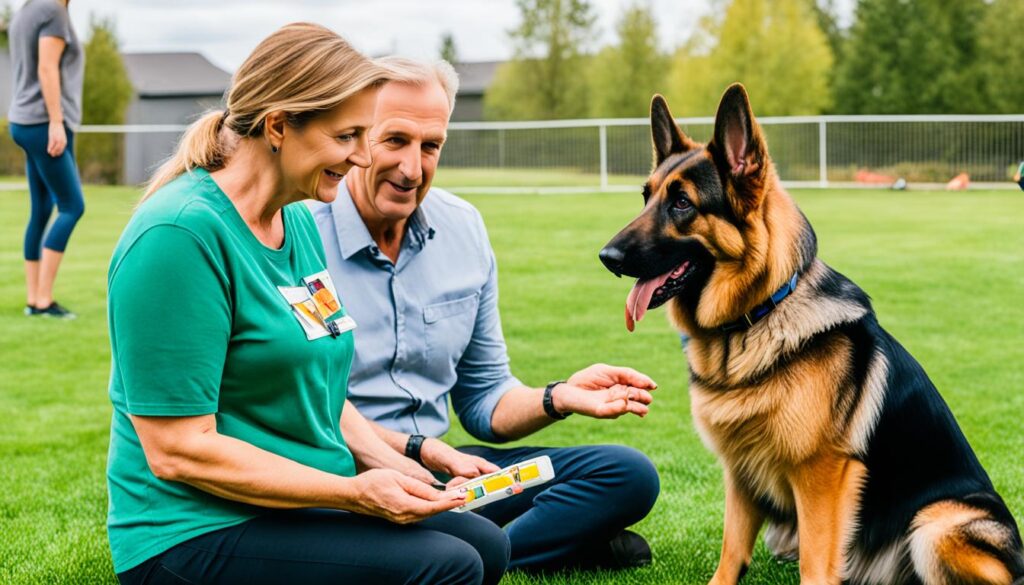
Overcoming Challenges in Pet Training
Pet training can be tough, from handling distractions to fixing stubborn behaviors. But, with patience, consistency, and a positive outlook, pet owners can beat these hurdles. This makes their pets well-mannered and happy friends.
Dealing with Distractions
Distractions can make pet training hard, especially for smart breeds like Border Collies. To keep your pet focused, start training in a quiet place with few distractions. Then, slowly add more distractions as your pet learns better.
It’s crucial to train in different places to help your pet learn everywhere. Use interactive games and toys to keep your pet interested and make training fun.
Addressing Stubborn Behavior
Some pets act stubborn or resistant during training, which can be tough for owners. It’s key to find out why they act this way, like fear, lack of motivation, or health issues. Then, change your training to fix the problem.
Using positive reinforcement, like treats, praise, or playtime, works better than punishment. This builds trust and makes your pet want to learn. Also, breaking complex behaviors into simpler steps makes training easier and fun.
Remember, patience and consistency are key when dealing with stubborn behavior. With time and effort, you can help your pet become well-trained and confident.
Incorporating Mental Stimulation into Pet Training
Keeping pets mentally active is key for their happiness and behavior. Adding cognitive challenges to pet training helps pets stay interested and avoids bad habits. Activities like solving problems, smelling new things, and learning tricks boost both pets and owners.
Dogs prefer to find things on their own rather than just getting them, showing they’re smart. Training methods that challenge their minds, like training eye contact and teaching them to sit, improve focus and discipline.
Puzzle feeders test dogs’ problem-solving skills at mealtime. They come in many types, from simple DIY ones to complex plastic ones. Adding sensory experiences, like a dog-safe garden or dig pits, also keeps dogs curious and sharp.
| Activity | Benefits |
|---|---|
| Interactive toys and puzzle feeders | Keep dogs occupied for hours, engaging them mentally |
| Obedience training | Provide mental stimulation and strengthen the bond between dogs and owners |
| Nature walks and exploration | Allow dogs to explore new scents and sights, keeping their minds active |
| Food puzzles and treat dispensers | Make mealtime more stimulating and rewarding for dogs |
| Learning new tricks | Introduce new challenges to keep dogs’ minds sharp and engaged |
| Playdates and socialization | Important for mental stimulation and social skills development in dogs |
Mental training is vital for dogs, making them happier and more content. By adding different thinking activities to their day, owners can build a strong bond. This approach helps with mental stimulation in pet training, cognitive enrichment for pets, and keeping pets mentally engaged.
« Engaging a dog’s mind through training is just as important as physical exercise. It unlocks their hidden potential and leads to happier, more well-adjusted pets. »
Creating a Personalized Training Plan
Making a personalized pet training plan helps your furry friend reach their full potential. Think about your pet’s unique traits, how they learn, and their behavior challenges. Combine this with your training goals and lifestyle to create a program that works for them.
Start by figuring out what your pet needs. Do they need lots of activity or are they more relaxed? Knowing their personality helps you choose the best training methods for them.
Next, set clear training goals. Maybe you want to teach basic commands, fix certain behaviors, or get your pet ready for agility training. Having clear goals makes your training plan focused.
With your pet’s needs and goals in mind, it’s time to make a training plan. Work with a pro trainer or use online guides to create a plan. This plan should use positive methods, consistent practice, and lots of praise. Remember, getting help from a pro is key to your pet’s success and keeping your bond strong.
Be patient and flexible as you start training. Change your plan if needed, celebrating each small win. Success comes from being dedicated, consistent, and making training fun for you and your pet.
« Consistency is the key to effective pet training. With a well-designed, customized training program for pets, you can transform your furry friend into a well-behaved, confident companion. »
Every pet is different, so their training journey will vary. By using a personalized pet training plan and getting help when needed, you’re on the path to a happy, well-trained pet.
Seeking Professional Guidance for Pet Training
Pet owners can train their pets on their own using the tips and resources here. But, getting help from professional pet trainers can be a big plus. They can tackle tough behavior issues or teach special skills. Groups like the AKC GoodDog! Helpline or local shelters offer expert advice, tailored training plans, and support.
The Professional Pet Training Services in Chicago is a top choice. They have a 4.9-star rating from over 776 reviews. Their certified trainers work with dogs and cats, using positive methods suited to each pet. Since 2006, they’ve helped thousands of pets with programs from puppy classes at $275 to private lessons under $1,000.
| Training Services Offered | Pricing | Certifications |
|---|---|---|
|
|
|
Working with professional pet trainers helps with many issues, like separation anxiety or agility training. They offer a wide range of training and a team of certified experts. This means pet owners can get the help and support they need for happy, well-behaved pets.
Celebrating Milestones and Sustaining Progress
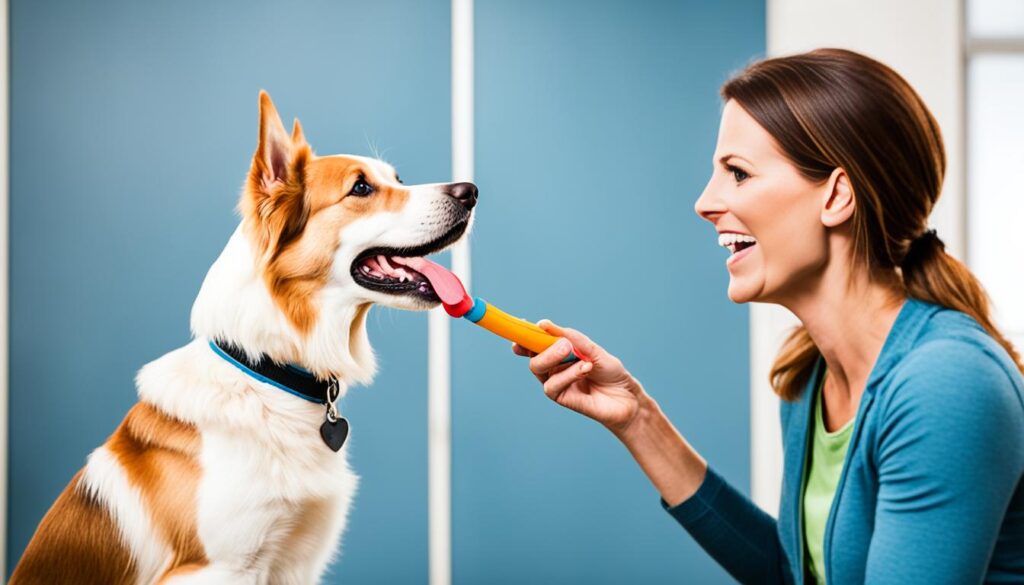
Celebrating your pet’s training wins and keeping up the good behavior is key. Praise, treats, or playtime for small steps forward helps them learn and stay motivated. Keeping training consistent and positive is vital for your pet’s ongoing learning and the success of your training.
Setting achievable goals and tracking progress is crucial. Break big goals into smaller tasks to see your pet’s growth. Training diaries or videos are great for keeping track of their progress.
It’s important to reward good behavior to keep training on track. Treats, praise, or playtime when your pet does well strengthen your bond. It also makes them more likely to keep up the good work. This method creates a positive training space and stops bad habits from starting.
Staying consistent and realistic in training is key. Tailor your training to your pet’s needs, like their age and personality. Regular exercise, set training times, and special spaces for your pet help too.
Celebrating your pet’s achievements and rewarding good behavior is vital for their training success. A positive, reward-based approach and adapting to your pet’s needs make them a happy, well-behaved friend.
Conclusion
Effective pet training is key to being a responsible pet owner. It builds a strong bond and keeps pets happy and well. By using positive reinforcement, fun games, and teaching important skills, pets become happy and well-behaved.
Working alone or with professional trainers, this guide gives you the knowledge and tools to make your pets loyal and obedient. It helps pets become true companions.
Pet training has many benefits, especially with positive reinforcement. It helps with behavior issues, improves communication, and boosts social skills. It also keeps pets mentally and physically healthy and happy.
By avoiding harsh training, pets learn to trust their owners. This leads to a strong bond and lets pets be themselves. It’s a way to make pets thrive and be happy.
Starting your pet training journey means being patient, consistent, and caring for your pet’s well-being. With the right approach, your pet will become a loving and well-behaved family member. Positive reinforcement can change your pet into a true best friend.