
Keeping our pets healthy and happy is very important to us. This guide will take you through the complex world of pet nutrition. It gives you the knowledge to make the best choices for your pets. You’ll learn about the importance of nutrient bioavailability and the key nutrients your pets need.
Key Takeaways
- Discover the importance of nutrient bioavailability in pet food for optimal absorption and utilization.
- Learn about the crucial roles played by carbohydrates, dietary fiber, fats, and proteins in your pet’s diet.
- Understand the significance of vitamins and minerals in maintaining your pet’s bodily functions and immune health.
- Explore the benefits of high-quality commercial pet foods and the regulatory oversight provided by AAFCO.
- Gain insights from Banfield Pet Hospital on managing pet food allergies, diabetes, and achieving a healthy weight.
What Is Bioavailability in Pet Food?
When looking at pet nutrition, bioavailability is key. It’s how well pets can use the nutrients in their food for health and well-being. Even if a food has lots of vitamins and minerals, how the body can use them matters a lot.
Factors That Can Influence Nutrient Bioavailability
Many things can change how well nutrients work in pet food, including:
- The form of the nutrient (natural vs. synthetic)
- How the food is made
- How nutrients interact with each other
- How much fiber is in the food
- The quality and source of the ingredients
Reasons to Consider Bioavailability When Choosing Pet Food
It’s important to think about nutrient bioavailability when picking pet food. Dogs and cats have shorter guts than humans. So, their food needs to be easy for their bodies to use. This helps them stay healthy with strong bones, muscles, and a shiny coat.
« Studies have shown that almost all vitamins consumed in their natural states from whole foods are absorbed more effectively than synthetic versions. »
Knowing what affects bioavailability in pet food helps pet owners make better choices. This way, they can help their pets get the most from their food.
NutriSource: A Brand Focused on Bioavailability
For over 60 years, NutriSource pet food has been making high-quality, nutritious foods for pets. They focus on making sure pets get the most out of their food. They use premium whole foods and add special supplements to help pets digest and absorb nutrients better.
NutriSource gets most of its ingredients from local suppliers in the USA. They make sure pets get the best ingredients. Their factory in Perham, Minnesota uses the latest technology to cook food without losing nutrients. They keep the food at 200 degrees or less to keep it fresh and full of nutrients.
- NutriSource has been making healthy pet foods since 1964, with a focus on community values and compassion.
- The brand’s Formula Finder helps pet owners choose the right diet for their dogs or cats, including specialized formulas for different life stages and breed sizes.
- NutriSource offers a variety of grain-free and freeze-dried options to cater to the diverse dietary needs of pets.
- Positive customer reviews highlight the brand’s success in addressing issues like allergies and picky eating habits.
NutriSource focuses on making food that pets can easily use and benefit from. They aim for long-term health benefits for pets. They use science to make sure their food is the best for pets’ health and happiness.
The Role of Different Nutrients
Pets need many nutrients to stay healthy and happy. These include carbohydrates, dietary fiber, fats, proteins, vitamins, and minerals. Each one is key for their physical and mental health.
Critical Carbohydrates
Carbohydrates come from foods like hulled corn and wheat. They give pets the energy they need to move and function. Critical carbohydrates are vital for a balanced diet, helping pets stay active and healthy.
Dietary Fiber
Insoluble fiber from fruits and veggies helps pets’ digestive health. It keeps their bowels regular, aids in weight control, and supports a healthy gut. Getting the right fiber in their diet is key for their health.
« Pets require a variety of nutrients to support their overall health, including carbohydrates, dietary fiber, fats, proteins, vitamins, and minerals. »
Knowing how different nutrients in pet food, like carbohydrates and dietary fiber, work is crucial. It helps make sure your pet gets a balanced diet. With the right mix of these nutrients, your pet can stay healthy and happy.
Fats and Fatty Acids
Fats and fatty acids are key in pet nutrition. They include omega-3 and omega-6 fatty acids. These are vital for energy and help process other nutrients. They turn into energy in the bloodstream, supporting your pet’s health.
The Association of American Feed Control Officials (AAFCO) says dogs need at least 5% crude fat. Puppies need 8%. Some puppy diets even have DHA, an omega-3 fatty acid, for brain and eye growth.
Ingredients like chicken fat and beef fat offer triglycerides and arachidonic acid. Fish oil, algal oil, and flaxseed oil add omega-3s. Corn oil, soybean oil, sunflower oil, and canola oil are good for omega-6s.
Feeding too much fat can cause pancreatitis in dogs, a serious condition. Vets suggest omega-3 supplements for many health issues in dogs, like heart disease and skin allergies.
| Fatty Acid | Primary Sources | Benefits |
|---|---|---|
| Omega-3 | Fish oil, purified algal oil, flaxseed oil | Reduced inflammation, improved heart health, brain and eye development |
| Omega-6 | Corn oil, soybean oil, sunflower oil, canola oil | Energy production, skin and coat health |
It’s vital to balance fatty acids in pet food for your pet’s health. Knowing about fats in pet food and lipids in pet food helps you pick the best diet for your pet.
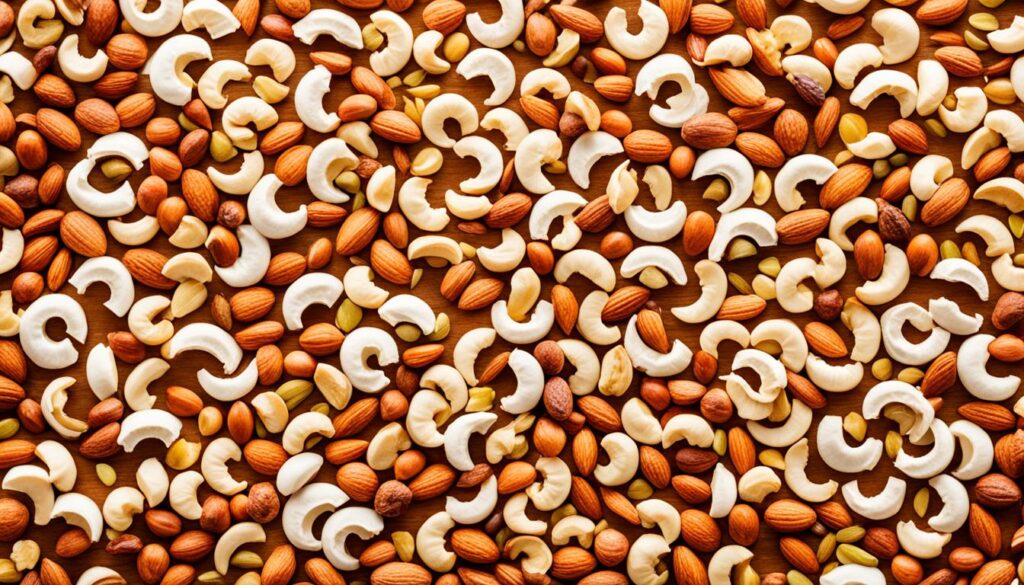
« A literature review of 20 studies related to arthritis found that 16 of them showed improvement after omega-3 supplementation. »
Protein and Amino Acids
Protein is key for pets, helping their bodies build, use, and fix cells. It’s made up of amino acids, which are vital for growth, development, and health.
Proteins are important for building and repairing living tissues and can also give energy. There are about 20 amino acids in proteins, making a wide range of protein types. The Fediaf Nutritional Guidelines set the minimum and maximum levels of nutrients, including amino acids, pets need.
Labels on pet food must show the protein content, along with fat, fiber, ash, and moisture. To compare pet foods, look at the grams of protein per day, considering how much you feed and the water content. Wet food has more water, so it shows less nutrient percentage than dry food.
| Nutrient | Minimum Level | Maximum Level |
|---|---|---|
| Crude Protein | 18% | 50% |
| Arginine | 0.51% | 1.25% |
| Lysine | 0.6% | 1.8% |
| Methionine + Cystine | 0.46% | 1.35% |
| Taurine (cats) | 0.1% | 0.2% |
How much you feed your pet affects how much protein they get. Different foods have different protein levels and feeding guides. Using the factsheet conversions can help figure out your pet’s protein intake on wet or dry diets.
Protein is very important for pets. They need a diet full of high-quality proteins for good health and happiness. Knowing about protein and amino acids in pet food helps pet owners make the best choices for their pets.
Vitamins and Minerals
Pets need a balanced diet full of vitamins and minerals to stay healthy. These nutrients are key for many body functions, like keeping the immune system strong and helping bones grow. They are often found in foods like meats, grains, and veggies, not as pure supplements.
Where Do Nutrients Come From?
Knowing where vitamins in pet food and minerals in pet food come from helps pet owners pick the best food for their pets. Dogs need certain amino acids and fatty acids that they can’t make themselves. These sources of nutrients in pet food come from their diet.
A good dog food diet should have all the vitamins and minerals they need. This includes vitamins A, D, E, and K, B-complex vitamins, calcium, and phosphorus. A vet can help pick the right food and supplements for a pet’s needs.
« Giving dogs vitamin or mineral supplements can be dangerous, as they can obtain all necessary nutrients from a balanced dog food diet. »
Good nutrition is key for a pet’s health. Knowing where these important nutrients come from helps pet owners make the best choices for their pets’ diets and health.
Common Nutritious Pet Food Ingredients
Pet foods have many ingredients that give pets the nutrients they need. These include carbohydrates, proteins, fats, vitamins, and minerals. Some top nutritious pet food ingredients are:
- Bone meal: A source of calcium and phosphorus.
- Corn: A source of carbohydrates and B vitamins.
- Eggs: A high-quality source of protein with essential amino acids.
- Fish oil: Rich in omega-3 fatty acids that support skin and coat health.
- Liver: A nutrient-dense organ meat that provides vitamins A, B, and iron.
- Meat: A primary source of high-quality protein.
- Milk: Provides calcium, protein, and other essential nutrients.
- Mineral salts: Supplying necessary minerals like sodium, chloride, and potassium.
- Soy: A plant-based protein source with fiber and essential fatty acids.
- Wheat: A source of carbohydrates and fiber.
These common pet food ingredients add a mix of nutrients to pets’ diets. They help keep pets healthy and happy.
« The key to maintaining optimal pet health is providing a balanced diet rich in high-quality, nutritious pet food ingredients. »
Knowing about these common pet food ingredients helps pet owners pick the best food for their pets.
Pet Nutrition: Choosing Quality Commercial Food
Choosing the right commercial pet food is key to your pet’s health. Look for the AAFCO seal and « complete and balanced » label. This ensures the food meets important nutrition standards.
AAFCO guidelines help make sure pet foods have all the needed nutrients. They test for the right mix of proteins, fats, carbs, vitamins, and minerals. The « complete and balanced » label means the food has the right amount of everything your pet needs.
Opting for quality pet food simplifies feeding your pet right. Over half of all canines and felines in the country are overweight or obese. That shows how crucial a balanced diet is. Experts create these foods to fit your pet’s breed, age, and activity level, keeping them healthy.
« Nutritionally balanced pet food bears the statement ‘[this food] is formulated to meet AAFCO nutrient profiles.' »
With the AAFCO seal and « complete and balanced » label, you know your pet is getting the nutrients they need. This helps them stay healthy and happy.
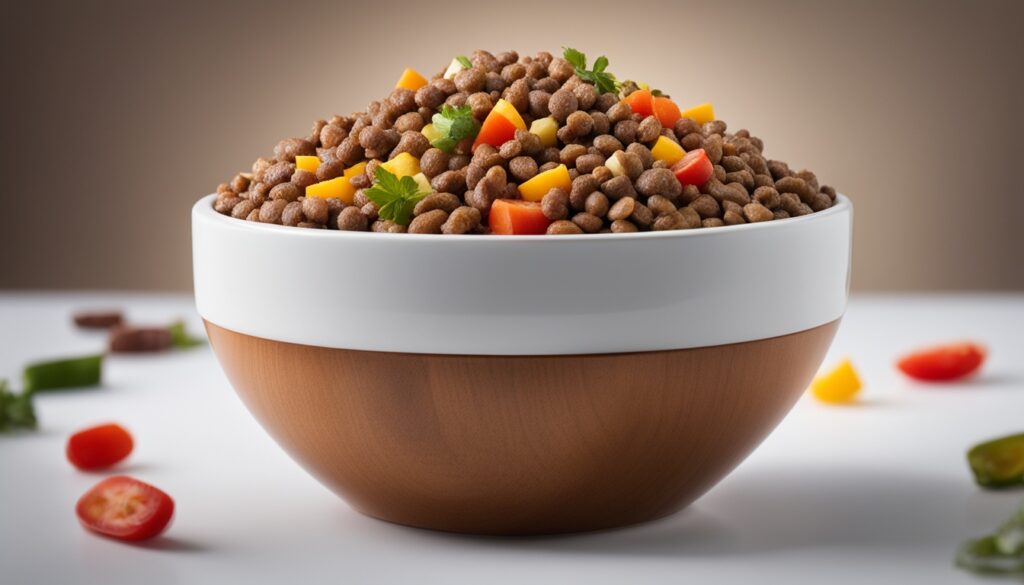
AAFCO and the « Complete and Balanced » Label
The Association of American Feed Control Officials (AAFCO) is key in meeting your pet’s nutritional needs. They set standards for pet food, making sure it’s « complete and balanced » for our pets.
Pet food makers must follow AAFCO’s strict nutritional rules to use the « complete and balanced » label. These rules consider the different needs of pets at various life stages and sizes. This makes it easier for you to pick foods that give your pets all the nutrients they need.
AAFCO created the first Dog Food Nutrient Profiles in 1991 and the Cat Food Nutrient Profiles in 1992. These have been updated several times, with the latest changes in 2016. The profiles cover growth, reproduction, and adult maintenance stages, ensuring pets get what they need at every life stage.
By sticking to AAFCO’s standards, pet food makers can label their products as « complete and balanced. » This gives you peace of mind that your pet is eating a diet that’s good for them. It makes choosing the right pet food easier, so you can give your pet the best care.
« The AAFCO Cat Food Nutrient Profile for adult cat maintenance sets the minimum level of crude protein at 26 percent on a dry matter basis. »
How Banfield Helps with Pet Nutrition
Banfield Pet Hospital is a top choice for pet care. They offer expert nutrition advice to make sure pets get the right food. They help with pet food allergies and give advice on diets for pets with diabetes. Their team works with pet owners to keep pets healthy and happy.
Managing Pet Food Allergies
Pets can get food allergies, just like people do. Banfield’s vets are great at finding and fixing these allergies. They help owners figure out what’s causing the allergy and suggest a special diet to help.
Nutrition for Pets with Diabetes
For pets with diabetes, eating right is key. Banfield’s team works with owners to create a diet plan. They focus on the right mix of carbs, proteins, and fats, and how often to feed them to keep their blood sugar stable.
With Banfield’s help, pet owners can be sure their pets are getting the best nutrition. They focus on each pet’s needs for long-term health and happiness.
Achieving a Healthy Weight for Your Pet
Keeping your pet at a healthy weight is key for their health. Pets that are overweight or obese can face serious health problems like diabetes, heart disease, and arthritis. Banfield Pet Hospital offers expert advice and support to help pet owners keep their pets at a healthy weight.
Recent stats show that 56% of dogs and 60% of cats in the U.S. are overweight or obese. This is a big problem, but with the right steps, pet owners can help their pets stay at a healthy weight.
Tailoring Pet Nutrition for Weight Management
For managing pet weight, a balanced diet is key. Some pet foods for weight loss or management have more fiber, protein, and nutrients to help pets feel full, keep muscle, and eat less. The AAFCO sets rules for labeling these foods, like « light, » « low-calorie, » « low-fat, » « reduced calorie, » or « reduced fat. »
It’s important to control how much you feed your pet. Make sure to measure out the right amount. Also, don’t give too many treats, which should make up only 10% of your pet’s daily calories, to keep their weight in check.
Promoting Physical Activity for Pets
Exercise is vital for a pet’s healthy weight. Dogs might need daily walks, while cats can enjoy interactive play. Make sure the exercise fits your pet’s age, breed, and how active they are.
If you’re worried about your pet’s weight, Banfield Pet Hospital can offer personalized help. With the right diet and exercise, you can help your pet live a long, healthy life.
The Importance of Clean, Fresh Water
Keeping your pet’s water clean and fresh is key to their health and happiness. Water is a big part of a pet’s body, making up 2/3 of it. It helps with organ function, keeping joints lubricated, and aiding digestion. Yet, many pet owners forget how vital water is for their pets.
Dehydration in pets can show as sunken eyes, pale gums, and dry skin. Some health issues like kidney disease or cancer can make dehydration worse. Pregnant, nursing, active, or older pets need more water to stay hydrated.
To keep your pet drinking enough water, change their bowls daily. Use stainless steel, porcelain, or glass bowls, not plastic. Pet fountains can also make pets drink more, but remember to change the filters often.
| Frequency of Cleaning Pet Bowls | Type of Bowls |
|---|---|
| Pet food and water bowls should be cleaned daily with very hot soapy water for at least 30 seconds. A weekly full sanitization in the dishwasher is recommended. | Stainless steel bowls are the safest choice due to their ease of disinfection. Ceramic bowls must be glazed with a lead-free glaze and free from cracks. Porous materials like plastic or unglazed ceramic bowls are harder to clean and carry more bacteria. |
Cleaning pet bowls regularly is important to stop harmful bacteria and mold. If you don’t clean them well, your pet could get sick. Not cleaning them can also make you sick by spreading diseases from pets to people.
Having clean, fresh water for your pet is a basic but important step for their health and hydration. Clean and replace their water bowls regularly to prevent dehydration and keep your pet healthy.
Benefits of Nutraceuticals
Some pet nutraceuticals go beyond what’s in regular pet food, offering extra health perks. They include antioxidants, chondroitin and glucosamine for joints, curcumin to reduce inflammation, and zeolite for better digestion and stronger bones. Talking with your vet about benefits of nutraceuticals can make sure your pet gets the best nutrition.
Studies show that 10–33% of dogs, cats, and up to 84% of horse owners in the U.S. use pet supplements or nutraceuticals. In 2016, these sales hit $580 million, up 3.5% from before. People want these supplements for pets to help with their health and happiness.
For dogs and cats, the top supplements are for joints and digestion, followed by cognition, skin/coat, heart health, and more. Horses often get supplements for joints, behavior, digestion, hooves, omega-3s, and behavior issues.
Nutraceuticals offer additional pet health benefits, helping with immune health, disease risk, and fighting oxidative stress diseases. Even though the pet supplement market isn’t closely watched, talking to your vet about nutraceuticals can make sure they’re safe and right for your pet.
« The term ‘nutraceutical’ was coined in 1989 by Stephen DeFelice, and these products are categorized into dietary supplements, functional foods, medicinal foods, and farmaceuticals. »
Conclusion
This guide has covered the key parts of pet nutrition. It talked about the importance of bioavailability and the roles of different nutrients. It also looked at the benefits of high-quality commercial foods and the help from Banfield Pet Hospital.
By learning about pet nutrition, pet owners can make better choices for their pets. This helps pets stay healthy and happy. It’s all about giving pets the right food for their needs.
Throughout this comprehensive pet nutrition guide, we’ve seen how crucial a balanced diet is for pets. Pet owners now know how to pick the right foods for their pets. This includes the right amount of protein, healthy fats, and vitamins and minerals.
By following this guide, pet owners can improve their pets’ nutrition. This means better health and happiness for their pets. With this knowledge, pet owners can choose the best food for their pets. This leads to a long, healthy life for their pets.