
Looking after your pet’s health is crucial for any pet owner. Whether you have a cat or a dog, the right care can greatly improve their happiness and life span. This guide will give you expert tips to keep your pet healthy.
By using these strategies, your pet can stay healthy from start to finish. Learn how to prevent deadly diseases with vaccines and keep them free from parasites. Also, find out how to take care of their teeth and keep them mentally sharp.
With the right care, your pet can live a long, happy life. Check out this guide to boost your pet’s health and support their wellness.
Key Takeaways
- Maintain a healthy weight for your pet through a balanced diet and regular exercise.
- Schedule annual veterinary check-ups to detect and address health issues early.
- Protect your pet from parasites like fleas, ticks, and heartworms with preventive treatments.
- Spay or neuter your pet to prevent health issues and unwanted behaviors.
- Prioritize your pet’s dental hygiene through brushing and professional cleanings.
Maintain a Healthy Weight
Keeping your pet at a healthy weight is key for their health. Proper pet nutrition and regular exercise are vital. They help prevent obesity and support strong muscles and joints.
Feed a Balanced Diet
Feed your pet a balanced, nutritious diet suited for their species and life stage. Talk to your vet to make sure their food meets their dietary needs. Treats should not make up more than 10% of their daily calories.
Provide Regular Exercise
Make sure your pet gets daily physical activity, like walks or playtime. This keeps them at a healthy weight and boosts their overall health and happiness.
- Engage in daily exercise with your pet, such as walks, playtime, or swimming (for dogs with arthritis).
- Provide interactive toys and puzzles to encourage cats to be more active.
- Consult your veterinarian for a personalized weight management plan, as some pets may require a prescription diet.
« Maintaining a healthy weight is essential for pets, as excess body fat can lead to various health issues, such as reduced exercise tolerance, increased risk of musculoskeletal injuries, and difficulties with mobility. »
By focusing on your pet’s pet nutrition and pet exercise, you can help them stay at a healthy weight. This supports their overall well-being and long life.
Regular Veterinary Check-ups
Keeping your pet healthy is very important. Regular vet visits are key to this. They help prevent health problems and can save you money over time. Cats and dogs often hide when they’re not feeling well, so seeing a vet regularly is crucial.
At a routine check-up, your vet will do a full physical exam. They look for signs of health issues like eye and ear infections, dental problems, and heart murmurs. They might also suggest tests for blood, urine, and stool to catch problems early, such as diabetes or heartworms. Catching these issues early can save you a lot of money on emergency vet bills.
Having a good relationship with your vet through regular visits helps you talk better and get advice. Sadly, only half of pet owners take their pets for regular vet check-ups. They wait until their pets are sick before going to the vet.
Don’t let your pet suffer in silence. Take care of their pet medical care and pet preventive care by going for regular vet check-ups. Catching health problems early can make your pet happier and healthier for a longer time.
« Annual veterinary check-ups can help prevent costly treatments, as early detection of health issues can minimize the severity of illnesses. »
- Cats and dogs are skilled at hiding pain and diseases until they become severe.
- Veterinarians look for signs of various health issues during physical exams.
- Early detection through blood, urine, and stool tests can identify emerging health concerns.
- Preventive care during wellness check-ups can save pet owners thousands in emergency medical costs.
- Establishing a good relationship with a veterinarian can enhance overall pet health management.
Don’t wait until your pet is sick to get them help. Make sure to schedule regular vet visits and be active in their pet preventive care. Your pet’s health is worth it.
Vaccinate Against Diseases
Keeping your pet safe from deadly diseases is key to being a responsible pet owner. Vaccines have saved millions of animals from diseases like distemper, parvovirus, and rabies. They are crucial in preventing the spread of these illnesses.
Core Vaccinations
All pets need core vaccinations, no matter their lifestyle or risk level. These include vaccines for canine distemper, parvovirus, and rabies in dogs. Cats need vaccines for feline panleukopenia, leptospirosis, and rabies. It’s important to talk to your vet about the right vaccination schedule for your pet.
Non-Core Vaccinations
Non-core vaccines may be needed based on your pet’s lifestyle and risks. These include vaccines for diseases like canine influenza and Lyme disease. Your vet can tell you which non-core vaccines your pet needs.
Vaccines not only protect your pet but also stop diseases from spreading in the community. Many laws require pets to be vaccinated against certain diseases. This keeps all animals safe.
Vaccines might have some side effects, like tenderness or mild fever. But these are usually mild and don’t last long. Rarely, pets can have serious allergic reactions. But the risks of not vaccinating are much higher.
Keeping your pet’s vaccinations up-to-date means they’re safe from many diseases. This helps keep them healthy and happy for a long time.
Keep Them Parasite-Free
Keeping your pets safe from parasites is key to their health and happiness. Parasites like fleas, ticks, and heartworms can cause serious health issues. Working with your vet is the best way to keep your pet healthy and free from parasites.
Flea and Tick Prevention
Fighting off fleas and ticks can be tough, but you can win the battle with the right steps. Your vet can suggest the best flea and tick prevention for your pet, like spot-on treatments, pills, or collars. It’s also important to brush your pet often and keep their living area clean to fight parasites.
Heartworm Prevention
Heartworm is a serious condition that can harm dogs and cats. But, it’s preventable with the right medicine from your vet. Keeping your pet on a heartworm prevention plan is key to protecting them from this deadly parasite.
Being careful and proactive with pet preventive care helps keep your pets safe from parasites. With help from your pet medical care team, you can create a plan to keep your pets healthy and well.
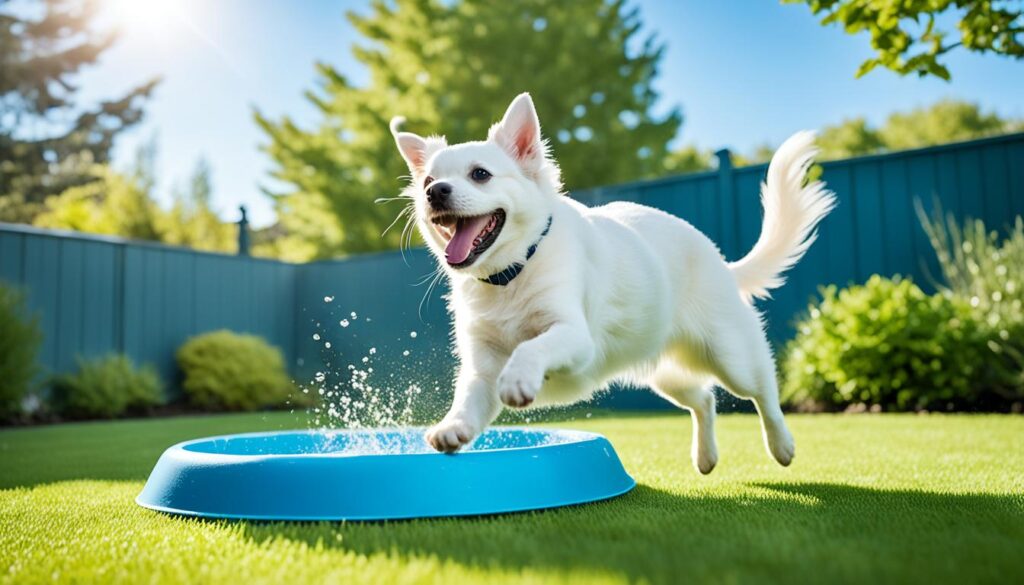
« Regular check-ups and preventive treatments are the best way to ensure your pets remain happy, healthy, and parasite-free. »
Spay or Neuter Your Pet
Spaying or neutering your pet has many health and behavior benefits. This simple surgery lowers the risk of some cancers and infections. It also stops unwanted behaviors like aggression and wandering off to find a mate.
The stats are clear: millions of dogs and cats are euthanized yearly because there are too many pets. Spaying or neutering your pet is key to preventing this and solving the pet overpopulation crisis.
Spaying a female pet before her first heat cycle protects against serious infections and tumors. Neutering a male pet prevents testicular cancer and some prostate issues. Plus, unneutered dogs and cats tend to mark their territory with strong-smelling urine, which pet owners often dislike.
- Healthy puppies can be neutered from eight weeks old, with adults having a slightly higher risk of complications.
- Kittens can be spayed or neutered from eight weeks old to prevent infections and breast cancer, and to stop unwanted litters.
- After surgery, keep your pet in a quiet spot indoors and away from other animals. Check the incision site daily to make sure it’s healing right.
The cost of spaying or neutering is much less than raising a litter of puppies or kittens. By doing this, you protect your pet’s health and help fight pet overpopulation. This ensures a better future for our furry friends.
« Spayed or neutered dogs and cats live longer, on average, compared to their unaltered counterparts, showing the positive impact on lifespan. »
pet health
Keeping your pet healthy is a big responsibility for any pet owner. A good care plan includes proper nutrition, regular exercise, and vet visits. The Pet Health and Nutrition Center helps pet owners take care of their pets.
Keeping your pet at a healthy weight is important. Too much weight can lead to serious health problems. A balanced diet and regular exercise keep your pet fit. Regular vet check-ups help catch health issues early.
Preventive care is key for pet health. Vaccines and parasite control protect your pet from diseases. Good dental care prevents infections and dental problems.
Just like physical health, mental well-being matters for pets. Toys, training, and playtime keep their minds sharp. This reduces behavioral problems and keeps them happy.
A proactive approach is best for pet health. Working with your vet and using the Pet Health and Nutrition Center resources helps. This ensures your pet stays happy and healthy for a long time.
« The natural supplements from the Pet Health and Nutrition Center have made a world of difference for our dog, Teddy, who was struggling with myelopathy. We noticed a positive difference after the first dose, and his condition has continued to improve with their holistic approach. »
Identifying Common Pet Health Issues
It’s important for pet owners to know about common health issues. These include:
- Arthritis
- Bloat and Gastric Torsion
- Cancer
- Canine Parvovirus
- Diabetes Mellitus
- Distemper
- Epilepsy
- Fleas, Ticks, and Mites
- Gastric Dilation Volvulus
- Hip Dysplasia
- Hypothyroidism
- Leptospirosis
- Liver Shunt
- Luxating Patella
- Obesity
- Parasites and Worms
- Ruptured Anterior Cruciate Ligament
- Salmonella
- Seizures
- Vertigo
Knowing about these health issues helps you spot problems early. With your vet’s help and resources from the Pet Health and Nutrition Center, you can take action.
Dental Hygiene Matters
Keeping your pet’s teeth clean is key to their health. Up to 80% of pets get periodontal disease by age three if not cared for. This disease can cause pain and harm the heart, kidneys, and other organs.
Brushing and Professional Cleanings
Brush your pet’s teeth three times a week with a soft toothbrush and pet toothpaste. It’s also important to get professional cleanings. These are done under anesthesia to clean thoroughly and check for problems.
But, many pet owners don’t brush their pet’s teeth often. In fact, 60% don’t brush regularly, and two-thirds skip dental care advice. This can lead to serious health issues, like heart and kidney disease.
« Dental problems often develop gradually, making it easy to miss signs until a bad infection is present. »
Regular pet health and pet grooming practices help keep your pet’s mouth healthy. This means daily brushing and professional cleanings. It supports their overall health and happiness.
Provide Mental Stimulation
Pets need mental stimulation to stay happy and healthy, just like humans do. Activities that challenge their problem-solving skills can prevent boredom and anxiety. Puzzle toys, training exercises, and interactive play are great ways to keep your pet’s mind sharp.
A recent study found that 77% of dogs suffer from boredom or anxiety without enough mental stimulation. Pet owners are finding new ways to keep their pets engaged. 34% use hide-and-seek games, and 46% do « Find It » activities to keep their dogs’ minds active.
- Scent walks help dogs use their natural curiosity, reducing stress in 82% of dogs.
- Changing walking routes keeps pets excited and mentally stimulated, says 56% of owners.
- 68% of owners use puzzle toys to keep pets busy for hours.
- Frozen treats and scatter feeding mats are also popular, used by 89% and 73% of owners, respectively.
Training is a key way to mentally stimulate pets, with 91% of owners using it to bond and stimulate their pets. Rotating toys helps keep pets interested and prevents boredom, with 62% of owners doing this.
Mental stimulation improves cognitive functions, memory, and problem-solving skills in pets. It also helps prevent and address behavioral issues. By providing a rich environment, you help your pet live a happy, healthy life.

« Providing mental stimulation for pets is not just a luxury, but a necessity for their overall well-being. It’s a crucial aspect of responsible pet ownership. » – Dr. Emma Goodman, Veterinary Behaviorist
Supplement for Overall Wellness
We all want our pets to stay healthy and happy. Using dietary supplements is a great way to help. The US pet supplement market offers many products like vitamins, minerals, and probiotics. These can help with joint and digestive health.
All-Natural Supplements
When picking supplements, choose all-natural options with pure ingredients. Brands like Nutramax Laboratories and The Garmon Corporation make supplements for joint and digestive health. They aim to improve pets’ lives and their owners’ too.
Key Nutrients
It’s important to make sure your pet gets the right nutrients. PetCareRx Inc and PetHonesty sell a variety of pet nutrition products. These include supplements, medications, and healthy treats for your pet’s needs.
Companies like Solid Gold Pet and Instinct focus on natural and whole-food pet nutrition. They aim to boost pets’ health and happiness with balanced diets and supplements. Zesty Paws and NaturVet offer premium pet supplements. They help with immune support, joint health, and calming aids.
The pet supplement market is growing, giving pet owners more choices for their pets’ wellness. By choosing all-natural, quality supplements and ensuring your pet eats right, they can live their best life.
| Product | Price |
|---|---|
| Life Gold for Dogs | $64.95 |
| Adrenal Harmony Gold for Dogs | $74.95 |
| Kidney Support Gold for Cats | $64.95 |
| Thyroid Support Gold for Cats | $76.95 |
« Providing high-quality, all-natural supplements can be a game-changer in supporting your pet’s overall health and wellbeing. »
Grooming and Coat Care
Keeping your pet’s coat healthy and shiny is key to their well-being. Regular pet grooming like brushing, bathing, and nail trims is vital. It keeps your pet comfy and clean. A well-groomed pet looks great and has better skin and coat, which is good for their pet health.
Brushing your pet’s coat every week helps spread natural oils, removes loose hair, and stops mats and tangles. The right brushing schedule depends on your pet’s breed and coat type. Short-haired pets might only need brushing now and then, while long-haired ones might need it every day.
Besides brushing, bathing and nail trims are key grooming tasks. Most dogs need a bath every 4-6 weeks, but this can change based on their lifestyle and coat type. Experts at professional groomers can help, especially with pets that have special needs or act out.
| Grooming Task | Frequency |
|---|---|
| Brushing | Weekly |
| Bathing | Every 4-6 weeks |
| Nail Trims | Every 4-6 weeks |
Using the right grooming tools, like slicker brushes and shedding blades, makes grooming easier and fun for you and your pet. Having a regular grooming routine that fits your pet’s needs is important for their pet health and pet grooming.
« Regular grooming helps maintain a pet’s skin and coat health, contributing to their overall well-being. »
Whether you groom your pet at home or take them to a pro, regular pet grooming has many benefits. By focusing on your pet’s grooming, they’ll look and feel their best. This also helps spot any health issues early.
Watch for Signs of Illness
Keeping your pet healthy is crucial. Watch for any changes in their behavior or looks. This can help spot health problems early. By watching closely, you can get them the care they need fast.
Changes in Behavior
Notice any odd changes in your pet’s behavior. These can hint at health issues. Look out for changes in eating, playing, and bathroom habits. Also, watch for a lot of scratching, eye or nose discharge, and trouble breathing. These signs mean it’s time to see the vet.
Physical Symptoms
- Inability to urinate or difficulty urinating
- Excessive bleeding
- Bloated, hard abdomen
- Difficulty breathing or swallowing
- Seizures
- Inability to stand up
These symptoms are serious and need vet care right away. If your pet shows any of these signs, call your vet quickly.
For less serious signs like eating less, acting differently, or bathroom changes, see a vet in 24-48 hours if they keep up. Your vet can help your pet get better and stay healthy.
Sick pets might need daily care at home. This includes medicine, special food, and extra care. Your vet will show you how to give medicine right. Keep your pet quiet and follow diet advice closely to help them heal.
By watching closely and getting vet help when needed, you keep your pet healthy and happy. Don’t wait to call your vet if you worry about your pet’s health or looks.
Pet-Proof Your Home
Making your home safe for pets is key for their health. Start by removing dangers, securing cleaners and meds, and making a comfy, fun space for your pet. Check your home often to stop accidents or toxic stuff from harming your pet.
Food can be a big danger for pets. Things like chocolate, coffee, and onions are bad for them. Also, some plants in the house can be poisonous. So, keep these things away from your pets.
Electrical cords are a big risk, especially in rooms where pets hang out. Think about covering or taping them down to stop pets from chewing. Also, keep cleaners and meds where pets can’t get to them.
- Keep your pet’s outdoor area safe with a fence.
- In the living room, use anti-scratch tape on furniture and cover cords.
- In the kitchen, use a gate to keep pets off counters, secure trash bins, and get a stove guard.
- Always close the toilet lid in the bathroom, keep meds up high, and use bitter spray on cabinets.
- In the bedroom, close closet doors, tuck bedding under the mattress, and keep lotions out of reach.
- Make sure the garage is well-ventilated, shut the door, and remove sharp or toxic items.
- Block off dangerous areas in the yard and don’t use harmful chemicals for weeds or pests.
By taking steps to pet-proof your home, you make a safe place for your pet. A bit of care can help keep your pet’s health safe and prevent accidents.
Exercise for Different Life Stages
Keeping your pet healthy is more than just feeding them right. The right amount and type of pet exercise changes a lot with their age, breed, and energy. It’s key to know what exercise your pet needs at each stage to keep them happy and healthy.
Puppies and Kittens
Puppies and kittens need lots of playtime to grow strong. They should have regular exercise to build muscles, bones, and heart health. Play with them in short, fun activities like fetch, tug-of-war, or exploring new places on a leash.
Adult Pets
Adult pets need 30-60 minutes of exercise every day, based on their breed and energy. High-energy breeds like Retrievers and Herding dogs might need up to 90 minutes of intense activities. But, lower-energy breeds like Pugs and Chihuahuas are happy with 30-45 minutes of moderate exercise.
Senior Pets
Older pets have different exercise needs. Senior dogs and cats do well with gentle activities like short walks, swimming, or physical therapy. Talk to your vet to find the best pet exercise for your aging pet, keeping them active and comfy.
It’s important to talk to your vet for a personalized exercise plan for your pet, no matter their age. The right pet exercise helps your furry friend stay healthy and happy with you.
Conclusion
Keeping your pet healthy is a big job, but it’s worth it. By following the expert advice in this guide, you can make sure your pet is happy and healthy. This means they’ll live a long, joyful life with you.
Feeding them right, making sure they get enough exercise, and taking them to the vet regularly are key. Also, keeping their teeth clean, making them mentally stimulated, and keeping their living space safe are vital. These steps help keep your pet both physically and emotionally well.
By focusing on pet health and pet care, you’ll strengthen your bond with your pet. This can lead to better heart health, less depression, and more social interaction for you. With the right care and love, your pet will have a happy, full life with you.