
Pets are more than just animals; they are our beloved family members. Whether you have a dog, a cat, or another pet, giving them the best pet care is key. This guide will cover the basics of pet care, like nutrition, exercise, grooming, and mental stimulation. By focusing on their health, nutrition, and happiness, we can make sure they live a happy and healthy life.
Key Takeaways
- Balanced nutrition and regular exercise are crucial for pets’ overall well-being.
- Preventive veterinary care, including vaccinations and dental care, helps maintain pet health.
- Creating a safe, pet-friendly environment and providing mental stimulation are essential for pet happiness.
- Consistent grooming and proper socialization contribute to a pet’s physical and emotional well-being.
- Parasite prevention and regular playtime activities enhance pets’ quality of life.
Introduction to Responsible Pet Ownership
Pets bring joy, love, and a sense of fulfillment to our lives. But, being a pet owner means more than just the initial excitement of having a new friend. It’s important to understand the role pets play in our lives and the commitment needed to care for them well.
The Importance of Pets in Our Lives
Research shows that pets have a big impact on our health and happiness. They offer companionship, help reduce stress, and can even make our hearts healthier. About 67% of pet owners see their pets as more than just animals; they’re partners.
Understanding the Responsibilities of Pet Ownership
Being a responsible pet owner is a big job that lasts a lifetime. It means knowing what your pet needs and being ready to provide for them. This includes time, money, and effort.
It’s important to make sure pets have good food, clean water, a comfy place to live, and regular exercise. They also need to see the vet regularly. Plus, following local laws and keeping them safe with tags or microchips is key.
Teaching pets to behave and socializing them is also vital. About 63% of owners know how important this is. It helps pets become happy and well-adjusted friends.
Being a responsible pet owner means always putting your pet’s needs first. By doing so, we ensure they live well and make our lives better too.
« Pets are not our whole life, but they make our lives whole. » – Roger Caras
Nutritional Needs for Optimal Health
Looking after your pets means giving them a balanced and nutritious diet. Each pet is different, so it’s key to know what they need. Talking to vets and picking top-notch pet food with the right nutrients and proteins is key to their health.
Choosing the Right Pet Food
When picking pet food, check the ingredients. Choose foods with named proteins like chicken or beef, not just « meat. » Also, go for whole, less processed ingredients and skip foods with too many additives or fillers.
Make sure your pet eats a balanced diet. Look for the Association of American Feed Control Officials (AAFCO) statement on the label. It means the food meets their nutritional standards.
The Dangers of Improper Feeding
Feeding your pet wrong can cause health problems, like obesity. Too much food or not enough nutrients can hurt your pet. Talk to your vet to find out what your pet needs, considering their age, size, how active they are, and any health issues.
| Nutrient | Function | Recommended Amount |
|---|---|---|
| Proteins | Essential for growth, maintenance, and repair of tissues | 18-30% of total diet |
| Fats | Provide energy, support skin and coat health, and facilitate absorption of fat-soluble vitamins | 5-15% of total diet |
| Carbohydrates | Serve as an energy source, but should be limited in a dog’s diet | Less than 50% of total diet |
| Vitamins and Minerals | Support various physiological functions and overall health | Varies based on specific requirements |
« Proper nutrition is the foundation for your pet’s health and well-being. Investing in high-quality pet food and understanding your pet’s dietary needs can make all the difference in their quality of life. »
Exercise and Mental Stimulation
Keeping our dogs active both physically and mentally is key for their happiness and health. Activities like pet exercise and mental challenges help prevent boredom and reduce bad behaviors. This makes our pets happier and healthier.
There are many ways to keep our dogs active and sharp. Daily walks and playtime are great, as are interactive toys and training. For example, scent walks can calm a dog down by making them sniff and release dopamine. Changing the walking path keeps them interested and happy.
- Interactive toys and puzzles keep dogs busy and calm, taking their mind off stress.
- Training exercises can be tiring for dogs, using just a few minutes a day to work their brains.
- Switching toys keeps dogs excited and interested, preventing boredom.
Dogs need at least 20 minutes of activity each day, with 1-2 walks. Some dogs need more, depending on their energy level. Obedience classes and walks or runs in the cold months are great for their mind and body.
| Activity | Benefits | Recommendations |
|---|---|---|
| Physical Exercise | Reduces behavioral issues like excessive barking, digging, or chewing | Earth Rated Flying Disc Toy for active breeds |
| Mental Stimulation | Prevents boredom and behavioral problems in dogs | Nina Ottoson Dog Twister for mental engagement |
It’s important to find the right mix of exercise and mental challenges for each dog. This depends on their breed, age, and personality. Combining physical and mental games, like hide-and-seek with a tough toy, works well. Regular training and puzzle toys also boost their problem-solving skills and mental health.
« A balanced routine can increase good behaviors and decrease destructive behaviors. »
Adding different pet exercise and mental enrichment activities to our pets’ daily routine keeps them fit, sharp, and happy. This strengthens the bond between us and our pets.
Grooming and Hygiene Essentials
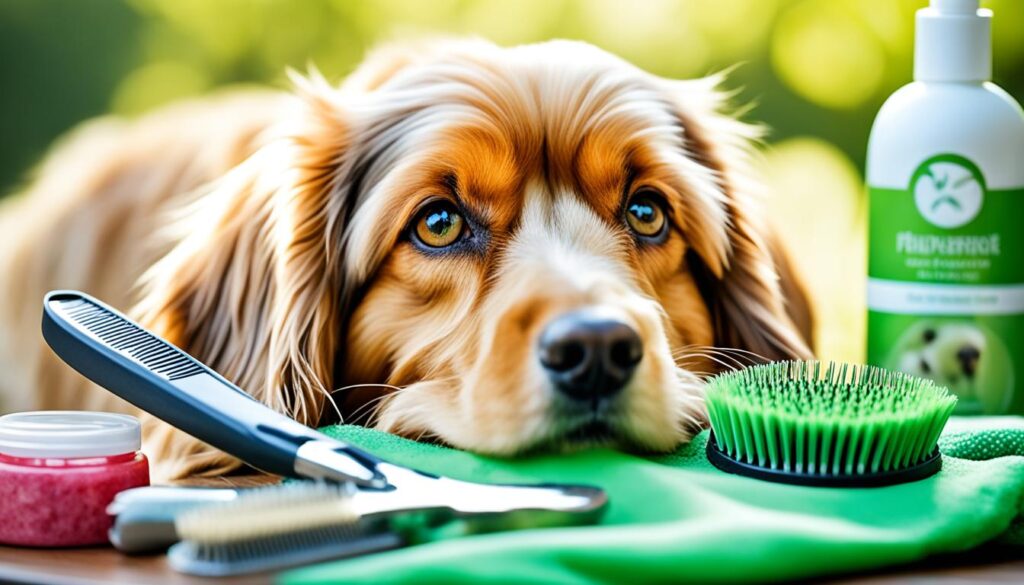
Keeping your pet clean is key for their health and happiness. Regular pet grooming makes them look great and feel comfortable. This guide covers the basics of brushing and bathing techniques and the perks of professional grooming services.
Brushing and Bathing Techniques
Brushing is vital for your pet’s coat. Dogs have many more smell receptors than humans, so regular brushing is a must. Picking the right brush for your pet’s coat type is important to avoid irritation or infection.
Some dog shampoos, like Wahl’s Four in One Dog Shampoo, come with conditioner. This helps to untangle mats and moisturize the skin.
Bathing your pet should be done with care. Overbathing can dry out their skin and remove natural oils. It’s best to bathe them every 4-8 weeks, depending on their activity and coat type. Remember to use flea and tick preventatives monthly for good hygiene.
Professional Grooming Services
For pets with special coats or those who get anxious during grooming, a professional groomer can be a big help. They know how to trim, style, and care for different pet grooming needs. They also have the right tools and techniques to make grooming stress-free.
Going to a professional groomer regularly keeps your pet’s coat and nails in top shape. This reduces the chance of discomfort, infection, and other health problems. It’s a good idea to get professional help for badly matted fur to avoid cuts or skin irritation.
Veterinary Care: Preventive and Reactive
Being a responsible pet owner means having a solid healthcare plan. This plan includes both preventive and reactive veterinary care. It’s key to take your pet for regular check-ups to spot health problems early. Vaccines, preventive treatments, and dental care are essential for your pet’s health.
Importance of Regular Vet Visits
Keeping up with your pet’s medical records and following your vet’s advice is crucial. One study in dogs showed that keeping a healthy weight improved their quality of life. Regular vet visits help keep your pet in top shape. They include exams, blood and urine tests, shots, parasite preventives, and dental care.
Common Pet Health Issues
Dogs, especially big breeds, need care for their joints and mobility. Cats also need help keeping their joints flexible as they get older. Omega-3 fatty acids help dogs and cats have healthy skin and fur. Older or heavier cats might need extra grooming and supplements for their skin.
Prebiotics and probiotics are good for their stomachs. They help with digestion and keeping their gut healthy.
| Preventive Care | Reactive Care |
|---|---|
| Proactive management of a pet’s health before symptoms appear, focusing on diet, exercise, environment, and regular veterinary wellness exams. | Addressing immediate health issues when symptoms are already present, aiming to return the pet to a healthy state, often at higher costs. |
Talking to your vet about your pet’s breed can help spot potential health problems early. By focusing on preventive care, you can dodge the high costs and stress of reactive care.
Pet Care: Creating a Safe Environment
Keeping our furry friends safe and comfortable is key to being a good pet owner. We must make sure our homes are safe from pet-proofing dangers. This means keeping our pets away from household hazards and toxic substances. A cozy and comfortable living space helps our pets feel safe and happy.
First, we need to spot and fix any dangers at home. This means keeping medicines, cleaners, and other toxic substances away from pets. We should also hide electrical cords, sharp things, and small items to prevent choking or injury.
Creating a special « safe spot » in the house is also important. This place should be quiet and comfy for pets to rest and relax. Adding soft bedding, toys, and calming music can make it a peaceful spot. Feeding pets here can also make them feel good about this area.
But safety isn’t just inside. We must make the outdoors safe too. This might mean putting up pet-proofing things like fences and lights. Training pets and regular vet visits are also key to their health.
Putting pet safety first and making a comfy home helps our pets live well. With careful attention and the right steps, our pets can be happy and healthy with us.
Socialization and Training Basics
Socializing your pet and using positive reinforcement training are key to making your furry friend well-adjusted and obedient. During the « sensitive period, » pets learn to adapt to different environments and beings. This helps prevent future behavioral problems.
Early Socialization for Well-Adjusted Pets
Experts say to start pet socialization between 3 and 14 weeks for puppies, and 3 and 9 weeks for kittens. This early exposure builds confidence and social skills. Without it, many pets end up in shelters, showing how vital this period is.
Positive Reinforcement Training Methods
Behavior training with positive reinforcement strengthens the bond between you and your pet. It also helps with obedience and behavior. Classes for puppies or kittens are great for socializing during this critical time, as long as they’re vaccinated.
By focusing on socialization benefits and positive reinforcement training, pets become confident, well-behaved, and loving companions.
Parasite Prevention and Control
Keeping your pets safe from parasites is key to being a good pet owner. Fleas, ticks, and worms can harm dogs and cats. They cause skin problems, anemia, and can spread diseases.
Working with your vet is important to keep your pets healthy. They will help you make a plan to prevent parasites. This plan includes giving your pets the right medications and treatments.
It’s also vital to take your pets for regular vet check-ups. These visits help find and treat parasites early. Your vet can also give advice on the best ways to protect your pet.
Being proactive in preventing parasites keeps your pets and your family safe. It stops the spread of diseases from pets to people. Remember, stopping parasites before they start is the best way to protect your pets and your family.
| Parasite | Potential Health Risks | Preventive Measures |
|---|---|---|
| Fleas | Skin irritation, tapeworm transmission | Monthly flea prevention medication |
| Ticks | Lyme disease, Babesia, Ehrlichiosis | Regular tick checks and prevention treatment |
| Worms (Roundworm, Hookworm, Whipworm) | Digestive issues, anemia, malnutrition | Deworming medication as recommended by vet |
| Lungworms | Respiratory problems, potentially fatal | Preventive medication and avoiding slug/snail contact |
Working with your vet is key to keeping your pets safe from parasites. Follow their advice and stay proactive to protect your pets.
« Parasite prevention is a crucial aspect of responsible pet ownership, as it safeguards the health and wellbeing of our beloved companions. »
Enrichment and Playtime Activities
Pets, like us, can get bored and anxious. Giving them interactive toys, puzzles, and training sessions keeps their minds sharp. Outdoor activities and exploration also help their physical and mental health, making them happy and fulfilled.
Interactive Toys and Puzzles
There are many DIY enrichment ideas like Snuffle Mat, Frozen Treats, Puzzle Box, Tug-of-War Rope, Scent Work, and DIY Agility Course. Puzzle toys like Classic Kong toys, lick mats, and treat-dispensing items keep pets busy and engaged.
For dogs, chewing and shredding toys are key to satisfy their instincts. Treasure hunts and snuffle mats challenge their tracking and hunting behaviors. Clicker training helps improve obedience and solve problem behaviors.
Outdoor Adventures and Exploration
Exploring with your pet on walks or hikes is enriching and uses their senses. Supervised Playgroups at Daycares offer socialization and play, with trained staff ensuring safe group dynamics.
Research shows that behavioral enrichment keeps senior pets’ minds sharp and lowers disease risk. Regular interaction helps spot health issues early, leading to quicker vet care.
It’s key to give pets mental stimulation and physical activity through various enrichment activities. This is vital for their well-being and a long, healthy life.
Pet Care: A Lifetime Commitment
Caring for a pet is a journey that lasts a lifetime. It requires dedication and responsibility. As pet owners, we promise to give our furry friends the care they need for their whole life. This promise is big, covering many responsibilities that can last for decades.
Being a responsible pet owner means knowing the long-term commitment you’re making. You’ll need to provide food, water, shelter, and veterinary care. Pets change as they get older, so their needs change too. Puppies and kittens need lots of attention and training. Senior pets may need more health care.
- Overfeeding your pet or giving them too many treats could lead to obesity, triggering health problems such as heart disease and renal issues.
- Cats should be provided with at least one litter box for their bathroom needs.
- Puppies generally require a potty break every one to two hours during the day, and a general rule suggests that a puppy can hold it for as many hours as they are months old, plus one.
- Senior dogs need to relieve themselves more frequently, and dogs can usually be taught to use doggy doors, potty pads, or to wait for walks to relieve themselves.
Exercise, mental stimulation, and socialization are key to caring for pets. Pets love to play, explore, and interact. This keeps them fit and happy.
Adopting a pet is more than just the first few months of joy. It’s a long-term commitment. It means understanding the ongoing responsibilities and changing needs of our pets. By making this commitment, we ensure our pets get the love and care they need. This builds a rewarding relationship that lasts a lifetime.
« Caring for a pet is a lifelong journey that requires unwavering dedication and responsibility. »
The Human-Animal Bond
The bond between humans and their pets is amazing. Pets give us love and friendship without condition. This bond is deep and rewarding, improving our mental and physical health.
Unconditional Love and Companionship
Pets show us love and support like no other. The American Veterinary Medical Association says the bond between humans and animals is special. It’s a relationship that helps both people and animals stay healthy and happy.
Mental and Physical Benefits of Pet Ownership
Studies show that having a pet is good for us. Dog owners are 65% less likely to die after a heart attack. They also have a 24% lower risk of dying overall.
Having a cat can also be beneficial. It can increase your chances of surviving a year after a heart attack. Cat owners are 40% less likely to die after a heart attack.
Pets also help our mental health. Living with a dog can make you live longer. A study in Sweden found dog owners who lived alone had a 36% higher chance of living longer.
Many people see the value in the human-animal bond. 95% of pet owners see their pets as family. 98% say having a pet improves their health. Pets reduce stress, fight loneliness, and bring happiness into our lives.
« The human-animal bond is a mutually beneficial and dynamic relationship between people and animals that is influenced by behaviors essential to the health and wellbeing of both. » – American Veterinary Medical Association (AVMA)
Embracing the human-animal bond brings many benefits. It improves our mental and physical health. Being a responsible pet owner is a privilege that brings great joy and fulfillment.
Pet Care: Essential Tips for Responsible Pet Owners
Being a responsible pet owner is both rewarding and challenging. We get to care for our furry, feathered, or scaly friends. This guide covered the basics of pet care, like nutrition, vet visits, grooming, and training. Now, let’s summarize the key tips for keeping your pets healthy, happy, and well.
- Schedule regular veterinary check-ups: Adult pets need yearly check-ups, while seniors should go twice a year. This keeps them healthy and catches problems early.
- Provide a balanced, age-appropriate diet: Talk to your vet to find the right food for your pet. Consider their size, age, and health conditions.
- Engage in regular exercise and playtime: It’s important for your pet’s health to have fun activities, toys, and exploration time.
- Prioritize basic obedience training and socialization: Start early and use positive methods to make your pet well-adjusted and confident.
- Ensure proper identification: Use microchips, collars with tags, and other ID to help find your pet if they get lost.
- Maintain consistent grooming routines: Brushing, bathing, nail trimming, and dental care keep your pet clean and healthy.
- Spend quality time with your pet: Playing, cuddling, and showing love strengthens your bond and helps your pet’s emotional health.
- Prepare for emergencies: Have a pet first-aid kit and know where the nearest emergency vet is for sudden health problems.
- Practice environmental responsibility: Dispose of pet waste properly and think about your pet’s effect on the environment.
- Commit for the long haul: Pet ownership is for life. Be ready to give the care and attention your pet needs throughout their life.
By following these pet care tips, you can be a great pet owner. Your furry, feathered, or scaly friends will thrive. Remember, pet health and wellness is key. With love, patience, and dedication, you can give your pets the best care possible.
« The greatness of a nation and its moral progress can be judged by the way its animals are treated. » – Mahatma Gandhi
Being a responsible pet owner is more than a list of tasks. It’s a way of life that shows our values and care for our pets. By following these tips, you start a rewarding journey of responsible pet ownership. Enjoy the happiness of being a pet parent for many years.
Conclusion: Celebrating the Joys of Pet Parenting
Caring for a pet is both fulfilling and rewarding. It’s about making sure they are healthy, well-fed, and happy. This way, our furry friends can live a joyful life.
Pets love us unconditionally. As responsible owners, we must give them the best care we can. This is our way of showing love back to them.
Having a pet is a journey full of joy and friendship. The bond between a pet and their owner is unique. Pets make us happy with their loyalty and fun behavior.
On National Pet Parents Day, let’s appreciate our pets’ role in our lives. Sharing quiet evenings or going on adventures together is special. These moments make pet parenting rewarding.
By taking care of our pets and strengthening our bond with them, we create a life full of love and laughter. This is what makes being a pet parent so fulfilling.