
Anxiety disorders affect over 19% of American adults every year. This makes finding effective, natural treatments more urgent than ever. What if managing your anxiety doesn’t require medication, but simple, natural methods? Explore natural remedies and learn how to take back control of your mental health.
Key Takeaways
- Anxiety is a widespread mental health issue impacting over 19% of adults in the United States each year.
- Natural remedies, such as exercise, meditation, and herbal supplements, offer alternatives to conventional anxiety treatments.
- Exercise, particularly high-intensity regimens, can significantly alleviate anxiety symptoms.
- Meditation and relaxation techniques, like mindfulness-based stress reduction, can be as effective as antidepressants in reducing anxiety.
- Herbal remedies, including chamomile and lavender, show promise in alleviating anxiety without the side effects of prescription drugs.
Introduction
Anxiety is a normal feeling we all have sometimes. But for some, anxiety disorders can be a big problem. Luckily, natural remedies can help manage anxiety and improve our well-being.
Anxiety: A Common Condition
Anxiety disorders, like generalized anxiety disorder, panic disorder, and social anxiety, cause too much fear and worry. They can make it hard to work, have friends, and do everyday things. These conditions are serious and can really hurt someone’s life.
Benefits of Natural Remedies
While therapy and medication work well, many people look for alternative therapies for anxiety. Natural remedies, like herbal supplements, aromatherapy, and lifestyle changes, can help without the side effects of drugs.
Learning about natural anxiety relief can open up new ways to manage anxiety. People can find alternative therapies for anxiety that work with or instead of their current treatments.
Exercise for Anxiety Relief
Adding physical activity to your day can help manage anxiety. Both intense and gentle exercises offer relief. They distract from worries, release happy hormones, and ease physical tension.
Types of Exercises for Anxiety
Some great exercises for anxiety include:
- Walking or jogging
- Swimming
- Yoga
- Strength training
These activities help you focus on your body and breath. They distract from anxious thoughts.
Benefits of Exercise for Anxiety
Regular physical activity for stress relief boosts mood and health. It’s a natural way to manage anxiety. Studies show it can lessen panic attacks and improve sleep, especially during COVID-19.
« Anxiety exercises aim to quickly help individuals relax and find relief. »
Whether you like intense workouts or gentle ones, adding workout routines for anxiety to your life is beneficial. It’s a strong tool for mental health and wellness.
Meditation and Relaxation Techniques
Meditation and relaxation techniques are great natural ways to handle anxiety. Mindfulness practices like focused breathing and body scans calm the mind. They bring a sense of peace within.
Progressive muscle relaxation helps by tensing and then releasing muscles. Deep breathing exercises slow down breathing, helping to calm the nervous system.
- Relaxation techniques can manage stress by slowing heart rate and lowering blood pressure. They ease muscle tension and chronic pain.
- These methods improve sleep quality, reduce fatigue, and lessen anger and frustration. They also boost confidence in solving problems.
- Meditation reduces stress and brings calm. It benefits emotional well-being and overall health.
To get the most from relaxation techniques, use them with positive coping methods. This includes positive thinking, problem-solving, time management, exercise, healthy eating, and reaching out to supportive family and friends.
| Relaxation Technique | Description | Benefits |
|---|---|---|
| Meditation | Focused attention, relaxed breathing, and an open attitude towards thoughts | Reduced negative feelings, improved creativity, increased patience, lower resting heart rate, lower blood pressure, and better sleep |
| Deep Breathing | Slow, controlled breathing to regulate the nervous system | Restores a sense of calm and helps manage anxiety |
| Progressive Muscle Relaxation | Systematically tensing and releasing different muscle groups | Alleviates physical tension associated with anxiety |
« Meditation is the key to unlock the door to the Self, to our true nature and essence. »
Building meditation and relaxation skills takes practice. Try different techniques to find what works for you. By adding these natural remedies to your daily routine, you can manage anxiety and improve your overall well-being.
Herbal Remedies and Supplements
Some herbs and supplements are known for helping with anxiety. Chamomile and lavender are two of the most popular. They are known for their calming effects. Studies show they can help with anxiety and offer a gentle way to find natural anxiety relief.
Chamomile and Lavender
Chamomile is a daisy-like flower that might help with generalized anxiety disorder. A 2016 study found that taking 1,500 mg of chamomile daily for 12 weeks helped. It made symptoms less likely to come back, and if they did, they were milder.
Lavender essential oil might calm the brain’s receptors. This could help with anxiety disorders. A 2017 review said lavender oil could offer herbal anxiety relief because of its soothing effects.
Other Herbs and Supplements
Other herbs like valerian, passionflower, and kava might also help with anxiety. But, there’s less research on them. For example, valerian might help with anxiety and stress, but some studies found no benefits.
The quality and safety of herbal supplements for anxiety can vary. The FDA doesn’t check them like medicines. It’s wise to talk to a healthcare provider before using them. They can check for any risks or side effects.
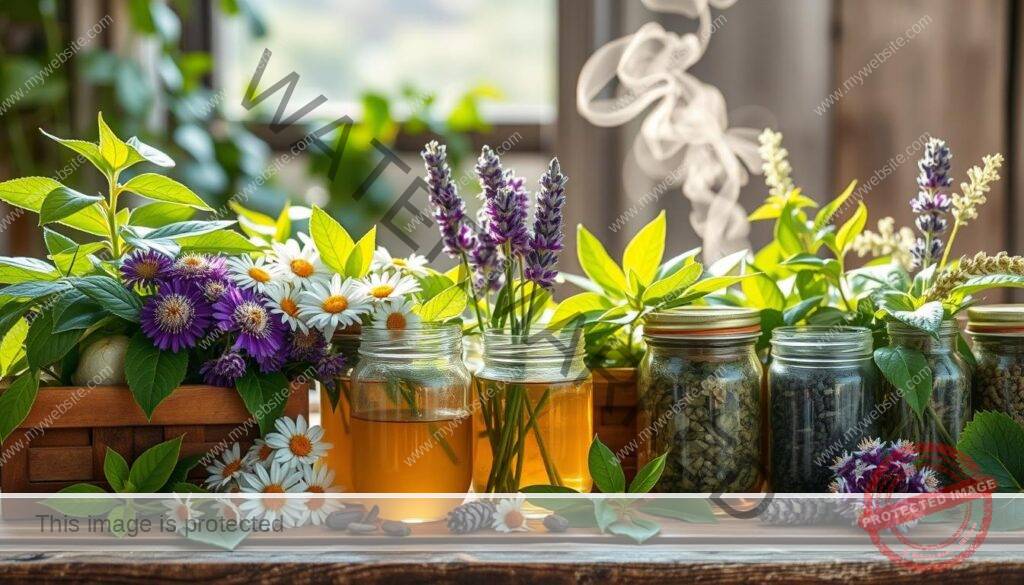
« Certain herbs and herbal supplements have been studied for their potential to alleviate anxiety symptoms. »
Aromatherapy: Calming Scents
Aromatherapy uses essential oils to help manage anxiety naturally. Certain oils have calming effects on the mind and body. They are great for stress relief and reducing anxiety.
Essential Oils for Anxiety
Many essential oils can help with anxiety. Some of the most effective include:
- Lavender – known for its soothing and relaxing properties, lavender oil has been found to be as effective as some anti-anxiety medications in reducing symptoms of generalized anxiety disorder.
- Bergamot – research suggests bergamot oil can help lower cortisol levels, the hormone associated with stress, and promote a sense of calm.
- Chamomile – studies indicate that inhaling chamomile oil can significantly reduce stress levels and induce a state of relaxation.
- Ylang-ylang – this oil has been shown to decrease blood pressure and heart rate, leading to a greater sense of well-being during stressful times.
- Frankincense – known for its grounding and calming effects, frankincense oil can promote relaxation and reduce anxious feelings.
- Jasmine – this oil has mood-enhancing qualities and has been found to increase feelings of well-being and potentially affect brain wave activities and mood states.
Ways to Use Aromatherapy
Essential oils can be used in many ways to help with anxiety. Here are some common methods:
- Diffusing the oils in an aromatherapy diffuser to disperse the soothing scents throughout a room.
- Applying diluted oils topically to the skin, such as on the temples, wrists, or chest.
- Adding a few drops to a warm bath or mixing with carrier oils for a relaxing massage.
- Inhaling the oils directly from the bottle or by adding a few drops to a tissue or cotton ball.
- Blending different essential oils to create personalized scent combinations with potential synergistic effects.
Remember, essential oils are highly concentrated. They should be used with caution, diluted properly, and tested for skin sensitivity before application. If anxiety is causing significant distress, it’s always advisable to seek guidance from mental health professionals for comprehensive management.
Cannabidiol (CBD) Oil for Anxiety
Hemp-derived CBD oil is becoming popular for health issues like anxiety. It has little to no THC, unlike marijuana. Studies show it might help with anxiety, but more research is needed.
CBD oil comes in many forms, like tinctures and gummies. Anxiety disorders affect an estimated 31.1% of U.S. adults at some point in their lives. This highlights the need for safe treatments.
Some well-known CBD oil brands for anxiety relief include:
- CBDistillery offers CBD oils with potencies ranging from 500 mg to 5,000 mg per bottle.
- Soul CBD has a 4.8 out of 5 rating for their CBD gummies, which contain 10 mg or 25 mg of CBD per gummy and come in 30 gummies per bottle.
- CBDfx provides CBD bath bombs with 200 mg of CBD potency per bath bomb, catering to anxiety-related symptoms.
- Papa & Barkley offers full-spectrum CBD oil with potencies of 450 mg, 900 mg, and 1,800 mg per bottle to alleviate anxiety-related stomach pain.
Many of these brands offer subscription services and free shipping. This makes it easy to add hemp-derived cbd to your natural anxiety relief routine.
Studies have looked into CBD for anxiety conditions like GAD, SAD, and PTSD. While more research is needed, the current evidence is promising. CBD might be a good alternative anxiety treatment to try under a healthcare professional’s guidance.
« For generalized anxiety disorder (GAD), CBD has been shown in animal studies to reduce stress, with observed lower behavioral signs of anxiety and improved physiological symptoms like heart rate. »
It’s crucial to remember that CBD can have side effects and interact with medications. Always talk to a healthcare provider before using cbd oil for anxiety in your wellness routine.
Natural Remedies for Anxiety
There are more ways to manage anxiety besides what we’ve talked about. Weighted blankets, for example, offer gentle pressure that can make you feel calm and safe. Quitting smoking and drinking less alcohol are also good ideas, as they can make anxiety worse.
But, if your anxiety is really bad or lasts a long time, you might need help from a doctor. They can suggest the best way to deal with your anxiety.
Quit Smoking and Reduce Alcohol
People with anxiety often smoke more, which makes anxiety worse. Drinking too much caffeine can also make you feel anxious. It’s best to keep caffeine intake low.
Weighted Blankets for Anxiety
Weighted blankets can make you feel calm and secure. They might help with natural anxiety relief. These alternative therapies are great for a holistic approach to stress management techniques.
« Weighted blankets can be a simple and effective natural remedy for anxiety, providing a sense of comfort and security that can help reduce symptoms. »
Consult with a Healthcare Provider
Natural remedies are good, but sometimes you need professional help. If your anxiety is severe or lasts a long time, see a doctor. They can help find the best way to manage your anxiety.
In conclusion, using natural remedies, making lifestyle changes, and getting professional advice can help manage anxiety. This way, you can improve your overall well-being.
Lifestyle Changes to Manage Anxiety
Making lifestyle changes can help manage anxiety, along with natural remedies. A holistic approach combines these changes for better well-being. This way, people can handle their anxiety better.
Dietary Modifications
Changing what you eat can help with anxiety. Cutting down on caffeine and processed foods is a good start. Eating more omega-3 fatty acids can also help.
Eating protein at breakfast keeps your energy up. Whole grains increase serotonin, which calms you down. This can make a big difference in your mood.
Stress Management Techniques
Managing stress is key to reducing anxiety. Good time management and setting boundaries are important. Activities like yoga, meditation, or deep breathing can also help.
Getting enough sleep is crucial. Aim for eight hours a night and keep a regular bedtime routine. This can help lower anxiety levels.
By adopting these lifestyle changes, you can manage anxiety better. A healthy diet, regular exercise, and stress management work together. They offer comprehensive support for your mental health.
« A healthy, balanced diet and consistent lifestyle habits can have a significant impact on managing anxiety and improving overall well-being. »
Conclusion
Natural remedies can help manage anxiety symptoms. Options like exercise, meditation, herbal supplements, and aromatherapy can calm the mind and body. By using these methods and making lifestyle changes, people can find relief from anxiety.
It’s crucial to work with a healthcare provider to find the right natural remedies. Managing anxiety often requires a mix of approaches. Exploring natural options can help individuals take charge of their mental health and live a more balanced life.
Natural remedies may not solve anxiety problems right away. But, their long-term benefits are significant. They can help millions of Americans, including those with the « United States of Anxiety, » find peace and stability.