
“The greatness of a nation and its moral progress can be judged by the way its animals are treated.” These words by Mahatma Gandhi remind us of our connection and shared past. Morocco’s story is more than its beautiful landscapes and lively culture. It’s about deep historical links to sub-Saharan Africa, showing a story that goes beyond just geography.
These connections go way back to the 7th century, with strong trade routes and the sharing of ideas and traditions. Islam’s spread played a big part in building these relationships. But the story doesn’t stop there. Morocco is still working to strengthen its ties, especially through the Tijaniyya order in West Africa.
Every year, thousands from nearby countries come to Fez for pilgrimages. They honor a shared spiritual heritage that still connects Morocco to Africa today. This shows Morocco’s key role in the African community.
Key Takeaways
- Morocco’s historical connections to sub-Saharan Africa date back to the 7th century.
- The role of commerce in facilitating cultural exchange is significant and ongoing.
- Islam’s spread through trade greatly impacted Moroccan and West African relations.
- The Tijaniyya order fosters vital spiritual bonds between Morocco and its West African neighbors.
- Annual pilgrimages to Fez symbolize the deep-rooted cultural significance of these relationships.
The Historical Tapestry of Morocco
Morocco’s history is rich and complex, filled with trade, conquests, and migration over centuries. It is home to the Berbers, the earliest known inhabitants. Their language, culture, and architecture show the deep historical connections they have. From the Arab conquest in the late 7th century to the rise of powerful dynasties, Morocco has seen many cultural influences.
Fes is a city that reflects this history, with the world’s oldest university, Al Quaraouiyine, founded in the 7th century. This university shows Morocco’s role in knowledge and cultural exchange. In the 15th century, Morocco became key in global trade, using its location for trade across the Mediterranean and beyond.
The Almohad style in architecture, like the Koutoubia Mosque in Marrakech, shows the beauty in Moroccan society. Under the Almoravid, Almohad, and Marinid dynasties, Morocco changed a lot. It was influenced by and influenced other cultures around it.
The colonial period brought European rule in the 19th and 20th centuries, changing Casablanca into a modern city. This brought new cultural influences that changed Morocco’s society and economy. America recognized Morocco’s independence in 1956, after years of foreign rule.
| Historical Milestones | Date | Significance |
|---|---|---|
| Al Quaraouiyine University Founded | 7th Century | Oldest university in the world |
| Recognition of the US Independence | 1777 | First country to recognize the US |
| Moroccan Independence from France | 1956 | Regained sovereignty after colonial rule |
| Koutoubia Mosque Construction | 12th Century | Iconic example of Almohad architecture |
| Volubilis Declared UNESCO World Heritage | 1997 | Significant ancient Berber-Roman site |
Morocco’s rich history makes it a key player in Africa, deeply involved in trade and cultural exchange.
Morocco’s Trade Relations with Sub-Saharan Africa
Morocco’s trade with Sub-Saharan Africa is key for cultural and economic ties. Since early times, Moroccan traders have worked with their counterparts in Sub-Saharan Africa. This has led to a mix of cultures, blending Moroccan traditions with those of West Africa.
The Role of Trade in Cultural Exchange
Trade is more than just about money. It helps in sharing cultures. Moroccan merchants brought new goods, and their customs mixed with those of others. This has created a unique cultural mix.
- Artistic Influences: Moroccan ceramics and textiles have influenced local artisans in Sub-Saharan Africa.
- Culinary Traditions: Moroccan spices and dishes have enriched West African cuisine.
- Language and Expressions: Talking and sharing words has deepened connections between communities.
Religious Influences and the Spread of Islam
Morocco has played a big role in spreading Islam in Sub-Saharan Africa. Sufi traditions, especially through the Tijaniyya order, have had a big impact. Here are some ways this has shown up:
- Education: Sufi schools set up networks of knowledge that taught many in local areas.
- Pilgrimage Routes: Paths from Fez to West African cities helped people make spiritual trips.
- Community Engagement: Support among religious leaders and scholars brought communities closer together.
| Investment Sectors | Percentage of FDI |
|---|---|
| Banking | 31% |
| Telecommunications | 21% |
| Industry | 12% |
| Real Estate | 11% |
| Holdings | 10% |
| Other Services | 9% |
| Trade | 5% |
| Insurance | 1% |
These trade and cultural exchanges have made people more aware and appreciative of each other’s customs. They have strengthened the bond between Morocco and Sub-Saharan Africa.
Social Bonds through Spirituality
Spirituality is key to building strong social ties in Morocco and West Africa. The Tijaniyya order connects people across both regions. It does this by sharing beliefs and practices. Every year, thousands go to Fez for a big pilgrimage.
This event boosts the faith and connections of followers. It also helps people meet and bond with each other.
The Tijaniyya Order and its Pilgrimage in Fez
The Tijaniyya order was started by Sheikh Tijani. It has a deep spiritual history. Every year, people from West Africa come to Fez for a special pilgrimage.
This pilgrimage is a time for deep spiritual reflection. It’s also a chance to celebrate West African culture. People share music, food, and traditions.
The pilgrimage also strengthens the bond between followers. It reminds them of their commitment to the Tijaniyya teachings. It shows how important community is.
Connecting Morocco and West African Nations
Morocco links West African nations through religious and cultural exchanges. The number of religious events between Morocco and other African countries has grown. This shows Morocco’s role in bringing people together.
This growth highlights Morocco’s role in improving cooperation. It includes:
- Educational Initiatives: The Mohammed VI Institute for the Training of Imams trains scholars from around the world. It helps them understand Islamic teachings in their local cultures.
- Religious Diplomacy: Morocco has made many agreements to fight against extremist ideas. It aims to spread Maliki Islam in West Africa.
- Community Support: The Mohammed VI Foundation for West African Ulama helps countries work together. It supports mutual aid and sharing of resources, strengthening cultural bonds.
Morocco as a Catalyst for Decolonization
Morocco was key in the fight for African independence. It stood with nations wanting freedom from colonial rule. Through strong diplomatic ties with freedom fighters, Morocco helped many countries gain independence.
Support for African Independence Movements
After gaining independence, Morocco became a strong ally to those fighting for freedom. It helped with military aid and provided a place for leaders to meet. This support was crucial as they faced complex political challenges.
Morocco also helped start groups focused on African unity and working together. These efforts were important for the continent’s future.
The Casablanca Conference: A Historic Gathering
The 1960 Casablanca Conference was a big step towards a united Africa. Leaders like Gamal Abdel Nasser and Kwame Nkrumah came together. They talked about how to work together and fight colonialism.
The meeting showed the power of working together to overcome colonial rule. It set the stage for the Organization of African Unity, which aimed to end colonialism.
Morocco and its Connection to its African Depth
Morocco’s history is deeply linked to African unity and cooperation. It works hard to bring African nations together. This effort started with big movements that changed how Africa governs and stands united.
Formation of the Organization of African Unity (OAU)
In 1963, the Organization of African Unity was formed. It was created to fight against imperialism and promote unity among African countries. This move was a big step towards working together more closely.
The OAU focused on peace, security, and development for all African nations. It brought countries together to tackle common problems.
Influence of the Casablanca Group on African Unity
The Casablanca Group was key in starting the Organization of African Unity. It had many African leaders who believed in pan-Africanism. They wanted African countries to work together and trust each other more.
This idea still affects the African Union today. It keeps the focus on unity and making Africa’s voice heard in world affairs.
Engagement with the African Continent
Morocco is making big moves to strengthen its bonds with Africa. It’s all about working together for growth and development across the continent. King Mohammed VI believes in partnerships that help everyone involved.
He wants African solutions for African problems. This approach helps nations feel in charge of their own progress.
Promotion of South-South Cooperation
Morocco leads the way in South-South cooperation. It’s all about working together to reach common goals. This method makes sure solutions fit the needs of each country.
Morocco is all about building trust and working as a team. It shares its knowledge and resources with others. This helps bring African countries closer together.
Morocco’s Investments in Sub-Saharan Africa
Morocco is investing a lot in Sub-Saharan Africa lately. It’s now the second-biggest investor in the area. The money goes into things like banking, phones, and building projects.
These investments do more than just create jobs. They also help share technology between Morocco and Africa. This is good for both Moroccan businesses and their African partners.
| Sector | Investment Amount (USD) | Beneficiaries |
|---|---|---|
| Banking | $1 billion | Over 2 million individuals |
| Telecommunications | $800 million | 5 million subscribers |
| Infrastructure | $600 million | Several regional projects ongoing |
These investments help the economy grow in the region. They also make Morocco and Sub-Saharan Africa closer. Morocco is showing its commitment to a strong and connected Africa.
The Economic Impact of Moroccan Investments
Moroccan investments in Africa are key to boosting economic growth and stability. They focus on important sectors, helping local economies grow. They create jobs and increase the economic contribution on the continent.
Key Sectors for Investment in Africa
Moroccan companies see big opportunities in several areas across Africa:
- Banking: Moroccan banks like BMCE-Bank and Attijariwafabank lead with a 31% share, supporting local financial markets and growth.
- Telecommunications: With 21% of investments, this sector enhances connectivity and boosts business success.
- Industry: Manufacturing, making up 12% of investments, strengthens the region’s production.
Contributions to Local Economies
Moroccan businesses in Africa bring big benefits to local economies. They invest in ways that help with:
- Employment Generation: They create many jobs, cutting down on unemployment in host countries.
- Infrastructure Development: Moroccan projects improve key services and facilities, aiding economic growth.
- Knowledge Transfer: By working in different markets, Moroccan companies share their knowledge and help local workers grow.
Moroccan investments are key to making Africa’s economy stronger. They help with sustainable development in various places.
Morocco’s Role in Regional Integration
Morocco is working hard to join economic unions in Africa. This move shows its strong commitment to building stronger ties across the continent. By applying to join ECOWAS, Morocco is taking a big step towards better collaboration and economic growth. This integration will help share resources, create joint projects, and boost the economy, helping millions of people.
Membership in ECOWAS and Other Groups
Morocco wants to improve connections and talk more with other countries by joining ECOWAS. This group has 15 countries in West Africa and helps them work together for development. Morocco joined in 2017, showing it values working with others to solve problems and grab new chances in Africa.
Infrastructure Projects Connecting Africa
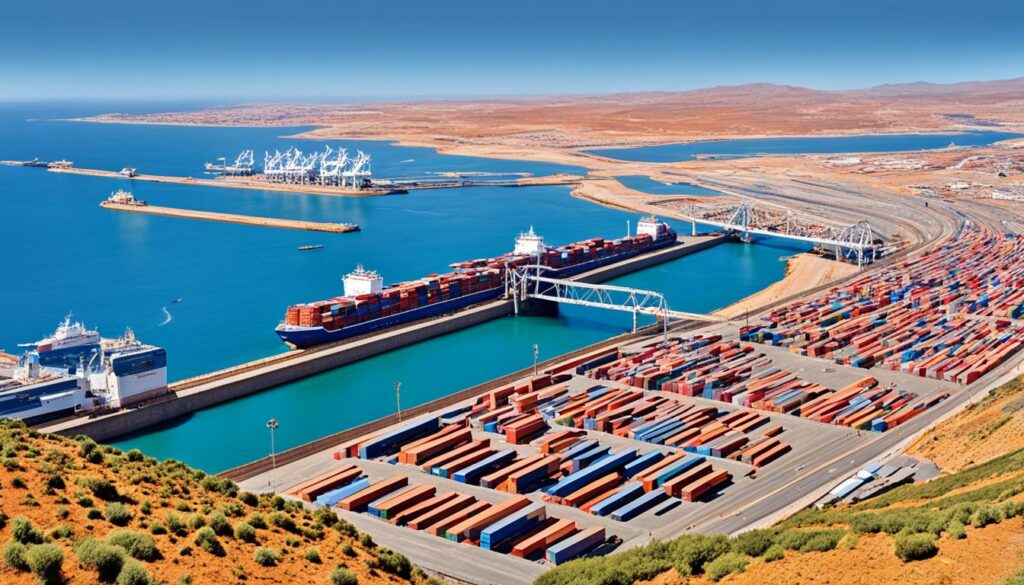
Morocco is building big projects like the Tanger Med port and the Atlantic African Gas Pipeline to Nigeria. These projects help trade and connect economies, making it easier for countries to trade and move goods. Banks like BMCE-Bank of Africa and Attijariwafabank are helping by funding these projects, boosting growth across Africa.
Education and Capacity Building in Africa
Education is key to Africa’s future. Morocco leads in boosting education and capacity across the continent. Through scholarship programs, thousands of African students get to study in Morocco. This effort enriches cultural exchange and helps develop skills for growth.
Scholarship Programs for African Students
Morocco gives out many scholarships to students from Sub-Saharan Africa. These programs help with educational exchange and build capacity. Every year, over 7,000 students join Moroccan schools, learning skills for the job market. This boosts education in Africa, making people more knowledgeable and skilled.
Vocational Training Initiatives
Morocco also focuses on vocational training to improve skills in professionals. Centers of excellence offer training that meets industry needs. These programs empower young people and support sustainable development. By teaching practical skills, Morocco prepares people for the changing job market.
Commitment to Peace and Stability in Africa
Morocco is deeply committed to peace and stability in Africa. It actively takes part in UN operations and peacekeeping missions. By sending troops, Morocco shows it’s serious about solving African conflicts. These efforts help keep places like South Sudan and the Central African Republic stable.
They also support diplomatic talks needed for lasting peace.
Moroccan Troops in UN Peacekeeping Operations
Moroccan troops have a long history in UN peacekeeping. They play a big role in many operations across Africa. This makes Morocco a key player in bringing peace to troubled areas.
By joining peacekeeping missions, Morocco shows it’s all in for global cooperation and peace.
Negotiating Peace Agreements
Morocco is also big on solving conflicts through talks. It has helped broker peace in places like Sierra Leone and Guinea. These efforts show Morocco’s drive for stability and its focus on the root causes of conflict.
By choosing dialogue over violence, Morocco helps make Africa more peaceful and stable.
Cooperation in Addressing Migration Challenges
Morocco is a key player in solving migration issues in the region. It uses human rights policies to help undocumented migrants. This gives them access to social services and residency permits. With about 102,358 migrants in 2020, making up 0.3% of the population, these efforts are crucial for integrating diverse communities.
Morocco’s Initiatives on Migration and Asylum
Morocco has made big steps to improve asylum and integration policies. It focuses on the welfare of migrants. In 2021, 36.6% of migrants were in irregular situations. By 2023, this number grew, showing the need for strong regional efforts on safe migration.
Promotion of the African Observatory for Migration
Morocco hosts the African Observatory for Migration in Rabat, showing its commitment to African states’ cooperation. This institution helps monitor migration trends. It aims to create policies that address migration challenges through regional collaboration.
| Year | Number of Irregular Migrants | Key Migration Statistics |
|---|---|---|
| 2020 | 3,000 | 102,358 total migrants in Morocco |
| 2021 | 36,750 | 10,000 reached Spain in May |
| 2022 | 3,789 | Death toll due to irregular migration |
| 2023 | 75,000 | 144 deaths recorded on Mediterranean route |
Combating Terrorism: A Regional Approach
Working together across borders is key to fighting terrorism, especially in areas with common issues. Morocco shows how this works by teaming up with African countries to tackle terrorism’s complex problems. They make security plans that fit the needs of African nations, making them more effective and strong.
Counterterrorism Strategies in Collaboration with Africa
Morocco leads in fighting terrorism with a strong focus on working together and good governance. The benefits of working together include:
- Shared Intelligence: Sharing threat info helps spot where radicalization starts.
- Joint Training Programs: Forces from different countries train together to get ready faster.
- Community Outreach: Working with local people helps fight radical ideas better.
- Support for Stability: Helping weak countries can stop extremist groups from forming.
Morocco’s plans show they get the tough parts of security in Africa. They use efforts and plans to build teamwork and fight terrorism together. In partnerships, countries focus on making local solutions and learn from the best worldwide, showing the power of working together against extremism.
Environmental Sustainability Efforts
Morocco is leading the way in environmental sustainability, especially with its focus on renewable energy. It aims to get over 52% of its electricity from renewable sources by 2030. This goal includes solar, wind, and hydro energy projects across Africa.
Renewable Energy Projects Across the Continent
The Noor Solar Plant is a big step forward, being the world’s largest solar facility. It shows Morocco’s dedication to clean energy. The country has also set up several other plants like NOOR I, NOOR II, NOOR Laayoune, and NOOR Tafilalet.
These plants have greatly increased Morocco’s renewable energy capacity. By the end of 2015, solar and wind power made up a big part of its energy mix, around 800 MW.
Morocco is a key player in renewable energy in Africa. It shares its technology and best practices to help other countries. This helps with sustainable development and tackling climate change issues like rising temperatures and less rain.
Morocco is a key player in fighting climate change. It’s working to use more diverse energy sources and less oil and coal. This makes it a role model for other countries looking to be more eco-friendly. Using renewable energy helps the environment, boosts the economy, and improves life for people across Africa.
Celebrating Morocco’s Cultural Heritage
Morocco’s culture is a mix of many influences that make it unique. It has roots in Berber, Arab, and European cultures. This mix enriches Moroccan identity and gives a special view of its history. Art, food, and music show the diversity of its culture.
Influence of Diverse Cultures on Moroccan Identity
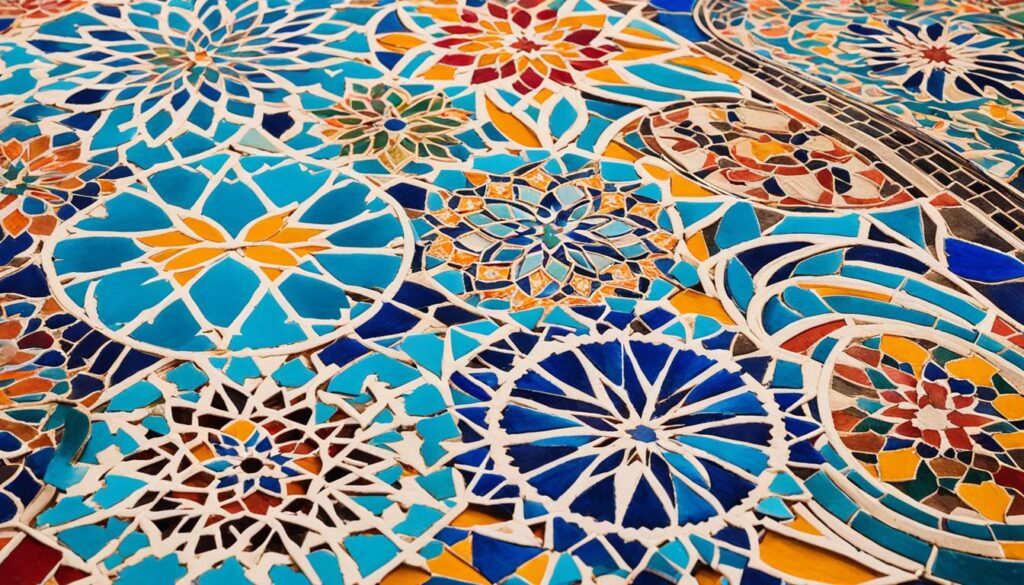
Morocco’s architecture shows its rich past and African roots. Cities like Fes and Marrakech have beautiful mosques, palaces, and riads. The use of colorful tiles and arched doorways shows the art from different cultures.
- Moroccan food is a mix of flavors with spices like cumin and saffron. Dishes like couscous and tagine show the warm hospitality of Moroccan culture.
- Festivals and celebrations show the lively Moroccan culture. These events are full of music and dance, showing the country’s heritage and unity.
- The art scene in Morocco combines ancient crafts with modern art. It’s a big part of the culture.
Architectural Highlights Reflecting African Roots
Historical sites like Volubilis and the medinas of Fes and Marrakech show Morocco’s culture. These places highlight Morocco’s architecture and its connection to Africa. The Hassan II Mosque is a symbol of national pride and spiritual connection.
| Aspect | Details |
|---|---|
| Cuisine | Flavors influenced by spices like saffron, cumin, and Ras El Hanout. |
| Architecture | Intricate designs in mosques, palaces, and riads showcasing cultural intermingling. |
| Music | Diverse genres including Gnawa, Raï, and Berber Ahidous reflecting cultural richness. |
| Festivals | Vibrant celebrations that unify people from different backgrounds with colorful events. |
Morocco’s culture, with its amazing architecture and traditions, shapes its identity. The mix of African roots and other influences is key to understanding this beautiful kingdom.
Conclusion
Morocco is a key link between Africa’s varied cultures and histories. It has strong trade ties and deep African connections. These are shown through its investment strategy, aiming at cooperation and growth.
Its rich heritage shines in its role in African unity and support for stability. Morocco is investing in agriculture and infrastructure. These efforts help local economies in sub-Saharan Africa and support a shared vision for development.
Morocco is focused on building strong bonds with other African countries. It aims for a collective prosperity and peace. Morocco stands out for its legacy of cooperation, cultural richness, and respect.
It’s not just a connector of history but a builder of Africa’s future. Morocco’s commitment to African connections will keep it important in the continent’s growth and unity.