
In Morocco, where the sands swirl and markets burst with life, travelers find a special kind of welcome. Here, every guest is treated like royalty. The warmth of the Moroccan people turns hospitality into an art.
Every visit starts with the inviting smell of mint tea. This is where the true spirit of welcome lives. Let’s explore the traditions and secrets behind Morocco’s famous hospitality. Join us as we dive into the heart of Morocco’s legendary kindness.
Key Takeaways
- Moroccan hospitality is deeply rooted in cultural and religious traditions, emphasizing respect, warmth, and communal connection.
- The act of hosting guests in Moroccan homes is a significant social practice that strengthens communal ties.
- Communal meals, such as couscous and tagines, are central to Moroccan hospitality, fostering unity and sharing.
- Moroccan hospitality is characterized by non-verbal gestures of care and attentiveness, reflecting the deep-rooted values of kindness.
- Hospitality in Morocco extends beyond mere courtesy, encompassing a personal touch and meaningful interactions that enrich cultural experiences.
The Essence of Moroccan Hospitality
Imagine walking into a place where the air smells of spices and the streets are alive with music. Morocco welcomes you with open arms, showing its true self through warm greetings, big meals, and social rituals around food. These traditions highlight the importance of hospitality in Morocco.
A Warm Embrace Beyond Courtesy
Exploring Moroccan culture shows the deep care and warmth guests receive. Traditional Moroccan eating customs are full of gestures of kindness. When you walk through cities or quiet areas, you’ll hear warm greetings. Being invited into someone’s home is a big deal here, showing the joy of sharing space with others.
The Ritual of Mint Tea
The ritual of Moroccan mint tea shows the cultural significance of shared meals. The tea’s preparation, from pouring it from high above, is a sign of respect and kindness. This tradition highlights the importance of communal dining experiences in Moroccan life.
« Mint tea in Moroccan culture symbolizes respect and hospitality, deeply ingrained in the Moroccan identity. »
Culinary Generosity: The Moroccan Table
In Morocco, guests are treated like royalty at the dinner table. The table is filled with delicious dishes, using the best herbs and spices. Couscous, tagines, and pastilla are just a few of the dishes made for guests. Sharing meals brings people together, creating a sense of unity and belonging.
A Feast for the Senses
Moroccan food is a treat for all your senses. At the center is the tagine, a slow-cooked stew with meat, veggies, and spices. These dishes come from the royal kitchens of Fez, Meknes, and Marrakech, dating back over 600 years.
The Moroccan table is full of flavors and textures meant to be shared. This tradition strengthens the bonds of community and togetherness.
Savoring Every Flavor and Texture
The couscous and harira soup are staples of Moroccan cuisine. Couscous is a key dish in North Africa, often served with veggies, harissa, chickpeas, and meats. The pastilla, a mix of sweet and savory, shows the complexity of Moroccan cooking.
Moroccan food is a mix of Berber, Moorish, and European flavors. Berber nomads brought in local ingredients like lamb and veggies. Arab traders added spices, while Andalusian refugees brought new cooking methods and citrus fruits.
| Dish | Description |
|---|---|
| Couscous | A staple food in Moroccan cuisine, typically served with vegetables, meat, and spices. |
| Tagine | A slow-cooked stew prepared in a conical-shaped pot, featuring a harmonious blend of meats, vegetables, and spices. |
| Pastilla | A sweet and savory pie dish, often prepared with squab or chicken, reflecting the diverse culinary influences in Moroccan cuisine. |
| Harira | A traditional Moroccan soup made with lentils, chickpeas, and vermicelli, commonly enjoyed during the holy month of Ramadan. |
Cultural Roots of Welcoming Traditions
Moroccan hospitality comes from the country’s deep history and varied cultures. It’s shaped by Islamic teachings and Berber customs. These traditions make Moroccan welcome warm and inclusive.
Islam teaches Moroccans to respect and care for guests. The Quran says to honor guests and meet their needs. This idea is strong in Moroccan culture. Berber traditions also see hospitality as a key duty.
Moroccans share their artisan skills with guests too. They show off their tilework, pottery, weaving, and calligraphy. This sharing is a way to give guests a piece of their heritage.
« Moroccans sip mint tea up to 20-30 times a day, showcasing its significance in everyday life. »
Sharing meals is big in Moroccan culture. It’s not just about eating. It’s about bringing people together, building strong family and community bonds. This shows how important hospitality is to Moroccans.
The roots of Moroccan hospitality show a strong welcome and sense of community. It includes respecting elders and keeping traditional crafts alive. Moroccan hospitality is rich and full of a sense of belonging and the joy of sharing.
What is the role of hospitality and communal meals in Moroccan culture?
In Moroccan culture, hospitality and communal meals are key traditions. They go beyond just being polite. They are essential to the social life. Everywhere, from markets to riads, welcoming guests is a big part of life.
Sharing meals in Morocco is very important. It’s a chance to build stronger family bonds and community ties. Moroccan food, with its rich flavors and spices, brings people together. It helps overcome language and cultural differences.
Communal dining in Morocco is more than eating. It’s a ritual full of cultural and social meaning. Sharing a meal shows generosity, respect, and a wish to connect. Every detail, from cooking to setting the table, shows Moroccan hospitality and the art of dining.
Food plays a huge role in Moroccan society. Meals are for sharing stories, ideas, and building relationships. Whether it’s daily tea or special feasts, these meals show the value of hospitality in Moroccan culture.
« Moroccan hospitality is not just about being polite; it’s a way of life that connects people, strengthens bonds, and celebrates the joys of sharing a meal together. »
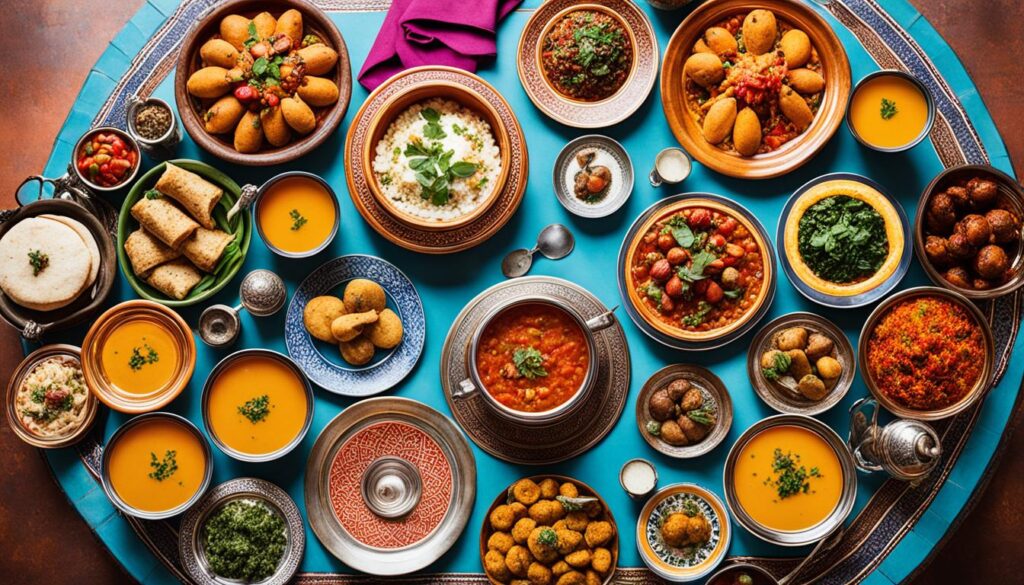
Moroccan culture values togetherness, rich food traditions, and meaningful connections. Whether you’re visiting or living there, being invited to share a meal shows the true spirit of Moroccan hospitality.
The Art of Hosting
In Moroccan homes, hosting guests is key to building strong social bonds. Families take great pride in their ability to welcome and entertain. They see it as a way to show their social status. The art of hospitality shines most during special events.
Creating a Personal Experience
Moroccan weddings are a big deal, full of culture and warm hospitality. Guests enjoy days filled with customs and joy. Every detail, from the prep to the menu, is planned to make guests feel special.
Food plays a huge role in Moroccan culture. Meals are a way to show warmth, generosity, and community spirit. Moroccan traditions go beyond just being polite. They welcome guests with a unique sense of warmth.
« Moroccan hospitality is not just a social convention, but a way of life that reflects the country’s rich cultural heritage and the genuine warmth of its people. »
Communal dining in Morocco shows the country’s love for traditional meals. From making mint tea to cooking tagines, every step shows Moroccan hospitality.
Communal Dining: A Social Fabric
Shared meals in Moroccan society mean more than just eating. They are a key part of the social fabric, bringing people together. Through these meals, Moroccans build unity, show hospitality, and keep their culinary traditions alive.
These meals are a celebration of Morocco’s rich culture. They go beyond just eating food. They are a time to come together, whether it’s with family or friends. This tradition has deep roots, from ancient Greece to Roman times, where it helped build social networks and showed wealth.
Like the Greek Symposiums and Roman conviviums, Moroccan communal dining is vital. It strengthens relationships, confirms bonds, and supports the community. Food plays a big role in Moroccan life, much like in Chinese hotpot, Pacific Island luaus, and South American asados. These meals highlight the value of being together and enjoying life’s simple pleasures.
In Moroccan homes, shared meals show the importance of culture. Families and friends come together to enjoy a feast. Sharing a meal does more than feed the body; it feeds the soul. It creates strong connections and keeps traditions alive through recipes and cooking methods.
The rituals of Moroccan dining add to the experience. Pouring mint tea, showing respect with a hand on the heart, and sharing stories under the stars. These actions show the true spirit of Moroccan hospitality.
In a world that values individualism, Moroccan communal dining reminds us of the power of social connection and cultural preservation. It shows the joy of sharing meals with those we care about. Moroccan hospitality invites us to join in and experience the essence of being human.
The Significance of Shared Meals
In Moroccan culture, sharing meals is more than just eating together. It’s a key part of their social life. It helps strengthen family and community bonds. Food brings people together, creating deep connections.
Strengthening Bonds and Reaffirming Ties
Meals in Morocco are special. They’re not just for the body but also for the soul. Anthropologists found that eating together is key to building strong relationships.
Over 70% of Moroccan meals are shared. This shows how important it is to eat together. It’s a way to connect, talk, and make memories with others.
« Eating together was considered a universal act crucial for building relationships within various people groups. »
Serving mint tea is a big part of Moroccan hospitality. It’s done in over 90% of homes. This act refreshes guests and shows the warmth and welcome of Moroccan culture.
Food does more than feed people in Morocco. In souks, haggling is common, building community ties. Riads, where 60% of tourists stay, offer a deep dive into Moroccan culture.
Celebrations and Communal Joy
Being invited to a Moroccan wedding or celebration means diving into a world of vibrant colors and sounds. The laughter and connection among people create a joyful atmosphere. It’s a true celebration of hospitality that’s at the heart of Moroccan life.
Moroccan celebrations are more than just events; they’re traditions that connect the community. From grand weddings to lively festivals, food and sharing meals are key. They bring people together, creating a spirit of unity and happiness.
The Mimouna celebration is a perfect example of this. It’s a tradition of the Moroccan Jewish community, now celebrated in Israel too. It shows how food and hospitality are crucial in Moroccan culture.
« Mimouna celebrates community, generosity, and optimism. The name ‘Mimouna’ has various interpretations but adds to the mystique of the celebration. »
At Mimouna, people share traditional Moroccan treats like the mufletta, a sweet pancake. These meals do more than feed the body; they build a sense of belonging and pride. As Mimouna spreads worldwide, it shows how food can unite different cultures and keep traditions alive.
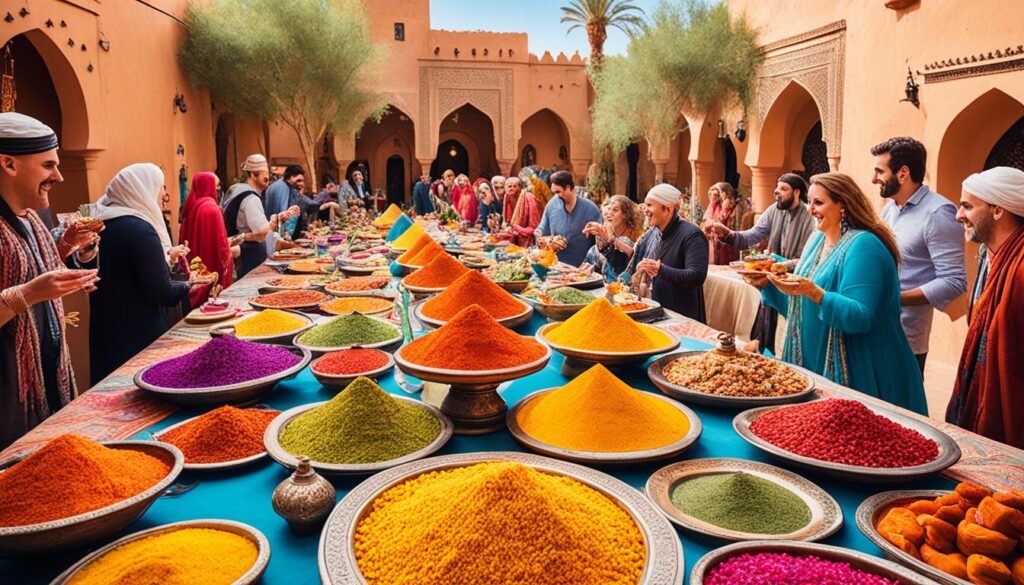
Moroccan weddings and other celebrations are full of hospitality and the joy of sharing meals. The bright colors, lively music, and the smell of spices make the experience unforgettable. It’s a chance to be part of a vibrant culture.
Food plays a big role in these celebrations. It’s not just for eating; it’s a way to share stories and create memories. Food brings people together, making the Moroccan culture rich and diverse.
The Personal Touch of Moroccan Hospitality
Behind the big gestures of Moroccan hospitality, there’s a special touch that shows the true warmth of this culture. It’s the way they put a hand over their heart to show respect, offer a room to a traveler, or share stories under the stars. These moments create deep connections that stay with you.
Meaningful Connections Through Gestures
In Morocco, being hospitable is more than just being polite. It’s a way of life that honors everyone’s dignity. When a guest enters a traditional riad, they feel like they belong, like they’re part of a big family. The act of placing a hand over the heart shows deep respect and honesty. These actions build strong bonds that go deeper than just saying hello.
When visitors join in the communal dining, they dive into a world of personal stories. Sharing a meal lets people exchange tales, learn about each other’s lives, and build real connections. It’s in these shared moments that Moroccan hospitality truly shines.
| Riad Characteristics | Details |
|---|---|
| Room Capacity | Riads in Morocco often offer between 5 to 8 rooms, contributing to a more personalized and intimate service compared to larger accommodations. |
| Riad Size | Some riads in Morocco can be much larger, possibly combining space with neighboring riads as entrepreneurs buy them for renovation and commercial use. |
| Architecture | Traditional riads often feature thick, high walls to provide privacy and regulate temperature. |
| Amenities | Riads typically offer amenities such as air conditioning, free WiFi, private bathrooms, and possibly a rooftop terrace or swimming pool. |
| Riad Origins | The word ‘riad’ comes from the Arabic word for garden, ‘ryad’, reflecting the central feature of these homes—their interior courtyard or garden. |
Every interaction in Morocco is a chance to make a connection, to learn, and to feel the warmth of its hospitality. It’s in these close moments that Morocco’s true nature is shown. It’s full of kindness, warmth, and a readiness to welcome you into their world.
« The personal touch of Moroccan hospitality is not just a performance, but a genuine expression of the country’s cultural identity—one that invites travelers to become part of a timeless tradition of community and connection. »
Artisanal Traditions Shared with Guests
Moroccan hospitality is more than just a warm welcome and a cup of mint tea. It’s about sharing meals that are deeply rooted in culture. These meals bring together artisanal traditions that guests get to experience firsthand.
When you enter a Moroccan home, you might see a local artisan at work. They could be making pottery, weaving, or working with metal. This is not just a show of skill. It’s a way of sharing a cultural legacy that has been passed down for generations.
Moroccan Berbers, who make up 40% of the country’s population, often eke out a living by raising cattle and growing their own crops. They share these skills with guests. The nomadic Bedouin communities, now a minority, once thrived on a diet rich in camel meat, lamb, and dairy. Their culinary traditions are still celebrated through shared meals and cooking demonstrations.
| Traditional Moroccan Cooking Tools | Percentage of Households Using |
|---|---|
| Couscoussier for steaming couscous | 80% |
| Brazier pot or large stock pot (Tanjra) for communal dining | 60% |
| Mortar and pestle (mehraz) for preparing marinades and crushing herbs | 55% |
| Serving trays and platters for communal dining | 65% |
| Tagine for serving tagine dishes | 40% |
Sharing these traditions educates guests about Moroccan culture. It also helps them appreciate the long history of crafts that shape the country’s identity. From Berber rugs to the pottery wheel, each activity shows the spirit of Moroccan hospitality.
Visitors become active participants in preserving Moroccan culture through these experiences. The sharing of meals in Morocco goes beyond eating. It connects people to the heart of this welcoming society.
Invitations to Join the Moroccan Way
When you step into Morocco, you’re welcomed with open arms. The tradition of communal dining is more than just a gesture of kindness. It’s a key part of Moroccan culture.
In Morocco, sharing a meal from one dish is common. Guests might start with their own plate, but it’s up to you to join in. Your hosts just want you to feel at home.
Remember to take off your shoes before entering a room with carpets. This keeps the space clean, which is important in Moroccan homes. By doing this, you show you respect their customs.
Hand-washing before meals is a big deal in Morocco. It’s based on both religious and cultural beliefs. When eating, use your right hand, as the left is seen as unclean. Following these customs shows you’re really getting into the local way of life.
| Moroccan Hospitality Traditions | Communal Dining Experiences | Traditional Moroccan Eating Customs |
|---|---|---|
| Removing shoes before entering carpeted rooms | Sharing a common dish with others | Washing hands before a meal |
| Offering a warm welcome to visitors | Guests may be given their own plates | Using the right hand for eating |
| Maintaining cleanliness and order in the home | Hosts want guests to feel comfortable | Adhering to religious and cultural practices |
By embracing these traditions, you’ll make your dining experiences in Morocco unforgettable. You’ll also build strong bonds with the locals. This is your chance to dive deep into Moroccan culture and make your trip truly special.
The Lasting Impact of Moroccan Hospitality
As you say goodbye to Morocco, the memories of its warm welcome stay with you, inviting you to come back. Moroccan hospitality is more than just a custom; it’s a deep dive into the heart of the country. It leaves a lasting mark that stays with you long after you leave its historic streets.
Morocco shows us that being hospitable is an art. It’s a journey that enriches both the guest and the host. By embracing its traditions and enjoying each moment, we discover the true essence of heart of Moroccan hospitality. This experience changes us, leaving us touched by its kindness and generosity.
In Morocco, eating together is a big deal. People use bread to take food from a shared dish, showing they’re ready to share. It’s a sign of the generosity of hosts.
When pouring mint tea in Morocco, the more bubbles, the more welcome the guest feels. This shows how important being hospitable is in their culture. Lentil soup is a staple, eaten all year, especially when it’s hot. It’s a filling and affordable meal for hard workers.
Spices are key in Moroccan cooking, adding flavor and making dishes like tangia special. The country’s culture blends Arabic, Berber, French, and Spanish influences, making it diverse.
« Moroccan hospitality is not a mere cultural facet; it’s a heartfelt invitation to experience the country’s soul. »
Moroccan food is full of spices like cumin, saffron, and cinnamon. These give traditional dishes their unique taste. Tagines, a North African stew, is a must-try, coming in many meat, veggie, and fruit combos.
Couscous, a fine wheat pasta, is a big deal in Moroccan food. It’s often served with a tasty stew, showing off the country’s culinary heritage. Desserts like almond and honey sweets, along with mint tea, add sweetness and freshness to meals.
Sharing meals is big in Moroccan culture. Food is often served from big platters, bringing people together. Moroccan dishes mix savory, sweet, and aromatic flavors, showing off the country’s diverse tastes and culinary traditions.
Leaving Morocco, you remember its warm welcome, showing the value of cultural significance of shared meals and role of food in Moroccan social fabric. This magical place has made a lasting impression, proving the power of Moroccan hospitality to change and inspire people.
Embodying the Spirit of Welcome
In Morocco, the Atlas Mountains tower high, and the air smells of spices. Here, hospitality is a key part of life. Guests are treated like dear friends, showing that true culture is about connection.
As we leave Morocco, let’s take more than souvenirs with us. Let’s keep the sense of belonging that Morocco has given us. Sharing meals, drinking mint tea, and talking is a special ritual here. It brings people together and shows our shared humanity.
Food and eating together are very important in Moroccan culture. These moments help create a strong community bond. Whether at home or in a market, people invite us to celebrate life with them. They show us that true hospitality is a way of life.
Let’s remember the warm welcomes, the smiles, and the connections made over meals. In Morocco, hospitality is more than a custom. It shows the power of kindness and the strength of tradition.
« To travel is to live. » – Hans Christian Andersen
Let Moroccan hospitality inspire us to be kinder and more connected. It’s not the sights or places that stay with us, but the bonds we make with others. These connections show us our shared humanity.
As we say goodbye to Morocco, let’s keep the spirit of welcome with us. This land of warmth teaches us that a journey’s true value is in the impact it has on our hearts and souls.
Conclusion
Moroccan hospitality is a key part of the country’s culture. It’s built on sharing meals and traditions with others. Visitors often feel the warmth and kindness of the Moroccan people right away.
They start by serving fragrant mint tea. Then, they share traditional dishes like tagine and couscous. These meals are more than just food. They help build strong connections and show the deep bonds within the Moroccan community.
When you leave Morocco, you’ll remember the hospitality you experienced. It shows that a culture’s true spirit is in how it welcomes others. By joining in the Moroccan way of life, you become part of a tradition that values food, community, and connection.