
Starting a culinary journey in Morocco reveals a world full of flavors and traditions. These traditions come from a long history that spans centuries. Moroccan food is more than just food; it’s a celebration of the country’s social life and cultural heritage.
It’s a feast for the senses, blending different cultures into one. Morocco is in the northwest of Africa, at a crossroads of many civilizations. This has brought together influences from all over the world and through time.
Key Takeaways
- Moroccan cuisine reflects a tapestry of cultural influences, from the Berbers to the French.
- The iconic tagine pot is designed to trap steam and flavors, slow-cooking stews to perfection.
- Couscous is a communal meal in Berber culinary traditions, showcasing the significance of unity and peace.
- Ras el hanout, a signature Moroccan spice blend, can contain up to 100 different spices.
- Mint tea pouring is a traditional act of hospitality in Morocco, creating a frothy crown.
The Essence of Moroccan Cuisine
Moroccan cuisine is a mix of many cultures, creating a unique and exciting food scene. It started with the Berber people, who made dishes like tagine and couscous. Over time, Arab, Moorish, and French influences added to the mix, making Moroccan food what it is today.
A Tapestry of Cultural Influences
Morocco’s food shows off its rich culture. The Arabs brought spices like cumin, saffron, and ginger. The Moors added olive oil and preservation skills. French touches, like patisseries and cafes, also shaped Moroccan food.
From the Berbers to the French
The Berbers, Morocco’s original people, created dishes that are still loved today. Arabs brought spices that became key to Moroccan cooking. Moors added olive oil and preservation methods. French influence brought elegance with pastries and cafes.
« Moroccan cuisine is a rich tapestry of cultural influences, seamlessly blending the Berber, Arab, Moorish, and French traditions to create a truly unique and captivating culinary experience. »
The Art of Tagine
The tagine is a slow-cooked stew named after the special pot it’s made in. It comes from the Berbers, the original people of North Africa. This cooking method was made for the tough desert life. It tenderizes meat and veggies with little water and fuel, thanks to the tagine’s design.
Slow-Cooked Stews in Iconic Clay Pots
The Berbers created some of Morocco’s most loved dishes. These slow-cooked stews simmer for hours in their clay pots. They use meats like lamb, chicken, and fish, along with veggies like tomatoes, potatoes, and onions.
Spices like cumin, ginger, turmeric, and saffron give Moroccan dishes their unique taste. Fresh herbs like coriander and parsley add a fresh touch. Preserved lemons and olive oil also add to the flavor.
Slow-cooking in a tagine makes the ingredients blend together perfectly. This method, from Berber traditions, has made the tagine famous worldwide. Chefs everywhere try to make its authentic taste and share its story.
« The tagine pot historically was used by nomads in North Africa as a ‘portable oven’ for cooking while on the move. »
Old tagines were made of earthenware and weren’t glazed. This let the natural flavors come out. Now, you can find tagines in many materials, but the unglazed ones are still loved by Moroccan food fans.
When using a tagine, put a heat diffuser under it to stop it from cracking. Also, don’t put a hot tagine on a cold surface to avoid damage.
The tagine shows the creativity and resourcefulness of the Berbers. They’ve made slow-cooked stews a culinary masterpiece.
Couscous: A Culinary Emblem
In Moroccan cuisine, couscous is a key dish, deeply tied to Berber traditions. It’s made from semolina wheat and was once a meal for the whole family. This dish symbolizes unity and peace.
Making couscous is hard work. It involves steaming the grains over a tasty stew until they’re fluffy. This process is done for special events, showing how food brings people together.
Couscous is a main dish in North Africa, especially in Morocco. It’s eaten on Fridays and is a way for families and friends to come together. The word « couscous » means the whole dish, with semolina grains, meat, veggies, and broth.
It’s thought that couscous started with the Berber people over 2,000 years ago. Over time, its making has changed, showing the mix of cultures in Moroccan food. Even though making it the old way is less common now, couscous is still a beloved dish.
Most couscous sold today is made in factories, easy to cook and quick to prepare. But, many Moroccan families still prefer the traditional way. They roll the semolina by hand and steam it slowly over a stew. This makes the couscous light and fluffy, hard to get with instant couscous.
Couscous is more than just food in Morocco. It’s a symbol of the country’s rich culture. Making and sharing couscous shows the importance of family, welcoming guests, and enjoying good food. These values are key to the Moroccan lifestyle.
Spice Blending Mastery
Moroccan cuisine is built on a delicate blend of spices. Each recipe shares the secrets of the Moroccan palate. These flavors have been perfected over centuries. At the core is the ras el hanout, a mix of ten to one hundred spices.
The Soul of Moroccan Flavors
Ras el hanout means « head of the shop. » It’s the best spice blend a merchant offers. Essential spices like cumin, coriander, turmeric, and cinnamon are key. But the magic comes from harissa, saffron, and orange blossom water.
Ras el Hanout and Harissa
Ras el hanout is used in pastilla, tagines, and stews. It adds depth to dishes. Harissa brings a spicy kick to meats and veggies. Together, they make Moroccan food unforgettable.
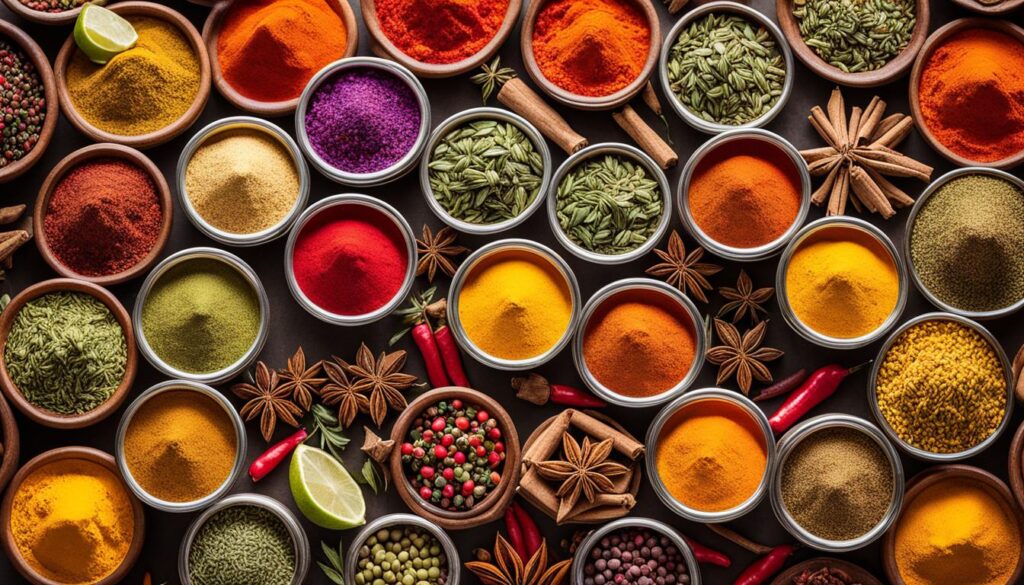
« A pinch of ras el hanout can elevate vegetarian dishes by adding layers of flavor. »
Moroccan cooking is full of spices that work together beautifully. From cumin‘s earthy taste to coriander‘s citrusy flavor, each spice is crucial. Moroccan chefs show their skill in both savory tagines and sweet pastries.
Moroccan Bread Traditions
In Morocco, making bread is a big part of the culture. The country is famous for its khobz and batbout. These breads are more than food; they symbolize community and the love in Moroccan homes.
Khobz is a key bread in Morocco. It’s used as a tool and a tasty addition to meals like tagine stews and salads. Making bread is a daily event. Moroccan women knead the dough by hand, showing the love and care in every meal.
The Flaky National Delight
Morocco has many types of bread, each with its own story. From the airy batbout to the flaky msemmen, they all have unique tastes and histories.
The khobz is a favorite in Morocco. It’s a round, flaky loaf that shows off the country’s bread-making skills. The secret to its great texture is in the careful kneading and proofing. This makes the dough light and crispy.
| Moroccan Bread Type | Description |
|---|---|
| Khobz | A round, flaky loaf that is a staple in Moroccan cuisine. |
| Batbout | A pillowy soft Moroccan pita bread that is often used for sandwiches. |
| Msemmen | A layered, flaky bread that is traditionally served with honey or oil. |
| Harcha | A semolina-based flatbread with a crisp exterior and a soft, fluffy interior. |
| Baghrir | Also known as « 1000 hole pancakes, » these light and airy breads are a breakfast favorite. |
Morocco’s bread traditions show its rich food culture. Each region has its own special bread. From the desert to the mountains, bread-making brings people together, creating a strong community bond.
Moroccan Cooking Techniques and Traditions
Ancient Methods, Modern Flavors
Moroccan dishes are a blend of old and new. The use of clay or ceramic tagines for slow cooking goes back to the earliest Berber traditions. This method is still used today. Preserving lemons is another tradition that has lasted for centuries, showing the deep roots of Moroccan cuisine.
These methods keep the flavors of Moroccan history alive. They also keep the stories and traditions alive. Moroccan cooking combines ancient techniques with modern tastes.
From slow-simmered stews in tagine pots to preserving ingredients, each step has a rich cultural background. The spices in m’qualli and qadra dishes create their unique colors. The reds in m’hammar and mchermel dishes show the wide range of Moroccan flavors.
At the core of this cooking are the tebbakhates, skilled Moroccan cooks. They pass on the cooking techniques through generations. They use ingredients like saffron and ginger, and preserved lemons, keeping Moroccan cuisine alive.
« Moroccan cuisine is a tapestry of ancient methods and modern adaptations, each dish a testament to the resilience and creativity of its people. »
Moroccan cuisine is loved worldwide, and keeping its traditional cooking alive is key. By respecting the past and adapting to the present, Moroccan chefs and cooks keep the rich flavors and culture alive. This way, Moroccan cuisine will be enjoyed for many years to come.
Preserving the Harvest
In Morocco, the art of fermentation and pickling is highly valued. These methods, passed down through generations, help keep the harvest fresh for longer. They show a deep respect for tradition and a sustainable way to use food. Moroccan moroccan food preservation techniques make fresh produce taste better over time. This adds depth and complexity to the country’s famous dishes.
Pickles, Preserves, and Fermentation
Moroccan food is known for its bright and aromatic tastes. Many of these flavors come from using pickles, preserves, and fermented foods. For example, the tangy preserved lemons add a unique taste to tagines. The spicy pickled vegetables with harissa are another example of how these foods are important in Moroccan cooking.
Fermentation is highly valued in Moroccan cuisine. It turns simple ingredients into complex, flavorful condiments. Recipes for fermented sauces, like the spicy harissa, show off Moroccan spices and culinary skills.
| Preservation Technique | Example Dish | Key Ingredients |
|---|---|---|
| Pickling | Preserved Lemons | Lemons, water, salt |
| Fermenting | Harissa | Chili peppers, garlic, spices |
| Jam/Preserve | Quince Paste | Quince, sugar, lemon juice |
These preserved foods not only last longer but also add a unique flavor. The hard work and knowledge needed to make them show the strong culinary traditions of Morocco. This country is truly remarkable.
A Culinary Chronicle
Exploring Moroccan cuisine reveals a rich cultural history in every dish. Each dish tells the story of Morocco, blending different cultures over time. From the Berber traditions to French colonial influences, Moroccan food shows the nation’s diverse heritage.
Dishes That Tell Morocco’s Story
Moroccan food is more than just tasty; it’s a peek into the past. Every meal is a relic, lovingly preserved and presented for modern palates to savor. Dishes like fragrant tagines and fluffy couscous show Morocco’s history.
The chicken tagine is a key dish. It’s a stew with spices, preserved lemons, and olives. This dish honors the Berber people and their cooking skills in the desert.
Mint tea is another important part of Moroccan culture. The way it’s poured is a sign of hospitality. It’s more than tea; it’s a way to bring people together.
When you eat Moroccan food, you’re exploring its history. Each dish opens a door to Morocco’s enchanting past.
« Moroccan cuisine is more than just a delightful dining experience; it is an edible window into the nation’s past. »
Communal Feasting
In Morocco, sharing meals is more than just eating. It’s a deep way to show hospitality and share culture. The way people come together to enjoy food shows the strong traditions of the country. It’s where flavors mix and families and friends meet, making dining special.
The dish Bastilla is key to Moroccan hospitality in moroccan culture. It’s a pie filled with poultry, sweet sugar, and cinnamon. This mix of salty and sweet shows the social significance of moroccan cuisine. It’s a mix of different cultures that have shaped Moroccan food over time.
Moroccan communal meals are not just for eating. They’re a way to share stories and ideas. Whether it’s the slow-cooked tagine or couscous, each dish tells a part of Morocco’s history. It invites people to join a journey that goes beyond time and space.
« The interplay of salty and sweet speaks to a global palate, which over centuries, has shaped a singular Moroccan taste that is impossible to replicate anywhere else. »
Sharing meals in Morocco shows the country’s rich culture. It’s a ritual that brings people together. From Marrakech’s busy streets to the Atlas Mountains’ quiet villages, moroccan communal meals remind us of the power of sharing food. They show how Moroccan hospitality is all about making connections and celebrating diversity.
Tea Rituals
In Morocco, mint tea is a key part of the culture. It’s more than just a drink; it’s a sign of respect and hospitality. These values are very important in Moroccan society.
The tradition of Moroccan mint tea goes back to the 18th century. The British brought « gunpowder tea » to Morocco, which changed the tea culture there. Now, making mint tea is a special ritual with its own symbols.
A Moroccan tea ceremony can take 30 minutes to an hour. The tea is poured from high up, showing respect for the guests. This pouring is a key part of the ceremony.
To make Moroccan mint tea, you need gunpowder green tea, fresh mint, sugar cubes, and water. Making it is a careful process. The tea and mint are mixed well, but the sugar isn’t stirred in. The tea is poured back and forth to create a special foam.
How high the tea is poured shows how much the host respects their guests. In some traditions, the pour’s height even reflects on arranged marriages. Mint tea is a key part of Moroccan hospitality. Guests are given many cups as a sign of welcome.
At the Amal Women’s Center and Restaurant, women learn English and business skills. They share the art of making Moroccan mint tea with visitors. This tradition is full of history and culture, and it still charms people today.
« Pouring the tea from a height is an art form that showcases the host’s hospitality and respect for their guests. It’s a ritual that has been passed down through generations, and it’s a defining characteristic of Moroccan culture. »
Culinary Artistry
From Tagine to Pastries
Moroccan cuisine goes beyond just eating; it’s an art that shows off the country’s rich food traditions. At its core is the tagine, a slow-cooked stew that shows the Moroccan value of patience. It teaches us that good things take time.
The tagine’s special lid is more than just useful; it shows Moroccan skill in making food look good. This shape helps steam move around, making the food taste great with spices. Each tagine dish is like a work of art, blending ingredients and slow cooking for a unique taste.
Moroccan pastries are another example of their culinary skill, from sweet to savory. They have a perfect mix of flavors and textures. Pastries like the Gazelle Horns and Baghrir (fluffy pancakes) use spices like orange blossom water and cinnamon. These flavors are unique and exciting.
The Moroccan people really love their food and put a lot of effort into making it. They clean and grind spices carefully and cook slowly to let flavors soak in. This shows their respect for cooking as an art. It’s what makes Moroccan food special, a true celebration of their culture.
Tajine: The Iconic Dish
The tajine is at the heart of Moroccan cooking. It’s a dish that shows off the rich flavors and traditional ways of cooking in this amazing cuisine. The tajine is more than just a pot; it’s a symbol that has won the hearts of food lovers all over the world.
Making the perfect tajine means picking the right ingredients, spices, and cooking methods. It’s a dish that combines tender meats, aromatic spices, and fresh veggies. This mix creates a unique taste experience that excites the taste buds.
Flavors Steeped in Heritage
There’s a tajine for everyone, from the classic lamb and prune mix to vegetarian options full of Moroccan flavors. The slow cooking makes the flavors blend and get stronger. This creates a taste that’s deeply connected to Moroccan culture.
The traditional tajine is made from clay or ceramic. Its special lid traps steam and keeps the heat in, making the food moist and full of flavor. The shape and material of the tajine give it a unique taste and an authentic feel.
Making a tajine is more than cooking; it’s a celebration of Moroccan tradition, patience, and creativity. Each dish reflects the rich culture of Morocco and the deep respect for the land and its people.
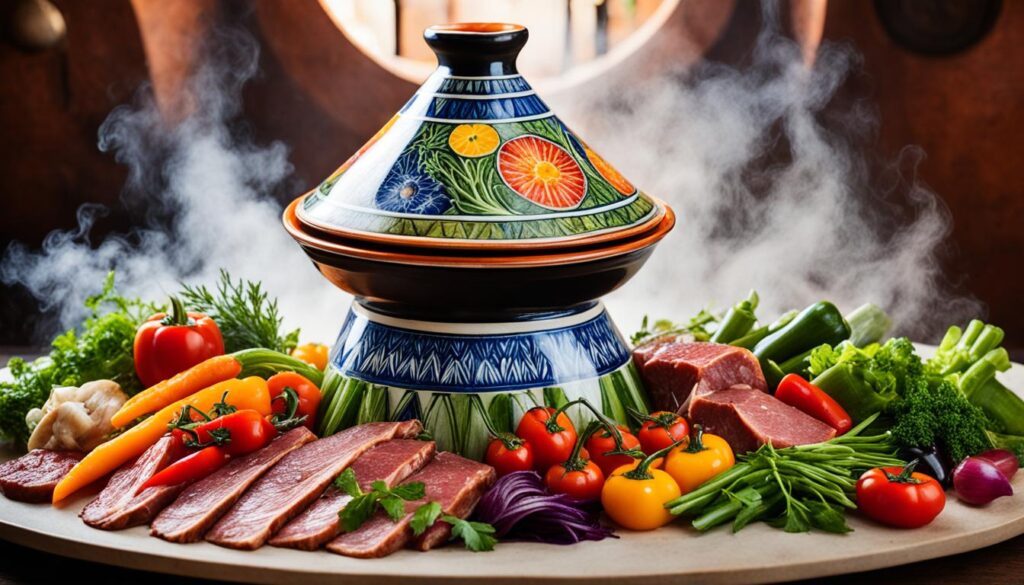
« The tajine is a vessel that carries the essence of Moroccan culture and tradition. It is a dish that tells stories and creates memories. »
The tajine’s flavors, like the mix of Ras el Hanout spices, the tang of preserved lemons, and the tender meat, come from a deep heritage. This dish invites us to enjoy the true taste of Moroccan cuisine, one delicious bite at a time.
Moroccan Cuisine Today
Preserving Traditions, Embracing Innovation
In Morocco today, the country’s rich food culture is still growing. It blends old traditions with new tastes. Moroccan cuisine is known for its special spice mixes and flavors. It’s a celebration of the country’s diverse culture.
The preservation of culinary traditions is key in Moroccan kitchens. Old recipes and techniques are kept alive. Dishes like tagine, couscous, and mint tea are still loved and have a long history.
But, modern Moroccan cuisine also loves to try new things. Chefs and cooks mix in new ingredients and ways of cooking. This makes traditional food fresh and exciting again.
This mix of old and new keeps Moroccan food vibrant and changing. It combines the country’s rich culture with new tastes and ideas.
| Traditional Moroccan Dishes | Modern Moroccan Cuisine Innovations |
|---|---|
|
|
Moroccan cuisine is always changing, yet it holds onto its traditions. It brings together the past and present in food. Moroccan cuisine is loved worldwide for its mix of old and new flavors.
Conclusion
Moroccan cuisine is like a living museum. It shows how different cultures blend together through food. Every dish tells a story of the country’s long history.
It invites us to enjoy the mix of flavors and traditions. Moroccan food is special because of this blend.
Tagines simmer slowly, showing off Berber and Moorish roots. Couscous celebrates the country’s farming. Each dish has its own story of strength and respect for the earth.
The way spices are used and bread is made shows the creativity of Moroccan cooks. They use seasonal ingredients with great skill.
As we end our look at Moroccan food, we value its rich culture more. We want to try more of its unique tastes. Moroccan food makes us slow down, connect with others, and enjoy its special flavors.