
Airline ticket prices are set by complex algorithms, AI, and strategic pricing. Airlines use advanced systems to adjust fares and make more money from each passenger. Many factors, like the type of traveler, how early they book, and competition, affect ticket prices.
Ticket prices change often as airlines use new pricing methods to stay ahead. The industry makes about $55 billion a year from extra fees, making pricing more complex. Knowing how ticket prices work can help travelers find better deals.
Key Takeaways
- Airline ticket pricing is a complex process using algorithms, AI, and strategic pricing.
- Airlines adjust fares using advanced systems to make more money from each passenger.
- Many factors, including traveler type and booking time, affect ticket prices.
- Airlines are always changing their pricing to stay competitive and profitable.
- Extra fees in the airline industry add $55 billion a year to the complexity of pricing.
The Complexity of Airline Ticket Pricing
Airline ticket pricing is a complex process. Carriers use advanced pricing algorithms, AI technology, and historical data to set fares. They manage different booking classes to make more money.
Algorithms, AI Technology, and Historical Data
Airlines use complex algorithms and AI to look at lots of booking data. They study customer habits and market trends. This helps them predict demand and adjust prices to make more money.
They can quickly change prices based on competition, fuel costs, and other factors. This data-driven method helps them stay ahead in the market.
Booking Classes and Travel Classes
- Airlines have a system of booking classes for managing fares, different from travel classes (economy, business, first class).
- There are about 24-77 fare buckets per airline, each with its own rules for availability and price.
- Airlines control how many seats are available in each class. This balances the needs of different customers, from last-minute travelers to those looking for deals.
Knowing how booking classes, travel classes, and pricing algorithms work helps us understand airline ticket pricing better.
« Airlines often struggle to exceed a 5% operating margin even with predictive models and sophisticated pricing strategies. »
Factors Influencing Ticket Prices
Airline ticket pricing is complex and changes often. Airlines look at how business and leisure travelers act and spend. This affects ticket prices a lot.
Profiling of Business vs. Leisure Travelers
Business travelers book flights close to when they leave and pay more for their needs. Leisure travelers look for the best deals and book early.
Length of Advance Purchase
How long before you fly also changes ticket prices. Prices go up as the flight gets closer. Booking early can lead to cheaper tickets. Waiting till the last minute means paying more.
| Traveler Type | Booking Behavior | Willingness to Pay |
|---|---|---|
| Business Travelers | Book closer to departure date | Higher fares |
| Leisure Travelers | Book further in advance | More price-sensitive |
Airlines use these traveler differences to set prices. This helps them make more money and serve everyone’s needs better.
Current Sales Volume and Demand Forecasting
In the airline ticket pricing world, keeping an eye on sales and demand is key. Airlines watch how many seats they sell on each flight. This helps them set prices. When many people want to fly and not many seats are left, prices go up. This is because of supply and demand.
Airlines use advanced models to predict demand. These models look at past data, use algorithms, and artificial intelligence to guess future travel trends. By knowing what customers will do, airlines can change prices to make more money and keep customers happy.
| Metric | 2021 | 2022 | 2023 (Projected) |
|---|---|---|---|
| Domestic Passenger Volume | 175 million | 210 million | 240 million |
| International Passenger Volume | 95 million | 125 million | 150 million |
| Average Ticket Price | $268 | $289 | $312 |
The table shows air travel is getting more popular, which means prices are going up. This makes it crucial for airlines to watch sales closely and forecast demand well. They need to use smart pricing to stay competitive.
« Airlines must continuously refine their pricing models to stay ahead of the curve and meet the evolving needs of their customers. »
Trip Length and Pricing Strategies
The length of your trip and the day you travel can change how much you pay for a ticket. Airlines use different strategies to meet the needs of various travelers and make more money.
One-Way vs. Round-Trip Fares
For a long time, round-trip tickets have been cheaper than one-way tickets. This is because they attract more leisure travelers who book early and want to save money. On the other hand, one-way tickets are often chosen by business travelers or those with flexible plans.
Weekend and Holiday Pricing
Airlines change prices for weekend and holiday travel to match the higher demand. Flights on Friday, Saturday, and Sunday are usually pricier because they’re the top days for leisure trips. Also, flights during big holidays like Thanksgiving, Christmas, and New Year’s are more expensive.
Knowing how trip length and timing affect prices can help travelers make smarter choices and find cheaper tickets.
« Dynamic pricing lets airlines check real-time data on how passengers act and what they want. They use this info to set prices based on booking patterns, competitor prices, weather, and events. »
Competitive Pricing Analysis
In the airline industry, airlines watch each other’s prices and adjust theirs. Low-cost carriers make prices drop by entering the market. This shows how airline competition affects prices.
Airlines use different ways to stay competitive, like:
- Penetration pricing – Lower prices to quickly get market share in new areas.
- Lowest pricing strategy – Trying to have the cheapest fares out there.
- Value-based pricing – Prices set based on what customers think is worth it.
- Dynamic pricing – Changing prices as demand and inventory change to make more money.
Airlines also use pricing tools and yield management to stay ahead. Things like demand, competition, costs, route network, and how they sell tickets affect their prices.
| Pricing Strategy | Description | Competitive Advantage |
|---|---|---|
| Penetration Pricing | Lower fares to quickly get more customers | Brings in new customers, makes the brand known |
| Lowest Pricing | Keeping fares lower than others | Wins over customers who look for deals, beats the competition |
| Value-based Pricing | Prices set by what customers think is valuable | Makes more money from customers who pay more |
| Dynamic Pricing | Changes prices based on demand and what’s available | Makes more money by charging more for popular seats |
By watching competitive pricing and using smart pricing, airlines can stay ahead. They draw in a wide range of customers in the ever-changing aviation market.
Revenue Management Systems and Yield Management
Airlines lead in using revenue management because demand changes a lot and costs stay high. Revenue management uses data to guess what customers will do next and make more money. In the ’70s and ’80s, computers helped airlines change prices more easily.
Revenue management systems (RMS) turn data on what customers do into predictions about demand. Airlines change prices fast based on things like how often they fly, the day of the week, and the weather. They also use profiles of passengers to set prices; for example, people booking early for fun trips might pay more at first.
Yield management makes more money by changing prices on the fly across different fare classes. This has made most airlines earn 3% – 7% more. Some airlines made a lot more, up to 50% – 100% more profit. American Airlines made $500 million more a year, and Delta made almost $300 million more.
| Airline | Revenue Increase from Yield Management |
|---|---|
| American Airlines | $500 million per year |
| Delta | $300 million per year |
| Marriott Hotels | $100 million per year |
The future of airline revenue management is all about continuous pricing, thanks to AI and big data. Old airlines are finding it hard to keep up with new tech. But, the industry knows it needs to go beyond old revenue management and yield management ways.
pricing mechanisms for airline tickets
Airline pricing is a complex process. It balances revenue and competitiveness. Airlines use pricing mechanisms like algorithms and AI to set prices.
Yield management lets airlines set their own prices. This leads to strategies like price optimization and competitor pricing analysis. Dynamic pricing adjusts prices based on real-time data.
Ancillary revenues add a lot to airline profits. Things like extra baggage fees bring in around $55 billion a year. Dynamic Offers by IATA improve demand forecasts and personalize fares, boosting conversion rates and loyalty.
The industry is moving to more dynamic pricing. This includes using ancillary services and better revenue management. The New Distribution Capability (NDC) helps airlines work with tech providers for dynamic pricing.
Prices are influenced by route popularity, travel dates, and booking times. Airlines use algorithms to set prices based on distance, destination, and taxes. Discounts and promotions can help manage price increases and improve customer satisfaction.
In summary, pricing mechanisms are key for airlines’ revenue optimization. They use airline pricing techniques to stay competitive and profitable.
Dynamic Pricing Algorithms
Airlines are now using dynamic pricing algorithms to make their ticket prices better. These algorithms change ticket prices in real time. They look at sales, what competitors charge, and demand changes. This way, airlines can quickly adjust their pricing algorithms to make more money.
Dynamic pricing is getting more common in the airline world. Airlines want to stay ahead and make a profit. These systems let airlines offer different prices to match what customers are willing to pay.
Real-Time Pricing Adjustments
Dynamic pricing algorithms are great at changing prices fast. Airlines can adjust their prices quickly because of:
- Current sales volume and booking trends
- Competitor pricing and market position
- Changes in who wants to travel, for fun or business
- Seasonal changes and holidays
These algorithms keep an eye on these things. This helps airlines set the best prices. They aim to make the most money while staying competitive.
| Pricing Strategy | Description | Key Benefits |
|---|---|---|
| Continuous Pricing | Allows airlines to set prices between filed fares, giving passengers a range of prices. | More revenue, better customer experience, and more flexibility in pricing. |
| Context-Specific Pricing | Changes prices based on things like where you’re coming from, why you’re traveling, or your loyalty status. | Prices that match what customers want, better revenue, and happier customers. |
| Willingness-to-Pay Forecasting | Uses data and AI to figure out how much people want to pay for flights or routes. | Good demand forecasting, better revenue management, and customized pricing. |
The airline industry is always changing. Using advanced dynamic pricing algorithms will be key for airlines to stay ahead. They’ll need to be quick, responsive, and profitable in a tough market.

Price Discrimination Methods
Airlines use different ways to make more money from various customers. They charge different prices for the same thing based on how much a traveler is willing to pay. This helps them make more profit.
One way they do this is through traveler profiling. They sort passengers into business or leisure travelers. Business travelers, who book at the last minute, pay more. Leisure travelers, who book early, pay less because they are more price-sensitive.
Personalized pricing is another strategy. Airlines look at what customers searched and bought before. Then, they offer prices that match what the customer is likely to pay. This helps airlines get more of the extra money customers might be willing to pay.
| Price Discrimination Technique | Description |
|---|---|
| Inter-temporal Pricing | Charging higher fares for last-minute bookings compared to early bookings |
| Peak-load Pricing | Implementing higher prices during peak demand periods and lower prices during off-peak times |
| Versioning | Offering different ticket versions with varying quality and services, such as high-quality fares with flexibility versus low-quality restricted fares |
| Quantity Discounts | Providing discounts for larger travel groups or frequent flyers |
These methods help airlines make more money but can be debated. They are watched closely by regulators. Still, they are key to how airlines set their prices.
« Price discrimination is a fundamental aspect of airline ticket pricing, allowing airlines to extract more revenue from different customer segments. »
Ancillary Pricing Strategies
Airlines have changed how they make money, moving beyond just ticket prices. They now use ancillary fees for extra services like checked bags and seat choices. These fees have become a big part of their income.
Fees for Additional Services: Unlocking Hidden Revenue Streams
The airline industry has seen a big shift to making more money from extra fees. In 2023, these fees made $117.9 billion worldwide. Airlines use data and AI to set prices for these services based on what customers want and market trends.
For example, PROS AI helped one airline increase sales by 0.5%. airBaltic used PROS tech and made 6% more from seat choices. This shows how airlines can make more money by smartly pricing ancillary fees and add-on services.
| Airline Ancillary Revenue Trends | 2023 Projection |
|---|---|
| Ancillary Revenue (Worldwide) | $117.9 Billion |
| Net Profit Margin (Industry Average) | 3.1% |
| Earnings Per Passenger (Industry Average) | $6.14 |
The airline industry is always changing, and focusing on revenue diversification will keep growing. By using data and new tech, airlines can find more ways to make money. This helps them stay competitive in the air travel market.
Pricing Optimization Tools
Today, airlines and businesses use advanced tools to stay ahead. These tools use data, machine learning, and predictive analytics. They help analyze market trends, predict demand, and find the best prices.
Pricing Analytics and Optimization tools analyze data and find the best prices using machine learning. CPQ (Configure, Price, Quote) Tools make the quote process smoother. They are great for companies with complex products or services.
Integrated Price Management tools help manage prices across different channels or regions. Revenue Management systems use predictive analytics to forecast demand and maximize revenue. This is common in industries like airlines, hotels, and restaurants.
| Pricing Optimization Tool | Key Features | Industries |
|---|---|---|
| Pricing Analytics and Optimization | Data analysis, pricing trend identification, optimal price point suggestion using machine learning | Cross-industry |
| CPQ (Configure, Price, Quote) | Streamlined quote-to-cash process, incorporation of rules, discounts, and promotional pricing | Complex products and services |
| Integrated Price Management | Centralized price management across multiple channels or regions for consistent pricing | Cross-industry |
| Revenue Management | Demand forecasting, inventory optimization, revenue maximization | Airlines, hotels, restaurants |
There are more tools like Trade Promotion Management, Pricing Research, Repricing Platforms, and Retail/eCommerce Pricing Management. These tools help with different pricing strategies. They analyze customer willingness to pay and adjust prices automatically based on market changes.
Using these tools, businesses can make better decisions. They can increase profits, stay competitive, and offer more value to customers.
Regulatory Considerations and Customer Loyalty
Airlines face many rules that affect their pricing. They must balance making more money with keeping customers happy and trusting them. This means being clear about prices and making sure they seem fair.
Dynamic pricing, where prices change often based on demand, is becoming more common. But, it can make customers feel like they’re being treated unfairly. Groups like regulators are watching to make sure airlines follow the rules.
Personalized pricing, where airlines set different prices for different customers, is also on the rise. This could bring in more money but requires airlines to handle customer data carefully. They must also explain how they set prices clearly to customers.
- The global dynamic pricing market is expected to grow from $12.1 billion in 2020 to $35.5 billion by 2025, at a CAGR of 23.6%.
- McKinsey & Company found that personalized pricing can increase airline revenue by up to 3%.
- Personalized pricing strategies in the airline industry segment customers based on travel frequency, loyalty status, purchasing behavior, and preferences.
Airlines must follow many rules, like being clear about prices, to keep customers happy. Being open about prices helps build trust with travelers.
Customer loyalty programs help airlines keep customers coming back. These programs, which give rewards like miles, must follow the rules and keep customers trusting them.
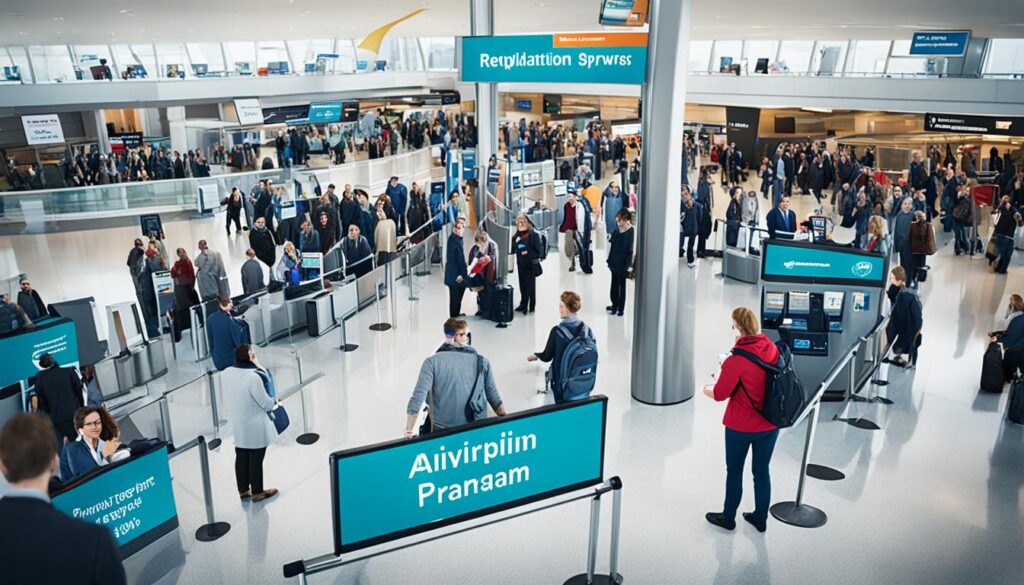
« Transparency about the use of dynamic pricing and adherence to ethical and legal standards are crucial elements in implementing dynamic pricing effectively. »
Airlines can make more money and keep customers happy by dealing with rules and focusing on loyalty.
Conclusion
Airline ticket pricing is complex and always changing. It’s influenced by advanced algorithms, data analysis, and strategic plans. Airlines use these tools to set prices that make the most money while keeping up with competition and rules.
The U.S. airline industry has changed a lot in recent years. It used to be more competitive but now a few big airlines control most of the market. This has made some worry about price fixing because of less competition. But, low-cost airlines have brought more competition, making flights cheaper, especially on certain routes.
Knowing how airlines set their prices can help travelers make better choices when booking flights. Things like how long the trip is, booking early, and the class you choose can change the price. This shows why it’s key to look into and compare different options. The airline industry also uses special systems to manage their prices, making it even more complex.