
In today’s fast-paced world, sustainability is a key driver of business growth and success. Forbes says sustainable growth means growing in a way that is ethical and responsible. It’s essential for any business’s long-term success.
The Deloitte 2023 CxO Sustainability Report shows most C-level executives believe we can grow the economy and fight climate change. Yet, there’s a gap between what they know and what they do. They’re slow to make big changes that make sustainability a core part of their business.
Businesses that focus on sustainability can get ahead, innovate, make more money, and build a strong brand. They can also attract top talent and become more resilient. These are key for growing over time.
According to the Deloitte report, about 75% of global C-level executives say they’ve upped their sustainability spending last year. This shows more companies are seeing the value in sustainability for growth.
Key Takeaways
- Sustainability is key to long-term business growth and success
- Majority of C-level executives agree on achieving economic growth while reaching climate goals
- Embracing sustainability can provide a competitive edge, drive innovation, and enhance profitability
- 75% of global organizations have increased sustainability investments in the past year
- Sustainable businesses are more committed to environmental, social, and governance (ESG) objectives
Introduction to Sustainable Business Growth
Sustainable growth is key to long-term business success. It means growing in a way that is good for now and the future. This approach balances economic growth with protecting the environment.
Definition of Sustainable Growth
The International Growth Centre (IGC) says sustainable growth is about finding a balance. It’s about growing the economy and protecting the environment at the same time. This way, it helps the less wealthy and doesn’t harm the planet too much.
Importance of Sustainability in Business
Sustainability is vital for businesses. It helps them tackle environmental and social issues. It leads to better use of resources and new ideas, which can also cut costs.
Also, 62% of consumers are ready to change their buying habits to help the planet. This means companies that focus on sustainability can gain loyal customers and a strong brand image.
Moreover, 70% of employees or potential employees see sustainability as a reason to choose or stay with a company. In the end, focusing on sustainable growth helps businesses stay strong and profitable over time.
« Sustainable product sales have grown by nearly 20% since 2014, and 73% of global consumers are willing to change their consumption habits to lessen their negative impact on the environment. »
Sustainability as a Competitive Advantage
In today’s business world, being green is key to winning. Companies that go green, manage risks, and use circular supply chains stand out. They get ahead of their rivals in the market.
Recent studies show that 62% of mid-market businesses think being green is as crucial as making money. Also, 41% say being green matters more now than before the COVID-19 pandemic started. This shows how big of a deal being green is for companies.
Companies that focus on being green gain big. They get more efficient, cut costs, and find it easier to get money. 42% say being green makes them more efficient and saves money. 37% say it helps them get more money. Plus, 33% use it to keep good workers and 31% do it because customers want it.
Adding green to a company’s plan can spark new ideas and create green products and ways of doing things. People who care about the planet like companies that are green. Being green helps companies stand out, build a strong brand, and grow for the long haul.
But, going green isn’t easy. About a third (31%) of mid-market firms struggle with new green rules. High upfront costs and some people not wanting change can make it hard to go green.
Even with the hurdles, the benefits of being green are clear. By tackling environmental issues, managing risks, and using circular supply chains, companies can stand out. They can innovate, boost their image, and grow for the long term.
« Sustainability is no longer just a ‘nice-to-have’ – it’s a business imperative. Companies that embrace eco-friendly solutions and circular supply chains will have a significant competitive edge in the market. »
Embracing Innovation and Technology
For sustainable business growth, it’s key to use new ideas and the latest tech. These innovations and technologies are changing how companies work. They help reduce harm to the environment and make things more efficient.
Innovative Sustainable Solutions
Companies are using new tech to make their businesses more sustainable. Artificial Intelligence (AI) and machine learning help manage resources better and cut down on waste. Blockchain technology makes supply chains clearer and ensures fair practices.
Also, new tech in renewable energy, like better solar panels and wind turbines, makes green energy cheaper and easier for companies. These solutions are good for the planet and help businesses grow over time.
Cutting-Edge Climate Technology
Using the latest climate tech is key for businesses wanting to lead. There’s a lot out there, from alternative fuels and carbon capture systems to smart grid infrastructure and energy-efficient building materials. This field is always changing.
By picking and using the right tech, companies can cut their carbon emissions, use energy better, and help with decarbonization. This makes them more sustainable and opens up new chances for growth and innovation.
« The fusion of technology and innovation with sustainable practices is a crucial theme for future business growth and success in creating a green economy. »
But, using these technologies can be hard because they cost a lot and change fast. Still, the benefits of going sustainable and using climate tech are clear.
Profitability Through Sustainability
Going green can lead to more profit and growth for businesses. Companies that focus on the environment, social issues, and good governance (ESG) do better than others. They show how being sustainable can help businesses thrive.
Studies show that most companies that focus on ESG grow their sales by over 10% a year from 2017 to 2021. These companies beat others in growth and made more money for their shareholders. They did 2.5% better than others in making money for shareholders.
Creating new sustainable products can make companies more valuable. Using reverse logistics and a circular economy can also bring in more money. By focusing on growth and being sustainable, companies can stay ahead and do well for a long time.
Reverse Logistics and New Revenue Streams
Good reverse logistics can make sustainability pay off and open new money-making ways. By handling returns, reuse, and recycling well, companies can make more money, waste less, and hurt the environment less. This helps with being sustainable and makes more money.
- Having a strong reverse logistics system can save money and bring in new income.
- Turning returned products into new ones for sale can make more money.
- Recycling and reusing materials cuts down on the need for new resources. This makes a business more sustainable and profitable.
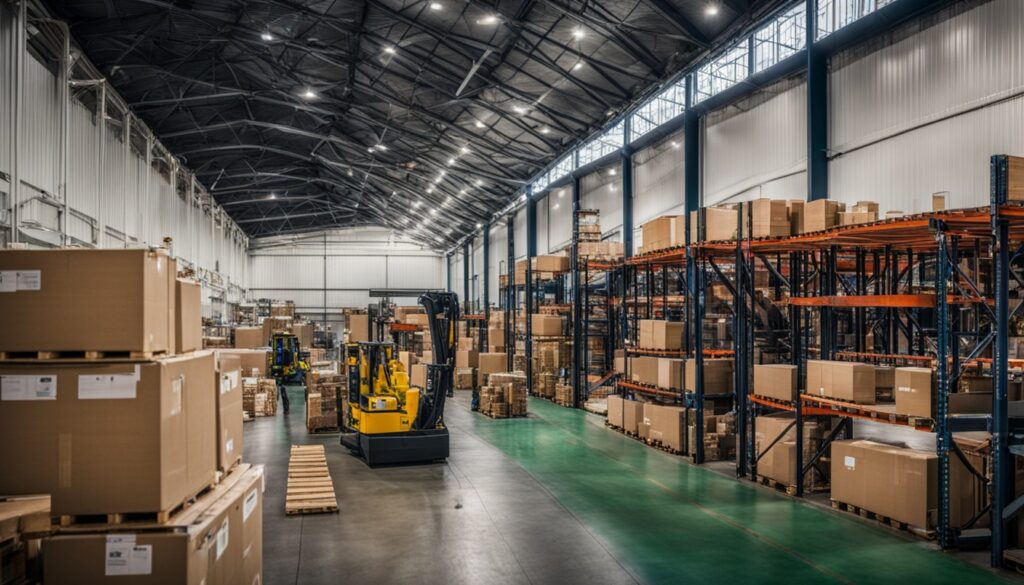
« Sustainable business practices can save money and improve the bottom line, leading to a more profitable business. Every business can take small steps to achieve immediate cost-saving results. »
By going for sustainability and using strategies like reverse logistics, companies can find new ways to make money. This helps them stay ahead and do well over time.
importance of sustainability in business growth
Sustainability is key for businesses wanting to grow and last long. It helps reduce harm to the environment and opens doors for business growth, economic prosperity, and social responsibility.
Why is sustainability important for business growth? It helps companies tackle environmental and social issues. This means they can meet changing customer needs, cut down on pollution, and help make the planet more stable. Sustainable ways of working make businesses run better and draw in customers and investors who care about the planet.
Also, being sustainable gives businesses a leg up in the market. By using sustainable solutions and cutting-edge climate technology, companies stand out. They boost their reputation and find new ways to make money, like through reverse logistics and closed-loop systems.
The real value of sustainability in business growth is its power to drive lasting economic prosperity, lessen environmental impact, and boost social responsibility. With more focus on sustainability across industries, it’s crucial for companies to adopt sustainable practices. This ensures they keep growing and help create a better future.
« Sustainability is no longer about doing less harm. It’s about doing more good. »
Customer Backing for Sustainable Brands
Sustainable brands are getting more popular as people want to support ethical and green businesses. Younger people, like Millennials and Gen Z, are especially choosing brands that care about the planet. They want to see real efforts towards being sustainable.
Consumer Preferences for Ethical Brands
Recent studies show that over 60% of US consumers are willing to pay more for products with sustainable packaging. 78% of US consumers think living sustainably is important. Products that focus on the environment, social issues, and good governance have grown a lot in the last five years.
Also, 11 out of 15 food categories and three out of four personal-care categories saw big growth from products making ESG-related claims. This trend is stronger in richer households, city and suburb dwellers, and families with kids. They are more likely to buy products with ESG claims.
This move towards sustainable brands is here to stay. Gen X consumers are now more into sustainable brands, with a 25% increase in preference in two years. They are also willing to pay more for sustainable products, by 42%. By 2030, Gen Z will make up 27% of the world’s income, making sustainable brands even more crucial.
« Almost 100% of retailers believe that consumers expect them to operate in a more sustainable way. »
Brands that focus on being sustainable and ethical will get strong support from customers. They will also see better brand reputation and growth chances. It’s now a must for businesses to adopt sustainable practices to succeed in today’s market.
Sustainability Investments for Long-Term Growth
Businesses now focus more on environmental, social, and governance (ESG) goals. This makes sustainability investments key for long-term growth. Forbes says « profitable growers are more committed to ESG objectives. » This shows how important sustainability is for staying ahead.
Deloitte’s latest report shows that 75% of top executives say they’ve upped their sustainability spending last year. This shows a big push for making sustainability a part of the business plan. Putting money into sustainability meets what people expect from companies and boosts a company’s image. This leads to profitable growth.
| Sustainable Investment Trends | Percentage |
|---|---|
| Individual investors interested in sustainable investments | 77% |
| Increase in investor interest in sustainable investments over the last two years | 57% |
| Investors anticipating an increase in sustainable investment allocations in the next year | 54% |
| Investors ranking climate action as their top sustainable investing theme | 15% |
More people, both individuals and big investors, want to put money into sustainability investments. They want to match their money goals with caring for the planet and people. This shows how crucial long-term growth through green practices is. Companies that focus on ESG do better with their stakeholders and set themselves up for success.
« Profitable growers are more committed to environmental, social, and governance (ESG) objectives. »
Growth-Fueling Sustainable Partnerships
Sustainable partnerships help businesses grow. They work with others who share their goals. Together, they create sustainable solutions that make things better for everyone and the planet.
Cross-Industry Collaborations
These partnerships don’t just stay within one industry. Companies can work with non-profits, government groups, and even rivals. This way, they share ideas and resources to solve big problems together.
Logistics and Supply Chain Partnerships
In logistics and supply chain, working together is key. Companies team up with others to make things more efficient and green. This means less waste and a smaller carbon footprint for everyone.
| Sustainable Partnership Examples | Benefits |
|---|---|
| Apparel brand partnering with recycled material suppliers | Reduced waste, increased product sustainability |
| Electronics manufacturer collaborating with repair hubs | Extended product lifespan, decreased e-waste |
| Renewable energy provider and electric vehicle company | Holistic clean transportation solutions |
By choosing sustainable partnerships, companies can grow, stay ahead, and help make the future better for all.

« Collaborative partnerships foster innovation, leading to the generation of fresh ideas and novel technologies. »
Challenges and Solutions in Implementing Sustainability
Adding sustainability to business can be tough. One big hurdle is getting people to change. Employees might not want to try new ways, and it’s hard to make everyone agree.
Another big problem is not having enough money or people to work on being sustainable. Companies often find it hard to pay for green projects. They might not see the benefits right away.
To beat these sustainability challenges, companies need a culture of sustainability. This means getting employees and customers on board and always finding new ways to be green. Having strong leaders, working together across departments, and focusing on long-term gains are key.
For instance, Grundfos, a company that works with water technology, has found great ways to be sustainable. They’ve cut energy use by a lot and lowered carbon emissions. They also help save a lot of water and bring clean water to people.
Signify, a lighting company, has also made big strides. They’ve been carbon neutral since 2020 and send no waste to landfills. They make a good chunk of their money from new lighting tech and circular products.
These stories show how sustainability solutions can help businesses. They lead to better environmental outcomes, save money, and open up new ways to make money. By tackling organizational change and stakeholder engagement, companies can gain a big edge and grow over time.
« Sustainability is not just an environmental issue – it’s a business issue. Companies that embrace sustainability are better positioned to thrive in the long run. »
Balancing Environmental, Social, and Economic Goals
For sustainable growth, businesses need to look at the big picture. They must think about how their actions affect the environment, society, and their finances. The triple bottom line idea is all about measuring success in these three areas, not just money.
This balanced view helps companies make choices that benefit everyone. It means thinking about what’s good for employees, customers, communities, and the earth. By doing this, businesses can grow in a way that’s good for the future and makes money.
The Triple Bottom Line Approach
The triple bottom line is a way for companies to check how well they’re doing. It looks at more than just profits. It looks at the environment, how the company treats people, and its financial health.
- Environmental impact: This means looking at things like how much pollution the company makes, how much energy it uses, and how it handles waste.
- Social impact: This is about how the company affects its workers, the local area, and society as a whole. It includes things like being fair and inclusive.
- Economic impact: This part is about the company’s money side. It looks at how well it’s doing financially and how it adds value for its stakeholders.
By focusing on these three areas, companies can build a strong, lasting business model. This model is good for growth and doesn’t hurt the environment or society too much. It takes a lot of knowledge and a commitment to always get better and innovate.
Sustainable Practices Across Industries
Sustainability is now a key goal for businesses in many fields. Companies in manufacturing, production, service, and retail are adopting sustainable practices. This helps them grow for the long term and lessen their environmental impact.
Manufacturing and Production
In manufacturing and production, the focus is on cutting waste and boosting energy efficiency. Companies are using resources better, introducing new tech, and promoting the reuse and recycling of materials. This approach reduces their carbon footprint and makes their operations more efficient.
For example, Schneider Electric plans to earn 80% from « green revenues » by 2025. It aims to help customers cut up to 800 million metric tons of emissions. Neste is investing in a venture to lead in renewable fuels, and Orsted is shifting to wind farms, becoming a top offshore wind developer.
Service and Retail Sectors
The service and retail sectors are also going green. They meet the growing demand for eco-friendly products and services. They use sustainable sourcing, offer eco-friendly packaging, and create products that follow circular economy ideas.
JetBlue is working towards carbon neutrality. Nike is cutting waste and using renewable energy. Unilever has set goals for net-zero emissions and a deforestation-free supply chain. Retailers are choosing ethical and local sourcing to cut down on emissions and support local areas.
Now, sustainable practices are the norm across industries. Companies see environmental responsibility as crucial for lasting success. By being innovative, working together, and focusing on sustainability, businesses can grow, improve their reputation, and help create a greener future.
| Industry | Sustainable Practices | Key Initiatives |
|---|---|---|
| Manufacturing and Production | Waste reduction, energy efficiency, circular economy | Schneider Electric’s « green revenues » goal, Neste’s renewable fuels, Orsted’s focus on wind farms |
| Service and Retail | Sustainable sourcing, eco-friendly packaging, circular products | JetBlue’s carbon neutrality, Nike’s waste reduction, Unilever’s net-zero emissions target |
« Sustainability is no longer just a buzzword, but a strategic imperative for businesses across various industries. »
Future of Sustainable Business Growth
The future of sustainable business growth is set to be shaped by new trends and innovations. As the need to tackle climate change grows, businesses will turn to clean technology, circular economy models, and climate tech to grow.
New tech in renewable energy, carbon capture, sustainable materials, and digital tech will help companies cut their environmental impact. This will also make them more efficient and profitable. Companies that lead in these areas will do well in the future.
Embracing Sustainable Innovations
More companies now see sustainability as a way to stand out. They’re using sustainable technology to make their operations better and start new sustainable habits.
- GreenCoding focuses on making software development more sustainable. It encourages developers to think about how their tech affects the environment. They aim to solve industry problems or make things more efficient.
- The Stargate project is a big deal between Microsoft and Open AI. They’re building a supercomputer using nuclear fusion for AI algorithms. This shows the big potential of future of sustainable growth through new tech.
As things change fast, companies that follow emerging trends and sustainable innovations will do well.
| Key Sustainable Growth Trends | Innovative Sustainable Solutions |
|---|---|
|
|
« Sustainable business leadership will be defined by how companies approach climate change, technological innovation, and structural economic change. »
Employee Engagement and Sustainable Culture
Creating a sustainable culture in a company is key for lasting growth. When workers feel tied to the company’s green efforts and see their role in making a difference, they get more engaged. This makes them more committed to the company’s success.
Having a culture that values sustainability can also draw in and keep top talent. Younger workers look for employers that care about the planet. By embracing green practices and letting employees take part, companies can build a workforce ready for the future.
Unilever’s Sustainable Living Plan (USLP) aims to help one billion people, cut environmental harm in half, and boost the lives of women and small farmers by 2020. This broad plan has boosted engagement among employees. It has also made Unilever a top name in eco-friendly business.
Companies that focus on sustainability and set clear goals see a 2% jump in employee engagement. Also, over 40% of people in a recent poll have switched jobs or plan to because of climate worries. This shows how crucial organizational change towards green practices is.
« 55% of respondents in a Deloitte survey of nearly 23,000 employees research brands’ environmental impact and policies before accepting a job. »
To build a sustainable culture, companies should be open in their communication, involve employees in big decisions, and offer chances for learning about sustainability. Rewarding employees for their green efforts can also boost employee engagement.
By making sustainability a core part of their work and culture, companies can unlock their team’s full potential. This approach helps in talent attraction, talent retention, and big organizational change towards a greener future.
Conclusion
Sustainability is now a must for businesses wanting to last and grow. By going green, companies can stand out, spark new ideas, make more money, and keep customers coming back. These are key to doing well in today’s fast-changing market.
Companies that use the latest in sustainable tech and work with others can grow. They also need to get their workers on board and meet goals in the environment, society, and economy. Those that put sustainability at their heart will do well. The journey to sustainable growth has hurdles, but the benefits of being socially and environmentally responsible are huge.
As more people want green products and services, companies focusing on sustainability will boost their image. They’ll draw in the best workers, keep customers for the long haul, and lead their industries. The future of business is all about being sustainable. Companies that accept this will succeed in the coming years.