
My personal odyssey in Morocco began with a three-day sojourn in Fes, a city founded in the 9th century, that pulsates with antiquated charm and modern mercantile bustle. The effect is seductive, with the genuine warmth and hospitality of the shopkeepers welcoming visitors to taste the olives, sample the spices, and engage in unhurried conversations. This transformative journey helped me cultivate insight and wisdom, and uplifted my spiritual wellbeing through the vibrant medinas, tantalizing cuisine, exquisite craftsmanship, and profound spirituality of Morocco.
Key Takeaways
- Explore the ancient medinas of Fes, immersing in the vibrant souks and discovering Moroccan hospitality.
- Indulge in the culinary delights of Morocco, from learning to cook at Palais Amani to savoring the flavors.
- Discover the artisanal crafts of Morocco, from intricate metalwork to vibrant Berber carpets.
- Venture into the spiritual realm of Sufism and embark on a Sahara desert adventure.
- Empower women-led cooperatives and experience luxury tented camping in the Sahara.
Exploring the Ancient Medinas of Fes
Nestled in the heart of Morocco lies the captivating city of Fes, home to one of the world’s best-preserved medieval medinas. As you step into the labyrinth of narrow alleyways, the Fes medina transports you back in time, offering a glimpse into the country’s rich cultural heritage.
Immersing in the Vibrant Souks
The Fes medina is a bustling hub of activity, where the Moroccan souks (traditional markets) come alive. Wander through the maze of stalls, each offering a tantalizing array of handcrafted goods, from vibrant textiles and intricate metalwork to fragrant spices and delectable delicacies. The air is filled with the aroma of freshly brewed mint tea and the sights of skilled artisans at work, creating intricate leather goods and ornate pottery.
One of the highlights of the Fes medina is the captivating Tanneries, where visitors can witness the age-old process of leather tanning and dyeing. The vibrant colors of the dyed hides are a feast for the eyes, and the skilled tanners are eager to share their craft with curious onlookers.
Discovering Moroccan Hospitality
What struck me most about the Fes medina was the genuine warmth and hospitality of the Moroccan people. The shopkeepers and artisans are not simply vendors, but storytellers eager to share their cultural heritage. They welcome visitors with open arms, inviting them to sample the local delicacies, admire their handcrafted wares, and engage in unhurried conversations about the history and traditions of this enchanting city.
As you wander through the Fes medina, you’ll encounter a tea maestro effortlessly blending different herbs and concocting innumerable cups of fresh mint tea, a testament to the rich culinary traditions that permeate Moroccan culture. The hospitality of the Moroccan people is a true highlight of any visit to this captivating destination.
« The Fes medina is a labyrinth of enchantment, where the past and present seamlessly intertwine, offering visitors a truly immersive cultural experience. »
Idée voyage aux MAROC touristique artisanal cuisine savoureux Sahara
Embark on a transformative journey to the enchanting land of Morocco, where the traditions of artisanal crafts, the tantalizing flavors of Moroccan cuisine, and the breathtaking expanse of the Sahara Desert converge to create an unforgettable experience. Whether you’re seeking a cultural immersion, a culinary adventure, or a serene desert escape, Morocco offers a tapestry of wonders that will captivate your senses and enrich your spirit.
One of the highlights of a Moroccan adventure is the opportunity to explore the vibrant medinas, or historic city centers, where the rhythms of daily life intertwine with the timeless craftsmanship of local artisans. From the intricately woven Berber carpets to the intricate metalwork and ceramics, each piece reflects the rich heritage and creative ingenuity of the Moroccan people.
As you wander through the maze-like souks, the air will be filled with the tantalizing aromas of spices, freshly baked breads, and simmering tagines. Indulge in the flavors of Morocco, from the fragrant couscous to the sweet mint tea, as you discover the country’s culinary delights. Participate in a hands-on cooking class or simply savor the local cuisine at one of the many charming riads or restaurants.
But the Moroccan adventure doesn’t end there. Venture out to the captivating Sahara Desert, where the vast dunes and starry nights offer a serene escape from the bustling cities. Embark on a camel trek, sleep under the stars in a Berber-style camp, and immerse yourself in the timeless traditions of the Saharan people, complete with storytelling and mesmerizing music performances.
« Morocco is a sensory explosion – the colors, sounds, and aromas of this vibrant country will linger long after your visit. »
Whether you’re seeking to discover the artisanal crafts, savor the Moroccan cuisine, or explore the spiritual realm of Sufism, this extraordinary destination promises to leave an indelible mark on your heart and mind. Prepare to be captivated by the rich tapestry of Moroccan culture and the warm hospitality of its people.
| Morocco Travel Statistics | Data |
|---|---|
| Homes Available for Home Exchange | Over 900 |
| Average Round-Trip Airfare from France | €182 (range: €126 – €313) |
| Average Budget for Round-Trip Car Travel | €900 |
| Off-Peak Season (May – September) | Lower airfare and activity rates |
| Train Travel from Europe to Morocco | Cost-effective and eco-friendly option |
| Public Transportation within Morocco | Reliable and budget-friendly |
| Free Natural and Cultural Attractions | Numerous options available |
| Moroccan Souks and Bargaining | Vibrant atmosphere and cultural experience |
| Group Excursions to Destinations | More economical than individual trips |
Whether you’re planning a romantic getaway, a family adventure, or a solo journey of self-discovery, Morocco offers a wealth of opportunities to create cherished memories. Immerse yourself in the vibrant culture, savor the delectable cuisine, and let the enchanting landscapes of this remarkable destination captivate your heart and soul.
Culinary Delights: Mastering Moroccan Cuisine
Immerse yourself in the captivating world of Moroccan cuisine, where vibrant flavors and time-honored traditions converge to create a gastronomic symphony. From the bustling medinas of Fes to the serene halls of the Palais Amani, the art of Moroccan cooking comes alive, beckoning food enthusiasts and cultural explorers alike.
Cooking Class at Palais Amani
One of the highlights of my Moroccan adventure was a hands-on cooking class at the renowned Palais Amani hotel. Under the guidance of skilled local chefs, I delved into the intricacies of preparing a delectable vegetable tagine, complete with the aromatic zaalouk, a captivating side dish of roasted eggplant in a spicy sauce. Dessert was a simple yet sublime affair, featuring sliced fresh fruit delicately infused with the floral notes of orange flower water, a quintessential Moroccan touch.
Savoring the Flavors of Morocco
Beyond the confines of the cooking class, the medina of Fes revealed a treasure trove of culinary wonders. I witnessed a master artisan effortlessly crafting a fragrant fava bean soup called Bisarra, a beloved local delicacy. And in the bustling souks, I stumbled upon a tea maestro, whose deft blending of herbs and spices gave rise to innumerable cups of refreshing mint tea, a Moroccan staple that epitomizes the country’s rich hospitality.
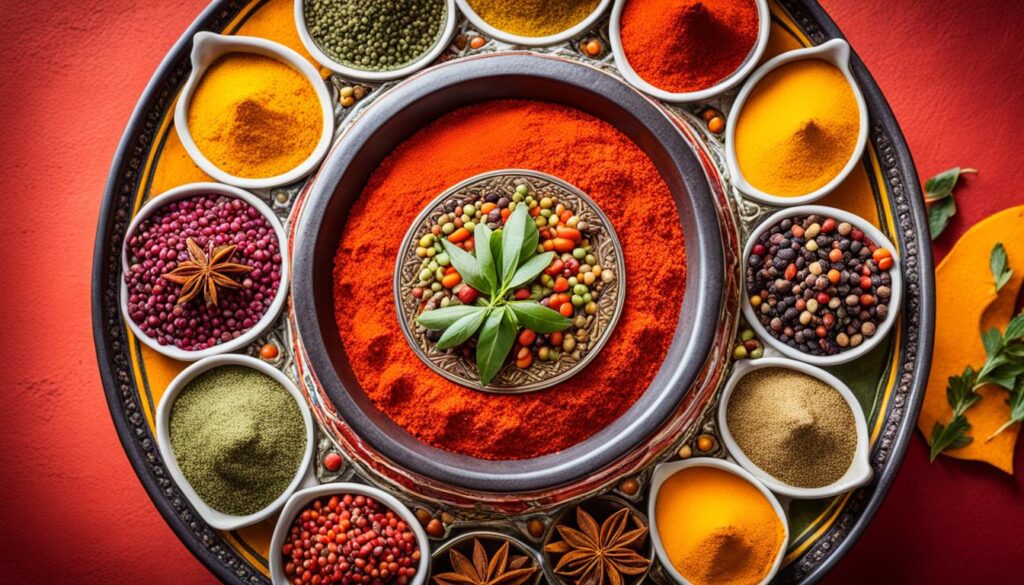
Whether learning the nuances of tagine preparation or savoring the intricacies of Moroccan tea culture, my culinary journey in Fes left an indelible mark, igniting a deeper appreciation for the Moroccan cuisine, its Moroccan flavors, and the Moroccan cooking class experiences that allow visitors to truly immerse themselves in the heart and soul of this captivating country.
Artisanal Crafts: From Metalwork to Ceramics
Morocco’s rich cultural heritage is reflected in the extraordinary artisanal crafts that have captivated visitors for centuries. From the exquisite metalwork showcasing an array of intricately designed shields and delicately wrought lanterns, to the Berber carpets with their simple yet elegant designs that preserved the vibrant history of the Berber people, the country’s artisanal offerings are truly awe-inspiring.
The artisanal crafts industry in Morocco contributes significantly to the country’s GDP, estimated at around 6%. Around 1.3 million Moroccans are employed in the artisan sector, providing livelihoods to a substantial portion of the population. The majority of artisan workshops are concentrated in urban areas, with around 30% located in the bustling city of Marrakech.
Berber Carpets: Vibrant History Underfoot
The intricate and colorful Berber carpets are a true testament to the rich cultural heritage of Morocco. These captivating woven masterpieces not only serve as functional floor coverings but also preserve the stories and traditions of the Berber people. Visitors can find these vibrant carpets in the bustling souks, where they can observe the skilled artisans at work and even participate in the haggling process to secure a unique piece for their homes.
The export of Moroccan handicrafts, including metalwork and ceramics, generates millions of dollars in revenue annually, with a large portion of these exports heading to European and North American markets. The Moroccan government, in collaboration with various agencies and organizations, runs training programs to enhance the skills of artisans, with more than 10,000 artisans participating in these programs annually.
Moroccan Ceramics: Blending Tradition and Innovation
Moroccan ceramics are renowned for their exquisite designs and intricate patterns, which blend traditional techniques with modern innovations. From the simple yet elegant clay plates to the magnificent works of art produced in local cooperatives, Moroccan ceramics showcase the country’s rich cultural influences, including Islamic, Berber, North African, and European elements.
Moroccan artisan crafts have gained international recognition, with exports showing an annual growth rate of approximately 5% over the past five years. Over 12,000 artisan cooperatives exist in Morocco, supporting the work of craftsmen and providing them with access to wider markets. While traditional techniques remain prevalent among artisans, there is a growing trend towards incorporating modern designs and practices to appeal to a wider consumer base.
The artisanal crafts of Morocco offer a unique and captivating glimpse into the country’s rich cultural heritage. From the intricate metalwork to the vibrant Berber carpets and the exquisite ceramics, these artisanal masterpieces not only serve as functional and decorative items but also preserve the stories and traditions of the Moroccan people.
Discovering the Spiritual Realm of Sufism
No journey to Morocco is complete without delving into the captivating world of Sufism, a mystical and contemplative branch of Islam that emphasizes spiritual awakening, inner illumination, and the pursuit of divine love and knowledge. In the vibrant medina of Fes, I had the privilege of meeting a Sufi scholar who graciously shared the tenets of this profound spiritual tradition.
Sufism in Morocco is deeply woven into the cultural fabric of the country, influencing art, music, and everyday life. One of the most compelling expressions of Moroccan Sufism is the Gnawa music tradition, which I had the opportunity to experience firsthand. The Gnawa people’s blend of Sufi and animist beliefs and practices is brought to life through mesmerizing all-night performances, featuring enchanting rhythms and rituals that transport the audience to a realm of transcendental spirituality.
« Sufism is not a religion, but a way of life – a journey towards the divine, guided by the principles of love, compassion, and self-discovery. »
The spiritual essence of Sufism in Morocco is a testament to the country’s deep-rooted connection with the divine. From the intricate calligraphy that adorns the walls of historic mosques to the soulful melodies that reverberate through the streets, the Sufi influence is palpable, inviting travelers to immerse themselves in a realm of mysticism and contemplation.
Whether attending a Sufi gathering, exploring a Zawiya (Sufi lodge), or simply observing the daily rituals of the Moroccan faithful, visitors can gain a profound appreciation for the spiritual depth that permeates this enchanting land. By embracing the Sufi teachings of humility, compassion, and the pursuit of inner peace, one can uncover the true essence of Moroccan spirituality and embark on a transformative journey of self-discovery.
Trekking into the Sahara Desert
As I ventured deeper into the heart of Morocco, my journey led me to the captivating Sahara Desert. Here, I had the privilege of meeting Zouhair Haznaoui, a renowned Moroccan storyteller and musician. Zouhair greeted me at our remote desert camp, his eyes sparkling with enthusiasm as he presented a bag filled with ancient artifacts.
Sitting beneath the vast, starry sky, Zouhair regaled me with mesmerizing tales that were rich with mythical characters, symbolic meaning, and timeless wisdom. His narrative style was captivating, transporting me to a realm where the boundaries between reality and legend blurred. I listened, enthralled, as he wove his magical stories, each one a testament to the enduring power of Moroccan storytelling.
Later that evening, I had the opportunity to witness a mesmerizing performance of Gnawa music, one of Morocco’s most compelling musical traditions. The Gnawa people, whose beliefs and practices blend Sufi and animist influences, took the stage, filling the desert night with the resonant sounds of their haunting melodies and rhythmic chants. The performance was a spellbinding experience, a true celebration of Moroccan cultural heritage.
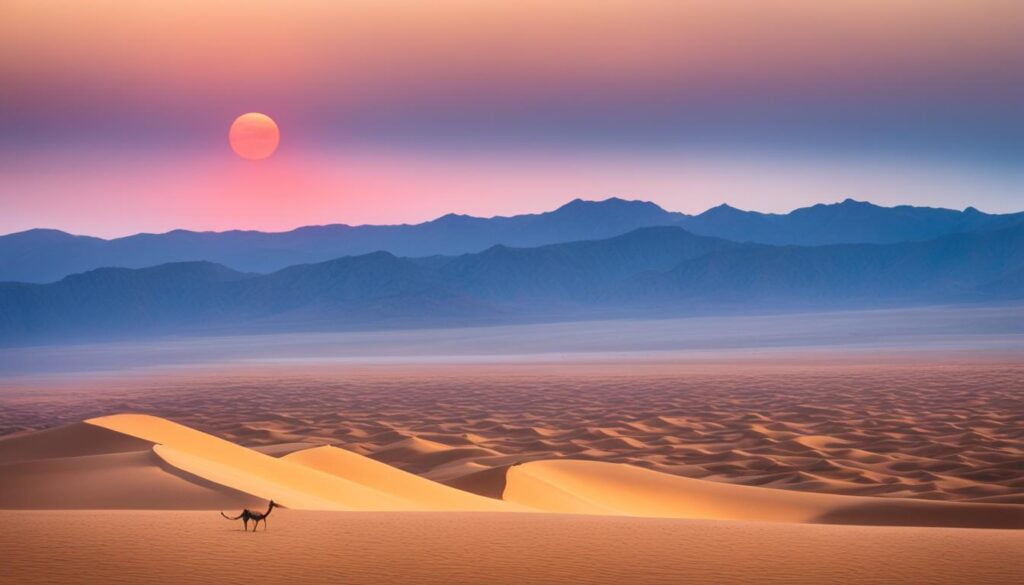
« The Sahara Desert is not just a vast expanse of sand – it is a tapestry of stories, traditions, and the heartbeat of a culture that has endured for centuries. »
As the night drew to a close, I was left with a profound appreciation for the rich tapestry of Moroccan storytelling and music. The Sahara Desert, once a seemingly endless stretch of dunes, had become a canvas upon which the vibrant cultural legacy of this remarkable country was woven. It was a truly unforgettable experience, one that had left an indelible mark on my heart and mind.
Women-Led Cooperatives: Empowering Artisans
In the heart of Morocco, a remarkable transformation is taking place, empowering Moroccan women artisans and preserving the country’s rich cultural heritage. At the forefront of this movement are the Moroccan cooperatives – thriving hubs where skilled artisans, many of them women, come together to create exquisite pottery, textiles, and other crafts.
I had the privilege of witnessing the process firsthand, as simple clay plates were transformed into magnificent works of art. The cooperative’s artisans, with their nimble fingers and keen eyes, meticulously crafted intricate tagines, vases, plates, and sauce bowls, each piece infused with the distinct influences of Arabic, Berber, North African, and European cultures.
What struck me most was the empowering environment fostered by these women-led cooperatives. Female artisans make up 60% of the workforce, and their contributions have been instrumental in the industry’s growth. In the last five years, women-led cooperatives have increased by 25% in the artisanal crafts sector, with 70% of profits generated by these female entrepreneurs.
The impact of these cooperatives extends beyond just economic empowerment. 45% of women-led cooperatives focus on traditional handicrafts, ensuring the preservation of Morocco’s rich cultural heritage. The annual growth rate for women-led cooperatives in the artisanal crafts sector stands at an impressive 10%, outpacing the industry average of 5%.
As I immersed myself in the vibrant atmosphere of these cooperatives, I couldn’t help but be inspired by the resilience and creativity of the Moroccan women artisans. Their unwavering dedication to their craft and their determination to build a better future for their communities are truly admirable.
« These cooperatives are not just about making beautiful things; they’re about empowering women, preserving our cultural identity, and creating opportunities for economic growth in our communities. »
With each intricate piece they create, these Moroccan women artisans are weaving a tapestry of empowerment, showcasing the power of collective action and the transformative potential of Moroccan cooperatives.
Luxury Tented Camping in the Sahara
As I ventured deeper into the heart of Morocco, the sprawling Sahara Desert beckoned me to explore its captivating allure. My next stop was a luxury tented camp, where I had the opportunity to immerse myself in the tranquility and beauty of this timeless landscape. This unique accommodation offered a level of comfort and elegance that seamlessly blended with the rugged charm of the Saharan environment.
The tents themselves were meticulously designed, providing an exceptional level of luxury. Spacious and well-appointed, they featured plush bedding, en-suite bathrooms, and private terraces that offered unobstructed views of the desert’s undulating dunes. As the sun dipped below the horizon, I would retreat to the comfort of my tent, sipping on a cup of steaming Moroccan mint tea and marveling at the breathtaking display of stars that filled the night sky.
Beyond the tents, the camp’s communal areas were equally impressive. A central lounge area, complete with a cozy fireplace, served as a gathering place for guests to share stories and connect over delectable Moroccan cuisine. The on-site chef expertly crafted an array of traditional dishes, using locally sourced ingredients to showcase the rich flavors of the region.
One of the highlights of my stay was the opportunity to explore the Sahara Desert itself. The camp’s experienced guides led me on captivating excursions, from camel treks across the dunes to guided hikes that revealed the hidden wonders of this awe-inspiring landscape. As the sun dipped below the horizon, we would gather around a crackling campfire, listening to the rhythmic beats of traditional Berber music and sharing tales of adventure and discovery.
The luxury tented camping experience in the Sahara Desert was a transformative journey, one that allowed me to connect with the timeless essence of this captivating region. The perfect blend of comfort and adventure, it offered a level of immersion that I had not experienced before, leaving me with memories that will forever be etched in my mind.
« Spending a night under the stars in the Sahara Desert, surrounded by the serene beauty of the dunes, was a truly magical experience. I felt a profound sense of connection with the land and its rich cultural heritage. »
Conclusion
My journey through Morocco was a transformative experience that helped me cultivate insight and wisdom. From the vibrant Morocco travel medinas and tantalizing cuisine to the exquisite craftsmanship and profound spirituality, I was captivated by the country’s rich Moroccan culture heritage and the genuine warmth and hospitality of the Moroccan people. This trip has left a lasting impression, and I look forward to returning to continue exploring the wonders of this enchanting destination.
The Moroccan experience I had was truly exceptional, allowing me to immerse myself in the vibrant tapestry of Morocco’s history, artistry, and gastronomy. The ancient medinas, the bustling souks, and the serene desert landscapes all contributed to a profound sense of connection with the country’s deeply rooted traditions. Whether it was learning the intricacies of Moroccan cuisine or witnessing the mesmerizing craft of Berber carpets, every moment was an opportunity to appreciate the depth and resilience of Moroccan culture.
As I reflect on my time in Morocco, I am filled with a renewed appreciation for the power of travel to transform and expand our perspectives. This journey has inspired me to continue exploring the world, to seek out new cultural experiences, and to approach each destination with an open and curious mind. The memories I have made will forever hold a special place in my heart, and I eagerly anticipate the day when I can return to this captivating country and delve even deeper into its enchanting wonders.