
Pet ownership goes beyond dogs and cats. Exploring exotic pets lets you dive into the animal kingdom’s diversity. These pets, from birds and reptiles to small mammals, offer a unique experience for those ready for their care.
Exotic pets are fascinating because they teach us about different species and their needs. They make our lives richer by connecting us with nature. But, getting one means doing your homework on their care and legal aspects.
Key Takeaways
- Exotic pets include a variety of species like birds, reptiles, amphibians, and some mammals.
- Having an exotic pet is rewarding but requires a lot of care and attention.
- Before getting an exotic pet, learn about its needs and think about the laws and ethics.
- It’s important to find a vet who knows how to care for exotic pets because they can get sick easily.
- Consider how an exotic pet affects the environment, as some need a lot of resources.
What are Exotic Pets
Exotic pets are animals not usually kept as pets, like cats and dogs. They include birds, reptiles, amphibians, and some mammals you might not know about. These pets let you learn about different animals and their homes. But, they need special care, food, and places to live.
Defining Exotic Pets
In the U.S., the Code of Federal Regulations says exotic animals aren’t typical pets. The exotic pet trade makes about $7 to $23 billion (USD) a year. This shows how popular these pets are becoming.
The Appeal of Unique Animal Companions
Exotic pets are special because of their unique behaviors. They let you create a mini sanctuary at home. Watching them can be mesmerizing and educational. But, remember, they need special care and have legal and ethical rules.
| Exotic Pet Characteristics | Benefits of Exotic Pets |
|---|---|
| Unique behaviors and appearances | Opportunity to learn about different species |
| Specialized care requirements | Creating a mini sanctuary in your home |
| Dietary and habitat needs | Experiencing the wonder of exotic animals |
« Exotic pets can be fascinating, but they also come with great responsibility in terms of their specialized care requirements, dietary needs, and habitat needs. »
Choosing the Perfect Exotic Pet
Choosing the right exotic pet for your home needs careful thought. It’s key to know the special needs and challenges of owning an exotic pet. Each exotic pet has its own set of needs, like lifespan, diet, and daily care.
Considerations Before Adopting
Do your homework before picking an exotic pet. Think about the pet’s lifespan, diet, and daily care needs. Make sure you have the time, resources, and commitment to give the pet a good home. Remember, exotic pets can live a long time, so it’s a big commitment.
Finding Reputable Sources for Exotic Pets
Finding a trustworthy source for your exotic pet is as important as knowing the pet’s needs. Stay away from impulse buys or shady sources to avoid health problems and support the wrong exotic pet trade. Look for experienced exotic pet breeders, rescue centers, and special pet stores that care for the animals. Also, know the laws and ethical issues about owning certain exotic pets in your area.
« Choosing the right exotic pet is a lifelong commitment, so it’s crucial to do your research and ensure you can provide the necessary care and environment the animal requires. »
Choosing the perfect exotic pet means understanding the animal’s needs, finding a good source, and accepting the long-term care of exotic pets. By thinking about these things, you can give your exotic pet a happy and fulfilling home.
Caring for Your Exotic Pet
Owning an exotic pet is special and rewarding. But, it also means you need to take special care of it. This includes the right veterinary care and a good home environment.
Veterinary Care for Exotic Pets
Exotic pets like birds, reptiles, and small mammals need different care than dogs and cats. It’s important to find a exotic pet veterinarian for their health. These vets know how to keep these pets healthy, from regular check-ups to treating illnesses.
Importance of Regular Check-ups
Just like dogs and cats, exotic pets need regular vet visits. These visits help your vet check on your pet’s health and catch problems early. If you skip these visits, your pet could get very sick, which might be hard and expensive to fix.
Finding an Exotic Pet Vet Near Me
Finding a good exotic pet veterinarian takes some work, but it’s key for your pet’s health. Look for vets who specialize in exotic animals or ask for advice from local pet clubs or breeders. Getting the right care is crucial for your pet’s long-term health.
« Proper veterinary care is the foundation for a healthy and happy exotic pet. Regular check-ups are crucial to identifying and addressing any health concerns early on. »
Creating a Suitable Habitat
Creating a good home is key for exotic pets’ health and happiness. Mimicking their natural homes is crucial for their well-being in captivity This means the right lighting, temperature, and substrate choices. It takes careful research and attention to make a perfect home for these pets.
Replicating Natural Environments
First, learn about the natural homes of exotic pets. Then, set up the right lighting, temperature, and substrates to match their natural habitats. Using special equipment like heat lamps and thermostats can make their home comfortable and interesting.
Habitat Requirements for Different Species
Exotic pets have different needs for their homes. For instance, reptiles need a certain temperature and humidity. Birds need room to fly and perch. Small mammals like ferrets and sugar gliders need tall enclosures with places to hide and play. It’s important to research the specific needs of your pet to make sure their home is right.
| Exotic Pet Species | Habitat Requirements |
|---|---|
| Reptiles (snakes, lizards, turtles) | Proper temperature and humidity control, appropriate substrate, hiding spots |
| Birds (parrots, cockatiels, finches) | Spacious enclosure, perches, climbing and nesting opportunities |
| Small Mammals (ferrets, hedgehogs, sugar gliders) | Multi-level habitat, hiding places, enrichment toys |

Creating a home like their natural habitat takes time, patience, and effort. Learning about their natural homes is key to their happiness. Useful resources, like this one, can help you make a great home for your pet.
Nutrition and Dietary Needs
Feeding your exotic pets right is key. They don’t eat like dogs and cats do. Each exotic pet has its own diet needs that owners must learn about. This is true for birds, reptiles, and more.
Exotic pet nutrition is all about balance. Birds eat seeds but also need fruits, veggies, and proteins. Reptiles eat a wide range of foods, from insects to leafy greens and fruits.
- Apples are great for birds and reptiles because they’re full of vitamin C and fiber.
- Bananas are good for them too, thanks to their potassium and easy digestion.
- Berries like blueberries, strawberries, raspberries, and blackberries are full of antioxidants and safe for many pets.
It’s not just about what you feed your exotic pets. They might need vitamins and minerals too. This helps prevent health problems like bone disease and seizures. A vet who knows about feeding exotic pets can help make a diet plan just for your pet.
| Fruit/Vegetable | Nutritional Benefits | Suitable for |
|---|---|---|
| Oranges | High in vitamin C | Birds, some reptiles |
| Mangoes | Rich in vitamins and minerals | Birds, reptiles |
| Kiwi | Excellent source of vitamin C, vitamin K, and fiber | Birds, some reptiles |
| Grapes | Hydrating and tasty | Birds, reptiles |
| Pineapple | Rich in vitamin C and bromelain | Birds, reptiles |
Knowing the dietary needs of exotic pets helps you feed them right. A balanced diet supports their health, immune system, digestion, and breeding. It’s key to avoid obesity, nutritional shortages, and metabolic problems in these animals.
Popular Exotic Pets
Exotic pets have won the hearts of many with their unique and fascinating nature. They range from birds to reptiles, offering a wide variety of species. These pets can bring extraordinary experiences into our homes.
Birds: The Avian Wonders
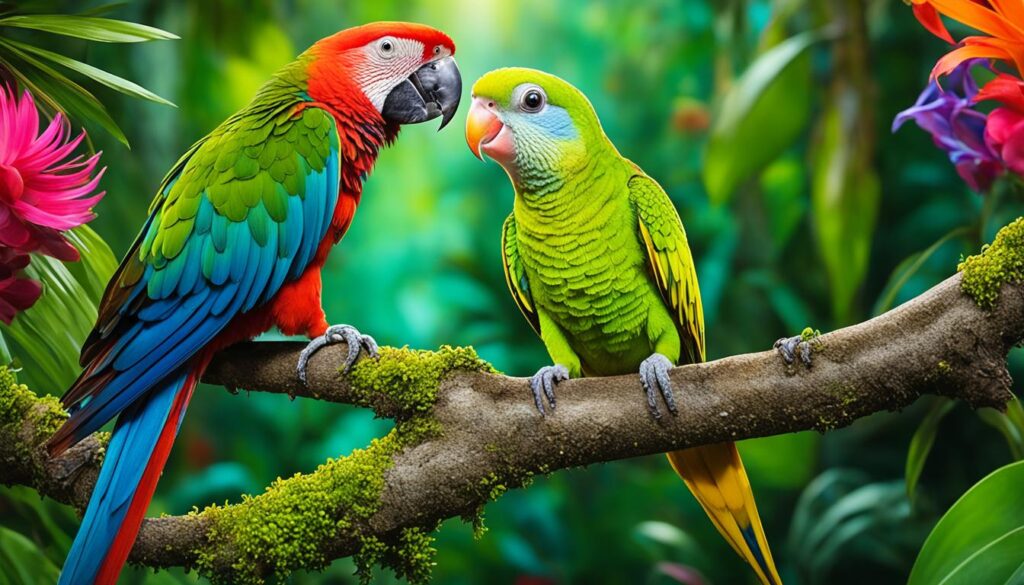
Exotic birds like parrots, canaries, and finches are known for their bright colors, charming personalities, and smartness. They need lots of space, social interaction, and mental challenges to be happy. For example, green-cheeked conures can live up to 25 years with the right care, making them a big commitment.
Reptiles: The Silent Observers
Reptiles, including turtles, snakes, and lizards, are also popular pets. They are quiet and need special environments that match their natural homes. Bearded dragons, for instance, need a warm spot of 95 to 105 degrees Fahrenheit and a cooler area around 80 to 85 degrees Fahrenheit.
| Exotic Pet | Average Lifespan | Key Habitat Requirements |
|---|---|---|
| Axolotl | Up to 15 years | Aquatic environment with dechlorinated water, temperature of 60-70°F |
| Hedgehog | 4-7 years | Dry, temperature-controlled habitat, with hides and substrates for burrowing |
| Bearded Dragon | 10-15 years | Temperature gradient of 80-85°F, with a basking spot of 95-105°F |
| Duck | Up to 10 years | Adequate space for swimming, with a dry, insulated area for nesting and resting |
Having exotic pets means understanding their special needs, homes, and food. Before getting one, it’s important to research and prepare to give them the right care.
Small Exotic Mammals
Looking to add a unique and cuddly pet to your home? Consider small exotic mammals. These pets are both unique and rewarding, offering companionship and entertainment in a small size.
Popular choices include rabbits and ferrets. These animals are great for apartment living because they don’t need a lot of space. They can easily adapt to indoor life.
Rabbits come in many breeds, with about 50 available for adoption. Ferrets need a bigger cage but are playful and curious. Mice are low-maintenance, needing a small cage and able to groom themselves.
Other great options include rats, hamsters, and guinea pigs. Rats are smart and social, needing about 2 cubic feet of space each. Hamsters are quiet, clean, and need around 2 cubic feet of space. Guinea pigs need a bigger space, at least 7-8 feet long.
Before getting a small exotic mammal, research their care and habitat needs. This ensures you can give your pet the best life.
« Exotic pets like small mammals can be incredibly rewarding, but they also come with unique challenges. Doing your research and understanding the specific needs of the species you’re interested in is crucial to providing a healthy, happy home. »
With the right preparation and care, small exotic mammals can be great pets. They bring a touch of the wild into your home and add joy to your family.
Exotic Pets for Beginners
If you’re new to exotic pets, start with ones that are easy to care for. Rabbits, ferrets, and guinea pigs are great choices. They are less complex to care for than some other exotic pets.
For reptile or amphibian lovers, ball pythons, leopard geckos, and corn snakes are good for beginners. These animals are calm and have simple living conditions. Bearded dragons and axolotls are also good for new exotic pet owners.
| Exotic Pet | Difficulty Level | Key Features |
|---|---|---|
| Ball Python | Easy | Docile, not overly large, simple housing needs |
| Leopard Gecko | Easy | Friendly, distinctive spotted pattern, straightforward care |
| Corn Snake | Moderate | Beautiful, docile, not prone to large size, but can be escape artists |
| Bearded Dragon | Easy | Friendly, adaptable to interaction, relatively simple habitat requirements |
| Axolotl | Easy | Low maintenance, cute, interesting to care for |
When picking beginner exotic pets, make sure you have the right legal papers. Also, make sure the pets you get are not wild. Taking care of exotic pets means putting their health and happiness first.
« Exotic pets can be a rewarding experience, but it’s essential to do your research and start with species that align with your experience and lifestyle. » – Expert in Exotic Pet Care
In Ohio, you can own birds, ferrets, rabbits, some reptiles like geckos, guinea pigs, hedgehogs, tarantulas, and chinchillas. But, big cats, alligators, and bears are not allowed. Some snakes need special permits.
Starting with low-maintenance exotic pets and focusing on their well-being is key. Doing your homework on any exotic pet is important for a happy and healthy pet.
The Responsibility of Exotic Pet Ownership
Owning an exotic pet means you have special responsibilities. You need to think about legal and ethical issues and make sure the pet is healthy and happy. It’s more than just having a unique animal by your side.
Legal and Ethical Considerations
Exotic pets have many legal rules to follow, which change from state to state. Some pets are okay to own, while others need special permits. It’s important for owners to know and follow these laws to keep their pets legal and safe.
Thinking about what’s right is also key. Many exotic animals are endangered or have big conservation problems. Owning them responsibly means knowing how they affect the wild and making sure they don’t harm their natural populations.
Health and Wellness of Exotic Pets
Exotic pets need special care and food, which can be hard to manage. Finding vets who know about exotic animals is crucial. These vets can help keep your pet healthy and happy. Regular vet visits and watching for health problems are important for exotic pets.
A study found that 4% of US homes have an exotic pet, with reptiles being the top choice. In the last ten years, more people have started owning exotic pets, including birds and small mammals. But, 58% of these owners said they had to look far to find a vet who knows about exotic animals. This shows how important it is to have specialized care for these pets.
| Consideration | Statistic |
|---|---|
| Households owning exotic pets | 4% of US households |
| Increase in exotic pet ownership | 25% in the past decade |
| Owners needing to travel for exotic vet care | 58% of exotic pet owners |
Being a responsible exotic pet owner means you’re deeply committed to these animals. You need to understand and meet their special needs. By dealing with legal and ethical issues and focusing on your pet’s health, you can make sure they’re happy and well. This makes for a rewarding bond with your exotic pet.
Exotic Pets and Their Environmental Impact
Exotic pets are becoming more popular, and we need to think about how they affect the environment. The environmental impact of exotic pets is complex and important for everyone to consider.
One big worry is the ecological footprint of exotic pets. These animals need special homes, food, and care. This can harm the environment a lot. For example, it takes a lot of energy and water to keep them safe, and some pets can even harm local ecosystems.
« The capture of wild animals for sale as pets often results in extreme stress and poor care leading to disease and death. »
Buying exotic pets can also hurt endangered species. Poaching and illegal trade can destroy their homes. So, it’s key to get exotic pets in a responsible way to help their species and protect their homes.
To lessen the harm of exotic pets, we need to do many things. This means making laws, teaching people, and supporting conservation. By working together, we can make owning exotic pets better for the planet.
As we want more unique pets, we must understand their effects on the environment. By being responsible owners and making smart choices, we can enjoy our pets without hurting the planet. Together, we can make sure exotic pets are good for both us and the earth.
Tips for Caring for Exotic Pets
Caring for exotic pets is different from looking after common pets. Owners need to know how to handle and socialize them. They must also keep their pets clean.
Handling and Socialization
Exotic pets need special handling to stay happy and healthy. Proper handling techniques help reduce stress and improve behavior. It’s also key to socialize them well, so they feel safe with their owners.
Maintaining Proper Hygiene
Keeping exotic pets clean is very important. Some, like reptiles and amphibians, can make humans sick. So, it’s vital to clean their homes, food bowls, and toys often.
Following best practices in exotic pet care makes sure pets live well. By handling, socializing, and keeping them clean right, owners help their pets stay healthy and happy.
| Exotic Pet | Handling Considerations | Hygiene Requirements |
|---|---|---|
| Bearded Dragon | Slow, gentle movements; support the entire body | Weekly habitat cleaning; disinfect surfaces |
| Amazon Parrot | Approach calmly; avoid sudden movements | Daily cage cleaning; wash hands before/after handling |
| Ferret | Wear gloves to avoid bites; support the body securely | Litter box cleaning daily; disinfect toys and bedding |
Exotic Pets: Unique Animal Companions
Owning an exotic pet can change your life, giving you a closer look at nature and its creatures. These pets can make your home feel like a mini sanctuary. They come with their own special habitats and traits. Whether it’s a snake’s movements, a sugar glider’s playfulness, or a parrot’s songs, they can be rewarding pets.
Exotic pets include reptiles like snakes and lizards, and small mammals such as sugar gliders and hedgehogs. Taking care of them means learning about their needs and behaviors. This makes owning an exotic pet a continuous learning journey.
There are laws and ethical considerations when owning exotic pets. Each place has its own rules about which pets you can have. Keeping your pet healthy means regular vet visits, the right food, and a clean home. This ensures your pet is happy and well for a long time.
Exotic pets can be a good choice for people with allergies. Small mammals like hamsters, gerbils, and chinchillas are great for city living. They don’t need big spaces or regular walks, making them perfect for busy people who want a pet.
The unique traits of exotic pets teach their owners a lot. They help us understand and appreciate the animal kingdom more. With the right care and commitment, exotic pets can become loving members of the family.
Conclusion
Exotic pets bring a unique and transformative experience for those ready to care for them. They can be fascinating additions to a home. But, they also require special care, food, and living spaces.
For a good relationship with an exotic pet, you need to learn a lot and respect their needs. You must also commit to giving them the right care and attention. By doing this, you help the pet stay healthy and happy. You also learn more about the natural world.
Choosing to have an exotic pet is a big decision. But for those ready to invest time and effort, the benefits are huge. Exotic pets show us the beauty and diversity of nature. They need our care and respect.