
As we age, our hair changes naturally. Hair follicles shrink, and sebum production drops. Hormonal shifts can make hair fall out more and grow slower. This leads to thinner, drier hair that lacks life.
But can we fight the signs of aging hair? Yes, with the right haircare approach. It’s all about meeting the special needs of older hair.
Key Takeaways
- Hair follicles get smaller and sebum production declines with age, contributing to thinning and dryness.
- Hormonal changes can cause increased shedding and slower hair regrowth, exacerbating the aging process.
- Protein and iron are essential nutrients for maintaining healthy, strong hair as we get older.
- Scalp massage and the right haircare products can help boost volume and texture in aging hair.
- Professional treatments and solutions can address specific concerns like thinning and gray hair transition.
What if we could get back our youthful, healthy hair? In this guide, we’ll explore how to revitalize aging hair. We’ll talk about handling hormonal changes, picking the best products, and using effective techniques. Get ready to regain the confidence that comes with youthful-looking hair.
Understanding the Natural Aging Process of Hair
As we age, our hair changes a lot. It looks and feels different. Knowing these changes helps us deal with gray, thinning, and dry hair.
Hormonal Changes and Hair Health
Hormones change a lot, especially during menopause. This can dry out our scalp and make hair brittle and dull. It also makes hair more sensitive to DHT, leading to thinning and loss.
Impact of Age on Hair Texture and Density
With age, hair gets wiry and dull, especially if it’s gray. It also gets less dense because fewer follicles work. This means less hair overall.
Common Signs of Aging Hair
Signs of aging hair include more shedding and slower growth. Hair also gets frizzier, drier, and less voluminous. Gray or white hair is another sign, showing less color.
« As we age, our hair goes through a natural transformation process. Understanding and addressing these changes can help us maintain healthy, vibrant hair for years to come. »
| Hair Characteristic | Changes with Age |
|---|---|
| Texture | Hair becomes more wiry and dull, especially in gray hair. |
| Density | Hair density may decrease as fewer active hair follicles produce individual strands. |
| Pigmentation | Loss of pigmentation leads to the development of gray or white hair. |
| Shedding | Increased hair shedding is a common sign of aging hair. |
| Growth Rate | Hair growth slows down with age, leading to longer periods between trims. |
Understanding hair’s aging process is key. By knowing what happens, we can take better care of it. This keeps our hair healthy and vibrant for longer.
Haircare Tips for Aging Hair: Expert Recommendations
As our hair ages, it faces unique challenges. Experts share valuable tips to help manage these changes. They aim to keep your hair healthy and vibrant.
Experts suggest cutting hair shorter to handle thinning better. But, longer layers can add volume and movement. They recommend using moisturizing products instead of drying mousses and gels.
Using a soft boar bristle brush for gentle brushing is key. It boosts blood flow to the scalp, aiding hair growth. Also, try to use less heat styling to prevent damage.
If you see thinning, Toppik can help hide it. These protective hairstyles and low-maintenance options boost confidence and look youthful.
By following these gentle hair cleansing tips, you can celebrate your aging hair’s natural beauty. Keep your hair vibrant and healthy.
Essential Nutrients and Supplements for Healthy Aging Hair
As we get older, our hair changes naturally. It grows slower, becomes thinner, and more fragile. Eating well and taking supplements can help keep your hair healthy and shiny.
Importance of Protein and Iron
Protein and iron are key for strong hair. Eat lean meats, eggs, and leafy greens to feed your hair follicles. Blood tests can spot any nutrient gaps, helping you adjust your diet or supplements.
Vitamin Supplements for Hair Growth
Supplements like Nutrafol have zinc, antioxidants, and vitamins for hair growth. Biotin, vitamin C, and omega-3s strengthen and protect your hair, fighting aging signs.
Dietary Considerations for Hair Health
Eating a balanced diet is vital for healthy hair. Add spinach, berries, avocados, and fatty fish to your meals. Collagen supplements can also help, as our body makes less of it with age.
| Nutrient | Benefits for Hair Health | Food Sources |
|---|---|---|
| Protein | Builds and repairs hair follicles | Lean meats, eggs, legumes |
| Iron | Supports healthy hair growth | Spinach, lentils, red meat |
| Biotin | Promotes hair growth and strength | Eggs, nuts, avocados |
| Omega-3 Fatty Acids | Nourish and protect hair strands | Salmon, walnuts, chia seeds |
| Vitamin C | Boosts collagen production for stronger hair | Berries, bell peppers, citrus fruits |
By eating right and using supplements, you can keep your aging hair healthy. This helps fight the signs of aging hair.
Proper Scalp Care and Maintenance Techniques
As we get older, taking care of our scalp becomes more important. It helps keep our hair healthy and vibrant. We need to clean, exfoliate, and moisturize our scalp regularly.
Start by gently rubbing your scalp with your fingers or a soft brush. This helps clear out any blockages and boosts blood flow. It also encourages hair to grow. Use a shampoo without sulfates to keep the scalp’s natural oils.
Adding a light, oil-free scalp serum to your routine can be beneficial. It helps keep the scalp healthy and controls frizzy hair. These treatments nourish the scalp, which is key for beautiful, youthful hair.
Don’t wash your hair too much, as it can upset the scalp’s natural balance. Clean your scalp once a week. This lets the natural oils do their job of hydrating and protecting.
By focusing on scalp care, you can prevent scalp problems, encourage hair growth, and look great as you age.
« Healthy hair starts with a healthy scalp. Invest in your scalp, and your hair will thrive. »
| Scalp Care Tip | Benefit |
|---|---|
| Weekly Scalp Cleansing | Maintains a balanced scalp microbiome and removes buildup |
| Gentle Scalp Massage | Improves blood circulation and stimulates hair growth |
| Sulfate-free Shampoos | Preserves natural oils and prevents dryness or frizzy hair |
| Lightweight Scalp Serums | Rejuvenates the scalp skin barrier and addresses concerns |
Choosing the Right Hair Products for Mature Hair
As your hair ages, it changes a lot. It gets different textures, densities, and health levels. It’s key to pick the right hair care products to keep it looking young and vibrant. We’ll look at the best products for mature hair, from moisturizers to anti-aging solutions.
Best Shampoos and Conditioners
Choose shampoos with zinc pyrithione for a hydrated scalp. For conditioners, go for rich, nourishing ones with macadamia nut oil. These help deeply condition and repair your hair, making it soft and silky.
Leave-in Treatments and Serums
Use lightweight, hydrating leave-in treatments and serums to boost your hair’s health. They smooth the cuticle, protect from damage, and add moisture. This is great for fine or thinning hair without weighing it down.
Anti-aging Hair Care Products
Find hair products made for aging hair, like Better Not Younger’s Lift Me Up spray or R+Co’s Bleu Magnifier Thickening Spray. They help with thinning, dullness, and volume loss. This brings back your hair’s youthful look.
Choosing the right products for dry and aging hair can fight off aging signs. This way, you can keep your hair healthy and vibrant for years to come.
« Investing in the right hair care products can make a significant difference in the appearance and overall health of mature hair. »
Managing Gray Hair and Color Transitions
As hair ages, it often becomes wiry and dull, reflecting less light. But, there are ways to make gray hair shine again. Using semi-permanent or permanent color can make hair look better and add volume. A few highlights around the temples can also make hair look fuller and shinier.
For a natural look, you can choose to let your hair go gray. This avoids harsh chemicals that can damage hair. It might take time to get used to, but it’s good for your hair and scalp.
- Use a violet-hued shampoo to neutralize yellow tones in gray hair
- Incorporate clarifying shampoos to prevent buildup from styling tools
- Invest in quality hair care products specifically formulated for gray or silver hair
- Opt for heat-protective products and limit styling tool temperatures to below 350°F
- Maintain a weekly deep conditioning routine to nourish aging hair
| Product Category | Recommended Options |
|---|---|
| Shampoo | Aveda Blue Malva |
| Conditioner | Davines Alchemic Conditioner |
| Hair Mask | Kerastase Discipline Masque |
| Hair Gloss | Madison Reed Crema Gloss |
| Heat Protectant | Bumble & Bumble Heat Protectant |
By using the right gray hair solutions and brittle hair remedies, you can confidently show off your silver hair. You can also keep your aging hair healthy and vibrant.
Effective Styling Techniques for Volume and Lift
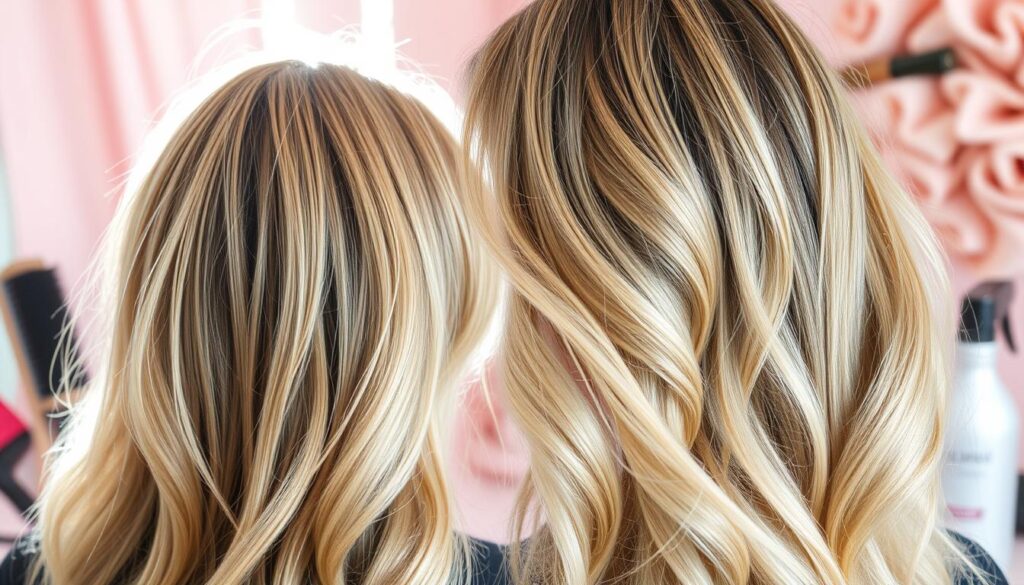
As hair ages, it can lose volume and lift. But, the right styling and products can revive it. Here are some tips to add volume and lift to your mature hair.
Heat Styling Guidelines
Be careful with heat styling. Too much heat can damage and dry out your hair. Use low heat and a heat protectant spray before styling with hot tools.
Gently towel-dry your hair before blow-drying. Avoid heavy hairsprays that can dry out your hair.
Volumizing Methods and Products
- Choose lightweight, volumizing shampoos and conditioners.
- Use a thickening spray or mousse at the roots for instant volume.
- Blow-dry your hair upside down or against your natural part for lift at the crown.
- Try a root-lifting product or spray for extra volume at the scalp.
Protective Styling Approaches
Balance heat styling with gentler methods. Use hot tools only when needed. Try heatless styling like rollers or braids overnight.
Dry shampoo can add texture and lift between washes. By using these techniques and products, you can get the volume and lift you want, even as you age.
Preventing and Treating Hair Thinning
As we get older, hair thinning is common. The American Academy of Dermatology says losing 50-100 hairs a day is normal. But, if you notice more hair falling out or your hair looks thinner, it’s time to act.
First, find out why your hair is thinning. It could be because of your genes, health issues, or not getting enough nutrients. Using too much hair product and tight hairstyles can also cause it.
To fight thinning hair, try these steps:
- Use anti-thinning shampoos with vitamins and amino acids for a healthier scalp and more volume.
- Take multivitamin supplements with iron, folic acid, and zinc to fix any nutritional gaps.
- Look into lavender oil, which might help hair grow, based on animal studies.
If your hair thinning is serious, see a dermatologist. They might suggest prescription treatments like minoxidil (Rogaine) or finasteride. These can help with hair loss and growth. But, know the side effects.
Managing thinning hair means fixing the root cause, keeping your scalp healthy, and being proactive with hair care. With the right steps, you can stop more hair loss and keep your hair looking full and lively as you age.
Professional Treatments and Solutions
As we age, our hair can get thinner, drier, and more brittle. Hormonal changes and less nutrient absorption play a big role. Talking to a dermatologist or trichologist can really help. They offer custom treatment plans and top-notch solutions to make your hair look younger.
PRP (Platelet-Rich Plasma) therapy is a new way to grow hair. It uses your own blood to boost hair growth and scalp health. Low-level laser therapy also works by improving blood flow and helping hair grow naturally. Professional color treatments can make your hair look better and hide gray hair.
Adding a luxury hair care routine with pro-aging ingredients can also help. The Grandioso collection, with over 92% natural ingredients, makes hair look fuller and healthier. Treatments like Prodigio and hair oils help keep your hair moisturized and prevent damage.
« A balanced diet rich in protein, iron, omega-3 fatty acids, vitamin E, and zinc is crucial to promoting hair health in older adults. »
By accepting the natural changes in aging hair and using professional treatments and quality products, you can keep your hair looking great for years to come.
Conclusion
Aging hair needs a careful approach to stay healthy. Understanding how hair ages and adding key nutrients is key. Also, taking good care of the scalp is important.
Choosing the right anti-aging hair products and styling wisely helps. This tackles the issues that come with older hair.
It’s vital to accept hair changes as we age. Regular care and expert advice help keep hair looking great. A balanced hair and scalp routine empowers us to enjoy our hair at any age.
Looking for thicker, shinier hair? Or just want to keep your hair looking good? Tips from experts and products like MDhair’s Restore Conditioner and Supplements can help a lot. With the right care, you can feel confident and look youthful.