
« The greatest adventure is what lies ahead. » – J.R.R. Tolkien
Start an exciting journey to Morocco, where old traditions and new marvels meet. This guide will show you the secrets of this magical country. You’ll learn about its varied landscapes, rich culture, and top places to visit.
From Marrakech’s busy markets to the peaceful Sahara Desert, Morocco has many experiences. It’s perfect for those who love adventure, food, or connecting with local life. This guide will be your key to understanding Morocco’s true spirit.
Key Takeaways
- Discover the vibrant culture and diverse geography of Morocco, spanning from the imperial cities to the sweeping Sahara Desert.
- Explore the must-see destinations, including Marrakech, Fez, the Atlas Mountains, and the coastal gems of Tangier and Essaouira.
- Immerse yourself in the flavors of Moroccan cuisine, a gastronomic adventure that blends Berber, Arab, Mediterranean, and African influences.
- Navigate the art of negotiation in the bustling souks and learn about Moroccan cultural etiquette to enhance your travel experience.
- Plan your dream Moroccan vacation with insights on the best time to visit, transportation options, and unique accommodation choices like traditional riads.
Introduction to Morocco
Morocco is a North African country that captures the heart with its diverse geography, lively culture, and deep history. It sits at the northwest edge of Africa, covering 446,550 square kilometers. This makes it a land of variety. With over 37 million people, Morocco is a place where Berber, Arab, and European cultures blend beautifully.
Morocco’s Geographical Overview
The Atlas Mountains and the Sahara Desert show off Morocco’s varied landscapes. The High Atlas, Middle Atlas, and Anti-Atlas mountains are in the center, perfect for hiking. The Atlantic coast offers beautiful beaches and fishing villages to the west. The Sahara Desert in the east calls to those who love adventure.
Morocco’s Rich Culture and History
Morocco’s culture is shaped by its key location, drawing trade and cultural exchange for centuries. Its history includes the ancient Berber kingdoms and the current monarchy. Visitors can dive into Moroccan culture by exploring medinas, experiencing Berber hospitality, and trying Moroccan food.
« Morocco is not a country, it’s a door to another world. » – Orson Welles
Whether you’re into the stunning landscapes, the lively culture, or the old traditions, Morocco is unforgettable. It’s a North African gem waiting to be explored.
Top Destinations in Morocco
Morocco is a captivating country in North Africa. It has many destinations, each with its own culture. From Marrakech’s vibrant heart to Fez’s ancient beauty, these cities invite visitors to explore Morocco’s rich heritage and nature.
Marrakech: The Vibrant Heart of Morocco
Marrakech is Morocco’s fourth-largest city and a key economic center. It’s known for its rich culture. The city’s medina is full of narrow alleys with shops, eateries, and the famous Jemaa el-Fnaa square. This square is full of snake charmers, street performers, and food vendors.
Visitors can see landmarks like the Koutoubia Mosque and the Bahia Palace. They can also enjoy the Marrakech souks, where they can buy unique souvenirs after haggling with vendors.
Fez: The Ancient Imperial City
Fez is different from Marrakech, with its medieval architecture and deep culture. Founded in the 8th century, it has the largest intact medina in the world. This UNESCO site shows the city’s Moorish architecture and busy markets.
Visitors can see the Chouara Tannery, a leather producer since the 11th century. They can also admire the Bou Inania Madrasa’s beautiful tilework and fountains.
Marrakech and Fez show the diversity of Morocco. Marrakech is lively, while Fez is serene. Both cities offer a peek into Morocco’s history and culture, making them top spots for travelers.
« Morocco is larger than France and boasts high mountains, verdant valleys, extensive sandy coastline, far-flung villages, and bustling modern cities. »
| Destination | Key Highlights |
|---|---|
| Marrakech | Bustling medina, Jemaa el-Fnaa square, Koutoubia Mosque, Bahia Palace, vibrant souks |
| Fez | Largest intact medina, Chouara Tannery, Bou Inania Madrasa, well-preserved medieval architecture |
Morocco’s Coastal Gems
Beyond the bustling cities and rugged mountains, Morocco has many enchanting coastal destinations. Places like the historic port city of Tangier and the charming seaside town of Essaouira show off the country’s beauty, history, and culture. You can enjoy walks on the promenades, explore the medinas, and feel the relaxed vibe of these Moroccan coastal towns.
Essaouira is a top coastal gem in Morocco, right on the Mediterranean coast. It’s known for its 18th-century fortifications, beautiful alleys, and lively markets. You can check out the Medina, try fresh seafood, and hit the beaches for surfing and kite-surfing.
Tangier is another coastal spot you should see. It’s a historic port city that links Africa and Europe. With its white buildings, cozy cafes, and amazing promenade, Tangier mixes Moroccan and European vibes. You can explore the medina, see the Kasbah, and enjoy the stunning Moroccan Mediterranean coast views.
If you want a chill beach trip or to dive into Morocco’s coastal towns, these Moroccan coastal gems are perfect. They offer everything from lively markets to peaceful beaches. These seaside spots show off the diverse beauty of Morocco.
« The sea, once it casts its spell, holds one in its net of wonder forever. » – Jacques Cousteau
Exploring the Atlas Mountains
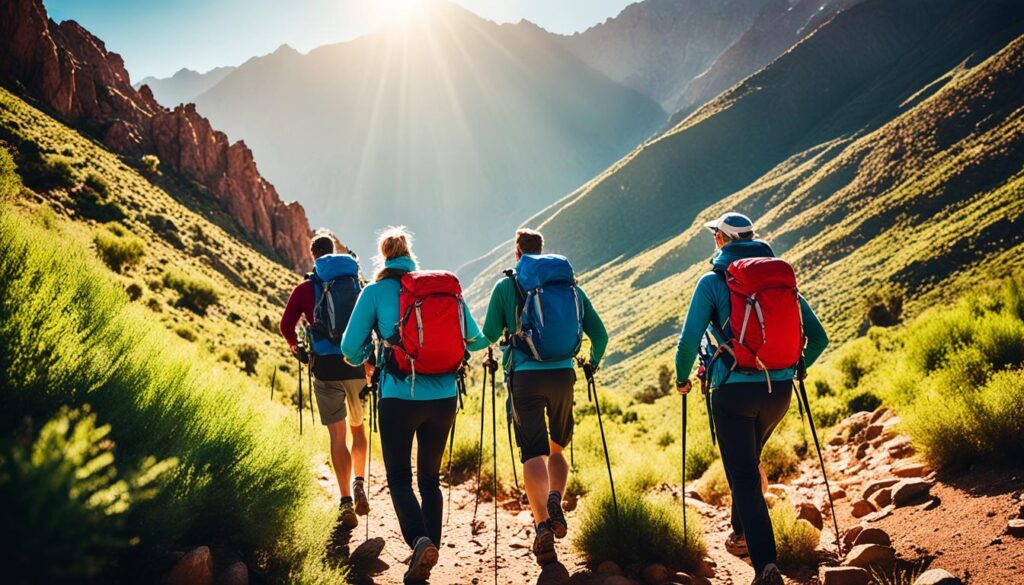
The Atlas Mountains stand tall over Morocco, offering amazing trekking and hiking for those who love adventure. This huge mountain range stretches over 2,500 kilometers across North Africa. It’s a perfect place for outdoor lovers to dive into Morocco’s natural beauty.
Trekking and Hiking Opportunities
The Atlas Mountains have many trails that go through green valleys, by waterfalls, and up to snowy peaks. The High Atlas range is a top spot, with Djebel Toubkal, the highest peak in North Africa at 4,167 meters. Climbing to the top usually takes three days, starting in the lovely village of Imlil.
If you prefer a shorter trip, the Atlas Mountains have day hikes and treks that show off the area’s stunning views. The Ouzoud Falls, with their 110-meter drop, and the Todra Gorge, a deep red rock canyon, are must-sees.
Berber Villages and Traditions
In the Atlas Mountains, you’ll find traditional Berber villages. Here, you can dive into the rich culture of this local group. The Aït Bouguemez valley is known as Morocco’s most beautiful valley. It’s home to a lively Berber community that keeps its old traditions alive. Visitors can check out the colorful markets, learn about crafts, and see how the Berbers live close to the earth.
There’s more to do in the Atlas Mountains than just hiking. You can go hot air ballooning, mountain biking, painting, or even yoga. Whether you want adventure, cultural experiences, or a peaceful break, the Atlas Mountains offer an unforgettable trip into Morocco’s heart.
| Key Statistics | Figures |
|---|---|
| Total Length of the Atlas Mountains | 2,500 kilometers (1,600 miles) |
| Highest Peak in the Atlas Mountains | Djebel Toubkal at 4,167 meters |
| Height of the Ouzoud Falls | 110 meters |
| Width of the Todra Gorge at its Narrowest Point | 10 meters |
| Time for a Typical Summit of Mount Toubkal | 3 days |
« The Atlas Mountains offer a stunning backdrop to Morocco’s diverse landscape, providing unparalleled trekking and hiking opportunities for adventurous travelers. »
The Sahara Desert Experience
Exploring the Sahara Desert is a must for travelers in Morocco. It offers thrilling camel treks and stunning sunrises and sunsets. Spending a night in a desert camp under the stars is unforgettable.
Camel Trekking and Desert Camping
Camel trekking is a top activity in the Sahara. Riders take an exciting journey on these iconic animals across the sand dunes. The ride to the desert camp takes about 1.5 hours, giving time to enjoy the stunning views.
At the desert camp, guests see the beautiful play of light and shadow as the sun sets. Many prefer to sleep under the stars, listening to desert sounds and the campfire. Traditional Berber music adds to the cultural experience in the evening.
The next morning, early risers see the sunrise, even if the Sahara’s fog hides it. Exploring the dunes in the dawn light is a memorable experience. Some guests spend more time in the desert, enjoying its vastness.
A Sahara Desert tour is often the best part of a Morocco trip. Most tour members look forward to the desert trek. Tours last about 3 days, letting travelers fully experience the desert’s magic.
The Sahara Desert offers an unforgettable experience, whether you want an exciting camel ride or a peaceful night under the stars. The author of the trip said, « The Sahara Desert tour is part of a two-week Morocco trip, lasting about 24 hours. »
Moroccan Cuisine: A Gastronomic Adventure
Moroccan cuisine is a true culinary delight. It blends North African, Mediterranean, and Middle Eastern flavors. Every bite tells a story with spices and traditions. Travelers can enjoy this adventure, tasting the rich flavors and textures of moroccan food.
Exploring Moroccan cuisine is best through food tours and cooking workshops. Morocco Food Adventures offers immersive experiences into Moroccan culinary culture. Their tours cost between 45 € and 65 € per person and last 3 to 4 hours. You’ll learn about the vibrant flavors and traditional cooking techniques of moroccan dishes.
The agency focuses on authenticity and sustainability. They work with local experts and support young Moroccan entrepreneurs. Guests enjoy their food tours and cooking classes, exploring cities, tasting dishes, and learning about culture.
« The food tour was the highlight of our trip to Morocco. We got to experience the true flavors of the country and learn about the rich culinary traditions. The guides were knowledgeable and passionate, and we came away with a deeper appreciation for Moroccan cuisine. » – Jane D., New York
At the heart of Moroccan cuisine is a unique blend of spices, including ras el hanout. This spice mix features over a dozen ingredients. Olive oil, preserved lemons, and olives add depth and richness to dishes. Moroccan cuisine offers a diverse array of flavors, celebrating the country’s rich culinary heritage.
If you love food or want a memorable experience, Moroccan cuisine is a must-try. From Marrakech’s markets to Essaouira’s seafood, and Tangier’s culinary mosaic, moroccan cuisine promises a journey of flavors that will leave a lasting impression.
morocco travel guide
Are you ready for a Moroccan adventure? This guide is your key to planning an unforgettable trip. It covers everything from the country’s diverse regions and top spots to cultural do’s and don’ts and travel tips. Get ready for a trip that’s both smooth and full of new experiences in Morocco.
Destination Highlights
Morocco is a mix of ancient history, lively culture, and beautiful nature. Wander through Marrakech’s busy markets, lose yourself in Fez’s old streets, and see the beautiful coasts. You can also explore the Atlas Mountains and learn about Berber traditions, or go on a journey through the Sahara Desert.
Travel Planning Essentials
- Visa Requirements: If you’re from the US, Canada, the UK, EU countries, Australia, New Zealand, or many others, you don’t need a visa for trips under 90 days.
- Getting to Morocco: Fly into Casablanca Airport (CMN) or Marrakech Menara Airport (RAK) with airlines like Delta, American Airlines, Emirates, British Airways, Air Canada, and United Airlines. Or take a ferry from Spain to Morocco, with the quickest routes from Algeciras and Tarifa to Tangier taking 60-90 minutes.
- Getting Around: Morocco has a good rail network that connects major cities affordably. Domestic flights with Royal Air Maroc and Air Arabia Maroc are also handy for city-to-city travel.
- Climate and Seasons: Morocco has a Mediterranean climate, with summer highs around 73°F (23°C) and winter lows around 55°F (13°C) in cities like Casablanca.
- Currency and Language: The Moroccan Dirham (MAD) is the local currency. While French is widely spoken, English is mainly used in the tourism industry.
- Cultural Etiquette: Dress modestly, especially when visiting mosques. This means covering your shoulders, chest, and knees.
Planning Your Moroccan Getaway
Looking to dive into the vibrant cities, trek the Atlas Mountains, or explore the Sahara Desert? This guide has everything you need. It’s packed with practical info and tips to help you plan the perfect Moroccan trip. Whether you’re into history, nature, or culture, this guide has you covered.
« The best way to find yourself is to lose yourself in the service of others. » – Mahatma Gandhi
Planning Your Trip to Morocco
Planning a trip to Morocco means thinking ahead. We’ll cover the key points you need to know. From picking the best time to visit to getting around the country, we’ve got you covered.
Best Time to Visit Morocco
The best months to visit Morocco are spring and early autumn. The weather is just right for exploring the country’s beauty. Spring (mid-March to June) and early autumn (September through October) are great for their weather, fewer crowds, and good deals.
Summer is beach time in Morocco, but it’s hot inland and in the desert. It’s perfect for the coast but expect higher prices and more tourists. Winter is cooler in cities but rainy and cold along the coasts and in the mountains. It’s ideal for city visits and desert adventures.
Getting to Morocco
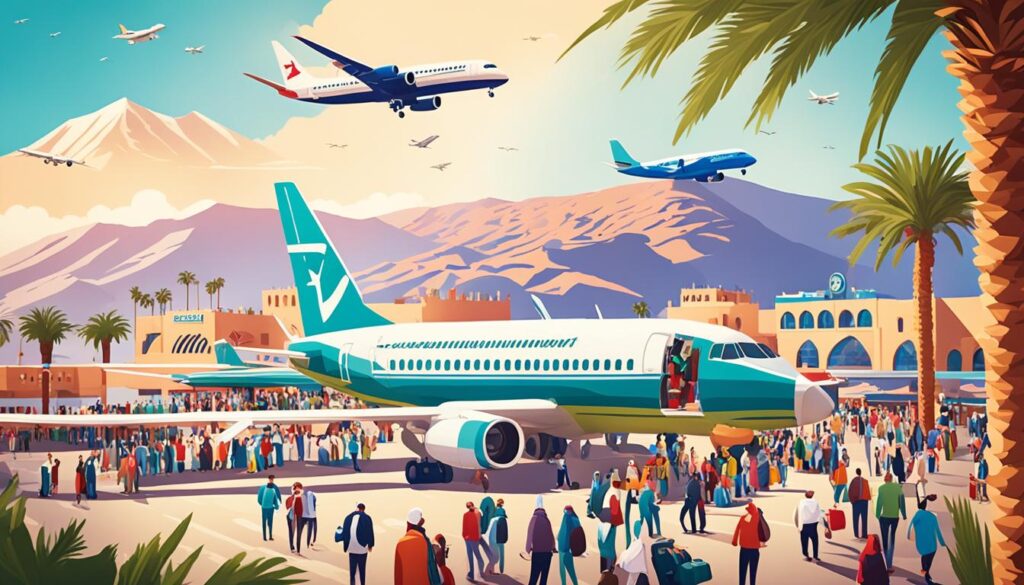
You can fly into Morocco at airports in Casablanca or Marrakech from many countries. Major airports include Mohammed V International Airport, Rabat-Salé Airport, Agadir–Al Massira Airport, Marrakech Menara Airport, Saïss Airport, and Ibn Battuta Airport.
You can also take a ferry from Spain to Tangier. Getting from airports to the city centers has options like taxis, shuttles, and trains. Prices range from 70 to 100 MAD in Marrakesh to 300 dirhams in Casablanca.
If you’re from the US, Canada, the UK, EU, Australia, New Zealand, or other countries, you don’t need a visa for less than 90 days. Airlines like Delta, American Airlines, Emirates, British Airways, and Air Canada fly to Morocco. United Airlines goes to Casablanca but not Marrakech.
For moving around Morocco, use the rail network for short distances. For longer trips, take domestic flights with Royal Air Maroc and Air Arabia Maroc.
Accommodation in Morocco
Travelers have many choices when it comes to where to stay in Morocco. You can pick from iconic Moroccan riads or modern boutique hotels. Morocco has something for every taste and budget. Whether you want to dive into the culture or enjoy a modern twist on hospitality, you’ll find it here.
Riads and Boutique Hotels
Riads are a big part of Moroccan travel. They are traditional guesthouses with beautiful architecture and serene courtyards. They offer a true look into Moroccan life with personalized service. Boutique hotels, on the other hand, mix local design with modern comforts and luxury.
In 2017, Morocco had about 251,2016 beds in various accommodations. The Mamounia hotel was named the best in the world and Africa by Conde Nast Traveler in 2018. Le Royal Mansour was also top-rated in Africa by the same magazine in 2019.
| Accommodation Type | Average Price Range | Key Features |
|---|---|---|
| Moroccan Riads | 260-380 MAD per night for a double room | Intricate architecture, serene courtyards, personalized service |
| Boutique Hotels | 270-410 MAD per night for a double room | Contemporary design, modern amenities, local Moroccan influences |
| Hostels (Dorm Rooms) | 80-110 MAD per night in big cities, 50-60 MAD per night in smaller places | Budget-friendly accommodation, shared facilities |
| Campsites | 20 MAD per person per night for basic facilities | Opportunities for outdoor adventures, from luxurious desert camps to sports campsites on beaches |
When planning your stay in Morocco, think about location, amenities, and your budget. You can choose from traditional riads, modern boutique hotels, or budget-friendly hostels. Morocco has a wide range of options to fit your Moroccan adventure.
Morocco’s Vibrant Cities
Morocco is more than just famous spots. It has vibrant cities that show off its diverse culture. From the modern Casablanca to the blue town of Chefchaouen, these cities have a unique charm and deep culture.
Casablanca: The Modern Metropolis
Casablanca, Morocco’s biggest city, mixes old and new. It’s known for its stunning buildings. The Hassan II Mosque, one of the biggest mosques, is a must-see. You can also visit the Habous Quarter for its old streets and shops, or the Villa des Arts museum for art and culture.
Chefchaouen: The Blue Pearl of Morocco
Chefchaouen, in the Rif Mountains, is a beautiful town with blue buildings. It’s called the « Blue Pearl of Morocco. » It’s a peaceful place away from the city life. You can walk through its streets, visit the markets, and enjoy the mountains around it.
| City | Highlight | Key Attraction |
|---|---|---|
| Casablanca | Blends modernity with tradition | Hassan II Mosque, Habous Quarter, Villa des Arts museum |
| Chefchaouen | Distinctive blue-hued buildings and charming medina | Vibrant markets, stunning mountain views |
If you like the busy life of Casablanca or the calm of Chefchaouen, these Moroccan cities show you Morocco’s rich culture. They offer different experiences for travelers.
Shopping in Morocco’s Souks
No trip to Morocco is complete without diving into the vibrant moroccan souks. These markets are full of handcrafted items, from beautiful moroccan handicrafts to fragrant spices. Shopping here is a key part of experiencing Moroccan culture. You can haggle with artisans, find unique morocco artisanal products, and enjoy the lively atmosphere.
In Marrakech, the souks have been bustling markets for years. They attract traders from all over, offering a wide range of goods. As the city grew, so did the souks, becoming places where locals could find everything they needed. Artisans set up in specific souks, like the Carpet Souk, making it easier to find what you’re looking for.
When shopping in Marrakech’s souks, don’t forget to haggle. It’s a fun way to negotiate prices. But, be careful with your belongings as pickpockets can be a problem. You’ll find everything from pottery to jewelry in these markets.
Visiting the tanneries and watching artisans work is a great way to learn about Moroccan crafts. Don’t miss the lively Jemaa el-Fnaa square, where you can try local foods and soak up the atmosphere.
Fez is another must-see spot for shopping. Its souk is a maze of 9,000 alleys, offering a peek into medieval culture. Essaouira’s market is a UNESCO site known for its 18th-century architecture.
Had Dra souk, near Essaouira, is a local favorite with a Sunday market full of fresh produce. It’s a great place to see how locals shop. Fez’s Souk el Attarine is another gem, filled with traditional spices and herbs.
Jemaa el-Fna square in Marrakech comes alive at night with street food and entertainment. You can enjoy traditional dishes and listen to storytellers. Souk Semmarine is perfect for pottery and fabrics, while Souk Smata sells traditional Moroccan slippers.
Souks in Marrakech are open from 9 a.m. to 9 p.m. Prices for tourists are often higher, so be ready to haggle. Start with a low offer and increase it as you go. The goal is to find a price you’re happy with.
Shopping in the souks early in the morning can be less crowded. Late afternoon or evening visits can also be good for bargaining. This way, you might get better deals.
| Item | Price (Dirhams) |
|---|---|
| Small lamps | 30 |
| Large tub of olives | 40 |
| Harems | 140 |
| Handloom cloth bags | 120 |
| Medium-sized bottles of argan oil | 150 |
| Head turbans | 70 |
| Mojris | 140 |
« Exploring the souks is like stepping into a timeless world, where the sights, sounds, and scents transport you to a realm of ancient traditions and artisanal craftsmanship. »
Cultural Etiquette and Tips
Exploring Morocco’s culture means understanding and respecting its social customs. Knowing these customs helps you blend in and connect with locals. Here are some key tips for a better trip.
Dress Appropriately
In Morocco, your clothes affect how people see you. Dressing modestly gets you more respect. In rural areas, avoid clothes that show too much skin. This is because many find it offensive.
Greet with Respect
Moroccans value formality in greetings. A handshake is common, but be careful with physical contact with the opposite sex. Only use your right hand to gesture, as the left is seen as impolite.
Eat and Drink Mindfully
Don’t use your left hand when eating or giving food in Morocco. It’s seen as unclean. Also, be patient with time. Moroccans often run late, so don’t expect punctuality.
Respect Religious and Cultural Norms
Non-Muslims usually can’t enter mosques, but some exceptions exist. Avoid talking about sensitive topics like the royal family or politics. These subjects are off-limits in Morocco.
Embrace Moroccan Hospitality
Moroccans are welcoming and tolerant. But, women may face harassment. Dress modestly and avoid eye contact to stay safe. Saying you’re with a man can also help.
Following these tips lets you fully experience Moroccan life. You’ll make memories that last a lifetime.
| Cultural Custom | Percentage of Travelers Adhering |
|---|---|
| Dressing conservatively in accordance with cultural norms | 78% |
| Using the right hand during interactions | 92% |
| Removing shoes inside a Moroccan home | 85% |
| Avoiding direct praise of Moroccan hosts | 68% |
« Despite misconceptions, educated Muslim women often point out the misinterpretation of Islam regarding women’s rights and status in Islamic countries. »
Respecting Morocco’s customs makes your trip more meaningful and enriching.
Conclusion
This travel guide has given you lots of tips and advice for your Moroccan trip. You’ll see vibrant cities and stunning natural beauty. Morocco is a place that will leave you with amazing memories.
Are you into bustling markets and ancient cities, peaceful oases, or delicious food? Morocco has it all. With this guide, you’ll know how to find the best spots and experience the mix of old and new.
Thinking back on your trip, you’ll value Morocco’s variety, strength, and charm even more. It’s not just the beautiful views but also the friendly people. Start this adventure and let Morocco touch your heart and mind, making a lasting impact on your travels.