
What if I told you that Africa’s best-kept secrets lie beyond the celebrated Serengeti and Maasai Mara? While these iconic destinations captivate many travelers, an array of off-the-beaten-path African destinations awaits, offering undiscovered African wonders and intimate encounters with nature and culture.
Africa’s hidden treasures boast a concoction of pristine landscapes, unique wildlife, and vibrant cultures, making them a must-visit for any avid explorer. From Uganda’s avian-rich Kidepo National Park and the sizable elephant population in Zimbabwe’s Hwange National Park to the surreal seasonal transformations in Botswana’s Makgadikgadi Pans, each location whispers an enchanting tale of adventure and discovery. Ready to dive into Africa’s silent allure and uncover the continent’s unsung marvels?
Key Takeaways
- Experience over 475 bird species in Uganda’s Kidepo National Park.
- Witness Hwange National Park’s renowned elephant population in Zimbabwe.
- Enjoy luxurious lodging and original menus at Botswana’s San Camp.
- Rediscover Namibia’s vast horizons through hot air ballooning and quad biking.
- Explore Madagascar’s diverse landscapes, from rainforests to pristine beaches.
Uncover the Beauty of Kidepo National Park, Uganda
Nestled in Uganda’s remote northeast, Kidepo Valley National Park is truly one of the hidden gems of Africa. The park, managed by the Uganda Wildlife Authority, is a secluded paradise untouched by mass tourism, making it a perfect destination for those seeking authentic adventure travel experiences. Covering 1,444 km², this extraordinary place is home to a diverse array of flora, including iconic trees such as the buffalo thorn, red thorn acacias, and sausage trees.
Breathtaking Landscapes and Wildlife
The landscapes of Kidepo Valley National Park are nothing short of breathtaking. With mesmerizing savannahs, majestic mountains, and expansive valleys, every corner offers a visual feast. This magnificent park hosts over 86 mammal species, including herds of Cape buffalo, tree-climbing lions, and antelopes. Furthermore, more than 470 bird species can be observed, ranking Kidepo second in bird record among Uganda’s protected areas.
Game in the park also includes the West African crocodile, discovered in Kidepo in 2012. Visitors can enjoy a variety of activities such as wildlife viewing, guided walks, birding, and cultural experiences with the indigenous Karamojong community, whose traditional nomadic lifestyle complements the rugged beauty of the region.
The park’s climate and geography offer unique adventure opportunities. With day temperatures reaching up to 40°C during the scorching dry season from October to March, and the wet season providing up to 890mm of rainfall between April and September, Kidepo exemplifies the raw essence of a true African wilderness adventure.
Starlit Nights in Luxury Lodgings
For those yearning for luxury African lodges, Apoka Safari Lodge stands as an epitome of elegance amidst the wilderness. Known for its excellent service and food, the lodge staff, primarily from the local village, have been working there for over a decade, ensuring a warm and authentic hospitality experience. This exclusive accommodation provides the perfect vantage point to gaze at the starlit African sky, creating unforgettable memories of Kidepo National Park safaris.
Various accommodation options are available in the park, from campsites and self-contained chalets to bandas with external ablution facilities. Whether you choose a mid-range to luxury lodge, the stunning views from Mount Morungole and the sacred Kanagorok Hot Springs are not to be missed. With only two scheduled flights per week for visitors, the exclusivity of Kidepo enhances its allure, making every trip an extraordinary journey into Africa’s hidden gems.
Explore the Untouched Wilderness of Hwange National Park, Zimbabwe
Hwange National Park, Zimbabwe’s largest game reserve, spans an impressive 14,500 km2. This expansive park is a hidden gem among unexplored African marvels, offering a unique blend of rugged landscapes and rich wildlife. Renowned for its sizable elephant population, Hwange has seen numbers swell from 4,000 to an astonishing 20,000 since its establishment in 1930.
Abundant Wildlife and Sizable Elephant Population
Beyond the impressive elephant encounters, Hwange National Park safaris reveal a bounty of other wildlife. The park is home to notable concentrations of zebras, rhinoceroses, giraffes, buffaloes, leopards, spotted hyenas, cheetahs, brown hyenas, and African wild dogs. Over 63 man-made waterholes ensure that these magnificent creatures have access to vital resources, supporting a thriving ecosystem.
Exclusive Experience at Bomani Tented Lodge
For those seeking an intimate and immersive experience, Bomani Tented Lodge offers unparalleled luxury in the heart of Hwange. Overlooking the picturesque Bomani Pan, this lodge allows visitors to engage in uniquely tailored activities, including exhilarating horseback safaris. These adventures are perfect for immersing in the unexplored African marvels and provide a front-row seat to unforgettable wildlife encounters, making each safari a personal and enriching journey.
| Feature | Details |
|---|---|
| Size | 14,500 km2 |
| Elephant Population | 20,000 |
| Man-made Waterholes | 63 |
| Wildlife Species | Zebra, Rhinoceros, Giraffe, Buffalo, Leopard, Spotted Hyena, Cheetah, Brown Hyena, African Wild Dog |
The Surreal Landscapes of the Makgadikgadi Pans, Botswana
One of Botswana’s unique natural attractions, the Makgadikgadi Pans, spans over an impressive 12,000 square kilometers. This vast area encompasses several individual pans, including the well-known Sowa, Nwetwe, and Nxai Pans. Especially noteworthy is Nxai Pan National Park, home to the iconic Baines Baobabs. Throughout the year, the Makgadikgadi Pans undergo breathtaking transformations, offering visitors extraordinary seasonal experiences.
Seasonal Transformations and Unique Activities
Each season unveils a different side of the Makgadikgadi Pans. During the rainy season, the pans fill with water, drawing in large herds of wildebeest and zebra for a seasonal migration. This vital migration creates a dynamic ecosystem that supports various wildlife species. Alongside traditional safaris, visitors can embark on quad biking tours, enabling them access to remote areas and an up-close-and-personal experience with the landscape. Activities like guided safaris, mobile camping safaris, and 4×4 game drives also offer multiple ways to explore these salt flats.
San Camp: A Luxurious Stay in Botswana
For those seeking luxury tented camps, San Camp provides an escape that melds opulence with adventure. Nestled amid the Makgadikgadi Pans, San Camp features elegant white tents, creating a blend of comfort and exclusivity. Guests can immerse themselves in stargazing, often under some of the clearest skies in the world, or take part in guided walks led by San Bushmen, learning age-old survival techniques. The naturally human-habituated meerkats in the area offer unique interactions, enhancing the overall charm of staying at this exquisite camp. More than just a stay, San Camp promises an all-encompassing sensory journey for both adventurers and luxury seekers.
For a summarized glance, here’s what you can look forward to:
| Activity | Feature | Details |
|---|---|---|
| Seasonal Wildlife Migration | Rainy Season | Large herds of wildebeest and zebra |
| Quad Biking Tours | Adventure | Access to remote areas |
| San Camp | Luxury Tented Camps | White tents and stargazing opportunities |
| Guided Walks | San Bushmen | Learning survival techniques |
Namibia: The Land of Endless Horizons
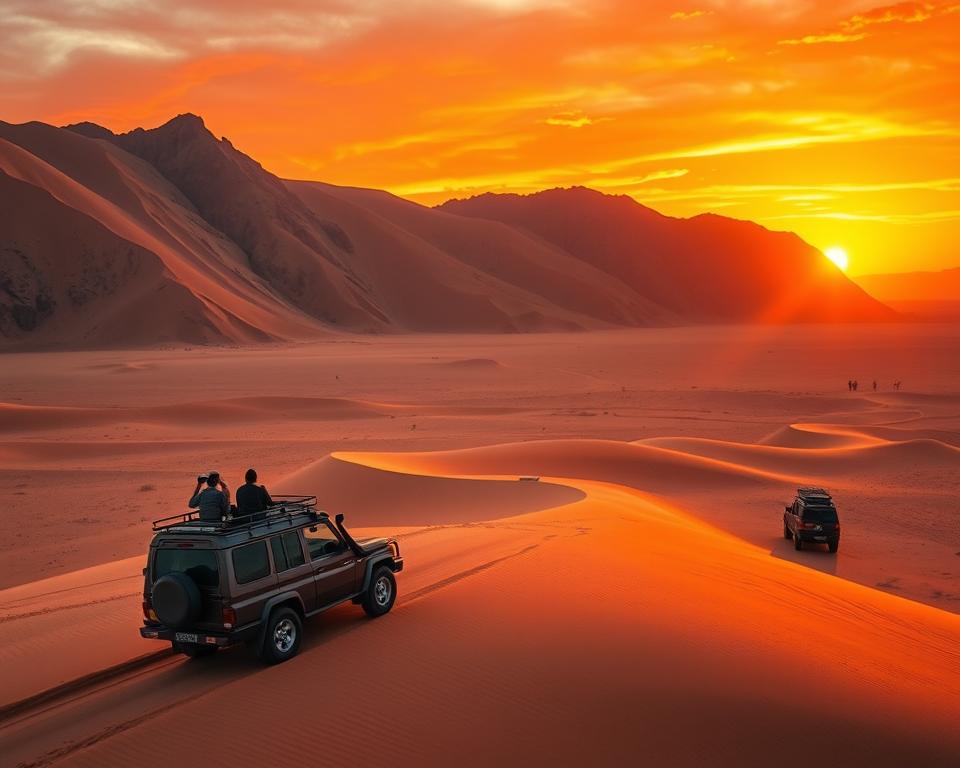
Namibia is a country of stark contrasts and immense beauty, offering travelers a unique blend of lesser-visited African sites. From the vast Namib Desert to the rich biodiversity of Etosha National Park, Namibia promises adventures as expansive as its horizons.
The Namib Desert and Its Iconic Dunes
The Namib Desert, home to some of the world’s tallest dunes, stands as a testament to nature’s grandeur. These towering formations provide ample opportunities for Namib desert adventures, including hiking, hot air ballooning, and sandboarding. For just N$80 per person per day, visitors can enter the Namib-Naukluft National Park, with campsite accommodations in Sossusvlei ranging from N$220 to 240 per site.
Discovering Etosha National Park
Etosha National Park is a haven for wildlife enthusiasts, offering unparalleled Etosha wildlife viewing experiences. The park spans 22,270 square kilometers and hosts 144 species of mammals and over 340 species of birds. Park fees are N$80 per adult per day, with an additional N$10 per vehicle. Visitors can stay at Okaukuejo and Halali camps for N$200 per night, plus N$110 per person.
Fish River Canyon: Namibia’s Natural Wonder
Fish River Canyon, the largest canyon in Africa and the second-largest in the world, stretches an impressive 160 kilometers in length and reaches depths of nearly 550 meters. A permit to explore this majestic site costs N$80 per person and N$10 per vehicle. Accommodations at Hobas Camp range from N$190 to 210 per night, making it a perfect spot for nature lovers to immerse themselves in the dramatic landscapes.
| Attraction | Entry Fees (N$) | Accommodation Costs (N$) | Highlights |
|---|---|---|---|
| Namib-Naukluft National Park | 80 per person | 220 – 240 per site in Sossusvlei | Stunning sand dunes, Namib desert adventures |
| Etosha National Park | 80 per adult, 10 per vehicle | 200 + 110 per person in Okaukuejo, Halali camps | 144 mammal species, Etosha wildlife viewing |
| Fish River Canyon | 80 per person, 10 per vehicle | 190 – 210 per night in Hobas Camp | Largest canyon in Africa, hiking trails |
Madagascar: Nature’s Masterpiece
Madagascar, an island nation teeming with natural wonders, stands as a testament to the splendor of isolated evolution. Its rich biodiversity makes it a bucket-list destination for nature enthusiasts and adventure seekers alike.
Biodiversity Hotspot: Unique Flora and Fauna
Madagascar’s endemic species are nothing short of fascinating, with the island boasting more than 87 recognized lemur species and over 1,000 species of orchids. The island harbors a significant percentage of the world’s chameleons and is home to specific bird families like Mesites and Ground-rollers. Astonishingly, 40% of the endemic bird species are considered endangered, underlining the urgency of conservation efforts.
Exploring Madagascar’s Diverse Landscapes
Trekking in Madagascar offers visitors the chance to traverse lush rainforests, rocky formations, and expansive savannas. Whether it’s a 5-day safari tour through premier nature reserves or an 11-day exclusive flying safari across iconic landscapes, each journey is an adventure into the heart of biodiversity. The island’s premier nature reserves are epitomes of ecological variety, making every step a discovery of new life forms from lemurs to the peculiar Pachypodium plants.
Underwater Adventures in Nosy Be
The coastal delights of Nosy Be provide an aquatic playground for Nosy Be diving enthusiasts. Coral reefs brimming with marine life offer snorkelers and divers exceptional underwater vistas. Whether you’re engaging with local communities or delving into the vibrant marine ecosystems, Nosy Be promises unforgettable experiences beneath the waves.
Lesotho: The Mountain Kingdom
Nestled within the heart of southern Africa and entirely encircled by South Africa, Lesotho provides a splendid escape with its unparalleled natural beauty and rich cultural heritage. Known as the « Kingdom in the Sky, » Lesotho offers visitors an incredible opportunity to discover its highland retreats, including the famous Drakensberg mountain ranges.
Outdoor Adventures in the Drakensberg Mountains
For adventure lovers, Lesotho presents an array of exhilarating activities such as Drakensberg hiking, pony trekking, and skiing at the Afriski Resort. The rugged terrain, with elevations reaching up to 11,500 feet, captures the essence of unspoiled wilderness. Noteworthy landmarks include the Sani Pass, the highest pass in southern Africa, and the awe-inspiring Maletsunyane Falls, the tallest waterfall in the region with a 193-meter drop. Hiking trails leading through picturesque landscapes and breathtaking viewpoints leave adventurers spellbound.
Traditional Culture of the Basotho People
Beyond its stunning landscapes, Lesotho offers an immersive experience into the vibrant traditions of the Basotho people. Visitors have the unique chance to partake in Basotho cultural experiences that reveal the customs and daily lives of this community. Traditional cuisines, including maize porridge and moroho, alongside local Maluti beer, provide a palate-pleasing exploration. Engaging with the Basotho, one witnesses their age-old practice of hospitality, ranging from shared meals signaled by colored flags to immersive storytelling sessions about life in the highlands.
Lesotho’s unique culture is further exemplified through activities such as shepherding, a rite of passage for young Basotho boys. Ascending into the mountains with flocks of sheep, these young shepherds embody resilience and tradition. Additionally, initiatives like the donkey rental program in Semonkong Village display the community’s innovative spirit in supporting local tourism.
Lesotho’s mix of natural splendor and cultural richness makes it an extraordinary destination for those seeking both scenic escapades and deep cultural connections. Whether exploring the vast highland retreats or engaging with the traditions of the Basotho people, Lesotho promises a memorable and enriching experience.
lesser-known African attractions: A Focus on Hidden Gems
When it comes to Africa’s overlooked gems, Tanzania’s Ruaha National Park stands out with its vast expanse of 12,226 square kilometers, offering visitors an uncrowded experience amidst one of the continent’s largest lion populations. Similar to this, Nyerere National Park, spanning over 30,893 square kilometers, provides another layer to the unsung African attractions with its untouched landscapes and diverse wildlife.
Further highlighting Africa’s underrated treasures, Botswana’s Kalahari Desert, which stretches over 900,000 square kilometers, presents seasonal spectacles across its vast plains. Here, visitors can enjoy the quiet beauty of the Makgadikgadi Salt Pans, renowned for their surreal terrains and pristine skies free from sound and light pollution.
Another notable gem is Malawi’s Nkhotakota Wildlife Reserve. Once home to 1,500 elephants, it saw a drastic decline due to poaching. However, the introduction of ‘Operation 500 Elephants’ has significantly revitalized its elephant population, turning this reserve into a testament to successful conservation efforts.
Mozambique’s Gorongosa National Park is yet another unsung African attraction, having rebounded remarkably since the devastation of the civil war from 1977 to 1992. Thanks to extensive replanting and reintroduction efforts, the park now boasts a thriving ecosystem with species like wild dogs, elephants, and zebras.
Meanwhile, the unique allure of South Africa’s Phinda Private Game Reserve lies in its successful pangolin reintroduction project. Beyond countering illicit trafficking, this reserve invites guests to engage directly with conservation activities, providing a hands-on experience with rhino, elephant, and pangolin research.
Such initiatives extend to Samara Private Game Reserve in South Africa’s Eastern Cape, which has dedicated 25 years to rewilding efforts. The reintroduction of species like cheetahs, elephants, black rhinos, and lions adds to this region’s appeal, solidifying its status among Africa’s overlooked gems.
Zimbabwe’s Chimanimani National Park, elevated to national park status in 2020, serves as another gem where rare mountain elephants rove. Further north, Matusadona National Park, now under African Parks’ management, is making great strides in lion and black rhino conservation, following the historic relocation of wildlife due to Lake Kariba’s creation in 1958.
Venturing into these underrated treasures not only enriches travelers but also supports the ongoing conservation and community efforts that help preserve Africa’s unique heritage. These lesser-known African attractions reveal the inherent beauty and potential within the continent’s vast landscapes, waiting to be discovered.
Conclusion
In weaving through this journey of enriching African travel, it’s evident that the continent holds myriad lesser-known African destinations waiting to be discovered. From the stark beauty of Kidepo National Park in Uganda to the surreal expanses of the Makgadikgadi Pans in Botswana, each locale brings forth a tapestry of captivating African experiences. These hidden gems emphasize the rich geographical and biodiversity splendor and resonate profoundly with those seeking unique, memorable journeys.
The surge in air travel across Africa hints at a growing interest among global travelers. Popular safari camps in South Africa and Kenya are brimming with wildlife enthusiasts, showing a significant demand for authentic encounters with nature. Meanwhile, cities like Accra in Ghana are drawing crowds with their burgeoning pop-up restaurants and cultural events, reflecting a dynamic shift in African urban tourism.
Moreover, the forecasted opening of luxury resorts across Africa in 2024 promises to elevate the travel experience, offering fresh perspectives on the continent’s hospitality. Johannesburg’s revitalized restaurant scene and the enhanced tourism infrastructure in Madagascar make these destinations more accessible and appealing. Furthermore, Mauritius, with its cultural metamorphosis, continues to captivate travelers seeking enriched African cultural experiences.
Africa, beyond its well-known attractions, stands as a continent of profound historical and cultural significance. Sites like Olduvai Gorge, Leptis Magna, and Timbuktu chronicle human history and civilization, drawing intrepid explorers to their ancient grounds. Additionally, the vast natural landscapes—from the Sahara to the Ethiopian Highlands—underscore Africa’s unparalleled natural beauty. As travelers step off the beaten path, they uncover the true essence of Africa, rooted in its diverse ecosystems and storied past. Embrace these lesser-known African destinations and let the continent’s hidden wonders unfold.