
Learning about pet behavior is key to being a good pet owner. By understanding our pets’ signals, we can make our bond stronger. This article will cover the science of animal behavior, how to fix behavior problems, and tips for a supportive home for our pets.
Key Takeaways
- Understanding pet behavior is essential for strengthening the human-animal bond.
- Addressing behavior issues early on can prevent them from becoming ingrained habits.
- The science of animal behavior encompasses biology, psychology, and ethology.
- Providing a pet-friendly environment that caters to natural instincts can prevent many behavioral problems.
- Engaging in interactive playtime helps strengthen the bond between pets and their owners.
Recognizing Common Behavioral Signs in Pets
Pets show their feelings in many ways. Knowing how to read pet behavior signs is key. A happy dog might sit calmly with its tail wagging. A happy cat might knead and purr. But, pets can also show stress in subtle ways, like a dog licking its lips or a cat hiding or flattening its ears.
Interpreting Cues for a Happy and Stress-Free Life
It’s important to understand pet psychology to help our pets. Pets can have issues like anxiety, fear, or pain. They might pace or seem restless if they’re not comfortable. Hiding or pulling away could mean they’re stressed or in pain.
Some pets might become aggressive, showing signs like snapping or growling. They might make more noise than usual, like whining or howling, if they’re upset or not feeling well. Catching these pet behavior issues early helps keep them happy and healthy.
| Behavioral Cue | Possible Meaning |
|---|---|
| Tail Wagging | Dogs tend to wag their tails more to the right when feeling positive, and more to the left when faced with something negative. |
| Tail Position | Tails pointing down or tucked between the legs indicate fear and stress, while tails held high signal confidence or potential aggression. |
| Hackles Raised | Raised hackles in dogs indicate arousal, which can represent various emotions such as being upset, stressed, excited, or intensely interested. |
| Weight Shifting | A dog hunching toward the ground signifies fear or stress, while shifting weight forward may indicate interest or possible offensive intentions. |
| Play Bow | The play bow, where dogs place their chest on the ground with their rump in the air, is a signal used to initiate play. |
To help pets with aggression or anxiety, start by noticing these important signs. By understanding managing pet aggression or pet anxiety solutions, we can make a better life for them. Paying attention to how they act helps us build a caring environment for them.
The Science Behind Understanding Animal Behavior
Exploring pet psychology reveals the science behind animal behavior. It helps us understand why our pets act the way they do. Researchers use biology, psychology, and ethology to study their behaviors.
Knowing where our pets’ behaviors come from helps us meet their needs. For example, dogs dig because their ancestors did to find food or make shelters. Cats scratch to mark their territory and keep clean.
Animal behavior studies have grown a lot. Researchers look at emotions, cognitive biases, and how the environment affects pets. They use different methods to learn about our pets’ inner lives.
This knowledge helps pet owners and affects industries like dairy and livestock. It leads to better practices, safer food, and happier pets.
| Research Focus | Key Findings |
|---|---|
| Emotion and Affective States | Studies have explored the role of positive emotions, cognitive bias, and mood in animal welfare, providing a deeper understanding of their subjective experiences. |
| Neurological Responses | Techniques like EEG recordings have shed light on the neural correlates of animal consciousness, sleep patterns, and cognitive processes. |
| Behavioral Assessments | Researchers have utilized various methods, including social isolation effects and environmental alterations, to evaluate the welfare and behavior of animals in different settings. |
By embracing animal behavior science, we can connect better with our pets. We can create homes that meet their needs. This helps our pets live happier lives.
« The more we learn about the minds of animals, the more we understand ourselves. »
Addressing Pet Behavior Issues
From Mild to Severe: Tackling Challenges Early On
Pets can show behavior issues that are mild or severe. It’s key to tackle these early to stop them from getting worse. If your pet shows aggression, anxiety, or other worrying behaviors, see a vet or an animal behaviorist. They can give you specific advice to manage aggression, help with anxiety, and guide you in training your pet.
Handling pet behavior issues often means using different methods. This includes setting a routine, giving them ways to release energy, and rewarding good behavior. With the help of experts, pet owners can overcome any issue, big or small. This helps pets live a happy and stress-free life.
| Behavioral Issue | Percentage of Occurrences |
|---|---|
| Aggression | 29.7% |
| Fear and Anxiety | 36.1% |
| Incessant Barking | Not Available |
| Digging and Chewing | Not Available |
The table shows how common pet behavior issues are. Early action is key to helping pets and strengthening the bond with their owners.
Getting help from a vet or animal behaviorist is vital for pet behavior problems. They can find out why the problem exists and create special plans. This includes training and changes to the environment for your pet.
By tackling pet behavior issues early and using a full approach, pet owners can make a better life for their pets. This improves the bond between pets and their owners.
Training for Positive Reinforcement and Good Manners
Positive reinforcement training is a great way to teach your pet good manners. Start with simple commands and reward your pet with treats, praise, or play. This makes them want to please you and strengthens your bond.
Being consistent, patient, and understanding is key to successful training. Positive reinforcement training uses rewards to encourage good behavior, not punishment or fear. This method is kinder and makes your pet feel safe and eager to learn.
| Positive Reinforcement Training Techniques | Benefits |
|---|---|
| Clicker training | Precise communication of desired behaviors |
| High-value treat rewards | Increased motivation and engagement |
| Gentle redirection for undesired behaviors | Discouraging unwanted actions without using force |
Positive reinforcement training helps teach your pet important commands and stops bad behaviors. With patience and consistency, you’ll have a well-behaved pet and a happy, confident companion.
« Positive reinforcement training is one of the popular methods used for dog training, focusing on rewards-based techniques. »
Creating a Pet-Friendly Environment
Making a pet-friendly home is key for our pets’ happiness. It means meeting their natural needs and behaviors. This helps create a peaceful and happy home. We should know what each pet needs, from cozy spots to safe play areas.
Catering to Natural Instincts and Behaviors
Dogs might need a quiet spot to be alone or chew toys. Cats like scratching posts and high places to watch over their territory. Understanding these needs helps avoid problems before they start.
This approach boosts our pets’ happiness and deepens our bond with them.
Comprehensive guide to creatinga pet-friendly
More companies are making their workplaces pet-friendly. They see the perks like less stress, happier workers, and more productivity. This shows how pets can make the office better.
Having a clear pet policy is key. It sets the rules for pets at work. Adding things like water bowls and pet waste stations helps pet owners too.

About 85 million families in the U.S., or 67% of households, have a pet. This big number means more people want pet-friendly products and services.
There’s a big market for safe cleaning products and special flooring for pets. The need for pet grooming and vet care shows how important a pet-friendly home is.
Going pet-friendly helps pets and people live better together. It makes places more welcoming for everyone.
The Importance of Engagement and Interaction
Engagement and interaction are crucial for understanding and shaping pet behavior. Regular playtime keeps our pets active and mentally sharp. It also strengthens the bond between us and our pets. Activities like using feather toys for cats or playing fetch with dogs tap into their natural instincts. This can help meet their needs and encourage good behavior.
Studies show the big benefits of engaging with pets. 100% of university students and faculty in APA accredited programs like animal-assisted therapy. Over the last decade, research on Human-Animal Interaction (HAI) has grown by 700%. Also, 92% of people with dementia became more engaged with dog-related things, and 75% of elderly patients with mental health issues got better with pet therapy.
- Playing with other dogs gives a great workout, offering exercise we can’t match at home.
- Regular social time helps stop bad behaviors by tiring dogs out and easing separation anxiety.
- Socializing makes dogs more confident and comfortable with new things, leading to a healthier life.
To make sure our pets get enough engagement and interaction, we can book regular dog walks and daycare. District Dogs offers small group dog walks for safe, healthy exercise. Their daycare has play areas for different sizes, ages, and energy levels. They have premium flooring and professional staff for socializing and play.
« Engagement and interaction are essential for the well-being and development of our beloved pets. »
Establishing Routines for Effective Training
Keeping pet routines consistent is key for good pet training and health. By setting regular times for sleep, eating, potty breaks, exercise, and rest, pets feel secure. This makes them more open to learning new things.
Building a Foundation of Safety and Comfort
A structured pet routine meets a dog’s need for stability and helps with pet training. Pets learn better when they know what to expect. This reduces their stress and focus improves.
Here are key parts of a good pet routine:
- Consistent feeding times and locations
- Scheduled potty breaks and designated potty areas
- Regular exercise and playtime
- Designated nap and rest periods
- Structured training sessions
- Ample opportunities for mental stimulation, such as puzzle toys
Meeting a pet’s needs for safety and comfort helps with pet training. It also strengthens our bond with them.
« Establishing a predictable routine for our pets is crucial for effective training and overall well-being. »
It’s important to be flexible with routines, though. Changes can stress pets out. By being ready for changes and offering extra comfort, we help our pets adjust. This keeps them open to training, even when things change.
A well-planned pet routine helps with pet training. It also makes our pets happier and healthier.
Teaching Essential Safety Commands
Pet safety and obedience training are key for our furry friends’ well-being. Teaching commands like « sit, » « stay, » « come, » « leave it, » and « drop it » keeps pets safe in many situations. These commands improve obedience and strengthen the bond between pets and their owners.
Every dog can learn new tricks, showing a high chance of training success. Just five minutes of training daily can make a big difference. This proves the power of short, consistent training sessions.
The article highlights six vital commands for dog training: Sit, Stay, Down, Come, Leave It, and Drop It. These are crucial for safety and well-being. It also warns against using dominance theory, shock collars, and punishments. Instead, it promotes positive and force-free training methods.
The « Come When Called » command is key for keeping dogs safe. Using hand signals in training also helps, making communication with dogs clearer and aiding in training success.
The article offers resources for more dog training advice and support. It shows a wide range of expert advice for those looking to improve their training skills.
In summary, teaching safety commands is crucial for our pets’ well-being and strengthens our bond with them. Positive reinforcement and these basic skills create a safer, more harmonious environment for our pets.
Socialization and Handling
It’s key to socialize our pets early. This means getting them used to different people, places, and sounds. It also means exposing them to various textures and other animals. This helps them adjust to new situations easily.
Handling and grooming pets from a young age makes them more comfortable with touch. This is good for their vet visits and daily care.
The Importance of Early Socialization
Until they are four months old, puppies are best exposed to new things. For kittens, this window is between 3 and 9 weeks. If pets aren’t socialized, they might get scared in new situations.
This could be meeting new people, being around other pets, or visiting new places.
Positive experiences help pets enjoy new things without fear or aggression. Giving them praise, play, and treats during socialization is a good idea.
Preparing Your Pet for Various Situations
- Social dogs get more exercise and have more fun.
- Social dogs are easier to groom.
- Socialized dogs handle vet exams more easily.
- Social dogs have less fear and anxiety.
- Socialized dogs are less prone to aggressive behavior.
Well-managed pet socialization classes are great for socializing during the sensitive period. Puppies or kittens that are not fully vaccinated should stay away from unvaccinated animals or certain places.
Working with vets or behavior experts is a good idea for pets with special needs. This helps with pet handling and pet preparation.
Leash Training for Safety and Convenience
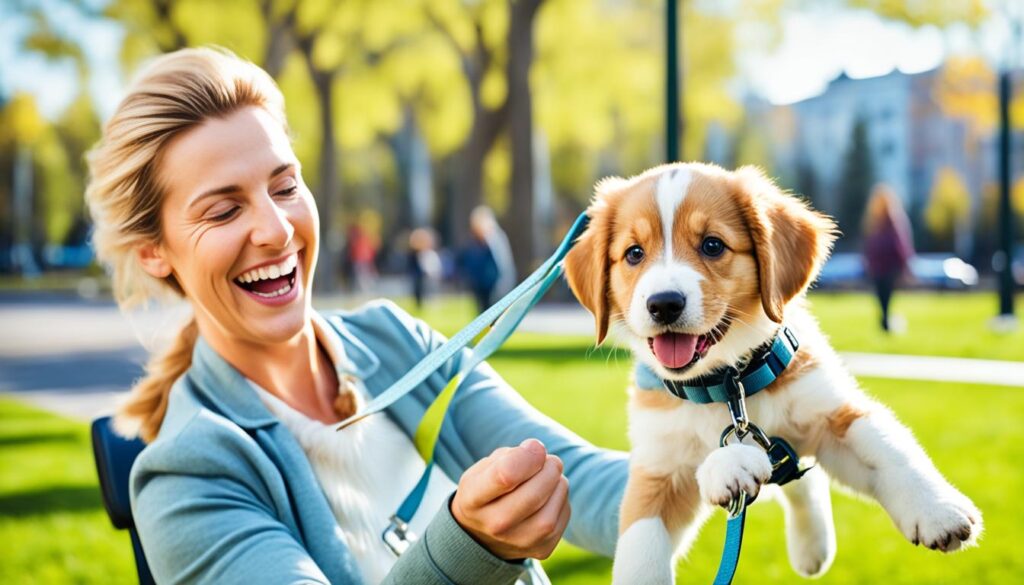
Teaching your pet to walk on a leash is crucial for their safety and makes walks easier. It helps prevent accidents and makes walks fun for both you and your pet.
Most leashes are 6 feet long, but some owners like longer ones for everyday walks. Long lines, from 15-30 feet, give more freedom but need careful thought about the area, leash type, and your dog’s behavior.
| Leash Type | Typical Length | Considerations |
|---|---|---|
| Standard Leash | 6 feet | Reliable choice for most walks |
| Long Line | 15-30 feet | Increased freedom, but requires more handling skills |
Biothane leashes are popular for their convenience, comfort, and durability. Tiny dogs might find heavy leashes uncomfortable. Adventurous dogs might like longer lines for exploring.
When using long lines, hold the handle opposite your dog and keep the line tidy. This keeps you in control and safe. These leashes are great for dogs still learning or those who need more freedom.
Paws N Play is offering a Loose Leash Walking class in April and May 2024. The 4-week course teaches positive reinforcement for pet safety and pet convenience during walks.
« Loose leash walking is not only a practical skill but also strengthens the bond between pet and owner, making our daily outings more enjoyable for all. »
Investing in pet leash training ensures your pet’s safety and makes walks better for both of you. It helps create a smoother walking experience.
Understanding Learning Curves and Distraction Levels
Learning new commands can be tough for pets. It depends on their temperament, breed, age, and how often they’re trained. It’s important to be patient and persistent because pets might find it hard in places with lots of pet distraction levels.
Experts say almost all pet dogs need a « distraction/correction phase » at the end of training to make sure they get it right. But, pet training patience and pet training consistency are crucial for success. Training at home and slowly adding tough situations helps pets gain confidence and learn the behaviors we want.
Navigating Distractions and Maintaining Consistency
The author, with over 50 years of dog training experience, stresses the need to know each pet’s unique traits, what motivates them, and how to handle distractions. Using a « balanced reward-based training » method with both high-value rewards and gentle corrections can change a pet’s behavior without punishment.
Training sessions should be short and fun, lasting no more than 10 minutes. Mixing in easy tasks with harder ones helps keep the pet interested and motivated. This balance makes learning more effective and keeps training positive for your pet.
« All-positive training methods may work with some dogs, especially those trained young, but they might not fit all family pets or working dogs like those in law enforcement. »
Getting the right balance of pet training patience and pet training consistency is key. Tailor your training to your pet’s needs and slowly introduce them to tougher situations. This way, they’ll learn new commands and grow closer to you.
Considerations Before Adopting a Pet
Adopting a new pet is exciting and rewarding, but it’s important to think it through. You should look at the pet’s energy level, exercise needs, and how well it fits with your home. Also, think about the money and time you can commit for the long run.
It’s key to know how long a pet will live. Dogs’ lifespans vary by size and breed. Small dogs can live 15-16 years, medium dogs 10-13 years, and big dogs 7-8 years. Cats usually live 15 to 20 years, showing the big commitment of owning a pet.
Understanding a pet’s needs is part of being a responsible owner. Puppies in shelters are usually 8 to 16 weeks old. They need to be slowly introduced to their new home using the « 3-3-3 rule ». It’s also important to feed them special puppy food until they are about 10-12 months old.
- Keep an eye on your pet’s weight and take them for yearly vet check-ups to keep them healthy.
- Know that cannabis and edibles can be harmful to pets.
- Find a vet before you adopt to learn about shots and care your pet will need.
Getting a pet is a big financial step. Costs include food, licenses, vet care, grooming, and unexpected medical bills. Owners should be ready for these costs, as not having enough time or money is a common reason pets go to shelters.
Training and socializing your pet is key to a good adoption. Misbehavior is a top reason pets are returned. So, spend time and resources on training. Groups like the New Hampshire SPCA offer free training help for new owners.
Thinking about these things and taking steps for responsible ownership will help you give your new pet a happy home.
Reward-Based Training and Positive Reinforcement
Reward-based training and positive reinforcement are great ways to encourage good behavior in pets. By giving treats, praise, or playtime for good behavior, we make our pets want to please us more. This strengthens the bond between us and makes life better for our pets.
Enhancing Quality of Life and Your Bond
Studies prove that reward-based pet training and positive reinforcement pet training work well. At the Richmond SPCA, all training is reward-based. Dogs enjoy getting food, social time, games, and doing what comes naturally to them.
Positive reinforcement training makes dogs repeat behaviors they find rewarding. To get the best results, use rewards that your dog loves most. The harder the task, the bigger the reward should be to motivate them.
It’s important to give rewards right after the good behavior. Using a marker like a whistle or clicker helps with this. Make sure to give rewards while your dog is doing the right thing to avoid confusion.
By using reward-based pet training and positive reinforcement, we teach our pets important skills. We also make our human-animal bond stronger and improve their quality of life.
pet behavior
Pet behavior is complex and interesting. It includes many signals, instincts, and learned actions. By studying animal behavior and using good training and environments, we can connect better with our pets. This ensures they are happy, healthy, and well-adjusted.
Understanding pet behavior means knowing how they communicate. They use body language and sounds to show their needs, feelings, and likes. Paying attention to these signs helps pet owners meet their pets’ needs and live together peacefully.
Genetics and environment greatly influence pet behavior. Traits are set early on, influenced by breed and past pressures. But, the first weeks with their mother and siblings also shape their behavior.
Training and changing behavior can help with many issues in pets. Techniques like desensitization, counterconditioning, and positive reinforcement work well. They change how pets react to things, encourage good behavior, and strengthen the bond with their owners.
| Behavioral Challenge | Recommended Approach |
|---|---|
| Aggression | Desensitization and counterconditioning |
| Excessive Barking | Positive reinforcement training |
| Destructive Chewing | Providing appropriate chew toys and increasing physical/mental stimulation |
| Fear and Phobias | Gradual exposure, desensitization, and possibly medication |
Understanding pet behavior and using good training and environments helps pet owners connect deeply with their pets. This ensures pets live happy, healthy, and well-adjusted lives.
« The greatness of a nation and its moral progress can be judged by the way its animals are treated. » – Mahatma Gandhi
Pet behavior is always changing and is influenced by many things. By accepting this and always learning, pet owners can understand their pets better. This leads to a fulfilling partnership that improves the lives of both humans and animals.
Conclusion
Understanding pet behavior is a rewarding journey. It takes observation, patience, and a willingness to learn. By recognizing common cues and addressing issues early, we can strengthen our bond with pets. This approach also helps their overall well-being.
Throughout this article, we’ve looked into the science of animal behavior. We’ve also covered effective training methods and the need for a pet-friendly environment. By using these insights, pet owners can overcome behavioral challenges. They can teach safety commands and help their pets socialize positively.
The key to a happy life for pets is understanding their unique needs. We must respond with empathy, consistency, and a commitment to their well-being. This approach helps pets live without stress.
As we end this journey, we urge pet owners to keep learning and trying new things. Staying informed and dedicated to their pets’ well-being helps. This way, we can all make a world where pets and their owners have deep, enriching relationships.