
Cats have always captured the hearts of people everywhere. They went from being worshipped in ancient Egypt to being seen as evil in the Middle Ages. This shows how complex and interesting their relationship with humans has been over time.
This article will look into the mysterious nature of cats. We’ll explore the science behind their behavior, genetics, and their special bond with humans.
Many think cats are easy to study, but they’re not as simple as dogs. They are very territorial, which affects their behavior. Still, scientists have learned a lot about these mysterious animals. They’ve found out about their complex feelings, memory, and how they communicate.
Let’s go on an exciting journey to learn about our mysterious pets. We’ll explore the amazing bond between humans and cats. We’ll look at how our domestic cats evolved and the many different cat breeds out there. This will give you a full picture of the wonderful world of feline friends.
Key Takeaways
- Cats are the most common pet in UK households after dogs.
- Cats have a complex and often misunderstood relationship with humans, with a history of stigma and under-research.
- Cats communicate and show affection in unique ways, such as through proximity and allogrooming.
- Cats have the ability to experience emotions like depression and nostalgia, though the research is still controversial.
- Cats have an fascinating evolutionary history, with all domestic cats tracing their ancestry back to a group of just five cats in the Middle East.
The Enigmatic Nature of Feline Companions
Cats are the most common pets in the U.S., after dogs. Yet, they are still mysterious and misunderstood. Their nature is hard to study because they are very territorial. Their behavior changes a lot based on their surroundings. This makes it hard to study them in a lab.
Plus, cats have been unfairly seen as bad for a long time. This has led to a lot of wrong ideas about them.
Cats: Misunderstood and Underestimated
In the Middle Ages, people thought cats were the friends of witches. They were often tortured and burned because of this. This has led to a lot of wrong ideas about cats that still exist today.
People think cats are not as loving or loyal as dogs because they seem independent and distant.
The Stigma Surrounding Cats Throughout History
In ancient Egypt, cats were seen as sacred animals. They were linked to the goddess Bastet, who was often shown as a cat or a cat-headed woman. But in the Middle Ages, cats were seen as evil and were wrongly blamed for witchcraft.
This bad view of cats has lasted a long time and still affects how we see them today.
Researchers are working hard to learn more about cats and clear up the wrong ideas about them. By understanding cats better, we can appreciate their unique and interesting nature more.
| Characteristic | Cats | Dogs |
|---|---|---|
| Loyalty | Independent | Unwavering |
| Socialization | Solitary | Requires early training |
| Activity Level | Crepuscular (active at dawn and dusk) | Varied (active throughout the day) |
| Dietary Needs | Obligate carnivores | Omnivores |
| Emotional Benefits | Stress-reducing, calming | Joy, laughter, comfort |
Understanding Cat Behavior and Communication
Cats are complex and interesting animals. They show their feelings through body language and sounds. By noticing how they stand, their face expressions, and the sounds they make, we can understand what they’re feeling. This helps us connect better with our cats and meet their needs.
Decoding Feline Body Language and Vocalizations
Cats mostly talk in a silent way, using body language, sounds, and smells. Their ears, tail, and eyes tell us a lot about how they feel. For instance, ears forward mean they’re interested, while sideways and backward ears with a hiss show they’re upset.
Cats make many sounds to talk to us. Some breeds like Siameses and Abyssinians talk more than others. Purring shows they’re happy, happening in many situations. But growling, hissing, or spitting means they’re upset or scared.
Adult cats usually don’t meow to each other, but they do to us. This might be a way to get what they want. Older cats might meow more due to age problems, or if they’re anxious, confused, or in pain, which could mean they’re not feeling well.
« Cats use scents like urine and feces, head butting, and scratching to leave messages for other cats, marking their territory. »
Cats also talk through smells. They use urine, feces, head butting, and scratching to leave messages. The way they move their tail, where their whiskers are, and how they stand tells us a lot about their feelings. This can show everything from confidence to fear.
Learning about cat language helps us connect more with our cats. It lets us understand them better and take care of them in the right way. This makes our bond with them stronger.
The Science Behind Cat Emotions and Memory
Cats do feel emotions like depression and nostalgia, contrary to what many think. Changes in their behavior, like being less active or eating differently, can show they’re upset. Cats also remember things, especially bad experiences that could help them survive.
Exploring Feline Episodic Memory
Studies show cats can remember specific events and the situations they happened in. This is like human episodic memory. They link events with strong feelings, which affects how they act later.
A cat that was abused as a kitten might always be scared of certain people. But, they also remember good times with their owners, which strengthens their bond with us.
Learning about cat emotions and memory helps us understand our furry friends better. Recent studies show cats have advanced thinking skills. Their brain is very similar to ours.
« Cats have a brain that measures about two inches, weighing between 0.9 to 1.1 ounces and occupying about 0.9 percent of their body mass. The feline brain’s structure and surface folding are 90 percent similar to that of humans. »
This shows cats might feel emotions and remember things in ways similar to us. By studying how cats think, we can connect with them more deeply.
cats: Tracing Their Evolutionary Journey
The story of how domestic cats evolved is long and fascinating, covering millions of years. They came from the African wildcat, a solitary hunter. This cat played a big role in the Felidae family’s history.
The Felidae family started about 66 million years ago in the Paleocene epoch. Back then, they were small, weasel-like mammals called miacids. These early cats led to the modern carnivores we know today, including domestic cats.
Approximately 30 million years ago, the first true cats, Proailurus, appeared. This marked a big step in their evolution. The Pleistocene epoch, from 2.6 million to 11,700 years ago, brought us the big cats like lions and tigers. These powerful predators shaped the feline family tree.
Since then, the Holocene epoch has seen the rise of modern cat species. This includes the domestic cat and the cougar. These cats have become beloved pets.
Domestic cats became pets about 10,000 years ago. They came from the African wildcat, Felis lybica. Other wild cats, like the European and Asiatic wildcats, also played a part in their domestication.
Cats have shown incredible adaptability and resilience throughout their evolution. From ancient miacids to today’s wild and domestic cats, they have changed a lot. They have thrived in many ecosystems, making them one of the most fascinating predators out there.

The Diverse World of Cat Breeds
Cats have been bred into many different breeds, each with its own special traits. From the elegant Persian to the playful Bengal, there’s a wide variety of cats. Knowing about cat breeds helps people pick the right cat for their home.
Exploring the Unique Traits and Characteristics
The American Shorthair is a favorite in the U.S. It’s versatile, with a medium to large size and many coat colors. The Abyssinian has a short, ticked coat and loves to play. It’s a friendly and lively cat.
The Persian has a long, luxurious coat and a flat face. It needs regular grooming because of its fur. Siamese cats have a short, color-point coat and striking blue eyes. They stand out with their unique look.
Maine Coons are known as the « gentle giants » of cat breeds. They are big, with tufted ears and a long tufted tail. Their size and look make them very appealing to cat lovers.
| Breed | Characteristics | Life Expectancy |
|---|---|---|
| American Shorthair | Medium to large build, versatile in coat colors | 15 years or longer |
| Abyssinian | Short-haired, ticked coat, active nature | Up to 15 years |
| Persian | Long-haired, luxurious coat, flat face | 12-20 years |
| Siamese | Short-haired, color-point coat, striking blue eyes | 12-20 years |
| Maine Coon | Large size, tufted ears, long tufted tail | 13-15 years |
There’s a wide variety of cat breeds, each with its own charm. Looking into these traits can help find the perfect cat for your home.
« The world of cat breeds is a testament to the creativity and ingenuity of feline enthusiasts, who have worked tirelessly to preserve and enhance the unique features of these beloved companions. »
Cats as Domestic Companions
Cats may not be as social as dogs, but they are still loved as companions. They form strong bonds with their owners, showing love in quiet ways like head-bumping and staying close. Taking good care of them is key to their happiness and health.
The Art of Cat Care and Grooming
Looking after a cat’s coat, nails, and health takes effort. Brushing them regularly stops hairballs and keeps their fur nice. Cutting their nails makes sure their paws are comfy. Giving them toys and scratching posts keeps them busy and happy.
Cats groom themselves, but sometimes they need a bath or professional grooming. Knowing what they like helps us bond with them and keep them well.
| Key Aspects of Cat Care | Importance |
|---|---|
| Coat and Nail Maintenance | Regular brushing and nail trims promote a healthy appearance and prevent issues. |
| Environmental Enrichment | Providing toys, scratching posts, and a stimulating space keeps cats mentally and physically active. |
| Grooming and Bathing | Occasional grooming and bathing, along with regular self-grooming, ensure optimal hygiene. |
| Veterinary Care | Regular check-ups, vaccinations, and preventive measures keep cats healthy and thriving. |
By focusing on cat care and grooming, we strengthen the bond of cat companionship. This ensures our feline friends are happy and healthy as our beloved companions.
« The greatness of a nation and its moral progress can be judged by the way its animals are treated. »
– Mahatma Gandhi
The Human-Cat Bond: A Unique Relationship
The bond between humans and cats is special but often misunderstood. Cats don’t show love like dogs do, making some think they don’t care. But, cats do form strong bonds with their owners in their own way. By understanding this, we can build a strong human-cat bond.
Cats have lived with humans for thousands of years, starting in the Fertile Crescent. Studies now show how deep the cat companionship is. They found cats spend as much time with people as dogs do, showing they are just as attached.
Genetic research also shows cats are closer to humans than many other animals. Scientists have made big databases of cat DNA to help treat diseases in cats.
Cats are unique, with their own personalities shaped by nature and life. Even as kittens, they show different traits, hinting at their future personalities. These traits can change over time, based on what a cat experiences.
Understanding the human-cat bond helps us connect better with our cats. By respecting their way of showing love, we can make our bond stronger. This way, we can enjoy a deeper and lasting relationship with our feline friends.
Feline Health and Wellbeing
Keeping our cats healthy and happy is key for their long life and well-being. Cats depend on us for a safe home, good food, regular vet visits, and quick care for any health or behavior issues. By using cat care tips, we can make sure our cats live a good life.
Prioritizing Cat Health and Wellness
Cats are not like dogs and don’t need to be with others all the time. They can be friendly with other cats and animals, but it depends on how they grew up. Bad experiences when they were young can make them scared and stressed later, which hurts their cat wellness.
Studies show that cats feel happy and sad emotions, just like us. They like good things and avoid bad ones to feel better. Pain is a big issue for cats and can really lower their life quality and cat health. Vets are very important in making sure cats are happy and healthy at every stage of their life.
- Provide a safe, enriching environment for your cat
- Offer a balanced, high-quality diet and fresh water
- Schedule regular veterinary check-ups and address any health concerns promptly
- Recognize and address signs of pain or discomfort in your cat
- Create a positive, low-stress experience during veterinary visits
By following these important cat care tips, we can make sure our cats are happy and healthy. They will be great friends to us.
Cats in Popular Culture and Mythology
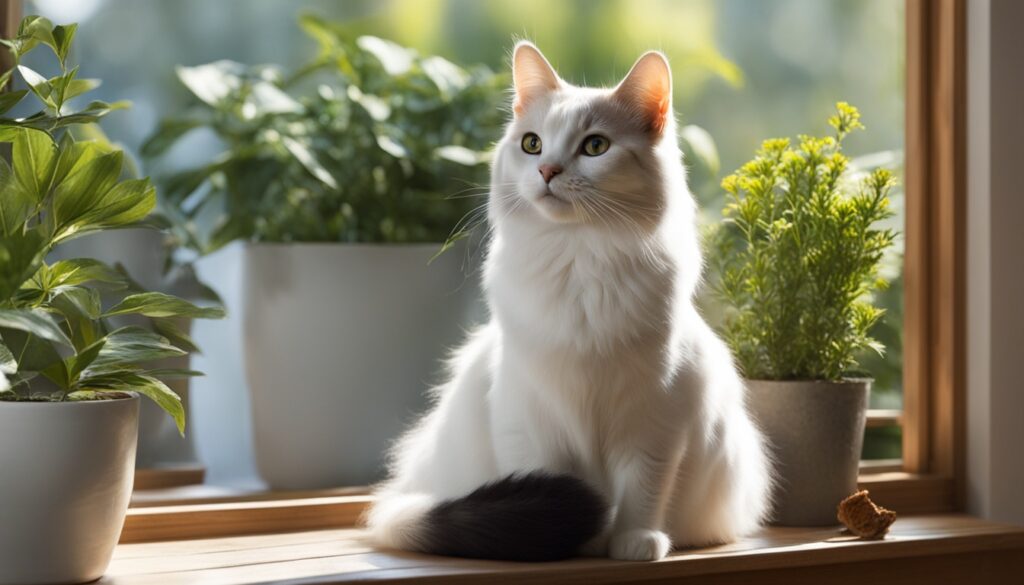
Cats have always been a big part of human culture and stories, seen as magical or divine. From the Egyptian goddess Bastet to the Cheshire Cat in Alice in Wonderland, they’ve caught the eye of many artists and writers. Looking into cats in popular culture and cat mythology shows why we’re so drawn to these mysterious animals.
In ancient Egypt, cats were treated like people when they died, showing how important they were. The goddess Bastet was seen as both caring and fierce, protecting and bringing joy. Sekhmet, another cat goddess, looked like the Abyssinian breed and stood for war and protecting pharaohs.
Today, cats inspire many artists, like Henriette Ronner-Knip, Balthus, and Andy Warhol. They’ve also made their mark in books and movies, with characters like those in T.S. Eliot’s « Old Possum’s Book of Practical Cats » and Lewis Carroll’s « Alice’s Adventures in Wonderland. »
| Mythological Cat Deity | Corresponding Modern Cat Breed |
|---|---|
| Bastet (Egyptian Goddess) | Serengeti Cat |
| Sekhmet (Egyptian Goddess) | Abyssinian Cat |
| Mafdet (Egyptian Goddess) | Savannah Cat |
| Nergal (Babylonian God) | Bombay Cat |
| Parvati (Hindu Goddess) | Toyger Cat |
| Kasha (Japanese Yokai) | Chausie Cat |
Cats have touched many parts of culture, from fashion to music and online. In Japan, the « Maneki-neko » cat is seen as lucky. They’ve also inspired music, like « The Cat Duet » by Gioachino Rossini, and a musical called « Cats » by Andrew Lloyd Webber. Now, they’re stars online, with funny videos and social media accounts.
« Cats are connoisseurs of comfort. » – James Herriot
The lasting impact of cats in popular culture and cat mythology shows how deeply we connect with these mysterious animals. From ancient times to today, cats keep captivating and inspiring us, leaving a lasting mark on our imagination.
The Fascinating World of Feline Genetics
Cats’ genes hold secrets about their evolution and unique traits. By studying their DNA, researchers have found interesting facts about their traits and behaviors. These traits help cats live well in the wild and as pets.
Unraveling the Mysteries of Cat DNA
Cat genetics is a fascinating field that shows how different cats can be. For example, 80% of ginger cats are male because the gene for orange color is linked to the X chromosome. Also, males with an extra X chromosome (XXY) can be tortoiseshell or calico, which is rare in about 1 in 3,000 male cats.
Cat coat colors and patterns come from a complex mix of genes. Dominant white cats often have the W gene, hiding their true colors. Albino cats lack or have a damaged TYR gene, so they don’t make melanin. Interestingly, genes for black fur make cats more resistant to FIV, a virus.
| Genetic Trait | Description |
|---|---|
| Orange Color Gene | 80% of ginger cats are male due to the genetic inheritance of the orange color gene being linked to the X chromosome. |
| XXY Chromosome in Males | Males with an extra X chromosome (XXY) can be tortoiseshell or calico, representing a genetic anomaly occurring in approximately 1 in 3,000 male cats. |
| Dominant White Gene | Dominant white cats typically have the W gene, masking their true color. |
| Albino Gene | Albino cats are distinguished by a missing or damaged TYR gene, resulting in a complete lack of melanin production. |
| Black Fur Gene | Genes associated with black fur in cats have been found to promote stronger immune systems, leading to higher resistance to feline immunodeficiency virus (FIV). |
The study of cat DNA continues to reveal new and interesting facts. It shows how coat patterns and color are influenced by genes. By understanding these, we appreciate more about our feline friends’ diversity and adaptability.
Training and Enrichment for Your Feline Friend
Cats are not just aloof or independent. They need training and enrichment that fits their natural instincts and behaviors. Adding these to your cat’s daily routine can make your bond stronger and keep them happy and healthy.
Using positive reinforcement in cat training can teach your pet good behaviors and stop bad ones. Puzzle feeders and interactive toys can make your cat’s mind work harder, tapping into their hunting instincts. Vertical spaces like cat trees and shelves offer exercise and let them explore and think.
For indoor cats, enrichment is key. A window view lets them watch the outdoors, which is good for their senses and keeps them from getting bored. A « catio » – a safe outdoor space – can give them more freedom to explore safely.
Playing with your cat regularly is important for their body and mind. Making your own treat dispensers and toys can keep them busy and happy. Hide-and-seek games use their natural curiosity and hunting skills, making playtime fun and interactive.
Adding cat training, cat enrichment, and cat behavior modification to your cat’s life makes their environment fulfilling. These activities strengthen your bond and help your cat stay healthy and happy.
Conclusion
Cats have always had a special place in our hearts and minds. They are mysterious and have a deep connection with humans. This bond between us and cats is truly remarkable.
We’ve learned a lot about cats through this journey. We understand their behavior, their feelings, and what makes them different. By knowing more about them, we can build a stronger connection with our feline friends.
The cat-human bond shows how important understanding and respect are. Let’s keep celebrating what makes cats special. We can look forward to a future where cats are valued and seen as the amazing creatures they are.