
In the fast-paced world of finance, traders are always looking for ways to get ahead. Automated trading systems have changed the game. These advanced software programs, also known as algorithmic trading strategies, let traders set rules for buying and selling. These rules can be set to automatically execute through a computer.
Now, up to 80% of shares traded on U.S. stock exchanges are handled by automated systems as of 2024. Traders can make their trading rules automatic. This means computers can do the buying and selling, taking out the emotional part of trading. These systems can look at huge amounts of data quickly. This lets traders make fast decisions using complex algorithms and predictive models.
Key Takeaways
- Automated trading systems can analyze large volumes of market data in real-time, enabling fast decision-making based on algorithms and predictive models.
- Up to 80% of shares traded on U.S. stock exchanges currently come from automatic trading systems as of 2024.
- Automated trading systems can execute trades much faster than humans, providing an advantage in volatile markets or for high-frequency trading strategies.
- Automated systems help traders maintain discipline by removing emotions from the trading process, leading to more consistent decision-making.
- Traders can backtest their strategies using historical data with automated systems, allowing for evaluation, adjustments, and optimization before live deployment.
What Is an Automated Trading System?
Automated trading systems have changed how we invest. They use algorithms and computer programs to make trades on stock markets. These systems decide when to buy or sell based on rules and technical indicators. This helps reduce the effects of human emotions and biases that can lead to poor trading choices.
Establishing Trading « Rules »
At the core of an automated trading system are the trading rules. These rules tell the system what to do. They can be simple, like moving average crossovers, or complex, involving math and statistics. Traders can use « wizards » in some platforms to create strategies with technical indicators. Others need custom programming for more control.
Advantages of Automated Systems
- Minimizing Emotions: Automated trading systems remove the impact of human emotions. These emotions, like fear and greed, can lead to bad trading decisions.
- Backtesting: Traders can test their rules on past data before trading live. This helps them see how well the system will work and improve their strategies.
- Preserving Discipline: Automated systems trade automatically, even in tough markets. This makes sure traders stick to their plans.
- Improving Order Entry Speed: Automated systems can trade as soon as the right conditions are met. This lets traders take advantage of quick market chances.
- Diversification: Automated trading systems help traders spread out their investments. They can trade in multiple accounts or use different strategies at once.
As financial markets change, more traders are using automated systems. In fact, 70% to 80% of shares traded on U.S. stock exchanges come from automatic trading systems as of 2024. By learning about these tools, traders can find new ways to achieve consistent and profitable trading results.
Minimizing Emotions with Automated Trading
Automated trading systems are great because they take emotions out of trading. Feelings like fear, greed, and anxiety can lead to bad trading choices. This makes new traders struggle. Automated systems follow set rules, stopping traders from hesitating or overtrading because of feelings.
These systems keep traders disciplined, even when markets are unstable. They follow rules without letting emotions guide decisions. This is key for success in uncertain markets.
« Automated trading systems execute trades without human intervention, compared to algo trading systems that find optimal trade set-ups. »
It’s important for traders to trust their automated strategies. Those who trust their systems and don’t override them tend to do well. Automated trading lets traders work on their strategies without the emotional ups and downs of manual trading.
Automated systems can trade all day, every day. This means traders don’t have to watch the market all the time. It gives them more time to think about their strategies objectively.
In the end, automated trading’s ability to remove emotions is a big plus. It helps traders stick to a plan, diversify their investments, and possibly do better in trading.
Backtesting Automated Trading Strategies
Backtesting is key for making automated trading systems work. It means testing trading rules on past market data. This helps traders check if their ideas will work before using real money. By backtesting, traders can tweak their systems and know what to expect in terms of wins or losses.
Preserving Discipline
Automated trading helps traders stay disciplined. These systems make sure the trading plan is followed closely. This reduces mistakes caused by emotions and keeps traders on track with their goals. Staying disciplined is key for success over time.
Here are the main steps for backtesting automated trading strategies:
- Choosing a programming language: Traders can learn a language like Python, R, or C#, use pseudocode software, or pick no-code solutions to test their trading plans.
- Selecting the right tools: Traders can use free tools or paid platforms to make backtesting easier and get detailed stats.
- Ensuring data accuracy: It’s important to use full historical data, including info on companies that went bankrupt or were liquidated, for realistic backtesting.
- Accounting for trading costs: Traders must include all trading costs, big or small, to see how well their strategy really performs.
- Performing forward testing: After backtesting, traders should test their strategy with new data to see if it still works.
Backtesting is very useful but has its limits. It can’t cover everything that happens in real markets, like liquidity and fees. To avoid problems, traders should test with different data and use in-sample and out-of-sample backtests.
« Backtesting is a crucial step in developing automated trading systems, as it allows traders to assess the viability of their ideas before risking real money. »
By being disciplined in backtesting and using automated systems, traders can boost their chances of doing well in the markets.
Improving Order Entry Speed
Automated trading systems are a big win when it comes to how fast they place orders. This speed is key in trading, especially in fast markets. Every second counts here.
These systems can put in stop-loss orders and profit targets right away. This means trades don’t get out of hand before you can act. It’s all about quick action to protect your investments.
BuySide Global LLC says automated trading can lead to big wins or big losses. They stress knowing the risks and not risking money you can’t afford to lose. Remember, past success doesn’t mean you’ll win in the future. Simulated results might not match real-world trading.
Now, automated trading is a big deal in finance, with most U.S. stock trades coming from these systems. They need special software, like TradeStation’s EasyLanguage or NinjaTrader’s NinjaScript.
| Key Benefits of Automated Order Execution | Potential Risks and Limitations |
|---|---|
|
|
Automated trading has big upsides for automated order execution and high-frequency trading. But, traders need to be careful and know the risks. Testing, managing risks, and keeping an eye on things are key to using these tools well.
Diversifying Trading Portfolios
Automated trading systems have changed how traders diversify their portfolios. They let traders use many strategies and manage several accounts at once. This makes it easier to spread risk across different markets, protecting against losses.
These systems can scan markets and place orders quickly. This helps traders diversify in ways that would be hard to do by hand. It can lower the risk of big losses by mixing different strategies.
Optimizing Portfolio Performance
To get the most from diversification, traders need to pick EAs with various strategies and risk management plans. Choosing EAs that work well together helps create a balanced portfolio. This portfolio can benefit from different market conditions and might make more money overall.
It’s important to check on each EA’s performance, adjust strategies, and test them again. Watching how EAs work together is also key. This ensures they don’t move together too much, which helps diversify the portfolio.
Effective Money Management
Good money management is crucial when using many EAs. Traders should set the right sizes for their trades, stop-loss levels, and take-profit levels. This keeps losses small and protects capital while letting profits grow. Managing risk well is a key part of making a portfolio work.
| Diversification Strategies | Benefits |
|---|---|
| Utilizing multiple expert advisors with different trading strategies | Reduced overall portfolio volatility, increased profit potential, and better risk-return ratio |
| Optimizing the performance of each EA through regular evaluation, strategy adjustment, and backtesting | Maximized portfolio performance and consistent profits |
| Implementing effective money management techniques, such as position sizing, stop-loss levels, and take-profit levels | Preservation of capital and controlled risk exposure |
By using automated trading systems, traders can benefit from portfolio optimization techniques and multi-strategy trading. This leads to a diverse portfolio ready to handle the changing financial markets with confidence and strength.
Drawbacks of Automated Trading Systems
Automated trading systems have many benefits, but they also have some downsides. Traders need to know these risks and limitations to make smart choices and avoid problems.
Mechanical Failures
One big risk is mechanical failures, like software bugs or internet problems. These can mess up trade orders, causing losses or missed chances. It’s key to keep automated systems updated and tested to lessen these issues.
Monitoring Requirements
Automated systems need constant watching to work right and fix any problems. Traders must spend time and effort to keep an eye on their systems. They should start with small trades and learn the ropes before going big.
| Risk | Description | Potential Impact |
|---|---|---|
| Over-Optimization and Curve Fitting | Automated systems might over-optimize if they rely too much on past data, leading to poor performance in real trading. | Big financial losses because the system can’t handle market changes well. |
| Technical Complexity | Creating and keeping up automated systems needs tech skills, which can be hard for traders without the right knowledge. | Traders might find it tough to use and manage their automated strategies, leading to poor results or giving up. |
| System Failure and Technical Glitches | Automated systems can fail due to power outages, internet problems, or software bugs, causing missed trades and losses. | Big financial losses from not being able to trade as planned, missing out on market chances. |
| Lack of Adaptability | Automated systems might not adjust to market changes or surprises, so traders need to regularly check and update their plans. | Systems can become outdated or not work well in fast-changing markets, leading to poor performance and losses. |
To lessen the risks of automated trading, traders should carefully look at their strategies and keep an eye on their systems. They should be ready to make changes as needed. By knowing the downsides and fixing them, traders can use automated trading to their advantage while avoiding the risks of automated trading and technology failures in trading.
« Automated trading systems can be powerful tools, but they require diligent oversight and a deep understanding of their limitations. Traders who fail to address the potential drawbacks may find themselves facing unexpected challenges and financial setbacks. »
Avoiding Over-Optimization Pitfalls
Traders entering automated trading systems must watch out for over-optimization. Over-optimization means a strategy is too fine-tuned to past data, making it unreliable for real markets. This can cause big losses as the strategy doesn’t work as expected in real trading.
One big risk is curve-fitting in trading strategies. Traders might work too hard to make a strategy perfect for past data. But, it may not adjust well to market changes. This is a big problem for new traders looking for the perfect algorithm.
- Over-optimization can be the first cause of failure of contemporary trading algorithms.
- Excessive adjustment of algorithm variables can lead to overfitting, affecting performance and risk management.
- Conducting robustness tests like Walk Forward analysis helps evaluate algorithm strength.
- Limiting the number of parameters in an algorithm reduces the risks of over-optimization.
- Resistance to perfectionism is crucial for traders to avoid falling into the pitfalls of over-optimization.
To avoid over-optimization risks, traders should keep a balanced view on backtesting and strategy making. They should test algorithms in various settings to check their strength. Doing thorough tests helps avoid over-tuning systems, which can lead to big losses in real trading.
« Perfection is the enemy of good. » Traders should not aim for the « holy grail » of trading. Instead, they should focus on strategies that can handle market unpredictability. By being disciplined, traders can make the most of automated trading while avoiding over-optimization pitfalls.
Utilizing Automated Trading Systems
In the fast-paced world of financial markets, implementing automated trading has changed the game for traders and investors. These systems let traders make trades using set rules and algorithms. This has changed how traders interact with the markets.
These systems need to work well with trading platform integration. This means traders can link their strategies with their accounts easily. Some platforms have tools to help build these strategies. But, more skilled traders often work with programmers to make systems that fit their trading style.
- Automated trading systems can make up to 1,000 trading decisions per second. They use complex event processing (CEP) engines for fast calculations and decisions.
- The market for algorithmic trading is expected to hit USD 42.99 billion by 2030. This shows more traders and firms are using automated trading.
- These systems are used by many in the market, like trading firms and banks. They use them for quick, reliable order execution at lower costs.
« Automated trading systems are designed to follow a given market algorithm every minute of the day, looking for trends, analyzing market data, and applying specific mathematical/technical formulas to generate buy and sell signals. »
Automation lets traders save time and avoid emotional decisions. It can also help them make the most of market chances. But, setting up these systems needs a good grasp of programming, market trends, and managing risks. As the financial world changes, using automated trading systems can give traders an edge in making steady and profitable trades.
How Automated Trading Systems Work
Automated trading systems are changing the game in financial markets. They use algorithmic trading to make buy and sell decisions automatically. These decisions are based on set rules, from simple indicators to complex math.
This approach helps traders execute their plans with accuracy and speed.
Building Customized Strategies
Some traders use platforms to build their strategies. But many work with programmers to create unique automated systems. This way, they can tailor their trading to their exact needs. It takes more time and effort but can lead to better results.
Creating a custom automated trading system involves several steps:
- Defining the trading strategy: Traders and developers outline the rules and criteria for making decisions.
- Translating the strategy into code: Programmers turn the strategy into algorithms and code for the system.
- Backtesting and optimization: The system is tested on past market data to check its performance and tweak the rules.
- Live testing and monitoring: Once running, traders watch its performance, adjust it as needed, and make sure it trades correctly.
The level of customization depends on the trader’s goals, risk level, and market focus.
| Algorithmic Trading Strategies Distribution | Algo-Trading Application in Different Sectors | Trading Speeds |
|---|---|---|
|
|
|
Creating and using custom automated trading systems needs a lot of knowledge about markets, coding skills, and a dedication to keeping an eye on and improving the system. By using these advanced tools, traders aim to reach their financial goals with less emotional influence.
Advantages of Automated Trading
Automated trading systems take out emotional trading from the game. They stick to a set of rules, avoiding human feelings like fear or greed. This keeps traders on track, even when markets are up and down, since the computer makes trades without hesitation.
These systems can look at a lot of market data fast, making quick decisions. This lets traders jump on new chances and manage risks better.
Automated trading is great for setting strategies to keep risk in check. It’s perfect for traders who don’t want to make decisions based on feelings during tough times.
Removing Emotional Factors
Feelings can trip up traders, leading to bad choices and bigger losses. Automated systems, though, stick to rules and algorithms. This means no room for feelings in trading. It helps traders stay on track and focused, even when markets are shaky.
| Benefits of Automated Trading | Drawbacks of Automated Trading |
|---|---|
|
|
Automated trading has big upsides, like faster market analysis and customizable risk control. But, traders should balance this with human insight and flexibility. This mix can help avoid the downsides of emotional trading and make trading strategies work better.
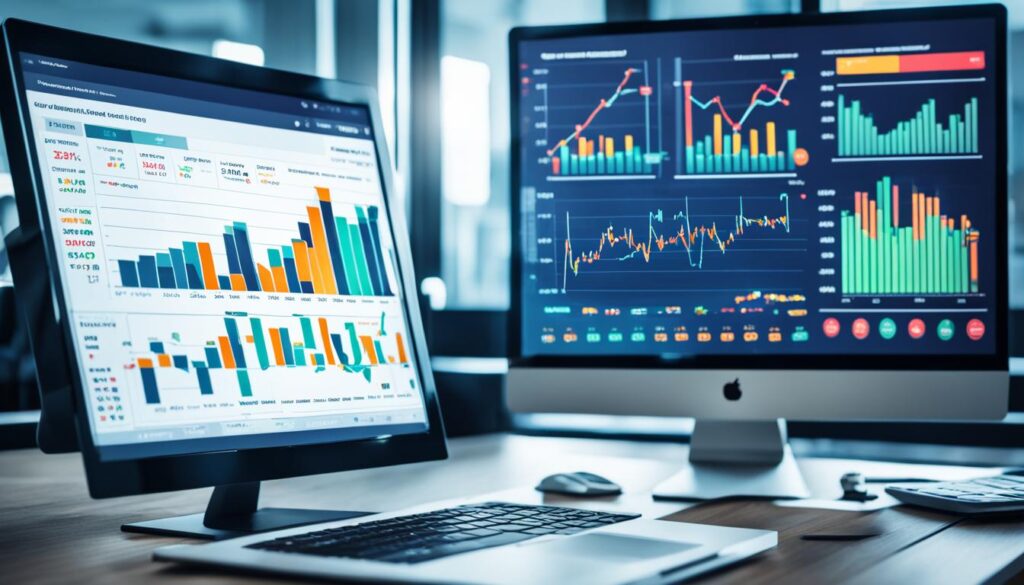
« Automated trading systems can execute trades based on set rules or algorithms without human emotions interfering, reducing the likelihood of emotional decision-making during volatile market conditions. »
Disadvantages of Automated Systems
Automated trading systems have many benefits, but they also have some downsides. One major issue is the need for constant checking and watching. These systems use complex algorithms and software to make trades. But, these can fail due to technical problems like connectivity issues or software bugs.
These technical problems can cause wrong, missing, or extra orders. This can lead to big financial losses.
Another problem is that past performance may not match up with real-world results. Backtesting uses historical data to check a strategy’s potential success. But, markets change fast, and what worked before might not work now or in the future. Traders must watch their automated systems closely and be ready to change their strategies as markets change.
Oversight Needs
Automated trading systems need constant watching to fix tech issues and keep trades running smoothly. Traders should set up strong risk management plans. They should also be ready to step in when needed to lessen the effects of system failures.
Historical vs. Real-World Performance
How well an automated system does in backtesting doesn’t always mean it will do the same in real life. Markets change, and unexpected things can happen. Traders should understand the limits of their automated systems. They should also be ready to tweak their strategies based on real market data.
| Metric | Backtesting Performance | Real-World Performance |
|---|---|---|
| Annualized Return | 15% | 9% |
| Maximum Drawdown | 8% | 12% |
| Sharpe Ratio | 1.2 | 0.8 |
The table shows how real-world performance can be different from backtesting results. Traders need to be ready to adjust their strategies and keep a close eye on their systems. This helps them deal with the challenges of the live market.
Artificial Intelligence in Automated Trading
Artificial intelligence (AI) and machine learning have changed automated trading a lot. AI algorithms look at huge amounts of data fast, find complex patterns, and make quick, precise trading decisions. They learn and adapt, making trading strategies better and keeping up with market changes. This gives automated trading a big edge.
The AI trading market was worth $18.2 billion in 2023 and is expected to almost triple by 2033. This shows how important AI is getting in finance. Now, more traders use algorithmic and high-frequency trading. These methods use computers to make fast trades based on past data or current market info.
AI tools like Portfolio Managers and Trading Robots use advanced methods to find good trading chances. They cut down on research time, make decisions more accurate, and boost productivity by up to 10%. They also automate data collection and risk management, saving firms money.
| AI Trading Technique | Description |
|---|---|
| Data Mining | Compiling and analyzing large volumes of data to identify trends |
| Sentiment Analysis | Analyzing online financial-related activity to go beyond stock market data |
| Real-Time Analysis | Providing actionable insights by analyzing data as it is produced |
| Predictive Modeling | Using historical data to predict future stock market trends |
Top investment firms like Renaissance Technologies and Two Sigma use AI to make great returns. Natural Language Processing (NLP) helps AI systems understand sentiment in lots of data, affecting stock prices. Reinforcement learning algorithms help make trading strategies that work well in changing markets.
The AI trading market is growing fast. Using these advanced technologies in automated trading will be key for firms wanting to stay ahead. They’ll be able to manage risks better and improve how well their portfolios do in a changing financial world.
« AI-powered automated trading systems have the potential to revolutionize the financial industry, delivering unparalleled speed, accuracy, and adaptability in market decision-making. »
Regulatory Challenges and Ethical Considerations
The fast growth of automated trading has brought new rules and ethical issues. Regulators aim to make rules that help innovation and protect investors. They want to keep the market fair and stable. Also, there are ethical problems when automated trading systems use market weaknesses or give unfair benefits. It’s important to solve these issues to keep trust in financial markets.
One big challenge is making rules for automated trading. Regulators must keep up with new tech in algorithmic trading. They need to make sure rules are still good and work well. This is key for dealing with market manipulation, data privacy, and risks from fast trading.
The ethical issues in algorithmic trading are complex. There’s worry that automated systems might use secret trading plans or take advantage of market weaknesses. This could lead to unfair trading and harm the market. Also, using personal data and biased training data in automated trading systems raises questions about privacy and fairness.
« Addressing the ethical challenges posed by automated trading systems is crucial for maintaining trust and transparency in the financial markets. »
To tackle these issues, regulators and experts need to work together. They should make clear rules and ensure algorithms are used responsibly. This could mean more transparency, better checks, and promoting investments that consider the environment, society, and governance (ESG).
The algorithmic trading market is getting bigger, expected to hit $407 billion by 2027. So, we need strong rules and ethical thinking more than ever. By dealing with these problems, the finance world can use automated trading systems well. This will help make the market fair and open for everyone.
Impact on Financial Market Efficiency
Automated trading has changed how financial markets work. It makes markets faster, cheaper, and more open for everyone. This is true for big investors and small ones. But, it also brings new risks, like sudden market drops and the 2010 Flash Crash.
Research shows that automated trading makes markets better and more precise. It uses math to find the best investments and manage risks. These systems look at lots of data fast, helping to make smarter decisions. Algorithmic trading is super fast, cutting down the time it takes for news to change market prices. This means prices update quickly, making the market fair for everyone.
Automated trading has many good points, but we need to keep an eye on it. It can move market prices fast, especially in markets that aren’t very big. So, rules and market players must watch and manage the risks of automated trading closely.
In the end, automated trading’s effect on financial markets is complex. It has made markets faster, cheaper, and more open, but it also brings new challenges. Finding the right balance between these benefits and risks is key. This way, financial markets can keep growing and helping investors and the economy.
Emerging Trends: Robo-Advisors and Blockchain
The future of automated trading looks bright, with new trends set to change the game. Robo-advisors, which offer advice through algorithms, are making investing easier for more people. Also, blockchain technology could make automated trading safer, faster, and more open, cutting down on risks and speeding up transactions.
The Rise of Robo-Advisors
In the past five years, robo-advisors have grown fast. They use machine learning and artificial intelligence to give online advice. Research shows they often beat traditional mutual funds and stock market averages, making them a hit with retail investors.
Robo-advisors stand out because they offer expert advice without the high costs. They charge fees based on how much money you have with them. For small accounts, it’s a monthly fee, while bigger accounts pay an annual fee of 0.25%.
Blockchain in Automated Trading
Adding blockchain technology to automated trading could change everything. Blockchain means trading can be more open, secure, and efficient. It cuts down on risks and makes settling trades faster, making automated trading more reliable and trustworthy.
As robo-advisors and blockchain work together, we might see even more advanced trading solutions. This could change the financial services world for the better.
« The rise of robo-advisors and the integration of blockchain technology are poised to revolutionize the automated trading industry, making it more accessible, transparent, and efficient than ever before. »
Conclusion
Automated trading systems have changed the financial world. They offer many benefits like removing emotions, speeding up trades, and making it easier to diversify portfolios. These systems have changed how markets work.
However, they also have downsides, like mechanical failures and needing constant checks. Yet, the industry keeps getting better, thanks to new tech like artificial intelligence. Trends like robo-advisors and blockchain are also changing things.
The future looks bright for automated trading. It will make markets more efficient, accessible, and stable. Innovations in algorithmic finance will shape the future of automated trading. This will help traders and investors make the most of their opportunities.
The financial world is really taking to these new technologies. This shows how powerful automation can be. It’s making the investment world more advanced and dynamic.
In short, automated trading has brought a new era to financial markets. It’s all about being more precise, fast, and objective. As things keep changing, these technologies will be key. They will make the investment world better and help traders and investors succeed more.