
Keeping your feathered friend clean and healthy is key. It helps prevent health problems and keeps their feathers in top shape. Regular bird grooming is a must. This guide covers everything from safe ways to dry your bird to caring for their beaks and nails. By following these tips, your bird will be happy, healthy, and look great.
Key Takeaways
- Proper bird grooming is crucial for your feathered friend’s well-being.
- Safe toweling techniques and bathing routines help maintain your bird’s feather health and skin condition.
- Wing trimming is a complex decision that requires careful consideration and professional guidance.
- Caring for blood feathers and maintaining beak and nail health are essential for your bird’s overall health.
- Seeking professional grooming assistance is recommended if you’re not comfortable performing certain tasks yourself.
Grooming for Happy and Healthy Birds
Proper bird grooming is key for your bird’s health and happiness. It includes safe toweling and regular baths. Understanding avian grooming helps keep your bird happy and healthy.
Safe Toweling Techniques for Grooming
Towel training helps reduce stress for your bird during grooming and vet visits. Start by introducing the towel slowly and make it a positive experience. This makes grooming sessions calm and comfortable for your bird.
Splish-Splash: Bird Bathing 101
Bathing your bird regularly keeps their feathers healthy and encourages them to preen naturally. You can mist them or use a shallow dish of water. Make sure the water is comfortable for them and adjust the temperature as needed.
Wing Trimming: Is It Right for Your Bird?
Trimming your bird’s wings is a big decision. Some say it’s safer, while others worry about its effect on natural behaviors. Think about the pros and cons and talk to an avian vet before deciding.
The Importance of Caring for Blood Feathers
Blood feathers are very delicate and need special care during bird grooming. Watch their growth and trim them carefully to avoid pain and danger.
Maintaining Beak and Nail Health
Checking and caring for your bird’s beak and nails is crucial. Using the right techniques and tools for beak trimming and nail health keeps your bird comfortable and safe.
Learning about avian grooming helps you care for your bird better. It ensures they are happy and healthy.
Safe Toweling Techniques for Birds
Learning how to use towels safely with birds is crucial. It makes grooming and vet visits easier and less stressful for your bird. But, you must be careful to keep your bird safe and happy during this process.
Some bird owners think toweling isn’t needed with enough training and socializing. But, sometimes birds need to be held back, like when going to the vet or acting out. Knowing how to use towels safely can really help in these situations.
To train your bird to accept toweling, use positive reinforcement and go slow. Birds might be scared of open towels because they think they’re predators. Start by introducing the towel from the bottom and reward them for staying calm. This way, your bird will get used to the towel over time.
- Fledglings can learn to accept being held in a towel by practicing.
- Birds that are overweight or not very active might not like being restrained, so be extra careful.
- For small birds, use two hand-sized towels or a big towel with a cushion for support during grooming.
- Velcro straps can help hold larger birds in place, and it’s best to have two people help with this.
When using a towel, make sure it only touches the bird, not your hands. This prevents suffocation. Don’t keep your bird swaddled for too long to avoid stress. With patience and the right method, you can make toweling a stress-free experience for both you and your bird.
« Proper towel training is essential for the safety and well-being of our avian companions. By mastering these techniques, we can ensure a positive grooming experience for both the bird and the owner. » – Patty Jourgensen, avian health, behavior, and nutrition expert since 1987.
Splish-Splash: Bird Bathing 101
Bathing is key for pet birds to stay healthy. It keeps their avian skin and feather health in top shape. Owners can use a shallow bowl, gentle misting, or special shower perches to bathe their birds.
Techniques for Bathing Your Bird
One way is to give your bird a shallow bowl of lukewarm water. This lets them splash and clean their feathers by themselves. For a gentler option, use a misting bottle to lightly spray your bird, like a soft rain.
If your bird loves water, think about getting a shower perch. These devices fit on your shower or sink. They let your bird bathe safely while you’re in the shower too.
Benefits of Regular Bathing
Bathing your bird often keeps their feathers and skin clean. It’s key for their health. Bathing removes dirt, parasites, and helps keep their feathers and skin healthy. It also makes your bird happy and strengthens your bond.
Choosing a simple bowl, a gentle mist, or a fancy shower perch matters. Regular bird bathing is vital for their health and happiness. It lets them clean and preen, keeping their feathers bright and their skin and feathers healthy.
Wing Trimming: Pros and Cons
The debate on bird wing trimming or wing clipping is complex. It’s important for bird lovers to know the good and bad sides. This helps make choices that keep our birds happy and healthy.
Trimming wings can make a safer space for birds. It lowers the chance of flying into windows or escaping. It also helps during training and makes birds more friendly with people. Plus, clipped wings can protect your home from damage caused by flying birds.
But, there are downsides to wing trimming. Cutting a bird’s avian flight feathers limits its ability to move, find food, and behave naturally. This can lead to feather plucking, more screaming, and health issues like heart disease and fatty liver disease.
| Pros of Wing Trimming | Cons of Wing Trimming |
|---|---|
| Safer environment for birds | Decreased exercise and foraging opportunities |
| Reduced risk of accidents | Potential behavioral issues (feather plucking, screaming) |
| Less damage to household items | Risk of falling and sustaining injuries |
| Potential handling benefits during training | Decreased ability to express natural behaviors |
| Encourages interaction with different people | Decreased ability to express natural behaviors |
Wing trimming doesn’t always keep a bird safe. Strong winds can still carry birds with clipped wings. Also, doing it right and keeping up with care is key to avoid problems like bleeding from cut feathers.
« A severely clipped cockatiel managed to escape and ended up miles away, suggesting that despite wing clipping, birds may still be able to fly considerable distances. »
Deciding to trim a bird’s wings should be thoughtful. Think about the bird’s needs and your ability to keep it safe and happy. Always talk to an expert in birds before trimming wings.
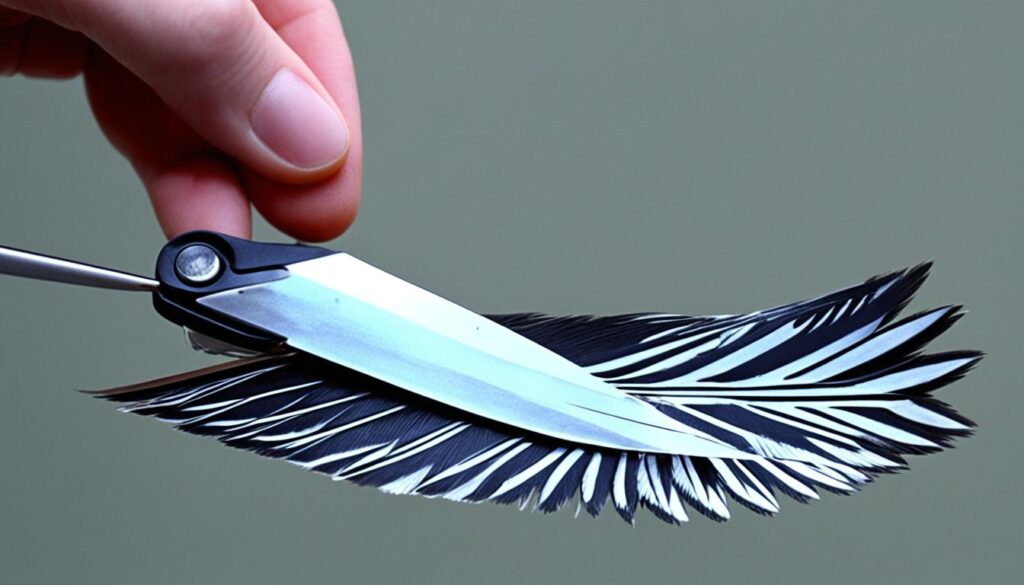
The Importance of Caring for Blood Feathers
As a bird owner, it’s key to know how to care for your bird’s blood feathers. These feathers are new and carry blood that helps them grow. They are very delicate.
If a blood feather breaks, it can be a big problem for your pet bird. Young birds and those losing old feathers are more likely to have this issue. You’ll need special tools like tweezers and gauze to help.
It’s best to see a vet quickly if your bird’s blood feather breaks. This helps your bird heal and avoids more problems. Keeping tweezers and gauze ready can help you handle the situation.
New blood feathers grow quickly to replace broken ones. Adult birds molt feathers several times a year, while young birds lose all their blood feathers at once. Some birds, like cockatiels and ringneck parrots, are more likely to break their blood feathers.
Keeping feathers healthy is key for birds. Feathers help with flying, keeping warm, and protecting from harm. Knowing how to care for blood feathers helps keep your bird safe and healthy.
« Broken blood feathers can be a true emergency for pet birds, potentially leading to fatal outcomes if not addressed promptly. »
bird grooming: Maintaining Feather Health
Keeping your bird healthy and happy means taking good care of their feathers. This includes regular bathing and managing the molting process. A well-groomed bird looks great and feels better too.
Bathing your bird is key to keeping their feathers clean and in line. Birds preen a lot every day to keep their feathers perfect. Sometimes, they need a little help from us to stay clean. A safe bath can remove dirt and excess oil, making their feathers look vibrant.
Molting is when birds shed and replace their feathers. It’s a critical time for them. They might need extra care to grow new feathers strong and healthy. Watching over your bird during molting and feeding them well can help a lot.
Looking after your bird’s feathers takes some effort but is worth it. Regular baths, proper preening, and care during molting keep their feathers in great shape. This helps your bird stay happy and healthy.
Feather Facts
- The average songbird can have around 1,500 to 3,000 feathers, while birds of prey can sport in the region of 5,000 to 8,000 feathers, and larger birds may have up to three times that amount.
- The whistling swan has the most feathers among birds, with approximately 25,000 feathers.
- Birds preen several times a day, often spending hours to keep their feathers in top shape.
- During molting, all feathers are gradually replaced with new ones, a vulnerable time for birds.
Keeping your bird’s feathers healthy is key to their well-being. Regular baths, proper preening, and care during molting help your bird stay happy and well-groomed.
« Feathers exposed to environmental effects like abrasion and ultraviolet light can become dry and brittle, leading to breakage. »
| Feather Type | Description |
|---|---|
| Filoplume | Sensory feathers that provide feedback on feather position and movement |
| Down | Soft, fluffy feathers that provide insulation |
| Body Contour | Feathers that create the smooth, streamlined appearance of a bird’s body |
| Flight Contour | Stiff, strong feathers that provide lift and thrust for flight |
| Semiplume | Feathers that provide insulation and help with the bird’s overall shape |
| Bristle | Stiff, hairlike feathers that protect the eyes and other sensitive areas |
Nail Trimming Techniques
Keeping your bird’s nails trimmed is key to their health. It keeps them comfy and prevents foot injuries. We’ll cover how to prepare your bird for nail trims and the best tools and methods for a safe grooming session.
Preparing Your Bird for Nail Trims
Getting your bird used to nail trims is important for a stress-free experience. Begin by gently touching their feet and toes, giving them treats for positive reinforcement. Then, introduce the trimming tools slowly, letting them get used to the sight and sound. This will make them more comfortable during the actual trimming.
Tools and Methods for Trimming Nails
- Buy nail clippers or scissors made just for birds. Make sure they fit your bird’s nail size.
- Wrap your bird in a soft towel, showing only their feet, to keep them calm and safe.
- Hold your bird’s foot and trim the nail carefully, avoiding the quick (the blood vessel inside).
- Have styptic powder, like Kwik Stop, ready to stop any bleeding if you cut the quick.
- Give your bird a treat after trimming to make the experience positive.
Trimming your bird’s nails regularly is crucial for their comfort and foot health. By using these techniques and the right tools, you can keep your bird’s nails neat and ensure their overall health.
Beak Trimming and Maintenance
A bird’s beak is vital for eating, grooming, and building nests. Keeping your bird’s beak in good shape is key. It’s made of keratin, a protein, similar to our nails and hair. Birds’ beaks grow throughout their lives.
Usually, beaks wear down naturally from activities like digging nests and climbing. But, some birds may have overgrown beaks due to health issues or not using them much. Problems like misaligned beaks or scissor beaks might need a vet’s help.
Only trained pros like avian vets or groomers should trim beaks. This job needs care because the beak has live nerves and blood supply. Cutting it wrong can cause bleeding and pain.
Give your bird chew toys and activities to keep its beak healthy. Playing with toys and chewing can stop beaks from getting too long. In homes, birds might not get enough wear on their beaks, leading to problems. Trimming their nails is also important for their health.
Regular vet visits are key for your bird’s bird beak health and overall health. With the right care, you can keep your bird’s beak trimming and avian beak care in great shape.
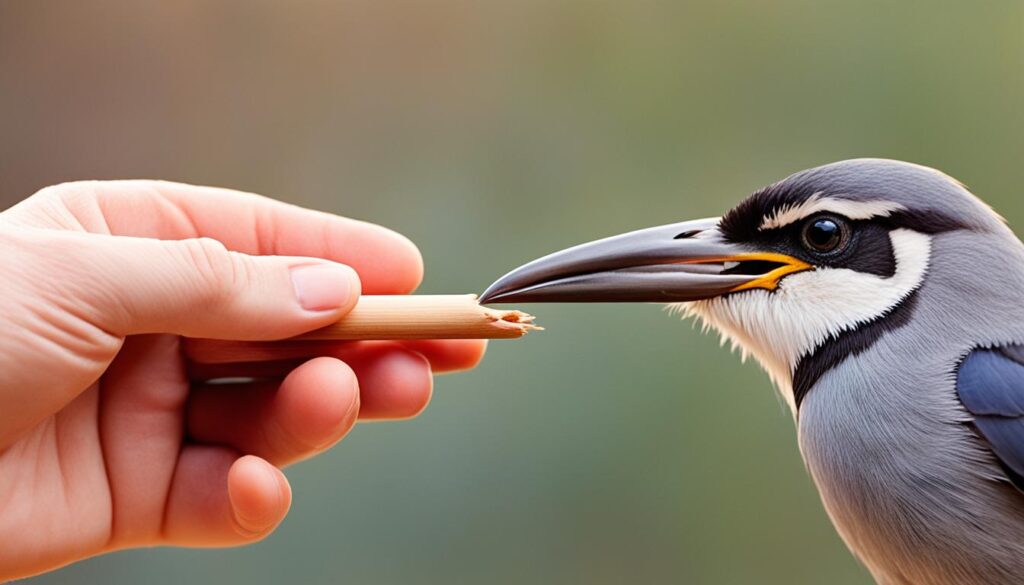
Towel Conditioning for Grooming and Vet Visits
Towel conditioning is a skill that helps reduce stress for your bird during grooming and vet visits. It makes handling and grooming more positive for you and your pet. By getting your bird used to being wrapped in a towel, you can make these experiences easier.
Start by placing the towel in your bird’s cage or on a perch. Let them get used to it at their own speed. Then, wrap the towel around your bird while giving them treats and praise. This makes the towel a positive thing in their mind.
- Introduce the towel gradually, allowing your bird to become comfortable with its presence.
- Wrap the towel lightly around your bird, rewarding them with treats and affection.
- Gradually increase the duration of the towel wrap, always maintaining a calm and positive demeanor.
- Practice towel conditioning regularly, ensuring your bird remains relaxed and cooperative.
By spending time towel training birds, you’ll make grooming and vet visits less stressful. You’ll also improve your bird handling and avian grooming preparation skills. This simple technique is key to your bird’s well-being and your peace of mind.
« Towel conditioning is a game-changer for both birds and their owners. It transforms a potentially stressful situation into a positive experience for all involved. »
| Bird Species | Average Weight (grams) | Wingspan Range (feet) |
|---|---|---|
| Eclectus Parrot | 380-560 | 2-2.5 |
| Amazon Parrot | 300-600 | 1.5-2 |
| Cockatoo | 400-750 | 2-3 |
| African Grey Parrot | 400-650 | 1-1.5 |
The aim of towel conditioning is to make your bird feel good about the towel. This makes grooming and vet visits stress-free for both of you.
Addressing Leg Bands and Potential Issues
Many pet birds wear leg bands, which breeders use to identify and track them. These bands can be useful but can also cause problems if not taken care of. It’s important to know about these issues and how to keep your bird healthy and happy.
Leg rings are put on young birds to help track their breeding and avoid inbreeding. But, some birds like sun conures and Indian Ringnecks might hurt themselves on aluminum leg bands. Also, if the bands don’t fit right, they can hurt and make your bird uncomfortable.
Smaller birds, like budgies and canaries, can get mites from leg bands. These mites can make the bands too tight. If not fixed, leg bands can cause cuts, breaks, dislocations, and even amputations.
| Potential Issues with Leg Bands | Frequency |
|---|---|
| Cuts and lacerations | Common |
| Breaks and dislocations | Moderate |
| Blood flow constriction | High |
| Amputations | Rare |
Avian vets often suggest removing leg bands to avoid these problems. This is usually a simple procedure without anesthesia. Microchips are seen as a safer way to identify birds, placed in the breast muscle and not causing the same risks as leg bands.
Checking your bird’s legs and leg bands regularly can help prevent issues. If you see any signs of pain or injury, see an avian vet right away. They can tell you the best way to take care of your bird’s avian leg health and overall health.
When to Seek Professional Grooming Assistance
We take great pride in caring for our birds, including grooming them regularly. Yet, there are times when avian grooming professionals or an avian veterinarian should be called in. Knowing when to get help is key to keeping your bird safe and healthy.
Beak trimming is one area where expert help is crucial. It’s not a simple task and should only be done for certain reasons like trauma, poor nutrition, or genetic issues. Trying it yourself can lead to big problems, so it’s best to let a avian grooming professional or vet do it.
For complex wing trims, you might need a pro too. While you can trim your bird’s wings yourself, some birds need special care. Getting it right is important to keep your bird safe from accidents.
- More than 50% of flighted birds can escape, crash into windows, or face other hazards without proper wing clipping.
- Small birds usually require 7-10 cut primaries for clipping, while larger species generally need 2-5 feathers trimmed.
If you see any health issues or changes in your bird, see an avian veterinarian. Regular check-ups and care can catch problems early. Even simple tasks like nail trimming can be dangerous for sick birds, so get expert advice.
| Grooming Task | When to Seek Professional Assistance |
|---|---|
| Beak Trimming | Birds with specific conditions, such as trauma, nutritional deficiencies, or genetic abnormalities |
| Complex Wing Trims | Certain body types or specific needs that require the expertise of an avian grooming specialist |
| Nail Trimming | For sick or injured birds, as it can be risky |
| Health Concerns | Any changes in appearance or behavior that warrant an avian veterinarian’s evaluation |
Always put your bird’s health first. Knowing when to get avian grooming services or vet care ensures your bird stays happy and healthy.
Conclusion
Proper bird grooming is key to keeping your feathered friend healthy and happy. Learning safe toweling, bathing, wing trimming, blood feather care, and beak and nail maintenance is important. Always get professional help when needed and keep building a strong bond with your pet through grooming.
Keeping your bird well-groomed makes sure they stay a happy and lively part of your family for many years. Whether you have a parakeet, cockatoo, or another type of bird, following the best bird grooming summary and avian care practices is crucial for their health and happiness.
Adding these key grooming habits to your pet’s routine improves their look and prevents issues like feather plucking, skin infections, and beak/nail problems. With some time and effort, you can ensure your bird looks and feels their best.