
Brazil is known for its strong aircraft safety steps. These steps make sure air travel is safe for everyone. The National Civil Aviation Agency (ANAC) leads in making sure all air travel is safe.
ANAC makes sure all planes meet strict safety rules. They check everything from how planes are made to how they are kept safe. They also watch over pilot training, air traffic control, and airport security.
This makes sure flying in Brazil is safe and secure. Everyone working in aviation follows these strict safety rules.
Key Takeaways
- Brazil’s National Civil Aviation Agency (ANAC) oversees and regulates all civil aviation activities, ensuring safety and fostering a competitive market.
- ANAC sets strict design standards and certification requirements for aircraft to maintain the highest levels of aviation safety.
- Pilot training, air traffic control, airport security, and aircraft maintenance are closely monitored by ANAC to uphold Brazil’s commitment to secure air travel.
- ANAC collaborates with international organizations to achieve unified aviation safety standards and streamline safety oversight procedures.
- Brazil’s in-service fleet of Airbus jetliners has increased by 260% in the past 15 years, showcasing the country’s growing aviation industry.
Understanding Brazil’s Aviation Authority
The National Civil Aviation Agency (ANAC) is in charge of civil aviation in Brazil. It was created in 2005. ANAC makes sure the aviation industry follows strict rules. It gives out licenses, checks aircraft and airports, and works with other countries for safety.
Regulatory Oversight and Responsibilities
ANAC watches over many areas like aircraft design, pilot training, and air traffic control. It makes sure everyone in aviation follows the rules. This includes air carriers and airport operators.
ANAC also handles the licenses for air carriers. It follows rules like RBAC 119, 121, and 135. The agency sets safety standards for all types of air carriers.
« ANAC’s focus is on promoting safety, quality, and compliance within the Brazilian aviation sector. »
ANAC is key to making air travel safe and efficient in Brazil. It helps keep Brazil as a top civil aviation authority worldwide.
Aircraft Safety Regulations Brazil
Brazil’s aviation industry is known for its strict aircraft safety rules. The National Civil Aviation Agency (ANAC) sets the rules for aircraft design and certification. Every part of an aircraft must pass tough tests before it can fly.
Design Standards and Certification
This strict process makes sure all planes in Brazil are safe. It protects passengers and crew. The rules cover things like how planes talk to each other, how they’re kept safe on the ground, and how they’re maintained.
They also set standards for training and licenses for pilots.
- Supplementary Instruction 120-001 gives rules for plane maintenance for companies under the Brazilian aviation rules.
- Aeronautical Command System Regulation 3-3 from the Aeronautics Command sets safety standards to prevent accidents during maintenance.
ANAC’s strict rules make Brazil’s skies some of the safest in the world.
« The comprehensive certification process ensures that all aircraft meeting Brazil’s safety standards are fit for safe operation, providing a high level of protection for passengers and crew. »
Aviation Safety Standards Brazil
Brazil is known worldwide for its strong aviation safety rules. The ANAC (National Civil Aviation Agency) leads this effort. They make sure aviation safety standards Brazil, air travel safety Brazil, and aircraft safety Brazil are top-notch.
Brazil’s safety rules are strict for all aircraft and parts. Companies must follow strict rules to make sure their planes are safe. ANAC watches over this process closely. They also make sure planes stay safe over time, keeping Brazil’s skies very safe.
| Key Aviation Safety Measures in Brazil | Description |
|---|---|
| Pilot Licensing and Training | Comprehensive licensing requirements and ongoing training programs ensure pilots are highly qualified and proficient. |
| Air Traffic Control Oversight | Brazil’s air traffic control system adheres to stringent safety protocols, leveraging advanced technology and robust procedures. |
| Airport Security Measures | Robust passenger screening, runway safety, and facility maintenance protocols safeguard Brazil’s airports. |
| Aircraft Maintenance Standards | Rigorous inspection, overhaul, and repair requirements keep Brazil’s aircraft in optimal condition. |
Brazil puts safety first in aviation, which has made it a leader in safety. This makes passengers trust and believe in Brazil’s safety. The country’s strong focus on aviation safety standards Brazil helps keep air travel safety Brazil and aircraft safety Brazil at its best.
« Brazil’s aviation safety standards are a testament to the country’s unwavering commitment to passenger safety and security. »
Pilot Training Protocols Brazil
In Brazil, making sure planes fly safely is a big deal. The National Civil Aviation Agency (ANAC) has strict rules for pilots. This makes sure pilots are ready to fly safely.
Licensing Requirements
To get a pilot’s license in Brazil, you must train a lot. You’ll need to pass tests on theory, fly well, and be healthy. ANAC makes sure pilots are very skilled before they can fly a plane.
Continuous Training Programs
Training pilots in Brazil doesn’t end after they get their license. They keep learning to stay sharp. They learn about emergencies, working with a team, and new flying tech. This keeps pilots ready for anything.
Brazil’s strict training makes sure pilots are very good. This helps keep flying safe in Brazil. It’s all about making sure pilots are ready to fly safely and professionally.
| Pilot Training Program | Total Hours | Total Cost | Cost per Stage |
|---|---|---|---|
| Captain Program | 206 | $78,500 | 10 x $7,800 |
| US Professional Pilot Program | 206 | $63,500 | 10 x $6,350 |
| CAA UK Pilot Licence | 212 | £89,995 | 10 x £8,999.50 |
| EASA Pilot Licence | 250 | €99,000 | 10 x €9,900 |
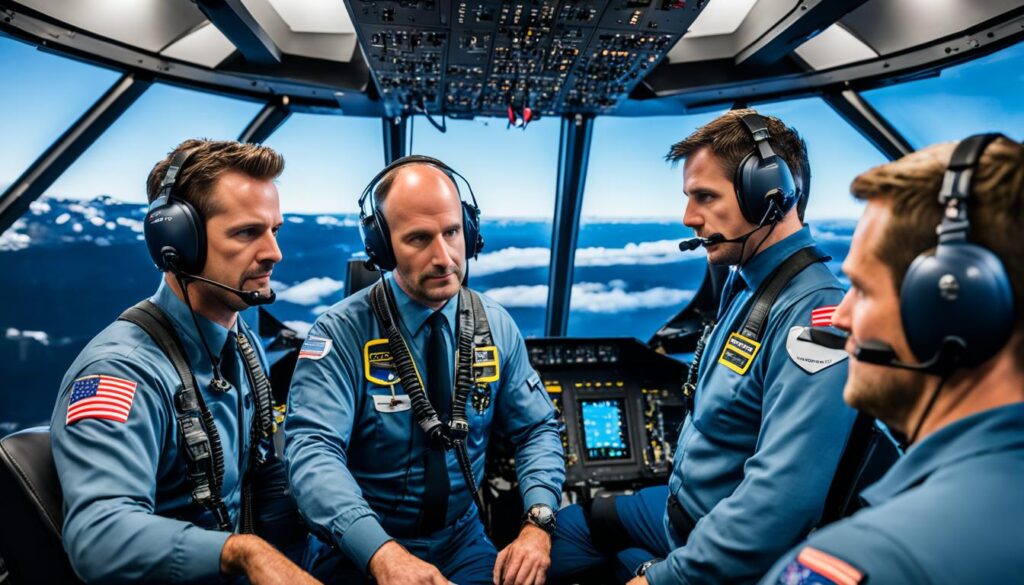
« By investing in the ongoing development of their pilots, Brazilian aviation authorities reinforce the country’s commitment to aviation safety. »
Air Traffic Control Safety Brazil
Air traffic control is key to keeping air travel safe in Brazil. The National Agency for Civil Aviation (ANAC) makes sure air traffic control systems are top-notch. They use the latest technology and train air traffic controllers well. This keeps planes moving safely through the sky.
The Brazilian Air Force (FAB) looks after both civil and military air traffic in Brazil. The Department of Airspace Control (DECEA) is part of FAB. It manages the skies with five teams, each covering a part of Brazil. In 2018, DECEA got a high score from the International Civil Aviation Organization (ICAO) for safety.
Brazil started using Performance Based Navigation (PBN) in 2009. The PBN-South project started in 2017 and helped about 300,000 flights a year. It cut down flight paths and saved a lot of fuel. DECEA plans to do more of this in the northeast and north by 2021.
| Air Traffic Control Regions in Brazil | Flight Information Regions (FIRs) |
|---|---|
| 1. Amazonica | SBAZ FIR |
| 2. Brasilia | SBBS FIR |
| 3. Recife | SBRE FIR |
| 4. Curitiba | SBCW FIR |
Brazil keeps working on making air traffic control better. This helps keep passengers and crew safe. It makes flying in Brazil more secure.
« The International Civil Aviation Organization (ICAO) certified DECEA in March 2018, scoring above 90% adherence to more than 100 protocols for civil aviation safety. »
Airport Security Measures Brazil
Brazil’s airports are known for their strong security steps. These steps make flying in Brazil safe. Everyone going through Brazilian airports will find a detailed check to keep everyone safe.
Passenger Screening Procedures
When you get to the airport, you’ll go through a detailed check. You’ll walk through metal detectors and x-ray machines. This is to find and stop any threats before you get to the safe parts of the airport. Sometimes, you might get a closer check of your bags.
There are strict rules about what you can bring in your bags. You can’t bring sharp things like knives or scissors. These rules help keep everyone safe.
Runway and Facility Safety
The Brazilian aviation authority, ANAC, keeps an eye on the safety of airport runways and facilities. They check and fix these important parts often. This makes sure planes can land and take off safely, and air traffic moves well.
Brazil’s airports focus on keeping everyone safe and secure. They work hard to protect travelers and meet the highest safety standards.
| Airport Security Measures | Passenger Screening Procedures | Runway and Facility Safety |
|---|---|---|
|
|
|
« By prioritizing airport security and infrastructure safety, Brazil’s aviation sector demonstrates a steadfast commitment to protecting air travelers. »
Aircraft Maintenance Requirements Brazil
In Brazil, making sure planes are safe is very important. The National Civil Aviation Agency (ANAC) makes sure of this. They check planes often and do big repairs when needed. This keeps planes safe and reliable for flying.
Routine Inspections and Overhauls
ANAC sets strict rules for plane maintenance. Planes must go through regular checks to spot problems early. These checks include small daily ones and big repairs every now and then. Each step is done carefully to keep flying safe.
| Maintenance Requirement | Interval |
|---|---|
| Routine Inspections | Daily, Weekly, Monthly |
| Major Overhauls | Every 12-24 months |
Following these maintenance rules keeps Brazil’s planes ready to fly. This lowers the chance of problems that could make flying unsafe.
« Brazil’s commitment to aviation safety is unwavering, as demonstrated by its rigorous aircraft maintenance requirements. These measures are crucial in maintaining the reliability and integrity of the country’s air transportation system. »
Airplane Emergency Procedures Brazil
Brazil takes safety in the skies seriously. It goes beyond just rules and buildings. They focus on training for emergencies and teaching crew how to work together. This makes sure everyone knows what to do in different crisis situations.
They teach pilots and crew how to handle engine failures and medical emergencies. This training is key for safety.
At the core, they use CRM training. This means teaching crew to talk and work well together. It helps them make quick, smart decisions in emergencies.
Crew Resource Management Training: A Crucial Component
CRM training is a big deal for ANAC. It teaches crew skills like:
- Effective communication and sharing info
- Working together to solve problems
- Leading and managing a team
- Knowing what’s happening and managing risks
- Handling stress and workload
This training helps crew in Brazil deal with airplane emergency procedures Brazil confidently. It keeps passengers safe in emergencies.
« Crew resource management training is a crucial component of our aviation safety protocols, as it empowers our pilots and cabin crew to work together seamlessly and respond effectively to any unexpected situations that may arise during a flight. »
This way of handling emergencies shows Brazil’s strong commitment to safety. It makes Brazil a leader in aircraft emergency response Brazil.
Passenger Safety Guidelines Brazil
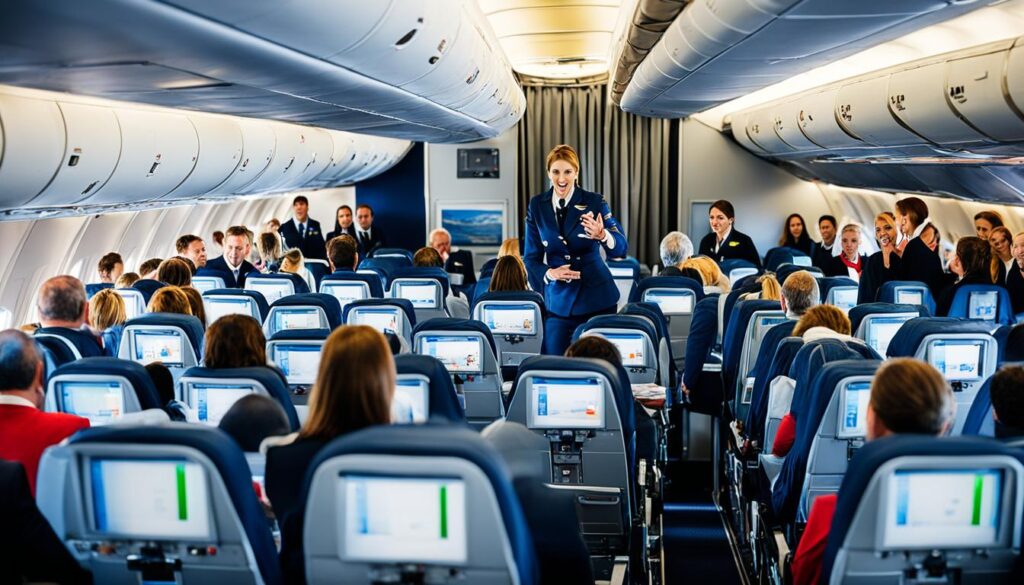
In Brazil, making sure passengers are safe is very important. The National Civil Aviation Agency (ANAC) sets strict safety rules for airlines. These rules include giving passengers safety briefings before the flight starts.
Before the flight, passengers learn about emergency steps, how to use seat belts, and other key safety tips. This helps them help keep themselves safe during the flight.
Preflight Briefings and Instructions
Before the plane takes off, the crew gives passengers safety info. They teach how to use seat belts, find exits, and use masks and vests in an emergency. The crew also tells passengers to listen to their instructions and know the plane’s safety features.
This shows Brazil’s commitment to keeping air travelers safe. By giving these briefings, passengers know what to do in an emergency. This makes sure they stay safe and secure during the flight.
| Passenger Safety Measures in Brazil | Description |
|---|---|
| Preflight Briefings | Detailed instructions on emergency procedures, seat belt usage, and safety features |
| Crew Directives | Passengers must follow the instructions of the flight crew during the flight |
| Familiarization with Aircraft | Passengers are encouraged to understand the safety features of the aircraft |
With these passenger safety guidelines, Brazil’s airlines make sure everyone on board is safe. They help passengers take an active part in their safety during flights.
Aircraft Safety Measures Brazil
Brazil’s aviation industry is very serious about safety. It follows strict rules for designing and testing planes. The National Civil Aviation Agency (ANAC) makes sure pilots are well-trained and air traffic control is top-notch.
A recent crash of an ATR 72 plane in Sao Paulo was very sad. It killed all 61 people on board, including 57 passengers and 4 crew. This was the worst plane crash in Brazil in a long time.
The Brazilian air force is looking into why the plane crashed. They found that the pilots didn’t answer air traffic control or report bad weather. The plane was falling very fast before it crashed.
Even after this sad event, Brazil is still very focused on keeping flying safe. The country keeps updating its safety rules and training for pilots. This makes Brazil a leader in keeping air travel safe.
« Safety is the most important thing in flying, and Brazil shows it by always working to keep everyone safe. »
The world is watching as Brazil investigates the crash. They want to make flying even safer for everyone. Brazil’s strong focus on safety shows its dedication to keeping air travel safe for all.
Conclusion
Brazil is very serious about keeping planes safe. This shows how much the country cares about keeping air travel safe. The National Civil Aviation Agency (ANAC) works hard to make sure Brazil leads in aircraft safety measures and aviation safety.
They make sure planes are safe by checking their design and training pilots well. They also have strong air traffic control and security at airports. And they keep planes in good shape through maintenance programs.
Brazil keeps improving its aviation safety. This makes people feel safe when they fly in or out of Brazil. It’s a role model for other countries to follow.
As Brazil grows its aviation, it will keep focusing on aircraft safety measures, aviation safety, and air travel safety. This will help the aviation sector grow and make Brazil a safe place for flying.
FAQ
What is the role of the National Civil Aviation Agency (ANAC) in Brazil’s aviation industry?
What are the key aspects of Brazil’s aircraft safety regulations?
How does Brazil ensure the safety of its aviation industry?
What are the key aspects of pilot training and licensing in Brazil?
How does Brazil ensure the safety of its air traffic control systems?
What security measures are in place at Brazil’s airports?
What are the aircraft maintenance requirements in Brazil?
How does Brazil ensure the safety of airplane emergency procedures and crew resource management?
What passenger safety guidelines are in place in Brazil’s aviation industry?
Source Links
- Aviation Authority: Brazil
- Airbus in Brazil
- Newsroom
- Aviation Laws and Regulations Report 2024 Brazil
- Brazil – Civil Aviation
- An overview of Brazilian Airport security
- Aircraft regulation in Brazil
- Microsoft Word – RAAC12_WP27 BRA SGSORev.doc
- Brazil Bilateral Aviation Safety Agreement – Executive Agreement
- USA – Brazil Implementation Procedures for Airworthiness, Combined Revision 2 and Amendment 1
- How to be a Pilot in Brazil – Wings Airline Academy
- Brazilian Air Force Oversees National Air Traffic Control – Diálogo Américas
- Brazil Overflight Permits | https://permit2fly.com
- Brazil Changes Nav Fee & Permit Rules – Universal® Operational Insight Blog
- Brazil – Safety and Security
- At the airport | Flight safety
- Safety and security – Brazil travel advice
- Aviation in Brazil
- Implementation procedures – Brazil
- Aircraft Maintenance Technician – Brazil, (CERT)
- Plane crashes in Brazil’s Sao Paulo state, killing all 61 aboard, airline says
- 21 Dos and Don’ts to Travel Safe in Brazil – Caroline Rose Travel
- Brazil Travel Advisory
- Brazil International Travel Information
- Plane crashes in Brazil’s Sao Paulo state, killing all 61 aboard, airline says
- Plane crashes in Brazil’s Sao Paulo state, all 61 on board killed
- 61 killed after plane crashes in Brazil, officials say. Video shows aircraft plummeting.
- Conclusion