« The best way to predict the future is to create it. » – Peter Drucker
Start an amazing journey to Morocco, where old traditions meet modern sights. You can explore Marrakech’s busy markets, the Atlas Mountains, or the peaceful Sahara Desert. This guide has all the tips you need for a great trip in 2023.
It covers how to get around, where to stay, and what to know about the culture and food. Dive into the lively culture, find hidden spots, and make memories that will stay with you forever.
Key Takeaways
- Morocco offers a captivating blend of ancient history, vibrant culture, and stunning natural beauty.
- The best time to visit Morocco is during the spring and fall seasons, with average temperatures around 70°F.
- Visitors from the US, Canada, UK, EU, and other countries can stay in Morocco for up to 90 days without a visa.
- Morocco features a diverse range of transportation options, including trains, buses, taxis, and domestic flights.
- Understanding local customs and etiquette, such as modest dress and tipping, is crucial for a respectful and enriching travel experience.
Getting to Morocco
Getting to Morocco is easy with many flight options from the US. The main airports are Casablanca (CMN) and Marrakech (RAK). Airlines like Royal Air Maroc, American Airlines, Delta, and Emirates fly there.
Flights to Morocco from the United States
US travelers can find direct flights to Morocco’s big airports. Flights from New York, Los Angeles, and Washington, D.C. take 6 to 12 hours. Prices start around $700 for economy class, depending on the season and airline.
Entry Requirements and Travel Regulations
Most travelers from the US, Canada, the UK, EU, Australia, and New Zealand don’t need a visa for up to 90 days. But, always check the latest entry requirements and travel regulations as they can change. You’ll also need a passport with 6 months validity left.
| Visa Requirements for Select Countries | Visa Needed | Visa-Free Stay |
|---|---|---|
| United States | No | Up to 90 days |
| Canada | No | Up to 90 days |
| United Kingdom | No | Up to 90 days |
| European Union | No | Up to 90 days |
| Australia | No | Up to 90 days |
| New Zealand | No | Up to 90 days |
The visa processing time for Morocco is 24 to 72 hours. Plan ahead. Always check with the Moroccan embassy or consulate for the latest on entry rules.
Determining Your Morocco Itinerary
Deciding how long to spend in Morocco is key. A week or two gives you a taste of the country. But, 10 to 14 days lets you dive deep into its landscapes and culture. Start by looking at the top morocco travel destinations. These include the busy cities of Casablanca, Fes, and Marrakech, each with its own special charm.
How Much Time to Spend in Morocco
The right amount of time in Morocco depends on what you like and how much you want to see. Here are some tips:
- 7-10 days: This is enough to see big morocco city guides like Marrakech, Fes, and Essaouira, plus the beautiful Sahara Desert.
- 10-14 days: With more time, you can explore more of the country. This includes the Atlas Mountains, coastal towns, and hidden gems.
- 2-3 weeks: For a full experience, spend 2-3 weeks. This lets you soak in the history, culture, and natural beauty of Morocco.
Remember, travel times between places can be long due to Morocco’s size and varied landscapes. Give yourself enough time to enjoy each spot for a better trip.
Morocco City Guides
Plan to spend time in Morocco’s exciting cities. Here’s a brief look at some top morocco travel destinations:
| Destination | Highlights |
|---|---|
| Casablanca | The economic and cultural heart of Morocco, known for its stunning modern buildings and the famous Hassan II Mosque. |
| Fes | The spiritual and intellectual center of Morocco, known for its medieval medina, lively souks, and traditional crafts. |
| Marrakech | The vibrant « Red City, » famous for its Jemaa el-Fnaa square, beautiful palaces, gardens, and art. |
Visiting these and other morocco travel destinations will help you understand Morocco’s rich past and present.
Best Time to Visit Morocco
Planning your Moroccan trip depends on what you like and where you want to go. Spring (March to May) and fall (September to November) are the best times to visit Morocco. These seasons have mild weather and not too many people, making your trip better.
Weather in Morocco and When to Go
Morocco’s weather changes a lot during the year and in different places. Summer (June to August) gets very hot, especially in the south, with temperatures over 90 degrees Fahrenheit. Most desert camps in the south close because it’s too hot. But, cities like Casablanca and Rabat are cooler and popular in summer.
The winter months (December to February) are cool and rainy in the north and northwest. This is a great time to visit the High Atlas Mountains. The weather is nice, and there are fewer people.
Spring and fall are when Morocco is at its best. The weather is just right, between 70 to 80 degrees Fahrenheit. Spring also brings beautiful wildflowers in the mountains, making the season magical.
| Season | Best Destinations | Weather Considerations |
|---|---|---|
| Spring (March-May) | Marrakech, High Atlas Mountains | Mild temperatures, minimal rainfall, blooming wildflowers |
| Summer (June-August) | Coastal cities like Casablanca and Rabat | Very hot temperatures, especially in the south, desert camps closed |
| Fall (September-November) | Marrakech, High Atlas Mountains | Mild temperatures, fewer crowds, good for hiking and exploring |
| Winter (December-February) | High Atlas Mountains | Cooler temperatures, chance of rain and snow in the mountains |
The Islamic holy month of Ramadan might change some business and restaurant hours. So, keep an eye on the dates when planning your Morocco trip.
« Morocco is a country that has something to offer every kind of traveler, regardless of the season. The key is to research the weather patterns and plan your trip accordingly to make the most of your Moroccan adventure. »
What to Pack for Morocco
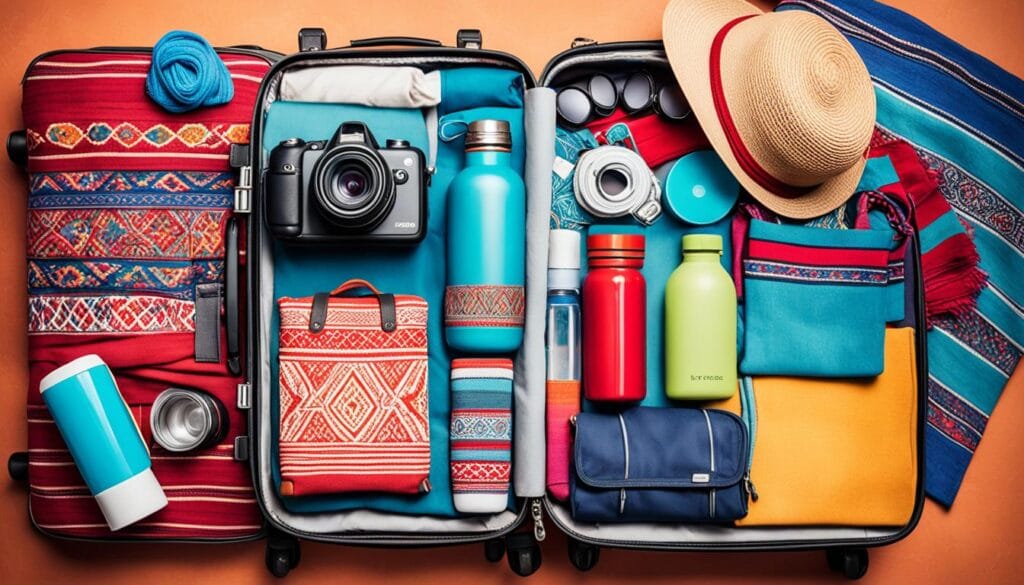
When packing for Morocco, think about the climate and cultural rules. Choose light, breathable clothes that you can layer. This is key for the changing weather. Also, pack clothes that cover your shoulders and knees. This is the respectful way to dress in Moroccan cities and at cultural sites.
Essential Packing List for Morocco
- Comfortable walking shoes or sandals – Morocco has a lot of walking, so pick shoes that can handle it.
- Sun protection items like a wide-brimmed hat, sunglasses, and high-SPF sunscreen – Morocco is sunny, so protect your skin.
- A lightweight, breathable jacket or duster for layering – The weather can change, especially at night and in the mountains.
- Loose, flowy tops and bottoms – Choose clothes that let you stay cool and keep your shoulders and knees covered.
- A small, cross-body bag or fanny pack – This keeps your stuff safe when you’re out and about.
- A reusable water bottle – Drink plenty of water to stay hydrated in Morocco’s warm weather.
- Earplugs – The call to prayer can happen many times a day, so earplugs help you sleep well.
- Swimsuit – If you plan to visit beaches or hotel pools in Marrakech, don’t forget your swimsuit.
Remember, packing for Morocco means focusing on light, modest, and versatile clothes. These can be mixed and matched for different outfits. With these tips, you’ll be ready to enjoy Morocco’s culture and beauty.
| Item | Rationale |
|---|---|
| Comfortable Walking Shoes | Morocco has a lot of walking, so good shoes are a must. |
| Sun Protection | With its sunny weather, don’t forget your hat, sunglasses, and sunscreen. |
| Lightweight Jacket | Evenings and high places can be cooler, so a light jacket is handy. |
| Loose, Flowy Clothing | Choose clothes that are airy and cover up, as it’s respectful in Moroccan cities. |
| Cross-Body Bag | A small bag keeps your things safe in crowded places. |
With the right items, you’ll be ready for Morocco’s climate and culture. This ensures a comfortable and memorable trip.
Language and Communication
When you visit Morocco, knowing the languages spoken is key. The main languages are Modern Standard Arabic and Standard Moroccan Berber. But, Moroccan Arabic and various Berber dialects are what most people speak.
French is also common, especially in tourism. But, not many Moroccans speak English. Learning some basic Moroccan Arabic can really help you connect with locals.
Here’s a quick look at the languages in Morocco and how to communicate:
- Moroccan Arabic (Darija): Darija is the main language, spoken by most people.
- Berber (Amazigh): About 40% speak a Berber dialect, mainly in mountains and deserts.
- French: A third of Moroccans speak French, thanks to historical ties with France. It’s used in business and schools.
- Spanish: Near the Spain border, about 5% speak Spanish.
- English: English is less common, but more tourism workers are learning it.
| Language | Percentage of Speakers | Primary Regions |
|---|---|---|
| Moroccan Arabic (Darija) | Majority | Nationwide |
| Berber (Amazigh) | 40% | Mountainous and desert areas |
| French | 33% | Casablanca, Rabat, and business settings |
| Spanish | 5% | Northern regions near Spain |
| English | Limited, but growing in tourism | Primarily in the tourism industry |
To enhance your Moroccan trip, learn basic Moroccan Arabic phrases. Say « hello » (Salaam), « thank you » (Shokran), and « how much » (Bsh’hal). These simple words help connect with locals and make your visit more meaningful.
« In Morocco, communication isn’t just about words. It’s also about body language, gestures, and understanding the culture. Embracing this approach will make your journey richer and help you connect deeply with the people. »
Morocco Travel Tips
Visiting Morocco for the first time can be thrilling yet a bit daunting. Here are some tips to make your trip smooth and fun:
- Be ready to negotiate prices in local markets and souks. Haggling is a big part of Moroccan culture, so don’t hesitate to negotiate for a good deal.
- Wear modest clothing to show respect for the local culture. Covering your shoulders and knees is a good rule of thumb since most Moroccans are Muslim.
- Watch out for scams and pickpockets, especially in crowded places. Keep an eye on your things and don’t show off expensive items.
- Have small bills and coins for tips and small purchases. Tipping is common in Morocco, so having some change ready is helpful for servers, guides, and others who serve you.
- Be ready for surprises, as they often lead to the best experiences in Morocco. Embrace the vibrant culture by trying new foods, talking to locals, and exploring hidden gems.
It’s good to know that Morocco is generally safe for visitors, but it’s smart to stay alert and respect local customs. This way, you’ll have a trip you’ll always remember.
« The best way to find yourself is to lose yourself in the service of others. » – Mahatma Gandhi
Being open-minded and respectful is key to connecting with locals and diving into Morocco’s rich culture.
To have a great time in Morocco, be prepared, flexible, and open to new experiences. Follow these tips, and you’ll make memories that will last a lifetime in this enchanting country.
Money and Currency in Morocco
Exploring Morocco means knowing about its money and financial scene. The official currency is the Moroccan Dirham (MAD), split into 100 centimes. You’ll find banknotes in 20, 50, 100, and 200 dirhams, and coins in 1, 2, 5, and 10 dirhams, plus 10, 20, and 50 centimes.
Many places, like the busy souks and small shops, only take cash. So, it’s smart to have Moroccan dirhams ready for when you need to pay. ATMs, called guichets automatiques, are easy to find and give good exchange rates for travelers.
Credit cards like Visa and MasterCard work in big hotels, restaurants, and malls. But, it’s best to have cash and cards with you. American Express, Diners Club, and Discover are not as common. Traveler’s checks can be hard to exchange, so cash is usually preferred.
| Denomination | Moroccan Dirham (MAD) |
|---|---|
| Banknotes | 20dh, 50dh, 100dh, 200dh |
| Coins | 1dh, 2dh, 5dh, 10dh, 10 centimes, 20 centimes, 50 centimes |
The Moroccan dirham isn’t traded worldwide, which means fewer places to exchange money and stable exchange rates. Euros are easiest to exchange, followed by U.S. dollars and British pounds, but they’re less accepted.
Prices might go up during busy times like after Ramadan or holidays. Knowing about the currency and how to pay makes traveling in Morocco easier and more confident.
« The dirham is not traded internationally, leading to limited options for money exchange and relatively stable exchange rates. »
Getting Around Morocco
Morocco has many ways to get around, each with its own perks. You can choose from trains, buses, taxis, or domestic flights. Each option has its own benefits.
Trains
The train network in Morocco is reliable and connects big cities like Tangier, Marrakesh, Casablanca, and Rabat. It’s a comfy and budget-friendly way to travel. The « Al Boraq » train goes super fast, up to 320 km/h, making it great for long trips. You can pick from first-class and second-class tickets, depending on what you want.
Buses
Buses are a favorite for traveling around Morocco. Companies like CTM and Supratours cover many places, even where trains don’t go, like Chefchaouen. CTM has a « luxe » option with more room and Wi-Fi. Supratours makes it easy to switch from train to bus.
Taxis
In cities, you can use petit taxis for short rides or grand taxis for longer trips between cities. Petit taxis have meters and are good for short distances. Grand taxis are cheaper for longer trips. A short ride costs Dh7 by day and Dh10 at night, while a trip between cities is about Dh50.
Domestic Flights
Domestic flights are quick for traveling far. Royal Air Maroc and Air Arabia Maroc fly between major cities fast. For example, Marrakesh to Errachidia is just an hour by air but eight hours by bus. A flight from Casablanca to Laayoune takes an hour and three-quarters, much faster than the 19 hours by bus.
| Transportation Option | Advantages | Considerations |
|---|---|---|
| Trains |
- Comfortable and affordable
- High-speed « Al Boraq » option available
- Connects major cities
- Limited to certain cities with train stations
- Potential for delays or cancellations
| Buses |
- Comprehensive network reaching more destinations
- Luxurious « CTM Luxe » option available
- Coordinated with train arrivals
- Can be slower and more crowded than trains
- Luggage storage costs may apply
| Taxis |
- Convenient for short trips within cities
- Shared grand taxis for longer inter-city travel
- Relatively affordable
- Negotiation of fares may be required
- Availability may be limited in smaller towns
| Domestic Flights |
- Fastest way to cover long distances
- Convenient for reaching remote destinations
- Several airlines like Royal Air Maroc and Air Arabia Maroc
- More expensive than other transportation options
- Limited flight schedules and routes
Whether you like trains, buses, taxis, or flights, Morocco has options for you. Each has its pros and cons. This helps you plan your trip easily.
Dressing Appropriately in Morocco
Planning your trip to Morocco means thinking about what to wear. There’s no strict dress code, but it’s wise to dress modestly. This is especially true when visiting religious sites or rural areas.
Women should wear clothes that cover the shoulders, chest, and knees. This includes long pants, skirts, and tops that are not too revealing. A scarf or shawl is handy for extra coverage. In places like Marrakech, the dress code is more relaxed, but still, modesty is key.
Men should avoid clothes that show too much skin or are torn. Choose long pants and shirts that cover the shoulders. A long-sleeved layer can be useful for cooler moments.
Think about the weather when packing for Morocco. In summer, go for lightweight, breathable fabrics like cotton and linen. In winter, layer with sweaters and jackets to stay warm.
Even in tourist spots, it’s important to respect local customs. This ensures a respectful and meaningful visit to Morocco.
Key Packing Tips for Morocco
- Long pants, maxi skirts, or dresses that cover the knees
- Lightweight, long-sleeved tops or tunics
- Scarves or shawls to cover up when necessary
- Comfortable, closed-toe shoes for exploring
- Sunglasses, hats, and sunscreen to protect from the sun
- Layering pieces for cooler weather in the winter
Dressing right and respecting the culture lets you dive deep into Moroccan life. You’ll make memories that last a lifetime.
« In the 80s, Tangier was a liberal little corner of Morocco where people dressed in various ways from long robes and dresses to shorts and bikinis. »
Accommodations in Morocco
Finding the perfect place to stay in Morocco is easy with its diverse options. You can choose from traditional riads or modern hotels. There’s something for every traveler’s taste and budget.
Riads and Hotels
Riads are historic Moroccan houses with beautiful inner courtyards. They offer a unique cultural experience. Located in the medinas, these places let you enjoy traditional architecture and Moroccan hospitality.
For those who like modern comforts, Morocco has many hotels. They range from budget-friendly to luxurious. These hotels offer great facilities, excellent service, and are in convenient spots.
| Accommodation Type | Price Range | Key Features |
|---|---|---|
| Riads | Moderate to Expensive | Traditional Moroccan houses with inner courtyards, located in historic medinas |
| Hotels | Budget to Luxury | Modern facilities, excellent service, and convenient locations |
| Hostels | Inexpensive | Dorm-style accommodations, great for solo travelers on a budget |
| Surf Camps | Moderate | Specialized accommodations for surfing enthusiasts, often located near the coast |
It’s important to book your stay early, especially in summer or during holidays. Morocco offers many where to stay in morocco, morocco accommodations, riads in morocco, and hotels in morocco options. You’ll easily find the perfect spot for your trip.
Top Destinations and Activities
Morocco is full of amazing places, each with its own special charm. You can explore busy cities, dive into history and culture, or see beautiful nature. Morocco makes sure your trip is one you’ll always remember.
Casablanca: A Blend of Modernity and Tradition
Casablanca, Morocco’s biggest city, mixes old and new in a cool way. Check out the huge Hassan II Mosque, one of the biggest mosques in the world. Then, head to the lively Mohamed V Square and learn about the Moroccan Jewish history at the Museum of Moroccan Judaism.
Fes: The Spiritual and Cultural Heart of Morocco
Fes is Morocco’s spiritual and cultural center. It’s a place you’ll find hard to forget. Walk through the medieval medina, a UNESCO site, with its narrow streets and old buildings. See the Royal Palace with its beautiful tiles and fancy design. Don’t miss the Madrasa Bou Inania, a beautiful example of Islamic architecture in Morocco.
Marrakech: The Enchanting Imperial City
Marrakech is a city that will capture your heart. It’s full of life and beautiful sights. Be in the Jemaa el-Fnaa square to see street acts, local crafts, and smell spices. Check out the Bahia Palace, a true work of art, and wander through the souks to find unique items and tasty food.
« Morocco is a kaleidoscope of culture, history, and natural beauty. From the bustling medinas of Fes and Marrakech to the serene Sahara Desert, every destination offers a unique and enchanting experience. »
Cultural Considerations
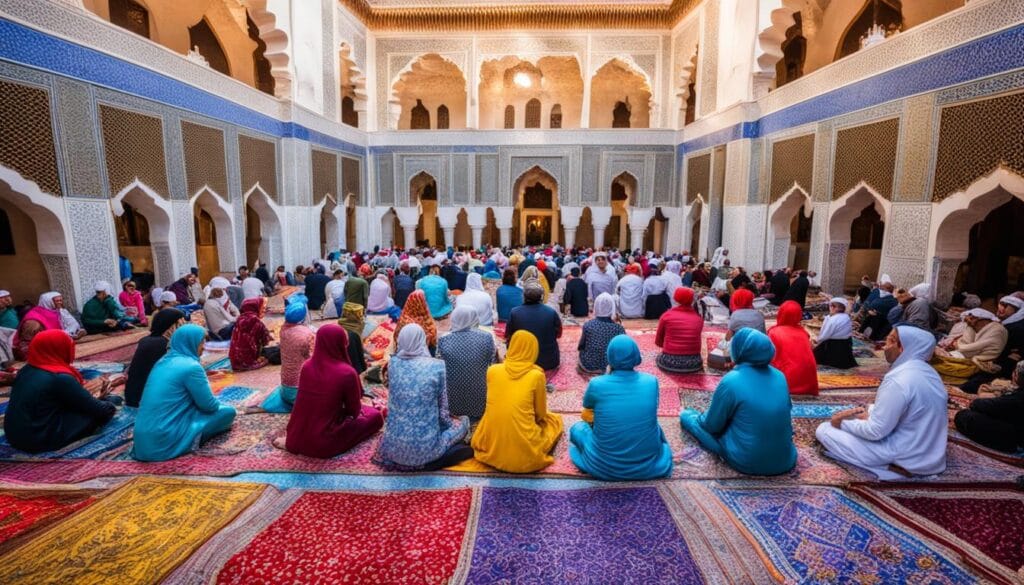
Exploring Morocco’s rich culture and traditions is key to a great trip. The country’s main religion is Islam, so it’s important to respect its customs and practices. The holy month of Ramadan is a big deal, with fasting, spiritual reflection, and community events for Muslims.
Religious Holidays
During Ramadan, many businesses like restaurants and cafes have shorter hours or close during the day. Travelers should plan their days and meals with this in mind. Also, wearing modest clothes and acting respectfully is a must, especially when visiting places like mosques.
There are other important holidays in Morocco too. These include Independence Day, Labor Day, Throne Day, and Green March Day. Knowing about these can help visitors plan their trips better.
| Holiday | Date | Significance |
|---|---|---|
| Ramadan | Varies annually | The holy month of fasting and spiritual reflection for Muslims |
| Independence Day | November 18 | Celebrates Morocco’s independence from France and Spain |
| Labor Day | May 1 | Honors the contributions of workers and the labor movement |
| Throne Day | July 30 | Commemorates the accession of the Moroccan monarch to the throne |
| Green March Day | November 6 | Marks the 1975 peaceful march to claim the Western Sahara |
Learning about Moroccan culture and religious events helps travelers have a respectful and enjoyable trip. It lets them dive deep into the country’s unique heritage.
Conclusion
This Morocco travel guide has given you all you need to plan an amazing trip. It covers how to get there and how to dive into the culture. You’re now ready for an unforgettable Moroccan adventure.
Morocco has something for everyone, from lively cities to peaceful landscapes. It’s a place that will stick with you. With many places to stay and things to do, planning your trip is easy.
So, get your bags ready and dive into Morocco’s unique charm. This journey will awaken your senses and give you memories to cherish. Morocco is waiting to enchant you with its timeless beauty.