
In today’s world, the chase for perfect looks is a big deal. It’s a chase that can hurt a lot of people. The constant push to look a certain way can really mess with your mind. It can make you feel bad about yourself and affect your happiness.
But just how big of a deal is this? And how does it really affect us? Let’s dive into this and find out.
Key Takeaways
- Modern beauty standards have become increasingly narrow and unattainable, leading to widespread psychological distress.
- Societal pressure to conform to these ideals can contribute to the development of mental health issues, such as depression and anxiety.
- The rise of social media has amplified the influence of these beauty standards, further exacerbating body image concerns.
- Understanding the historical evolution and cultural differences in beauty perceptions is crucial to addressing the negative impact of these standards.
- Promoting body positivity and healthy self-image can empower individuals to resist the damaging effects of unrealistic beauty norms.
Understanding Modern Beauty Standards and Their Psychological Effects
Beauty ideals have changed a lot over time. They reflect the culture and society of each era. From the big figures in Renaissance art to the skinny looks of the 20th century, beauty has been shaped by many cultural norms and societal expectations.
Historical Evolution of Beauty Ideals
In ancient times, beauty meant fertility and status. In the Middle Ages, being pale was seen as a sign of wealth. The 19th century brought the « Gibson Girl » look, with her full curves and soft face.
As the 20th century went on, beauty became more about being athletic and androgynous. This led to the « heroin chic » trend of the 1990s.
Current Beauty Paradigms in Society
Now, social media, fashion, and ads shape our beauty ideals. This creates a complex web of societal norms that deeply affects us. Seeing perfect, edited images all the time has led to body dysmorphia and unrealistic hopes, especially among the young.
Psychological Impact Framework
It’s key to understand the psychological impact of today’s beauty ideals. This helps tackle self-esteem, body image, and mental health issues. By seeing how cultural norms, media, and our views interact, we can work towards a healthier, more inclusive beauty and self-care approach. Check out more on beauty and self-care here.
The Role of Social Media in Shaping Beauty Perceptions
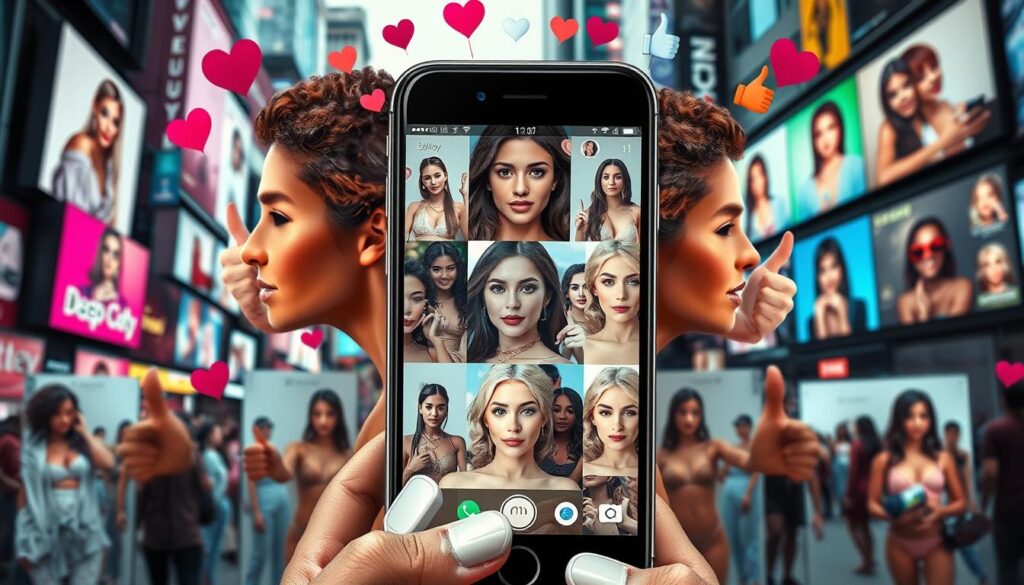
In today’s world, social media greatly influences how we see beauty. Sites like Instagram and TikTok change how we view beauty. They show us perfect images and allow us to make our own idealized versions.
This constant exposure can harm our self-image and mental health. Social media influence can make us feel bad about our bodies and ourselves. It creates beauty standards that don’t match the real world.
- The rise of « influencers » pushes a narrow beauty standard, making us feel less than.
- Filters and editing tools make everyone look perfect, distorting our views of beauty.
- Comparing ourselves to these perfect images can lead to depression and anxiety.
As social media grows, we must think about its effect on beauty. We need to show more diverse beauty online. By challenging these unrealistic standards, we can help everyone feel better about themselves.
| Platform | Impact on Beauty Perceptions | Key Concerns |
|---|---|---|
| Promotion of highly edited, curated images of beauty | Increased body dissatisfaction, low self-esteem | |
| TikTok | Viral trends and challenges related to physical appearance | Pressure to conform to specific beauty standards, mental health issues |
| YouTube | Influencer-driven beauty content and tutorials | Unrealistic expectations, promotion of harmful beauty practices |
« Social media has become a powerful tool in shaping our perceptions of beauty, often perpetuating unrealistic standards that can have a detrimental impact on our mental health and well-being. »
Impact of Beauty Standards on Mental Health and Self-Esteem
The push to meet unrealistic beauty standards deeply affects mental health and self-esteem. Studies link these standards to depression, anxiety, and body dysmorphia.
Depression and Anxiety Correlations
Those who don’t meet beauty ideals often feel depressed and anxious. Self-criticism and feeling not good enough harm mental health. People unhappy with how they look are more likely to face mental health problems like depression and anxiety.
Body Dysmorphia Development
Body dysmorphia is a serious issue caused by chasing beauty standards. It makes people obsessed with flaws in their appearance, causing distress. Seeing unattainable beauty ideals can make this condition worse.
Self-Worth and Identity Issues
Focus on looks can hurt self-esteem and identity. People who think their worth is in their looks struggle to find self-worth. They find it hard to see themselves beyond how they look.
It’s key to tackle the mental side of beauty standards to improve well-being. We need a society that values diversity and sees everyone’s worth, no matter how they look. By promoting self-acceptance and mental health, we help people build a strong self-image and overcome societal pressures.
Cultural Differences in Beauty Standards Worldwide
Beauty standards vary greatly across cultures. In America, a slim, youthful look is often ideal. But, other cultures have different cultural norms for beauty.
In Africa, fuller figures are a sign of health and wealth. In some Asian cultures, pale skin is highly valued. This shows how beauty is seen differently around the world.
It’s important to understand these cultural differences. By recognizing the many beauty ideals, we can challenge narrow Western beauty standards. This helps us see beauty in a more inclusive way.
« Beauty is in the eye of the beholder, and it may be necessary from time to time to give a stupid eye a new pair of glasses. » – Mary Pettibone Poole
Cultural norms deeply affect how we see ourselves. It’s key to respect these differences. This way, we can promote a more positive view of beauty for everyone.
Media Representation and Its Influence on Body Image
The media shapes how we see beauty and body image. Advertising and celebrity culture are big parts of this. They deeply affect how we see ourselves and others.
Advertising’s Role in Beauty Perception
Ads in all forms show beauty that’s often not real. They use tricks like digital editing to make people look perfect. This can make us feel bad about ourselves and our bodies.
Celebrity Culture Impact
Celebrity culture makes us think beauty is out of reach. Celebrities, seen as role models, are often shown as flawless. This can make us feel like we can’t measure up.
Digital Manipulation and Reality
Digital tricks in media mix up what’s real and what’s not. Photos and videos are often edited to show perfect bodies. This can make us think differently about what’s beautiful.
It’s important to see how media affects our body image and how we see ourselves. By showing more diverse beauty, we can make society healthier and more accepting.
| Advertising | Celebrity Culture | Digital Manipulation |
|---|---|---|
| Presents idealized beauty standards through digital manipulation and airbrushing | Perpetuates the notion of unattainable physical perfection | Blurs the line between reality and fantasy, contributing to distorted body image |
| Can lead to feelings of inadequacy and negatively impact body image | Creates unrealistic expectations and body dissatisfaction among the public | Skews the understanding of physical appearance and its significance |
The Economic Impact of Beauty Standards on Society
The beauty industry is a big deal, making billions of dollars every year. It includes everything from makeup and skincare to plastic surgery and wellness treatments. In the United States, this industry is a huge part of the economy.
The economic impact goes beyond just the products. People spend a lot of money trying to look a certain way. This affects everything from clothes and accessories to gym memberships and health supplements.
| Sector | Estimated Annual Revenue (USD) |
|---|---|
| Cosmetics and Skincare | $532 billion |
| Plastic Surgery and Aesthetic Procedures | $67 billion |
| Fitness and Wellness | $94 billion |
| Fashion and Apparel | $1.5 trillion |
The need to look a certain way has changed how people shop. This has made the beauty industry very big. It affects many parts of the economy. It’s important to understand how beauty standards and the economy are connected.
« The beauty industry has become a powerful economic force, shaping consumer behavior and driving market trends in profound ways. »
Gender-Specific Beauty Pressures and Their Effects
Beauty standards are shaped by societal norms, affecting both men and women. These norms create unique pressures and expectations. They influence how people see themselves and others.
Female Beauty Expectations
Women face intense scrutiny over their looks. Gender-specific beauty standards often judge their worth. The media’s ideal body type has led to body image issues and low self-esteem.
Male Beauty Standards Evolution
Men are now under pressure to look muscular and toned. They must also follow specific grooming and styling rules. This has caused body dysmorphia and mental health issues among men.
Non-Binary Beauty Perspectives
The conversation on beauty has grown to include non-binary individuals. They face unique challenges in a binary society. The non-binary community fights for inclusivity and representation in media and beauty.
| Gender | Beauty Expectations | Psychological Impact |
|---|---|---|
| Female | Thin, flawless skin, youthful appearance | Body image issues, feelings of inadequacy |
| Male | Muscular, toned physique, specific grooming norms | Body dysmorphia, mental health concerns |
| Non-Binary | Inclusive, fluid, and self-defined | Challenges in navigating a binary-centric society |
« Beauty is not in the face; beauty is a light in the heart. » – Kahlil Gibran
The effects of gender-specific beauty standards on mental health are clear. We must work towards a more inclusive beauty understanding. This will help individuals across the gender spectrum to embrace their true selves.
The Body Positivity Movement: Impact and Criticism
The body positivity movement has grown a lot in recent years. It challenges old beauty standards that have ruled for too long. This movement pushes for inclusivity, diversity, and self-acceptance. It encourages people to love their bodies, no matter their size, shape, or look.
This movement has made a big difference by questioning the narrow beauty standards pushed by media and ads. It celebrates different body types and tells people to love themselves. This helps break the idea that there’s only one « ideal » beauty.
This change has helped mental health and self-esteem for many. It’s especially good for those who’ve had body image issues. The movement lets people share their stories, find support, and feel confident in their skin.
But, the movement has also faced some criticism. Some say it’s become too commercialized. Critics argue it focuses too much on looks and not enough on real issues like discrimination and body-shaming. There are also worries it doesn’t include everyone, like those with disabilities or non-binary folks.
Despite these issues, the movement keeps growing. It aims to make society more inclusive and fair. As it grows, it’s key to tackle its flaws and stay true to its values of body positivity, diversity, and self-acceptance.
Developing Healthy Self-Image in Modern Society
In today’s world, beauty standards keep changing and are everywhere. It’s key to build a strong and healthy self-image. This part talks about ways to deal with the tough world of beauty pressures and stay strong against what society says.
Cognitive Behavioral Strategies
Building a positive self-image starts with cognitive behavioral techniques. It’s about spotting and fighting off negative thoughts linked to societal beauty standards. By changing these thoughts to more positive ones, people can learn to love who they are and feel better about themselves. You can find more on this at this link.
Building Resilience Against Beauty Pressure
Being resilient is key in dealing with the changing beauty standards. Here are some ways to build resilience:
- Adopt a body-positive view and celebrate all body shapes and sizes.
- Stay away from media that shows unrealistic beauty ideals.
- Surround yourself with people who accept and celebrate self-acceptance.
- Practice self-care to improve mental health and emotional well-being.
By using these methods every day, people can build a strong mindset. This helps them fight off the bad effects of beauty pressure in today’s world.
« The most beautiful thing a woman can wear is confidence. » – Blake Lively
Building a healthy self-image is a journey. By using cognitive behavioral techniques and staying resilient, people can handle the challenges of modern beauty standards. They can then celebrate their unique self-worth.
Conclusion
The relationship between beauty standards and our minds is complex. It affects us all, from our feelings to our society. Beauty ideals have changed over time, influenced by culture, society, and economics.
Social media has made beauty standards even more powerful. It shows us both good and bad messages. The body positivity movement is trying to change this, but it’s hard to break free from old beauty norms.
We need to change how we see beauty. We should celebrate all kinds of beauty and focus on mental health. This way, everyone can feel valued and be themselves without fear.