
In the world of fashion and functional clothes, high-tech fabrics are changing the game. They make clothes like water-repellent raincoats and breathable base layers. These materials are making a big impact on menswear and more. Let’s explore what makes these fabrics special and how they’re shaping the future.
Key Takeaways
- High-tech fabrics are transforming the fashion and industrial sectors with their advanced properties.
- These materials offer a wide range of features, including water-resistance, breathability, and even bulletproof capabilities.
- The high-tech fabric industry provides a diverse selection of options, including base layers, mid-layers, and outer layers, as well as insulation materials.
- Technical performance shells deliver top-notch waterproof and breathability features, while softshells combine water repellency and warmth.
- Water-repellent non-technical shells are suitable for children’s wear and light gear, providing a balance of function and style.
Understanding High-Tech Fabrics and Their Evolution
The textile industry has changed a lot, moving from old materials to new breathable textiles, stretchable sportswear, and antimicrobial materials. This change came from new technologies, changing how we make things today.
From Traditional Textiles to Smart Materials
The shift from old fabrics to smart materials is amazing. The Material Research ‘984 – ‘024 exhibition at Holt Renfrew showed 40 years of Stone Island’s work. It covered five main areas: Metallic, Thermo-sensitive Fabrics, Stone Island Marina, Ghost Pieces, and David-TC.
Key Innovations in Fabric Technology
Big steps in material science have changed the textile world in 40 years. Gore-Tex came out in the 1970s, making outdoor clothes water-resistant and breathable. Dyneema, introduced in the 1990s, is 15 times stronger than steel but lighter, changing performance wear.
Impact on Modern Manufacturing
New fabrics have changed how we make things today. Now, we use advanced machines to make many kinds of fabrics. This lets us make clothes that are both functional and stylish, meeting what people want.
« The Material Research ‘984 – ‘024 exhibition at Holt Renfrew showcased four decades of fabric research by Stone Island, highlighting the industry’s continuous pursuit of innovation. »
Properties and Characteristics of Technical Fabrics
Technical fabrics have unique features that make them different from regular textiles. They can be light or heavy, depending on their use. These materials include special yarns and fibers for various needs.
They are used in many ways, like in clothes that keep you cool or in smart clothes with tech inside.
One big plus of technical fabrics is how long they last. For example, nylon is stronger than polyester. This makes it great for clothes that need to last a long time, like sports gear and outdoor clothes.
Moisture-wicking fabrics are also key. They help keep you dry by pulling sweat away from your skin. This is super important when you’re working out hard or doing lots of activity.
Some fabrics have special treatments to stop bad smells and keep mold away. These are good for people who spend a lot of time outside. They also have treatments that keep stains off, so your clothes stay looking good.
Being breathable is another big plus. It helps keep you cool by letting air move around. Plus, these fabrics stretch a lot, which is great for clothes that let you move freely.
| Fabric Type | Key Properties |
|---|---|
| Polartec Alpha Direct, Polartec High Loft, Polartec Thermal Pro Fleece | Provide warmth without the weight of traditional layers, making them ideal for lightweight, yet effective, outerwear options. |
| Elastane (Spandex) | Can stretch up to 600% of its length without breaking, offering exceptional flexibility. |
| Micro Modal | One of the world’s softest fabrics, with enhanced durability and color retention. |
| Tencel | Highly breathable, 100% biodegradable, and shares similarities with silk and modal. |
Technical fabrics are not just about what they’re made of. They can also be made to do special things. For example, some fabrics dry fast or keep you cool. These materials are changing the game in temperature-regulating garments, smart clothing, and wearable technology.
High-Tech Menswear, Innovative Materials 2024, Performance Clothing, Functional
The menswear world is seeing a big change with new materials and tech. This is changing how we think about clothes for sports and everyday life. Now, high-tech menswear is both useful and fashionable.
Latest Trends in Performance Wear
Top brands in sports clothes and green fashion are leading the way. Names like SHADXW™, ACRONYM, and Nike ACG are using new fabrics. These fabrics are breathable, keep water out, and keep you warm or cool.
These new materials make sports clothes better and look good too.
Integration of Smart Technology
Smart tech in clothes is a big trend now. Brands like Stone Island Shadow Project and RIOT DIVISION are adding cool features. They make clothes that keep you comfortable and in control of your surroundings.
Customization Options
People want clothes that fit their style and needs. New brands like CLOUDBURST and Damascus Apparel let you customize. This means clothes that are just right for you and good for the planet.
The menswear world is changing fast. With new fabrics, tech, and choices, sports clothes are getting better. The future of sports fashion and green clothes looks bright, with more comfort, function, and personal style.
Advanced Coating Technologies: PVC, Urethane, and Silicone
The textile industry is changing fast, thanks to new coating technologies. PVC, Urethane, and Silicone are leading the way. Each offers unique benefits and uses.
PVC-coated fabrics are known for their water resistance and toughness. They’re used in many places, like truck tarps and outdoor awnings. This makes them reliable in tough conditions.
Urethane and Silicone coatings are making a big impact in sportswear and outdoor gear. They make fabrics both waterproof and breathable. This is key for keeping people comfortable while they’re active.
| Coating Technology | Key Attributes | Primary Applications |
|---|---|---|
| PVC | Water resistance, durability | Tarpaulins, industrial fabrics, outdoor awnings |
| Urethane | Waterproofing, breathability | High-performance sportswear, outdoor gear |
| Silicone | Waterproofing, flexibility | High-performance sportswear, outdoor gear |
These new coating technologies are changing the textile world. They allow for the making of innovative, flexible fabrics. These meet the changing needs of people and businesses everywhere.
« The textile industry is at the forefront of a technological revolution, where advanced coating solutions are redefining the boundaries of fabric performance. »
Industrial Applications and Specialty Uses
High-tech fabrics are not just for performance clothing. They are also used in many industrial and specialty areas. This shows how versatile and adaptable they are. Making these fabrics involves advanced machines and skilled workers who focus on quality and precision.
Manufacturing Processes
Making high-tech fabrics needs special tools and experts. The latest in weaving, knitting, and finishing tech is used. This ensures the fabrics meet high standards for quality.
Quality Control Standards
High-tech fabrics go through strict quality checks. They test for strength, tear resistance, and color fastness. Every step is watched closely to make sure the fabrics meet client needs.
Industry-Specific Solutions
High-tech fabrics are made for specific industries. In high-tech menswear, they offer comfort, durability, and function. In industry, they’re used in belts, conveyor systems, and protective gear.
These fabrics come in many weights, from 11 to 154 OPSY (ounces per square yard). This lets manufacturers meet the needs of different industries. So, every customer can find the right fabric for them.
« The ability to create high-performance fabrics that meet the diverse needs of our clients is a testament to the continuous innovation within the technical textile industry. »
Temperature-Regulating and Moisture-Wicking Properties
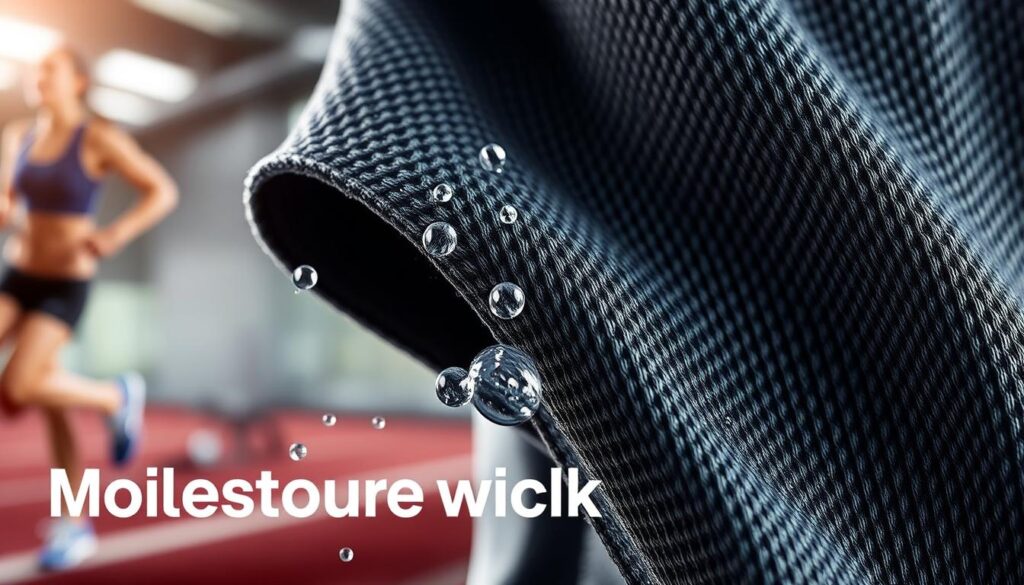
Modern fabrics are made to keep you cool and dry. Moisture-wicking fabrics pull sweat away from your skin. They help it dry fast, so you stay comfy. Breathable textiles let air move around, helping control your body’s temperature.
New tech in making clothes has changed how we think about comfort. Now, fabrics can adjust to your body’s needs. They can change temperature and handle moisture to make you feel better.
| Feature | Benefit |
|---|---|
| Moisture-wicking capabilities | Draws sweat away from the skin, keeping the wearer dry and comfortable |
| Breathable textile structure | Allows air circulation, regulating body temperature in diverse environments |
| Advanced fabric engineering | Responsive materials that adapt to the wearer’s needs for optimal comfort |
More people want clothes that perform well, like moisture-wicking fabrics and breathable textiles. They’re perfect for active lives. Companies are working hard to make even better fabrics for the future.
« The global activewear market size was USD 406.83 billion in 2024 and is projected to grow at a CAGR of 9.0% from 2025 to 2030, driven by increasing health consciousness and the inclination towards modern clothing for gym and everyday activities. »
Sustainable and Eco-Friendly Technical Textiles
The textile industry is changing for the better. Now, it focuses on being green and using recycled materials. This shift aims to lessen harm to the environment.
Environmental Impact
The fashion world has faced criticism for its big environmental impact. But, things are changing. Big brands are working hard to cut down on greenhouse gases and fight climate change.
Recycling Technologies
New recycling tech is making it possible to turn old clothes into new ones. This helps reduce waste and makes production more efficient. It’s a big step towards a greener future.
Future of Green Fabrics
The future of green fabrics is looking up. Scientists are finding new ways to make clothes from things like food waste and algae. This shows a big move towards more eco-friendly fashion.
Slow fashion and minimalism are also on the rise. People are choosing to buy fewer, but better, clothes. This change shows a shift towards valuing quality over quantity.
Green dyeing is another big change in the textile world. Companies like Colorifix and big names like Nike are leading the way. Vegan fashion is also growing, thanks to people wanting clothes that are kind to animals and the planet.
The technical textile industry is key to a greener future. By using new materials and recycling, it can greatly reduce its impact. This meets the needs of people who care about the planet.
Performance Testing and Quality Assurance
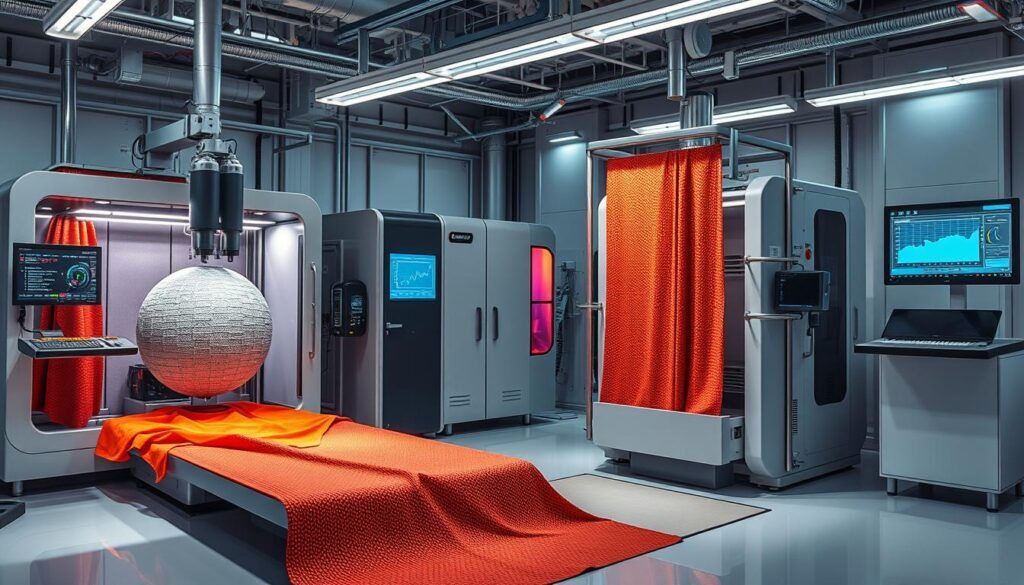
In the high-tech fabric industry, testing and quality checks are key. They ensure products are consistent and meet high standards. Tests like tensile strength and moisture resistance help fabrics perform well in various uses.
Manufacturers and clients work together closely. They define what the fabrics should be like. This teamwork helps keep the quality high, making sure fabrics meet expectations.
| Brand | Product | Price | Material Composition |
|---|---|---|---|
| Rhone | Reign Tech Short Sleeve | $68 | 56% Nylon, 33% Polyester, 11% Elastane |
| Lululemon | Metal Vent Tech Sleeveless Shirt | $68 | 53% Nylon, 40% Recycled polyester, 4% Elastane, 3% X-static® nylon |
| Ten Thousand | Interval Short | $58 | 86% Polyester, 14% Spandex |
| Vuori | Sunday Performance Jogger | $89 | 88% Polyester, 12% Elastane |
| On Running | Hoodie | $150 | 82% Recycled Polyester, 13% Lyocell (Tencel™), 5% Elastane |
| Reigning Champ | Deltapeak™ 90 LS Training Shirt | $34 (60% off) | 100% Polyester |
| Swiftwick | Flite XT Zero Tab Socks | $20 | 62% Nylon, 21% undisclosed |
The high-tech fabric industry focuses on quality control and performance standards. This ensures fabrics perform well and last long in many uses. The industry’s dedication to quality helps it innovate and meet the needs of today’s market.
As demand for high-performance fabrics grows, testing and quality checks become even more vital. Manufacturers must keep improving their testing to meet changing client needs and industry trends.
Conclusion
The future of high-tech fabrics is exciting. We will see big changes in functional performance clothing. New materials, smart tech, and green practices will change everything in 2024 and later.
People want clothes that are stylish and comfortable. They also want them to be good for the planet. Brands that meet these needs will do well. They will make clothes that are both fashionable and useful, thanks to new textile tech.
Imagine smart jackets with fitness trackers or clothes made from recycled materials. The future of men’s fashion is all about combining style and function. We’ll see more « innovative materials 2024 » and « functional performance clothing » that meet today’s needs.