
Morocco is now a top choice for investors from around the world. It has a great location, a business-friendly environment, and many incentives. This guide will cover the main points of investing in Morocco. We’ll look at the investment climate, top sectors, and support for investors.
Key Takeaways
- Morocco attracted the ninth-most foreign direct investment (FDI) in Africa in 2021, with a total of $2.2 billion, marking a 52% increase from the previous year.
- France, the United Arab Emirates, and Spain hold the majority of FDI stocks in Morocco, with the manufacturing sector attracting the highest share.
- Morocco has ratified 72 investment treaties and 62 economic agreements, including with the United States and most EU nations.
- The U.S.-Morocco Free Trade Agreement has led to a nearly five-fold growth in bilateral trade in goods since its implementation.
- Morocco aims to increase the share of renewable energy in its total energy consumption to 40% by 2035, up from 19.5% in 2021.
Introduction to Investing in Morocco
Morocco has made big changes to welcome foreign investors. It has made it easier to start a business by simplifying the process and cutting fees. Companies don’t need a lot of money to start, making it easier for investors.
The country’s Investment Charter of 1995 offers big benefits. Companies can get tax breaks and avoid VAT for up to 5 years under certain conditions. Morocco is in a great spot between Europe and Africa, has low labor costs, and good infrastructure. These things make it a great place for investing.
Morocco’s Investment Climate Overview
Morocco is known for its stability and a young and relatively well-trained population. It has a business-friendly legal setup. The country has also improved its infrastructure a lot. This includes better transport and communication systems, making it more attractive for investors.
Key Reasons to Consider Morocco for Investment
- Strategic location between Europe and sub-Saharan Africa, providing access to multiple markets
- Relatively low labor costs and a young, relatively well-trained population
- Robust infrastructure, including modern transportation and communication networks
- Political stability and the popularity of the King, Mohammed VI
- A legal framework and assistance measures that are highly favorable to investors
Morocco is a great choice for investors looking to grow their business. It offers a good location and a business-friendly environment. This makes it a smart choice for those looking to invest.
morocco investment guide
Morocco’s Investment Incentives and Regulations
The Moroccan government encourages foreign investment with various incentives and rules. The Investment Charter of 1995 offers VAT and corporate tax exemptions for up to 5 years under certain conditions. Companies in « Industrial Acceleration Zones » get a 15% corporate tax rate after the first five years of no tax.
Companies in the Casablanca Finance City (CFC) are tax-free for the first five years. Then, they pay a 15% tax on both local and export activities. The government also gives subsidies, custom duty, and VAT exemptions to investors who qualify. These benefits aim to draw foreign direct investment (FDI) and boost growth in sectors like aerospace, automotive, energy, and water.
| Investment Incentive | Details |
|---|---|
| Tax Exemptions |
|
| Subsidies and Exemptions |
|
Morocco’s location, infrastructure, and skilled workforce make it a great place for morocco investment incentives and morocco investment regulations. Investors can take advantage of these benefits to grow in Morocco’s key sectors.
Foreign Direct Investment in Morocco
Morocco is becoming a top choice for foreign direct investment (FDI). It offers a stable economy and many incentives for investors. The UNCTAD World Investment Report 2023 shows FDI to Morocco dropped by 6% in 2022, reaching USD 2.1 billion. But, greenfield investments jumped to USD 15 billion, thanks to a big USD 10 billion investment from Total Eren (Luxembourg).
In 2022, Morocco drew in nearly USD 34 billion in greenfield FDI projects. This was a record high. The main countries investing in Morocco are France, the UAE, Spain, Switzerland, and the U.S. The top sectors for FDI are industry, real estate, communication, tourism, energy and mining, and banking.
The total FDI in Morocco was USD 63.2 billion. France, the UAE, Spain, Switzerland, and the U.S. were the top investors. The most FDI went to industry, real estate, communication, tourism, energy and mining, and banking.
Despite global economic issues, Morocco remains a strong choice for investors. In the first half of 2023, it saw a net FDI inflow of MAD 16.3 billion. This was 57.2% less than the same period last year.
Morocco’s location, political stability, and strong infrastructure draw foreign direct investment. The country is diversifying its economy, investing in renewable energy, and boosting its industrial and tech sectors. This makes it more appealing to investors worldwide.
« Morocco has tripled its GDP over the past two decades while maintaining a steady inflation rate, making it an attractive destination for foreign investors. »
Top Sectors for Investment in Morocco
Morocco has picked out several key sectors for investment. These sectors offer great chances for growth and development. The aerospace and automotive industries, along with the energy and water sectors, are among the most promising.
Aerospace and Automotive Industries
The aerospace industry in Morocco is a big focus of the country’s Industrial Acceleration Plan. Big companies like Bombardier, Safran, and Boeing have opened facilities there. They were drawn by Morocco’s strategic spot, skilled workers, and good incentives.
The government’s push to grow the aerospace sector has led to big growth. This makes Morocco a top choice for aerospace investment.
The automotive industry has also seen a lot of investment. Companies like Renault, Peugeot, and Hyundai have set up plants in Morocco. They like the country’s infrastructure, logistics, and business-friendly environment.
The automotive sector in Morocco is set to keep growing. This is thanks to its role as a regional hub and efforts to draw more investment.
Energy and Water Sectors
The energy sector in Morocco is full of chances for investors, especially in renewable energy. The country aims to boost its renewable energy use. This includes solar and wind power.
Companies like Total Eren are investing billions in green hydrogen and ammonia production. This shows the growing interest in Morocco’s energy sector.
The water sector also offers investment chances. This includes desalination, wastewater treatment, and improving water infrastructure. Morocco faces water scarcity, making sustainable water management key. This is a big draw for investors wanting to help with Morocco’s water security.
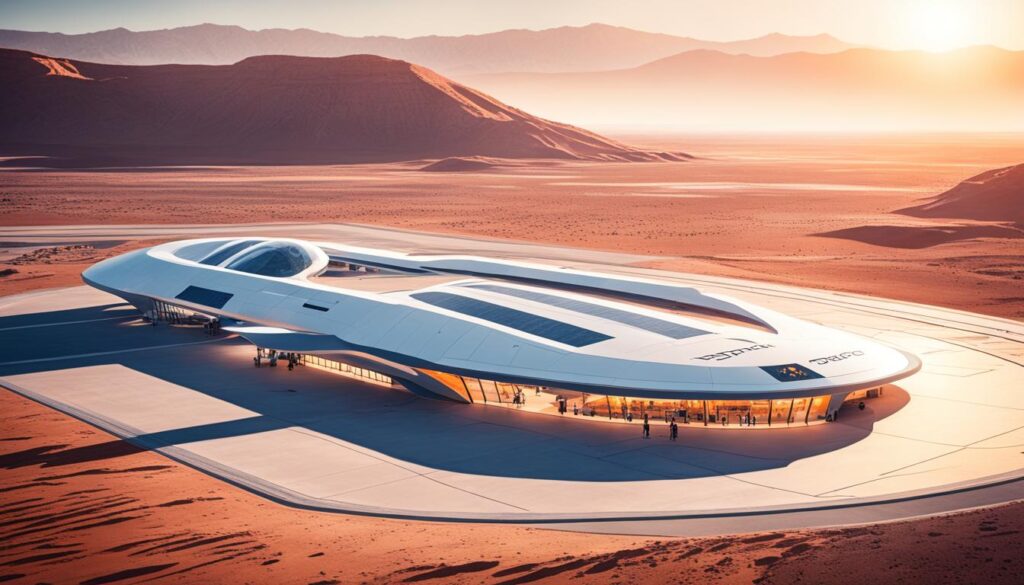
Morocco’s focus on aerospace, automotive, energy, and water makes it a great place for foreign investment. The country’s business-friendly environment, incentives, and infrastructure draw global companies. They want to grow or start operations in these fast-moving industries.
Morocco’s Strategic Location and Infrastructure
Morocco sits between Europe and sub-Saharan Africa, making it a key spot for investors. It has worked hard to improve its transport links, like ports, airports, and roads. This makes it easy for investors to reach many customers and suppliers.
It’s also close to big markets in Europe and Africa. Plus, Morocco is stable and has a good business climate. All these factors make it a great place for investing.
The country needs about $37 billion for infrastructure by 2040. But, the government is tackling this with $4 billion in new investments. Most of this, 56%, will go to energy projects.
Transportation is getting the most investment, with 68% of it. The government plans to add 2,100 miles of expressways and 1,300 miles of highways by 2030. This will cost about $9.6 billion.
There’s also a big plan for railways by 2040, needing $37 billion. The new Dakhla Atlantic port will cost $1.1 billion and open in less than six years.
Morocco is a key link between Africa and Europe, thanks to its good transport network. With more investments and big plans ahead, it’s set to improve its infrastructure. This will help it become a major trade and commerce center.
« Morocco’s strategic location and infrastructure are major draws for foreign investors, allowing them to efficiently access a wide range of customers and suppliers. »
Investment Protection and Dispute Resolution
Morocco has a strong legal system to protect foreign investments and solve disputes. It has many bilateral investment treaties (BITs) with other countries. These treaties offer extra protection for investors from around the world. If there are disputes, investors can use respected groups like the International Center for Settlement of Investment Disputes (ICSID) and the International Court of Arbitration of the International Chamber of Commerce (ICC). This ensures foreign investors in Morocco feel secure about their investments.
The Moroccan Model BIT from 2019 is part of newer treaties. It has rules for both investors and the host country. This makes sure both sides have responsibilities.
Bilateral Investment Treaties and Arbitration
The Moroccan Model BIT (2019) says an investment is when an investor puts money into the other country in good faith. It must help with the country’s development and involve risk. This matches the ‘Salini criteria’ for what counts as an investment.
This BIT also says investments that break the host country’s laws aren’t protected. It lists some investments that aren’t covered by its rules. This makes sure only certain investments get protection.
For solving disputes, the tribunal can check if the investor followed the host country’s laws. If not, the investor might not get to solve the dispute. This encourages investors to act responsibly.
The Investment Treaty between the United States and the Kingdom of Morocco was signed in 1985 and started in 1991. It’s part of the U.S. program to help and protect U.S. investments in other countries. The treaty makes sure U.S. investments get fair treatment and offers arbitration for disputes.
Morocco’s strong laws and ways to solve disputes show its commitment to a safe and inviting place for foreign investors.
Establishing a Business in Morocco
Investing in Morocco is a great chance for foreign entrepreneurs and companies. Setting up a business here is easy, with foreign investors facing the same rules as locals. But, there are some limits in sectors like air and maritime transport, where foreign ownership is capped at 49%.
Company Formation and Land Ownership
When starting a business in Morocco, it’s important to know the rules on company formation and land ownership. Foreigners don’t need approval to start a company. They just need to report to the Foreign Exchange Office within six months after investing.
Foreigners can’t own land for farming in Morocco, but they can lease it for up to 99 years. The country also offers many options for office and industrial real estate. You can buy commercial and industrial buildings too.
According to Morocco’s Investment Opportunities Guide, the country has a population of 34,343,219 people. It has a 3,500 km coastline and covers 710,850 square kilometers. This makes it a great place for setting up business in morocco, morocco company formation, and morocco land ownership.
| Indicator | Value |
|---|---|
| GDP in 2018 | 1,107 billion MAD (118 billion USD) |
| Export Volume in 2019 | 282 billion MAD (28 billion USD) |
| Economic Growth Rate in 2018 | 3% |
| Population in 2019 | 35.9 million |
| Import Volume in 2019 | 491 billion MAD (49 billion USD) |
| Active Population | Approximately 12 million inhabitants |
The Moroccan legal system has both secular and religious courts. Secular courts follow French law, while religious courts follow Jewish and Islamic law. Commercial disputes are usually handled by commercial courts. These courts deal with matters related to commercial contracts and bills.
« The process of establishing a business in Morocco is generally straightforward for foreign investors. »
Morocco’s Industrial Acceleration Plans
The Moroccan government has set up Industrial Acceleration Plans to boost the economy and draw in more foreign investment. The first phase, from 2014-2020, aimed to link big companies with small and medium-sized enterprises (SMEs) through value chains. This helped create « ecosystems » that work together smoothly.
Now, the second phase, from 2021-2025, is focusing on building on past successes and reaching all regions. It’s all about making small and medium enterprises a key part of the economy and leading the way in tech changes. Thanks to these efforts, Morocco has become a top spot for investors, with 54 industrial systems set up.
In 2021, Morocco drew in the ninth-most foreign direct investment (FDI) in Africa, with a 52 percent increase to $2.2 billion. The most FDI went into manufacturing, followed by real estate, telecoms, tourism, and energy and mines.
The morocco industrial acceleration plan and morocco industrial development efforts have been key to this growth. Morocco has also signed 72 investment treaties and 62 economic agreements with countries like the United States and most EU nations.
| Indicator | Value |
|---|---|
| Morocco’s rank in FDI in Africa (2021) | 9th |
| Inbound FDI growth (2021) | 52% |
| FDI stock in manufacturing | Highest share |
| Investment treaties ratified | 72 |
| Economic agreements signed | 62 |
The morocco industrial acceleration plan and morocco industrial development efforts have been vital for growth. Morocco’s good location, strong infrastructure, and attractive offers make it a great choice for foreign investors.
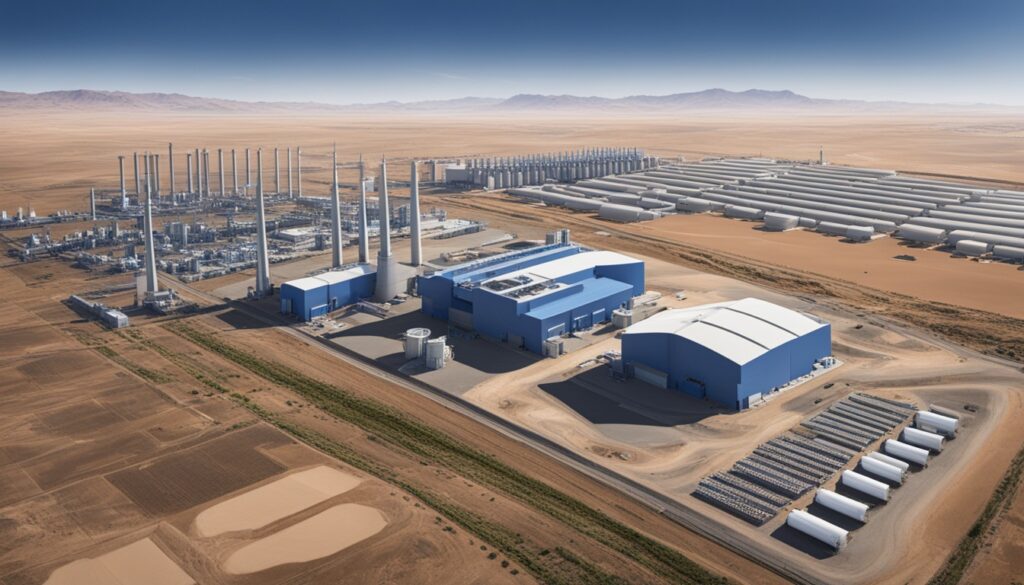
« Morocco has strengthened its anti-money laundering and counter terrorist financing legislation and regulations, leading to the country’s removal from the FATF grey list in February 2023. »
With its focus on industrial growth and a growing talent pool, Morocco’s industrial acceleration plan and industrial development plans are set to draw even more foreign investment in the future.
Investment Opportunities in Morocco’s Economic Zones
Morocco has set up economic zones to draw in foreign investment. Each zone has its own perks and focuses on specific industries. These zones are great for businesses wanting to set up shop in the country.
The Casablanca Finance City (CFC) is a key economic zone. It’s for companies in finance, holding activities, and headquarters. The CFC gives tax exemptions and a 15% corporate tax rate. This makes it a top choice for financial firms and big companies.
There are also « Industrial Acceleration Zones » with a 15% corporate tax rate after five years without tax. These zones help grow sectors like aerospace, automotive, and renewable energy, among others.
Morocco’s economic zones, with their great location and strong infrastructure, offer many investment opportunities in Morocco for foreign investors. Whether you want to set up a regional office, grow your manufacturing, or tap into new sectors, Morocco’s zones are a good choice.
« Morocco’s economic zones have become a magnet for foreign investment, offering a unique blend of tax incentives, specialized industries, and world-class infrastructure. »
The Moroccan government has also started the « MDM Invest Fund » for Moroccan entrepreneurs living abroad. This fund helps bring the Moroccan diaspora back into the economy. It opens up more investment opportunities in Morocco.
In summary, Morocco’s economic zones, with their great location, infrastructure, and supportive policies, make a strong case for businesses looking to grow in North Africa and beyond.
Tax Incentives and Investment Facilitation
Morocco’s government offers tax breaks and helps make investing easier for foreign investors. The Investment Charter of 1995 gives tax exemptions for up to 5 years under certain conditions. Companies in « Industrial Acceleration Zones » and Casablanca Finance City (CFC) get lower tax rates.
The Moroccan government also gives subsidies and custom duty and VAT exemptions to investors who qualify. These morocco tax incentives help with business setup and remove the need for a minimum investment. This makes Morocco a great place for foreign investment.
A recent survey found that about 85% of countries offer tax breaks to draw in foreign investment. Around 60% give faster tax breaks for things like new equipment and buildings. Nearly 70% help rural or less developed areas with incentives, and over 90% offer incentives for exporting goods.
Tax breaks are a common way for countries to draw in investors and get foreign money. These incentives include things like investment allowances, tax credits, lower corporate tax rates, and deductions for certain costs.
« Tax incentive regimes in over 45 countries from various regions were surveyed to understand trends and practices in facilitating foreign direct investment. »
Morocco’s smart approach to morocco investment facilitation and morocco tax incentives makes it a top choice for foreign investors. This has helped Morocco become a key spot for international business in North Africa.
Morocco’s Labor Force and Talent Pool
Morocco has a strong labor force and a growing talent pool. This makes it a great place for foreign investors. The country is young and focuses on technical skills. It’s perfect for industries like aerospace, automotive, and renewable energy.
The Moroccan labor market is known for its low labor costs. The minimum wage is about 3,120 MAD per month. Employers pay between 0% to 38% more on top of the salary. Workers get health insurance, pension plans, and paid leave too.
The outsourcing sector in Morocco is big, making over $1.4 billion and employing over 130,000 people. It offers many services like customer support, IT outsourcing, and engineering services.
The government has put a lot into education and training. This ensures a steady flow of skilled workers. Salaries are competitive, and companies get tax breaks. This includes a five-year tax exemption and a 20% corporate tax rate.
There are six Integrated Industrial Platforms (P2I) in Morocco for offshoring. These are part of the Emergence plan. They make Morocco even more attractive for investors. With a focus on language skills, technical knowledge, and a good business environment, Morocco’s labor force and talent pool are great for foreign investors.
« Morocco’s labor force and talent pool are key assets for foreign investors, offering a competitive edge in industries like aerospace, automotive, and renewable energy. »
Challenges and Risks for Investors in Morocco
Morocco offers many chances for foreign investors, but it also has big challenges and risks. One major issue is its small market, which limits growth in some areas. The economy relies a lot on farming and is at risk from natural disasters and changes in oil prices.
Investors also face the challenge of dealing with a lot of paperwork and bureaucracy. Some parts of Morocco are behind in economic growth and infrastructure. This can make it hard for companies to set up in different areas.
There are also worries about protecting intellectual property and the transparency of public contracts. It’s important for investors to do their homework and understand the local market well.
Despite these issues, Morocco is still a great place to invest. It has a good location, a growing economy, and helps foreign investors a lot. With the right approach and local advice, investors can do well in Morocco.
Key Risks and Challenges for Investing in Morocco
- Relatively small internal market
- High dependence on agriculture and vulnerability to natural disasters and hydrocarbon prices
- Administrative burdens and bureaucracy that can slow down business activities
- Significant social and regional disparities
- Concerns around intellectual property rights protection
- Transparency issues in public procurement
Morocco is still a great place to invest, with its good location, growing economy, and support for foreign investors. By understanding the local scene and working with local experts, investors can succeed.
« Morocco is a land of opportunity, but investors must be prepared to navigate a complex landscape. With the right strategy and local expertise, the challenges can be overcome, and the rewards can be substantial. »
Success Stories: Foreign Companies in Morocco
Morocco is now a top spot for foreign investment, drawing many global companies. These companies have seen great success there. They show how well international investors can do in Morocco and help the country grow.
Renault, a French car maker, set up a big factory in Tangier. It’s now Africa’s biggest car exporter. Peugeot, another French car giant, also invested big in Morocco. It uses the country’s good location and skilled workers to grow its business.
The telecom sector has seen a lot of foreign investment too. Telefonica, a Spanish company, has done well in Morocco. It offers top digital services to people and businesses. Dell, a big tech company, also picked Morocco for its regional HQ. It likes the country’s business-friendly environment and skilled workers.
Big names in energy and manufacturing have also come to Morocco. Total, a big oil and gas company, and Holcim, a cement maker, have found success there. They like Morocco’s strong infrastructure, stability, and business-friendly policies.
Other big names like STMicroelectronics, Sanofi, and Nestlé have also made Morocco a key spot for their African operations. These companies have boosted Morocco’s economy and shaped its industry. They’ve made Morocco a key player in Africa.
| Company | Sector | Investment Highlights |
|---|---|---|
| Renault | Automotive | Largest vehicle exporter from Africa, state-of-the-art manufacturing facility in Tangier |
| Peugeot | Automotive | Significant investments in Morocco, leveraging strategic location and skilled workforce |
| Telefonica | Telecommunications | Successfully integrated operations in Morocco, providing cutting-edge digital services |
| Dell | Technology | Established regional headquarters in Morocco, attracted by favorable business environment |
| Total | Energy | Thriving operations in Morocco, capitalizing on robust infrastructure and political stability |
| Holcim | Manufacturing | Established successful cement production operations in Morocco |
| STMicroelectronics | Semiconductors | Chosen Morocco as a strategic hub for North African and sub-Saharan African operations |
| Sanofi | Pharmaceutical | Leveraged Morocco’s skilled workforce and favorable business climate for their regional activities |
| Nestlé | Food | Integrated Morocco into its global supply chain and production network |
These stories show why Morocco is great for foreign companies. It has stability, skilled workers, good business laws, and a great location. So, many global investors choose Morocco to grow their businesses and reach more markets in Africa.
« Morocco has proven to be an ideal destination for our regional operations, with its favorable business environment, robust infrastructure, and access to a talented workforce. We are proud to be a part of the country’s economic success story. »
– [CEO, Multinational Company]
Conclusion
Morocco is becoming a top choice for foreign investors. It has a great location, a good business climate, and offers many incentives. The country also has a strong infrastructure, making it perfect for expanding global operations.
Despite some challenges like a small market and social gaps, Morocco is working hard to help businesses grow. The government is making it easier for companies to invest. This makes Morocco a great option for global companies looking to grow.
Investing in Morocco can bring big rewards. It offers chances for technology transfer, improving industrial skills, and gaining access to new markets. The country is also boosting its infrastructure.
Morocco is a key player in Africa and is growing its ties with the US and the EU. As it improves its investment policies, its future looks bright. This makes it a great time for investors to consider Morocco.