
In today’s digital landscape, where mobile devices have become ubiquitous, the importance of mobile responsiveness for websites cannot be overstated. With 61 percent of mobile users indicating they would immediately leave a website if it fails to load or deliver the desired information, the need for a seamless, device-adaptive user experience has become a critical priority.
The shift towards mobile web browsing has been dramatic, with the number of mobile viewers now surpassing desktop users. Recognizing this trend, Google announced in 2015 that mobile-friendliness would become a ranking factor in its search engine algorithms, further underscoring the imperative for websites to embrace responsive design.
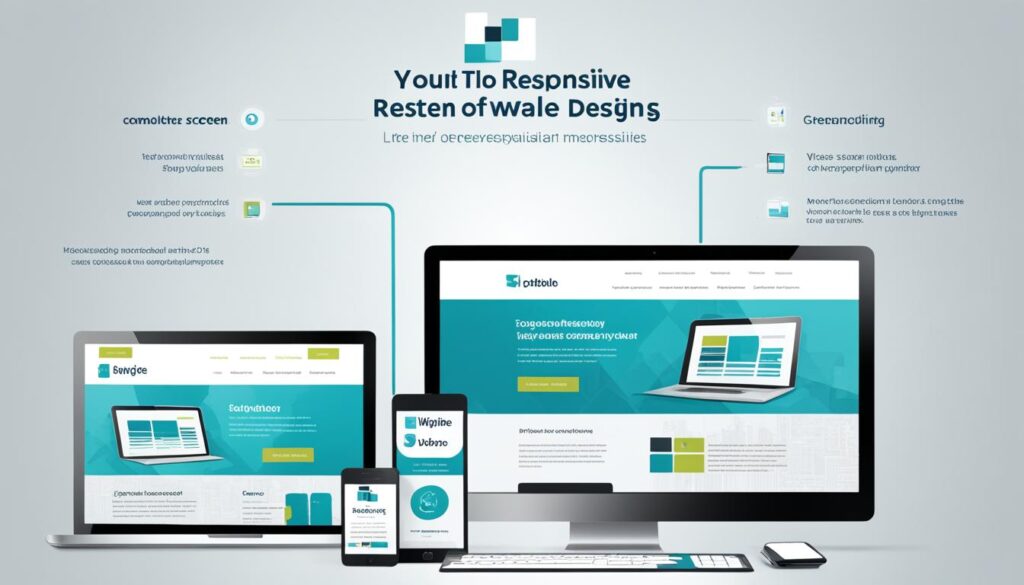
Responsive web design is a strategic approach that enables websites to automatically adapt and scale their content and layout to provide an optimal viewing experience across a diverse range of devices and screen sizes. This approach not only enhances user satisfaction but also delivers cost savings by eliminating the need for a separate mobile website.
Key Takeaways
- Mobile responsiveness is essential for modern websites as the number of mobile viewers now exceeds desktop users.
- Responsive web design allows websites to automatically adapt and scale their content to provide an optimal viewing experience across various devices and screen sizes.
- Responsive design can improve user experience by eliminating the need for resizing, scrolling, zooming, or panning on websites, and can also lead to cost savings by eliminating the need for a separate mobile website.
- Techniques like fluid grids and CSS media queries are used to implement responsive web design, ensuring that web content is visually optimized for different devices and screen sizes.
- Responsive web design is considered the cornerstone of modern web development, as it ensures that web content is accessible and visually appealing across various devices.
What is Responsive Web Design?
Responsive web design is a web development approach that focuses on creating websites that adapt and respond to the user’s environment, such as screen size, platform, and orientation, to provide an optimal viewing experience. This is achieved through techniques like fluid grids and CSS media queries, which allow the layout and design to adjust fluidly to different devices and screen sizes.
Understanding the Concept of Responsive Design
Responsive web design is about resizing, hiding, shrinking, or enlarging websites to appear effectively on all devices (desktops, tablets, and phones). By adding a meta tag with viewport settings like « width=device-width, initial-scale=1.0, » web developers can control a page’s dimensions and scaling, ensuring a seamless user experience across various devices.
Examples of Responsive Web Design
Many well-known brands have embraced responsive web design to ensure a consistent user experience across various devices. For instance, responsive images scale based on browser size, with the width property set to 100% enabling scaling up and down. The max-width property restricts images from scaling up beyond their original size, ensuring responsive design. The picture element allows for different images based on browser window sizes.
Implementing Responsive Web Design
Responsive web design can be implemented using various techniques, such as text size adjusted with « vw » (viewport width) units and media queries for setting diverse styles for various browser sizes. Popular CSS frameworks like W3.CSS and Bootstrap offer responsive design options, making it easier for web developers to create mobile-friendly websites.
Importance of Responsive Web Design
In the age of modern web development, responsive web design has become a cornerstone for businesses aiming to provide an exceptional user experience. With the increasing dominance of mobile traffic, a responsive website that seamlessly adapts to various devices is essential for engaging users and maintaining a strong online presence.
Role of Responsive Design in Modern Web Development
Responsive web design plays a crucial role in modern web development by ensuring that web content is easily accessible and navigable across a wide range of devices, from desktops to smartphones. By implementing responsive layouts, businesses can create a consistent and visually appealing user experience, regardless of the device used by the end-user. This is particularly important as 92.3% of internet users access the internet through their mobile phones.
Ensuring User Experience Across Different Devices
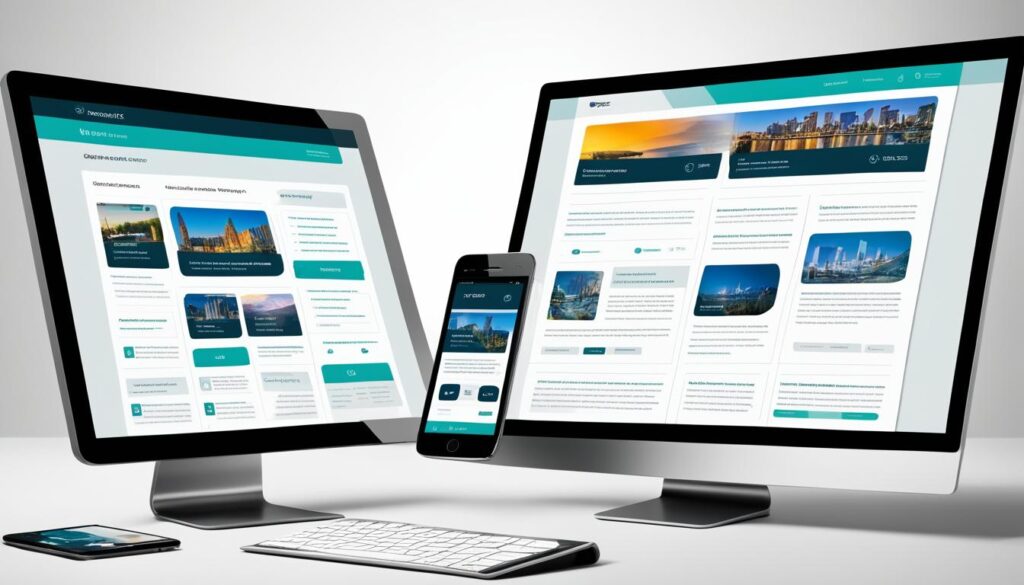
Responsive web design is essential for providing a positive user experience across multiple devices. With 58.43% of website traffic coming from mobile devices, businesses must cater to the needs of their mobile-savvy audience. Responsive layouts, fluid grids, and flexible media ensure that users can seamlessly navigate and interact with web content, whether they are on a desktop, tablet, or smartphone.
Implementing Responsive Layouts
Implementing responsive layouts is a key aspect of modern web development. Techniques such as fluid grids, flexible images, and media queries allow websites to adapt to different screen sizes and device capabilities. This not only enhances the user experience but also improves search engine optimization by making the website more mobile-friendly.
Leading companies, such as Starbucks, Amazon, and The New York Times, have embraced responsive web design to provide their customers with a seamless and engaging online presence. By investing in responsive web development, businesses can stay ahead of the curve and meet the evolving expectations of their target audience.
Principles of Responsive Web Design
In the dynamic world of web design, the principles of responsive web design have become increasingly crucial. These principles revolve around creating fluid grids and leveraging CSS media queries to enable web pages to adapt seamlessly to various devices and screen sizes. By considering the design approach for different devices, web designers can ensure a visually optimized and user-friendly experience across the digital landscape.
Fluid Grid and CSS Media Queries
Responsive web design harnesses the power of fluid grids, which utilize relative units like percentages or ems to create layouts that can adjust to different screen sizes. This flexible approach allows content to flow naturally, ensuring a cohesive user experience on desktops, tablets, and mobile devices.
Complementing the fluid grid, CSS media queries play a crucial role in responsive web design. These queries instruct the browser to alter the site’s layout based on specific device characteristics, such as screen size and orientation. This empowers designers to tailor the visual presentation and interactions to the unique needs of each device.
Design Approach for Various Devices
A mobile-first design philosophy is often a key consideration in modern responsive web development. This approach prioritizes the user experience on smaller screens, ensuring that the core content and functionality are optimized for mobile devices. From there, the design is progressively enhanced for larger screens, leveraging the additional real estate and capabilities of desktop and tablet devices.
Responsive layouts also require careful attention to typography, ensuring that text remains legible and visually appealing across different screen sizes. Designers utilize relative units for font sizes and line heights, enabling content to scale seamlessly.
Ultimately, the principles of responsive web design are focused on delivering accessible and engaging online experiences that adapt to the user’s device and preferences. By embracing fluid grids, media queries, and a mobile-first approach, web designers can future-proof their creations and cater to the diverse digital landscape.
| Responsive Design Principle | Description |
|---|---|
| Fluid Grid | Use of relative units (percentages, ems) to create layouts that can adapt to different screen sizes. |
| CSS Media Queries | Conditional CSS rules that adjust the layout and styles based on device characteristics. |
| Mobile-first Design | Prioritize the user experience on smaller screens and progressively enhance for larger devices. |
| Responsive Typography | Use relative units for font sizes and line heights to ensure legibility across devices. |
« Responsive web design is about building a seamless and engaging digital experience for users, regardless of the device they’re using. »
Implementing Responsive Web Design
Responsive web design is a crucial consideration in modern web development. Designing a responsive website involves various web development techniques to ensure a seamless user experience across a range of devices and screen sizes. From utilizing fluid grid systems to optimizing performance and enhancing intuitive navigation, the implementation of responsive design requires a comprehensive approach.
Web Development Considerations for Responsive Design
When creating a responsive website, designers and developers must carefully consider factors such as screen size, device orientation, and user interaction. This often includes techniques like minimizing page load times, optimizing images, and strategically placing interactive elements. By leveraging responsive design principles, web teams can deliver a consistently engaging experience, regardless of the user’s device.
Creating a Responsive Website
At the heart of responsive web design are fluid layouts and CSS media queries. These techniques allow designers to create flexible grids and adapt content to various screen sizes. Media queries enable designers to run a series of tests to style the page appropriately for the user’s needs based on screen size and resolution. Flexible grids and layout methods such as Flexbox and CSS Grid further enhance the responsiveness of web content, ensuring it adjusts seamlessly to different viewports.
Additionally, optimizing the performance of media elements, such as images and videos, is crucial for delivering a responsive website. By setting media elements to have a maximum width of 100%, web teams can ensure they don’t overflow their container, maintaining the integrity of the layout across devices.
| Key Responsive Design Considerations | Description |
|---|---|
| Fluid Grid Systems | Utilizing a flexible grid structure that adapts to different screen sizes and device orientations. |
| CSS Media Queries | Applying media queries to style the webpage based on device characteristics, such as screen size and resolution. |
| Performance Optimization | Minimizing page load times and optimizing media elements for a seamless user experience on any device. |
| Intuitive Navigation | Designing an interface that is easy to navigate and interact with, regardless of the user’s device. |
By incorporating these responsive web design considerations into the development process, web teams can create websites that adapt fluidly to the diverse range of devices and screen sizes used by modern internet users.
« Responsive web design is no longer a luxury, but a necessity in today’s mobile-driven world. »
Modern Web Design Trends for Responsive Layouts
Staying up-to-date with the latest modern web design trends is crucial for developing effective responsive layouts. This includes embracing a mobile-first design approach and leveraging cutting-edge UI design principles to create visually compelling and user-friendly web pages that seamlessly adapt to different devices and screen sizes.
According to recent industry data, some of the prominent modern web design trends for responsive layouts in 2024 include micro animations, illustrated design, dark mode, monochromatic websites, modern minimalism, storytelling, neomorphism design, rotating animations, non-traditional scrolling, embedded videos, gradient color schemes, diagonal lines, scroll-triggered animations, cartoon characters, large titles, abstract shapes, responsive layouts, detailed footers, depth, dimension, and creative color branding.
For instance, micro animations are expected to increase in popularity, as subtle movements can enhance user experience and engagement on websites. Additionally, web pages are transitioning from traditional photography to illustrations, which offer smaller file sizes, faster loading times, and the ability to convey concepts more effectively.
Another emerging trend is the rise of dark mode, providing a low-contrast interface for improved user visualization, especially in low-light environments. Monochromatic websites and modern minimalism in web design are also gaining traction, offering a clean and simple appearance that directs users’ attention effectively.
« Interactive design elements are crucial for engaging users on websites, with responsive features contributing to increased user interaction and time spent on pages. »
By embracing these modern web design trends for responsive layouts, businesses can ensure their online presence remains competitive and engaging in the ever-evolving digital landscape, catering to the growing mobile-first user base.
mobile responsiveness
As the world continues to embrace the digital era, the importance of mobile responsiveness in web design has become increasingly evident. In today’s landscape, where the majority of online activities occur on mobile devices, businesses and organizations must prioritize creating mobile-friendly websites to deliver an exceptional user experience and stay ahead of the competition.
Mobile responsiveness is not just a buzzword, but a crucial element in modern web development. By optimizing websites for seamless mobile navigation, businesses can cater to the growing number of users who access the internet primarily through their smartphones and tablets. This mobile-first approach not only enhances user satisfaction but also has a direct impact on search engine optimization (SEO) and website performance.
Studies show that over 60% of the market share belongs to mobile and tablet devices, emphasizing the critical nature of mobile responsiveness. Furthermore, data from the Pew Research Center reveals that more than half of the audience for school websites access them via mobile devices, underscoring the need for educational institutions to prioritize mobile-friendly design.
Creating a mobile-responsive website involves several key considerations, such as readability, button formatting, view orientation, and overall design optimization for faster loading times. By implementing these best practices, businesses can ensure that their online presence is accessible, engaging, and efficient for mobile users.
To further emphasize the importance of mobile responsiveness, Google has explicitly stated that mobile-friendly sites are given priority in search results. This means that businesses with mobile-responsive websites have a distinct advantage in terms of online visibility, traffic, and ultimately, conversions.
At Digidzn, we recognize the transformative power of mobile responsiveness in the digital landscape. Our experts specialize in crafting innovative web design solutions that prioritize mobile-first strategies, ensuring our clients’ online presence is optimized for the modern, mobile-driven consumer. By partnering with Digidzn, businesses can unlock the full potential of their digital platforms and stay ahead of the curve in the ever-evolving world of mobile responsiveness.
Approach to Responsive Web Design in 2023
As we move into 2023, the approach to responsive web design continues to evolve to meet the changing dynamics of the digital landscape. With the increasing prominence of web applications and the proliferation of diverse mobile devices, adopting a responsive design approach is more crucial than ever. Businesses must ensure that their web applications and websites are designed to seamlessly adapt to various screen sizes, providing a consistent and visually appealing experience for users across the digital spectrum.
Adopting a Responsive Design Approach for Web Applications
In the era of web applications, where users expect a seamless and intuitive experience regardless of the device they’re using, a responsive design approach is essential. By ensuring that web applications are optimized for different screen sizes, businesses can cater to the diverse needs of their customers and deliver a exceptional user experience. This not only enhances customer satisfaction but also contributes to increased engagement and loyalty.
Ensuring Responsiveness for Different Screen Sizes
Responsive web design in 2023 goes beyond simply adjusting the layout for different devices. It involves a comprehensive approach that considers various screen sizes, resolutions, and aspect ratios. Businesses must employ techniques such as fluid grids, flexible images, and CSS media queries to create a responsive and adaptable user interface. This ensures that the content and functionality remain accessible and visually appealing, regardless of the device being used.
| Responsive Design Techniques | Benefits |
|---|---|
| Fluid Grids | Enables layouts to adapt to different screen sizes without losing their structure and visual appeal. |
| Flexible Images | Ensures images scale proportionally and maintain their quality across different screen resolutions. |
| CSS Media Queries | Allows for targeted styling adjustments based on device characteristics, such as screen size and orientation. |
By embracing these responsive design techniques, businesses can create web applications and websites that deliver an exceptional user experience, regardless of the device being used. This not only enhances customer satisfaction but also contributes to improved engagement, increased conversion rates, and better overall performance in the digital landscape.
« Responsive web design is no longer an option, but a necessity in the modern digital landscape. Businesses that fail to adopt a responsive approach risk losing their competitive edge and alienating a significant portion of their audience. »
Elevating Your Online Presence with Digital Delane
At the forefront of the digital marketing revolution stands Digital Delane, a professional web design company renowned for its expertise in crafting responsive web design solutions. As the leading responsive web design experts, Digital Delane has made it its mission to help businesses of all sizes elevate their online presence and engage their target audiences effectively.
Recognizing the paramount importance of a strong digital footprint in today’s increasingly mobile-centric world, Digital Delane has dedicated itself to creating tailored solutions that not only adapt seamlessly to diverse devices but also resonate deeply with the brand essence of each client. By immersing themselves in understanding the unique goals and audience of their clients, the professional web design company ensures that the resulting websites not only captivate visitors but also drive meaningful engagement and conversions.
At the heart of Digital Delane’s approach lies a deep understanding of the evolving digital landscape. The team of seasoned designers and developers meticulously crafts responsive layouts that effortlessly transition across smartphones, tablets, and desktops, providing a consistent and exceptional user experience. This commitment to mobile responsiveness and adaptability is a hallmark of the company’s approach, enabling clients to reach and connect with their audience seamlessly, regardless of the device they are using.
By seamlessly integrating cutting-edge technologies and innovative design principles, Digital Delane empowers its clients to stand out in the crowded digital marketplace. The company’s dedication to delivering tailored solutions that capture the essence of each brand ensures that their clients’ online presence not only resonates with their target audience but also elevates their overall brand reputation and visibility.
In an ever-evolving digital landscape, Digital Delane stands as a trusted partner, guiding businesses of all sizes towards online success. With its unwavering commitment to responsive web design and a deep understanding of the modern digital consumer, the company continues to redefine the standards of online excellence, paving the way for its clients to thrive in the digital age.
Tailored Solutions Crafted for You
At Digital Delane, the approach to responsive web design goes beyond simply fitting content to various screens. The company’s team works closely with clients to craft tailored solutions that are meticulously aligned with their brand’s identity, audience, and objectives. By deeply understanding the unique needs of each client, Digital Delane creates websites that not only adapt seamlessly to different devices but also resonate profoundly with the target audience, elevating the client’s digital presence.
Responsive web design is more than just a technical requirement – it’s a strategic brand alignment tool that can significantly enhance the user experience and help businesses achieve their client goals. Digital Delane’s expertise lies in developing responsive websites that not only look great on any device but also effectively convey the brand’s message and engage the target audience.
| Key Benefits of Responsive Web Design | Impact on Business |
|---|---|
| Improved user experience across devices | Increased customer satisfaction and loyalty |
| Enhanced search engine visibility and rankings | Improved online lead generation and conversion rates |
| Reduced development and maintenance costs | Maximized return on investment |
By partnering with Digital Delane, businesses can unlock the full potential of responsive web design and transform their online presence into a powerful asset that resonates with their target audience across all devices.
« We don’t just build websites – we craft digital experiences that captivate and convert. »
Harnessing Cutting-Edge Technologies
At Digital Delane, the leading experts in responsive web design, we harness the power of cutting-edge technologies to deliver transformative digital solutions. By staying at the forefront of web development advancements, we ensure that our clients’ websites leverage the latest innovations to provide an exceptional user experience. This commitment to technological excellence, combined with a deep understanding of responsive design principles, enables us to push the boundaries of what’s possible in the digital landscape.
Our team closely follows the trends and advancements in the industry, adopting the most innovative approaches to web development. From harnessing the power of artificial intelligence and blockchain technology to integrating the latest mobile app frameworks, we constantly explore new avenues to enhance the digital experiences we create.
- AI algorithms enhance user experience, automate tasks, and personalize content in mobile applications.
- Blockchain technology significantly improves security in mobile apps by enhancing data protection and user trust.
- Integration of Internet of Things (IoT) in mobile apps enhances user connectivity and experience.
- 5G technology revolutionizes app performance with higher speeds, low latencies, and improved connectivity.
- Augmented Reality (AR) in mobile apps creates immersive user interactions and blurs digital and physical worlds.
- Voice-activated applications provide hands-free user interaction leveraging natural language processing (NLP) and voice recognition.
- Edge computing in mobile apps improves performance by distributing computing resources closer to data sources.
At Digital Delane, we are committed to staying ahead of the curve, embracing the latest cutting-edge technologies to deliver groundbreaking digital solutions that propel our clients towards unparalleled success. By harnessing the power of innovation, we empower businesses to thrive in the ever-evolving digital landscape.
The Rise of Mobile Web
As the digital landscape continues to evolve, the importance of mobile web design has become increasingly evident. With over 60% of website traffic now originating from mobile devices, businesses can no longer afford to overlook the mobile user experience. Mobile web design considerations are at the heart of responsive web design, ensuring that websites cater to the unique needs and preferences of on-the-go users.
Mobile Web Design Considerations
Optimizing for mobile web requires a comprehensive approach that addresses key factors such as performance, intuitive navigation, and touch-friendly interfaces. By prioritizing these aspects, businesses can create a seamless and engaging mobile experience that resonates with their audience.
- Performance Optimization: Rapid page load times and efficient data usage are crucial for mobile users. Optimizing images, minimizing scripts, and leveraging caching techniques can significantly improve mobile web performance.
- Intuitive Navigation: Navigating a website on a mobile device should be effortless. Streamlining the user interface, simplifying information architecture, and implementing touch-friendly controls can enhance the overall mobile web experience.
- Touch-Friendly Design: Designing for mobile devices requires a shift in approach, prioritizing a touch-friendly user interface that caters to the way users interact with their smartphones and tablets. Ensuring large, easily tappable elements and optimizing for finger-based interactions can greatly improve the mobile web experience.
By addressing these key considerations, businesses can create mobile-optimized websites that seamlessly cater to the growing demands of mobile users. As the mobile web continues to dominate the digital landscape, the ability to provide a superior mobile experience has become a crucial competitive advantage.
« In today’s mobile-first world, the quality of a business’s mobile web presence can make or break its success. Investing in responsive web design is no longer a luxury, but a necessity for any organization looking to stay ahead of the curve. »
| Metric | Value |
|---|---|
| Mobile Internet Traffic Share | 61.21% |
| Android Market Share | 70.48% |
| US Mobile Internet Penetration | 84.37% |
| Global 5G Connections Forecast (2025) | 1 billion+ |
Choosing the Right Responsive Web Design Services
In the digital age, a user-friendly and mobile-responsive website is essential for businesses seeking to make a lasting impact online. When selecting responsive web design services, it’s crucial to partner with a reputable web design agency that specializes in creating visually appealing and functional websites optimized for various devices.
Start by reviewing the agency’s portfolio of previous projects. This will give you a clear understanding of their expertise in responsive web design and their ability to deliver user-friendly websites that seamlessly adapt to different screen sizes. Look for examples of mobile-friendly design, responsive layouts, and a consistent brand identity across various platforms.
Seek recommendations from peers or colleagues who have worked with web design agencies in the past. Their firsthand experiences can provide valuable insights into the agency’s communication, project management, and overall customer satisfaction. Ensure the agency you choose aligns with your specific requirements and can bring your vision to life.
| Key Considerations | Responsive Web Design Benefits |
|---|---|
| Responsive layout and content | Seamless user experience across devices |
| Optimized for mobile devices | Improved SEO and search visibility |
| Flexible and dynamic design | Reduced bounce rates and increased engagement |
| Adaptive design considerations | Enhanced brand perception and credibility |
By choosing the right responsive web design services, you can elevate your online presence and ensure your website delivers a consistently exceptional user experience, whether accessed from a desktop, tablet, or mobile device. This strategic investment in responsive design will not only improve your website’s functionality but also enhance your brand’s digital visibility and overall competitiveness in the market.
Maintaining a Competitive Edge
In the ever-evolving digital landscape, maintaining a competitive edge requires a steadfast commitment to responsive web design. By ensuring that your website seamlessly adapts to the diverse range of devices and screen sizes used by your target audience, you can provide an exceptional user experience that sets you apart from your competitors. This not only enhances customer satisfaction and engagement but also boosts your search engine optimization efforts, making your brand more visible and accessible in the digital realm.
According to recent statistics, 74% of customers are more likely to return to a website that is mobile-friendly, leading to a higher conversion rate. Moreover, search engines like Google prioritize mobile-responsive websites, which can enhance search engine visibility and ranking. A mobile-responsive website can lead to better conversion rates as mobile users tend to have shorter attention spans but are more likely to take desired actions if the website is user-friendly on smartphones.
Embracing responsive web design can provide a distinct competitive edge for businesses, positioning them ahead of competitors who may not have optimized their sites for mobile devices. Additionally, a single responsive website is more cost-efficient in the long run compared to maintaining multiple versions for various devices, leading to increased traffic and better conversion rates.
| Benefit | Impact |
|---|---|
| Improved user experience | 74% of users are more likely to return to a mobile-friendly website |
| Enhanced search engine visibility | Google prioritizes mobile-responsive websites for better ranking |
| Higher conversion rates | Mobile users are more likely to take desired actions on user-friendly websites |
| Cost-effective solution | A single responsive website is more efficient than maintaining multiple versions |
By embracing responsive web design, businesses can not only provide a seamless user experience across devices but also position themselves as industry leaders in the digital landscape. This strategic approach ensures that your online presence remains competitive, adaptable, and future-proof, solidifying your brand’s position in the minds of your customers.
Conclusion
In the ever-evolving digital landscape, mobile responsiveness has emerged as a critical element in modern web development. As mobile usage continues to dominate the digital sphere, businesses must prioritize responsive design to deliver optimal experiences to their audience across all devices. By embracing the principles of responsive web design and investing in mobile-friendly web development, businesses can stay ahead of the curve, providing exceptional user experiences and maintaining a competitive edge.
Research suggests that users are more likely to stay on a website that is easy to navigate and visually appealing on their mobile devices. A responsive website can reduce bounce rates and increase the time spent on the site, while also improving user satisfaction by providing a consistent branding experience across all devices. Responsive websites have been shown to enhance user engagement and retention rates, with search engines prioritizing mobile-friendly websites in their rankings, further bolstering the SEO benefits of embracing mobile responsiveness.
As the digital landscape continues to evolve, businesses that prioritize mobile responsiveness will be well-positioned to thrive in the years ahead. By delivering seamless experiences across devices, leveraging the power of responsive web design, and staying ahead of the curve in web development trends, organizations can strengthen their online presence, foster deeper connections with their audience, and maintain a competitive edge in the ever-changing digital realm.