
The COVID-19 pandemic changed how we think about education, making distance education the new standard. Now, students can learn from anywhere, at any time. This shift to online learning has made getting knowledge and skills easier and more flexible.
This article looks into the good and bad of distance education. It also talks about how to make the most of it and what the future holds. With the world going digital, distance education is changing how we learn and grow professionally.
Key Takeaways
- Distance education offers flexibility and convenience, allowing students to learn at their own pace and on their own schedules.
- The COVID-19 pandemic has significantly increased the adoption of distance learning, with enrollment surging from 6.6 million pre-pandemic to 400 million globally.
- Distance education is available for various academic levels, from undergraduate to postgraduate and doctoral programs, as well as for workforce training and personal development.
- Effective distance learning requires self-discipline, time management, and the ability to navigate digital learning platforms and technologies.
- Emerging technologies, such as virtual reality and artificial intelligence, are shaping the future of distance education, enhancing engagement and personalization.
Introduction to Distance Education
Distance education, also known as remote learning or online instruction, is a way to learn where the teacher and students are apart. It uses technology like virtual classrooms and online platforms. This lets students learn from anywhere, at any time.
What is Distance Education?
For many years, distance education has been an alternative to traditional learning. It lets students achieve their educational goals without being in a classroom. Thanks to technology, it offers flexibility and convenience. This way, learners can balance their studies with work, family, or other activities.
The Rise of Distance Learning During the COVID-19 Pandemic
The COVID-19 pandemic made distance learning more popular worldwide. When schools closed, they moved to online learning to keep teaching. This change to virtual classes and online lessons helped keep education going during tough times.
The University of London was the first to offer distance learning degrees in 1858. The Society to Encourage Studies at Home, started in the U.S. in 1873, was the first correspondence school there.
Over time, distance education has changed a lot, thanks to tech advances and the need for flexible learning. The COVID-19 pandemic showed how important it is to offer quality education online. This has made remote learning a key part of today’s education.
Advantages of Distance Education
Distance education is becoming more popular for those who want flexibility and convenience. Students can learn from anywhere with internet, fitting their schedules. The advantages of distance education include flexibility, cost savings, and easy access to learning.
Flexibility and Convenience
One big plus of distance education is its flexibility. Students can learn at their own speed and balance school with work or family. This way, they can move through the material at their own pace, making learning more personal and engaging.
Cost-Effective Learning
Distance education is often cheaper than traditional college. It cuts down on costs like travel, housing, and campus fees. This makes education more affordable for people from all backgrounds, helping them reach their goals without big expenses.
The benefits of distance education go beyond saving time and money. It also opens doors for students who can’t easily get to a campus. Plus, it helps students manage their time well, preparing them for the future.
« Distance learning boosts accessibility for everyone, providing opportunities for students who may not have access to a physical classroom, reducing missed lessons, and enhancing the learning experience. »
Even with its challenges, like needing discipline and less face-to-face time, distance education has many benefits. It offers a flexible, affordable, and accessible way to learn.
Synchronous vs. Asynchronous Distance Learning
In distance education, students can choose between two main ways to learn: synchronous and asynchronous. Synchronous distance learning means students and teachers interact in real-time. They use tools like virtual classrooms and web conferencing. This way, students get immediate feedback and can talk directly with teachers.
Asynchronous learning lets students learn at their own pace. They can access course materials and do tasks whenever it fits their schedule. This method is great for those who need to balance school with work or other activities.
Both types of learning have their pros and cons. Synchronous learning helps build a sense of community and allows for quick feedback. Asynchronous learning is more flexible and suits those with busy lives.
The best learning method depends on the student’s schedule, learning style, and interests. Many schools use a mix of both, called hybrid or blended learning. This approach aims to meet the needs of all students.
« The University strongly encourages the use of asynchronous teaching over synchronous teaching methods. »
Distance learning is becoming more popular, making the choice between synchronous and asynchronous learning important. Knowing the differences helps students and teachers make the right choice for their goals and lives.
distance education
Distance education offers a unique advantage in fostering a more student-centered approach to learning. It lets students control their pace, schedule, and learning environment. This way, they can tailor their education to fit their needs and likes.
This personalized learning model encourages students to study on their own. They can learn at their own speed and connect with course material in a way that feels right to them.
Also, distance education can overcome geographic barriers. It gives students access to quality education who can’t go to school in person. This is a big plus, letting people from all over the world reach their education goals.
Personalized Learning Experiences
Distance education uses tools and features that help students take charge of their learning. Students can use self-paced modules, interactive multimedia, and virtual forums. They can even get one-on-one tutoring online.
Overcoming Geographical Barriers
Distance education doesn’t need students to be in the same place. It can reach learners all over the world. This means students in remote areas or those who can’t move easily can still get top-notch education.
This increased accessibility makes education more open and fair for everyone. It helps create a learning world that’s more inclusive.
« Distance education has the power to transform the educational landscape, empowering students to take control of their learning and expanding access to quality programs regardless of geographic location. »
Challenges of Distance Education
Distance education has many benefits, but it also faces big challenges. One major issue is the need for good technology. Students need reliable internet and to know how to use digital tools well. Without these, they can’t fully take part in online classes.
Another big challenge is staying disciplined and managing time well. In distance learning, students must motivate themselves and take charge of their studies. It’s hard to stay focused and keep up with work without the structure of a classroom.
- The virtual education industry had a value of $171 billion in 2019 and is expected to grow by 10.85% by 2025.
- Successful time management is linked to better grades and less anxiety in students.
- Many students struggle to balance school with everyday life. Poor time management can lead to bad sleep and more stress.
| Challenge | Impact |
|---|---|
| Technological Requirements | Reliable internet access and proficiency in digital tools are essential, but can be a barrier for some students. |
| Self-Discipline and Time Management | Distance education requires high levels of motivation and self-regulation, which can be challenging for some learners. |
It’s important to tackle these challenges for distance learning to succeed. Schools need to offer strong tech support and help with time management and discipline. By doing this, distance education can help learners reach their goals.
Strategies for Effective Online Teaching
Distance education is getting more popular. It’s key to use good strategies for online learning that grabs students’ attention. By using technology and keeping in touch often, teachers can make online classes fun and keep students involved.
Engaging and Interactive Content
It’s vital to make course content engaging and interactive for online teaching. Here are ways to make digital lessons exciting:
- Use videos, animations, and simulations to help students learn better
- Have quizzes, discussions, and activities to get students to join in
- Use tech tools and Learning Management Systems (LMS) to share content and help students work together
- Change lesson plans to fit different learning styles and what students like
Regular Communication and Feedback
Keeping in touch often and giving feedback on time is key for a strong online class community. Here’s how to teach online well:
- Set clear rules for how students should talk and get involved
- Have live video sessions or virtual office hours for real-time chats
- Give regular feedback on students’ work and how they’re doing
- Encourage students to talk and ask questions
By mixing engaging content with good communication and feedback, teachers can make online classes exciting and supportive. This helps students do well in the digital world.
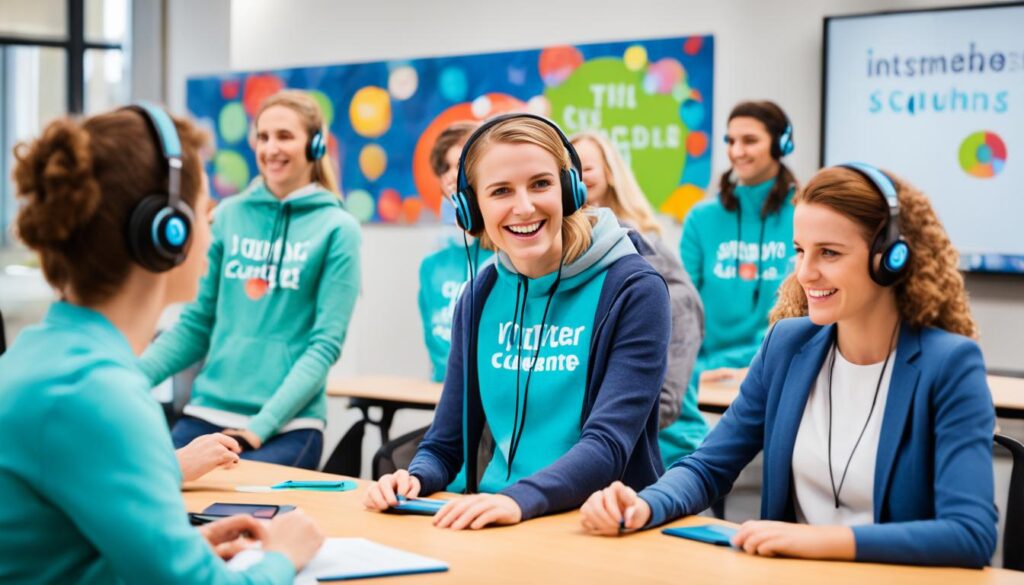
« Effective online teaching strategies are essential for fostering a sense of community and engagement in the virtual classroom. »
The Future of Distance Education
The future of distance education is looking bright, thanks to new technologies. Virtual reality (VR), augmented reality (AR), and artificial intelligence (AI) will change how we learn online. They will make learning more engaging and tailored to each student.
Emerging Technologies
Virtual reality will take students into 3D worlds, making learning more interactive. Augmented reality will add digital info to the real world, making learning richer. Artificial intelligence will adjust to each student’s needs, offering personalized support and content.
Blended Learning Approaches
Distance education will also blend online and in-person learning. This mix will give students the best of both worlds. They’ll get the flexibility of online learning and the benefits of face-to-face interaction.
As distance education evolves, these technologies and approaches will change how we learn. They will make learning more immersive, personalized, and accessible.
« The future of distance education is about creating a seamless, integrated learning experience that leverages the best of both the virtual and physical worlds. »
Distance Education and Career Advancement
Today’s job market changes fast, making distance education key for moving up in your career. It lets you learn new skills and get more qualifications while keeping up with work and life. This way, you can boost your knowledge and stand out in the job market.
By 2021, 61% of students in postsecondary education were taking at least one online course. Another 28% were learning only online. This shows how popular and accepted distance learning has become for those wanting to improve their skills or switch careers.
Online degree programs are growing fast, with more accredited online colleges popping up. You can find online degrees in nursing, business, social work, and education. These programs offer many chances for professional growth and learning new skills.
One big plus of distance education is learning more about technology. Students get to use online learning tools and work with others online. These skills are very valuable in today’s digital work world.
Also, distance education lets you learn at your own pace, fitting it into your work and life. This is great for those wanting to move up in their careers without giving up their current job. It helps you keep building your skills and qualifications, preparing you for new jobs or career changes.
« Online degrees offer networking opportunities on a global scale, allowing students to build connections virtually that can be instrumental in their career advancement. »
In summary, distance education is a strong tool for career growth. It lets professionals improve their skills, get new qualifications, and get ready for the changing job market.
Accessibility and Equity in Distance Learning
Education is changing fast, making sure distance learning is accessible and fair is key. The digital divide means some students can’t get to technology and fast internet. We must help all students, including those with disabilities or from underrepresented groups, to get into distance learning.
Addressing the Digital Divide
The COVID-19 pandemic showed us how unequal access to tech and internet is a big problem. Now, over 15% of homes with kids don’t have fast internet. Schools and communities are working hard to fix this by giving out devices and setting up internet spots in low-connected areas.
Companies are also offering cheap or free internet to students. This helps make sure every student can learn online without trouble.
Supporting Diverse Learners
Being inclusive in distance learning means more than just fixing the digital divide. It’s also about meeting the needs of students with disabilities or from different backgrounds. Schools need to offer content in different formats, like captions and texts for screen readers.
They should also have content in different languages and flexible learning options. This makes learning online better for everyone.
Working with tech companies and always checking on how inclusive we are is important. By tackling these issues, teachers can make sure all students can enjoy the benefits of learning online, no matter their background or needs.

Best Practices for Distance Learners
Distance learning is becoming more popular. Students need to know the best ways to succeed. They should focus on managing their time well and making a good learning space.
Time Management Strategies
Good time management is key for distance learners. They need to make a study schedule and avoid distractions. Using calendars to set aside study time helps learners stay on track and avoid putting things off. Also, reminders and task priorities keep students focused and productive.
Creating a Conducive Learning Environment
The right learning space is vital for distance learners. Having a special study area helps students stay focused. Global University says it’s important to have a place without distractions, with comfy chairs and good lighting, to work better. It’s also important to tell family and friends when you’re studying to avoid interruptions.
By following these tips, distance learners can overcome challenges and do well in their studies. Good time management and a supportive learning space are key to doing well in distance learning.
Conclusion
Distance education has become a key alternative to traditional learning, especially after the COVID-19 pandemic. It offers many benefits like flexibility, convenience, and saving money. Yet, it also has its own set of challenges. The global eLearning market is set to hit $325 billion by 2025, showing a bright future for distance education.
Technology is advancing fast, bringing in AI, gamification, AR, and VR to online courses. These tools will make learning more effective and fun. Microlearning, social tools, and adaptive methods will meet the needs of different learners, helping them stay engaged and learn better.
The study of distance education is growing, making it a recognized field. It’s becoming clear that distance learning will be key in the future of education. It will make learning accessible and fair for people all over the world.