
Dining is a journey that touches all our senses. The art of wine pairings is key to making it special. The right wine pairings can change a meal, making flavors pop and the experience unforgettable. Whether you’re at a fancy restaurant or at home, knowing how to pair food and wine can change everything.
Choosing the perfect wine and cuisine match is not just about what you like. It’s about finding a balance of flavors, smells, and textures. Knowing how wine characteristics work with different dishes is the secret to a great dining experience. Wines like Sauvignon Blanc and Cabernet Sauvignon have unique qualities that can make your meal better.
Key Takeaways
- The right wine pairing can make dining special, with 90% of diners saying it matters a lot.
- Knowing about wine characteristics like acidity and tannins is important for great pairings.
- It’s important to balance the strength of the wine and the dish, either by matching or contrasting them.
- Pairing wine and cuisine from the same region, like Italian dishes with Chianti, adds authenticity.
- Good wine pairings can make everyday meals special, improve social times, and create lasting memories.
Why Choose the Perfect Wine Pairings
Choosing the right wine and food pairing can make a meal much better. It brings out the flavors in a dish and balances them well. It also cleanses the palate between bites. When done right, the flavors of wine and food work together, making the meal unforgettable.
Benefits of Pairing Wine with Food
- Flavor enhancement: The right wine can amplify and complement the flavors in a dish, creating a synergistic taste experience.
- Texture balancing: Wine can help to balance the mouthfeel and texture of a meal, ensuring a smooth and cohesive dining experience.
- Palate cleansing: The acidity and effervescence in certain wines can cleanse the palate between bites, preparing the taste buds for the next course.
Enhancing Flavors Through Wine Pairings
When wine and food are paired well, they make each other taste better. For instance, a crisp Sauvignon Blanc goes great with light fish dishes. A bold Cabernet Sauvignon is perfect with a grilled steak.
« The right wine can transform a meal from good to great, unlocking flavors and creating a truly memorable dining experience. »
The Art of Wine Pairings
Pairing wine and food is like an art form. It combines the tastes, smells, and textures of both to make a great meal. To do this, you need to know about wine pairing techniques, flavor harmony, and culinary artistry. This knowledge helps create a sensory experience that’s both sophisticated and fun.
In old-world wine regions, wine and food have been together for thousands of years. When you pair wine and food from the same place, the flavors work well together. This makes the meal even better.
It’s also key to match the wine’s body with the food’s. If the wine and food are too heavy or too light, the pairing won’t work. But, if you mix them just right, the acidity in the wine can cut through the food’s richness, making it memorable.
| Wine Pairing Techniques | Benefits |
|---|---|
| Complementary Pairings | Wine and food elements that enhance each other, creating a harmonious blend of flavors. |
| Contrasting Pairings | Pairings that provide a pleasant contrast, such as using the acidity in wine to cut through the richness of the food. |
| Balanced Pairings | Ensuring the weight or « body » of the wine matches the weight of the dish, creating a well-rounded experience. |
The art of wine pairings is all about finding the perfect flavor harmony. Think about the occasion, your guests’ wine experience, and the wine and food’s characteristics. With the right approach, you can make a meal that’s unforgettable and shows off your culinary artistry.
Understanding Wine Characteristics
To make the perfect wine pairing, knowing the key wine traits is key. These include acidity, body, and tannins. These traits greatly affect how a wine will work with different foods.
Acidity
Acidity in wine cuts through rich or creamy dishes, offering a refreshing touch. White and rosé wines often have more acidity than reds. This makes them great with tart or acidic foods.
A crisp Sauvignon Blanc goes well with dishes that have lemon or grapefruit. A Chardonnay can balance the richness of salmon.
Body
The body of a wine means its weight and intensity. Full-bodied wines like Cabernet Sauvignon go well with hearty, protein-rich dishes. Lighter-bodied wines, such as Pinot Noir, suit more delicate foods.
Choosing a wine that matches the food’s weight is a good rule for pairings.
Tannins
Tannins make a wine feel dry and astringent. They balance the richness of fatty or protein-heavy foods. Red wines, especially those from grapes like Cabernet Sauvignon and Malbec, have more tannins.
These bold, tannic wines are great with grilled meats, stews, and other savory dishes.
| Wine Characteristic | Impact on Pairing | Recommended Pairings |
|---|---|---|
| Acidity | Cuts through rich or creamy dishes, provides refreshing contrast | White and rosé wines with Sauvignon Blanc, Chardonnay |
| Body | Determines the weight and intensity of the wine; matches the weight of the food | Full-bodied Cabernet Sauvignon with hearty dishes, lighter-bodied Pinot Noir with delicate fare |
| Tannins | Balances out richness of fatty or protein-heavy foods | Tannic red wines like Cabernet Sauvignon, Malbec with grilled meats, stews |
Understanding how wine traits work with food lets you make pairings that elevate your meals. This can greatly improve your dining experience.
Matching Intensity for Wine Pairings
Pairing wine and food means matching their intensity and weight. Light wines like Riesling or Sauvignon Blanc go well with delicate dishes. On the other hand, full-bodied wines like Cabernet Sauvignon or Syrah suit richer meals. It’s key to balance and complement flavors for a great dining experience.
The intensity of a wine comes from the grape type, land it’s from, how it’s made, and the year it was made. Light wines, such as Pinot Grigio and Sauvignon Blanc, are less intense. Full-bodied wines, like Cabernet Sauvignon and Syrah, are more intense. It’s important to match the wine’s intensity with the dish’s intensity for a good pairing.
| Wine Body | Examples | Food Pairing |
|---|---|---|
| Light-bodied | Pinot Grigio, Sauvignon Blanc | Pairing light wines with light dishes |
| Medium-bodied | Chardonnay, Merlot | Versatile pairings |
| Full-bodied | Cabernet Sauvignon, Syrah | Pairing full-bodied wines with hearty dishes |
Wines can also be classified as low, medium, or high in intensity. It’s important to match the wine’s intensity with the dish’s intensity for a good pairing. For example, a low-intensity wine like Muscadet or Vermentino goes well with subtle dishes. A high-intensity wine like Cabernet Sauvignon or Syrah suits bold, flavorful meals.
Understanding flavor intensity balance and weight matching helps create wine and food synergy. This makes dining more enjoyable. By considering these factors when choosing a wine, you can make sure the wine and food flavors work well together. This way, neither the wine nor the food overpowers the other.
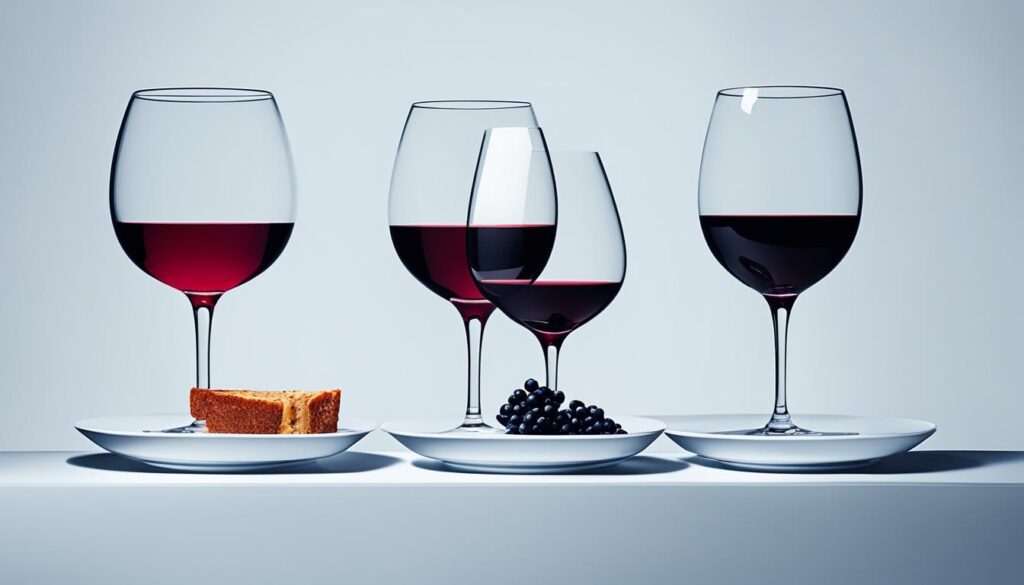
Contrast or Similarity in Pairings
When it comes to wine and food pairings, there are two main ways to go: contrast and similarity. Both can make for great pairings, but they work in different ways.
Contrast Pairings
Contrast pairings mean picking wines that stand out against the dish. For example, a crisp, acidic white wine goes well with a rich, creamy dish. The wine’s freshness cuts through the creaminess, refreshing your taste buds. A sparkling wine’s bubbles also pair well with salty foods.
Similarity Pairings
On the other hand, similarity pairings match wines and dishes that share similar flavors. A bold, full-bodied red wine goes great with a hearty red meat dish. Or, a sweet wine is perfect with a dessert. These pairings create a smooth dining experience.
Both contrast and similarity pairings have their own strengths. The contrast method is usually safer, as it’s more reliable. But, the similarity method can lead to exciting and tasty discoveries. It shows how well wine and food can work together.
| Pairing Approach | Examples | Potential Benefits |
|---|---|---|
| Contrast |
|
|
| Similarity |
|
|
The choice between contrast and similarity pairings is up to you and what you want from your meal. Trying different things is the best way to find the perfect match for your taste.
Regional Wine Pairings
Exploring regional cuisine and wine pairings offers a deep dive into the art of food and wine. Traditional dishes and local wines often grow together, creating classic pairings. These pairings are rooted in a region’s culinary traditions.
Italian Cuisine and Wine Pairings
Italian food is known for its bold flavors and tomato-based sauces. These pair well with the vibrant red wines of Italy, like Chianti or Sangiovese. The acidity and medium body of these wines match the rich, savory tastes of Italian dishes.
French Cuisine and Wine Pairings
French cuisine offers a wide variety of dishes, each with its own wine match. For example, the earthy Pinot Noir from Burgundy goes well with coq au vin. The bold Cabernet Sauvignon from Bordeaux pairs with hearty beef bourguignon.
Creating these pairings requires knowing how flavors work together. You need to balance them and decide if you want to contrast or complement the dish. By exploring these regional pairings, you can discover a world of culinary joy and improve your dining experiences.
« Pairing wine with food is an art form, and exploring the regional connections between cuisines and their local wines is a truly rewarding experience. »
Choosing the Right Wine for Your Meal
When planning your dining experience, picking the perfect wine can make your meal better. Look at the wine menu and pairing suggestions at the restaurant. This way, you can match the wine’s traits with your dish’s sauce or cooking method. This ensures a great restaurant wine menus and dining experience enhancement.
Consider the Wine Menu
Many restaurants offer wine pairing recommendations on their menus. These suggestions help you try new wine and food food and wine harmony combos. The restaurant’s advice can help plan your meal so the wine and food work well together.
Match the Wine to the Sauce
When choosing wine and sauce pairings, think about your dish’s sauce. The wine’s acidity, sweetness, or body should match the sauce’s flavors and textures. For instance, a rich sauce goes well with a full-bodied wine, while a light sauce suits a crisp, acidic white wine.
| Wine Characteristic | Recommended Food Pairing |
|---|---|
| Red Wines (Tannic and Bold) | Beef, Lamb, Tomato-based Dishes |
| White Wines (Crisp and Acidic) | Chicken, Fish, Salads |
| Sweet Wines | Desserts, Spicy Dishes |
By looking at the wine menu and matching the wine with the dish, you can make a dining experience enhancement. This lets the food and wine flavors shine together.
« The key to a perfect wine pairing is finding the balance between the wine’s and the dish’s flavors, where neither overpowers the other, but they work together in harmony. »
Wine Pairings by Flavor Profiles
Pairing wine with food can make dining more enjoyable. The mix of the wine’s sweetness, acidity, body, and tannins with the dish’s flavors creates a perfect balance. This balance makes the taste of both the wine and the food better.
Sweet wines like Riesling go great with desserts and sweet dishes. The wine’s sweetness matches the food’s sweetness. Salty and savory dishes are a good match for wines with high acidity, like Sauvignon Blanc. This acidity balances the flavors of the dish.
Umami-rich dishes and earthy flavors are enhanced by wines like Pinot Noir or Cabernet Franc. These wines have similar tastes, creating a great mix of flavors. Light-bodied wines like Pinot Noir are good with delicate dishes. Full-bodied wines like Malbec or Cabernet Sauvignon are better with richer dishes.
| Wine Characteristic | Food Pairing |
|---|---|
| Sweetness | Desserts, sweet dishes |
| Acidity | Salty, savory dishes |
| Body | Light dishes (light-bodied wines), hearty dishes (full-bodied wines) |
| Tannins | Fatty, umami-rich dishes |
Understanding how wine and food flavors work together can make dining special. It can create experiences that delight your senses and leave a lasting impression.
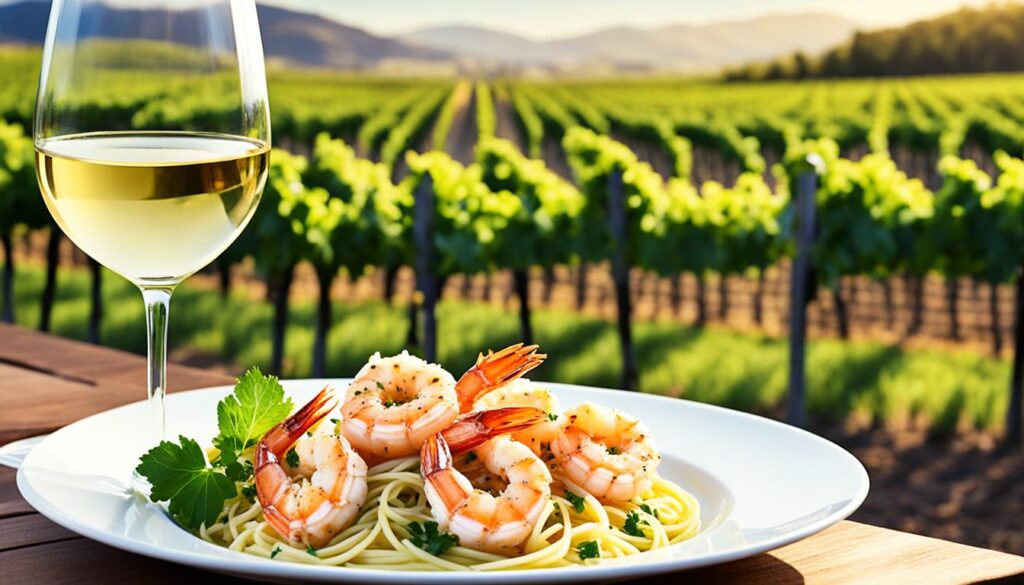
« The key to a perfect wine pairing is to find the balance between the flavors of the wine and the flavors of the food, creating a synergy that elevates the entire dining experience. »
Common Wine Pairing Mistakes to Avoid
When pairing wine with food, don’t just follow the rules. Trust your taste buds and try new things. Here are some wine pairing mistakes to avoid:
- Don’t ignore the strength of the wine and the dish. Match bold wines like cabernet sauvignon with rich foods, and light wines like sauvignon blanc with lighter dishes.
- Don’t ignore the type of flavors in the dish. For example, acidic dishes like tomato sauces go well with wines that are high in acid.
- Think about the wine’s temperature and sweetness. Serve dessert wines with desserts that are less sweet. And don’t pair champagne with sweets.
- Don’t stick to just one type of wine. Try different styles, grape types, and regions to find new pairing dos and don’ts.
By avoiding these flavor clashes, you can make better wine pairings. This will make your meals more enjoyable.
| Common Wine Pairing Mistakes | Correct Pairing Approaches |
|---|---|
| Pairing strong alcoholic wines with spicy foods | Choose off-dry wines under 12% alcohol to avoid making the spiciness worse |
| Pairing desserts with less sweet wines than the dessert itself | Use dessert wines that are sweeter than the dessert |
| Thinking there’s only one right wine for a dish | Trust your taste and try different wine styles and grape types |
Avoid these common wine pairing mistakes. By being more exploratory, you can greatly improve your dining experience. Thoughtful wine pairings can make meals more enjoyable.
Pairing Wine with Specific Dishes
Finding the right wine to pair with certain dishes can make your meal better. Whether it’s a tender filet mignon or a delicate Dijon-crusted salmon, the right wine can bring out new flavors. It can also make your dining experience more enjoyable. Let’s look at some classic pairings that can change your meals for the better.
A bold Cabernet Sauvignon is great with a juicy filet mignon. Its strong tannins and full taste match the steak’s richness. For the Dijon-crusted salmon, a crisp Sauvignon Blanc is perfect. It cleanses your palate with its refreshing taste.
| Dish | Wine Pairing | Why It Works |
|---|---|---|
| Filet Mignon | Cabernet Sauvignon | The wine’s firm tannins and full-bodied character complement the rich, tender steak. |
| Dijon-Crusted Salmon | Sauvignon Blanc | The wine’s crisp acidity and refreshing flavors provide a pleasant contrast to the delicate salmon. |
| Pasta with Tomato Sauce | Sangiovese | The wine’s cherry flavors and herbal notes pair beautifully with the classic Italian flavors of the dish. |
| Grilled Steak | Malbec | The wine’s bold, full-bodied character and subtle spice notes complement the smoky, charred flavors of the grilled steak. |
Trying out these pairings can open up new flavors and spark culinary creativity in the kitchen. By knowing how the wine and dish flavors work together, you can make meals that are both harmonious and memorable. This can delight your senses and make dining more enjoyable.
« Pairing the right wine with your meal can transform the dining experience, elevating the flavors and creating a truly synergistic relationship between food and drink. »
Exploring Wine Pairings at Restaurants
Dining at a restaurant can be amazing, especially when you check out their wine program. Many places have special wine programs and staff like sommeliers. They help pick the perfect wine pairings for your meal. This makes the dining experience unforgettable, as they offer insights and recommendations for the menu items.
Restaurants aim to have a wide range of wines that go well with their food. Sommeliers know a lot about wine pairing expertise. They can help you find the best pairings for each dish. Their advice can lead you to new flavors that make your meal better.
When looking at wine pairings, listen to the sommelier’s recommendations. Talk about what you like and what you’re eating. This way, you can find new wines and pairings you might not have tried before.
| Wine Varietal | Recommended Pairing |
|---|---|
| Cabernet Sauvignon | Red meat dishes, such as steak or lamb |
| Chardonnay | Seafood, poultry, and Mediterranean dishes |
| Provencal Rosé | Salads, grilled chicken, and outdoor events |
Trying wine pairings at restaurants can make your dining experience better. It lets you discover new tastes you might not have found by yourself. Always be open-minded and talk to the restaurant staff to get the most out of your meal.
« Pairing food and wine is potentially simple or complicated, suggesting that it can be a daunting task for individuals. »
The Importance of Wine Pairings
Learning how to pair wine with food is key to making meals special. The right wine can make a dish taste better and create a perfect balance. It also leaves a lasting taste on your tongue. By knowing how to pair wine with food, you can discover new tastes and enjoy the art of cooking.
Good wine pairings can make food taste better, feel smoother, and smell more inviting. Getting advice from a wine expert or a caring server can help you try new wines. This can make your meal more memorable and fun. It can also make you more likely to buy fancy wines, which helps the restaurant too.
Pairing food with wine is more of an art than a science. Sommeliers need to know how flavors, textures, and smells work together. They must consider what people like and what they can afford. By learning about wine and food pairings, you can find new tastes and enjoy the creativity in cooking.