Pocket pets have won the hearts of many with their charm. These small furry friends include gerbils, hamsters, chinchillas, and ferrets. They are perfect for those with limited space. If you love watching gerbils dig tunnels, hamsters collect nuts, or sugar gliders fly through the air, there’s a pocket pet for you.
This guide will dive into the world of these tiny companions. You’ll learn about their care, personalities, and how they can brighten your life.
Key Takeaways
- Pocket pets are a diverse group of small companion animals that have gained popularity as pets for animal lovers with limited space.
- These diminutive furry friends offer unique characteristics and traits that make them delightful additions to many households.
- Pocket pets range from gerbils and hamsters to chinchillas and ferrets, catering to a variety of preferences and lifestyles.
- This guide provides a comprehensive exploration of the world of pocket pets, including insights into their care, personalities, and the joy they can bring to your life.
- Responsible ownership and adherence to specific guidelines are essential for the well-being of pocket pets, especially in the context of regulations and laws in different regions.
What Are Pocket Pets?
Pocket pets are small, domesticated animals that people keep as pets. They include a mix of species, from hamsters and guinea pigs to sugar gliders and hedgehogs. These pets are smaller than dogs and cats, making them perfect for those with little space.
Overview of Pocket Pet Species
Pocket pets are a mix of rodents and marsupials, each with their own needs. Some popular pocket pets are:
- Hamsters
- Gerbils
- Guinea Pigs
- Rats and Mice
- Chinchillas
- Sugar Gliders
- Hedgehogs
Unique Characteristics of Pocket Pets
Pocket pets have traits that make them stand out. Hamsters can store food in their cheeks. Sugar gliders glide through the air. Hedgehogs have quills for defense. Knowing these traits helps pick the right pet for your home.
| Pocket Pet Species | Unique Characteristics |
|---|---|
| Hamsters | Ability to store food in their cheeks |
| Sugar Gliders | Impressive gliding capabilities |
| Hedgehogs | Prickly quills for defense |
« Pocket pets exhibit a variety of unique characteristics, such as the ability to store food in their cheeks (hamsters), the impressive gliding capabilities of sugar gliders, and the prickly quills of hedgehogs. »
Gerbils: The Tunnel Diggers
Gerbils are a type of pocket pet known for their amazing tunnel-digging skills. They come from Mongolia and were brought to the U.S. in 1956. Since then, they’ve become popular pets. These rodents are social and love to live with others, unlike hamsters and mice.
Gerbils have a special way of communicating called « thumping. » They use their hind legs to show excitement, stress, or to find a mate. It’s important to give them places to dig and burrow. This tunnel-digging is a natural behavior for them.
« Gerbils are fascinating little creatures that thrive on the opportunity to burrow and explore their surroundings. Their social nature and unique communication methods make them endearing pets for any animal lover. »
If you’re thinking about getting a gerbil, it’s good to know about their needs. They love to dig and be with others. With the right care, these tunnel-digging friends can make your home happier and more fun.
Hamsters: Adorable Packrats
Hamsters are beloved pocket pets, winning hearts with their cute looks and fun behaviors. They come in many species, each with its own traits. Popular breeds include the Syrian, Roborovski, Campbell’s Dwarf, Chinese, and Winter White Russian Dwarf hamsters.
Different Hamster Species
Hamsters vary in size, from 2 inches to 13 inches long. They are famous for storing food in their cheek pouches, making their heads look bigger. This habit has made them known as « packrats. » Despite their size, hamsters live about 2.5 years, but can reach 4 years with good care.
Lifespan and Care
Hamsters need the right home, food, and activities to stay healthy and happy. A good habitat, balanced diet, and lots of playtime are key. Knowing what each hamster type needs helps pet owners create a great home for their pocket pets.
| Hamster Breed | Average Size | Lifespan |
|---|---|---|
| Syrian Hamster | 6-7 inches | 2-3 years |
| Roborovski Dwarf Hamster | 2-2.5 inches | 2-3 years |
| Campbell’s Dwarf Hamster | 3-4 inches | 2-3 years |
| Chinese Hamster | 2-3 years | |
| Winter White Russian Dwarf Hamster | 3-4 inches | 2-3 years |
Fancy Rats and Mice: Intelligent Companions
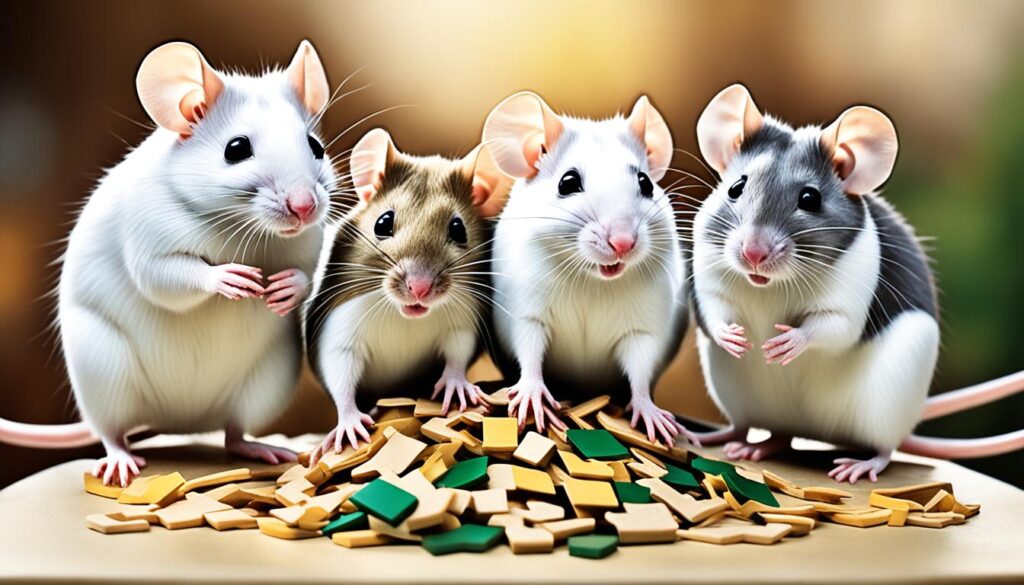
Rats and mice are similar as pocket pets or rodents. But, they are different in size, behavior, and intelligence. Mice like to be alone and enjoy their own company, similar to hamsters. On the other hand, rats act like « little dogs » because they love being around people and forming close bonds.
Rats are very intelligent and can learn tricks, making them great pets. Both fancy rats and mice have been loved as pets for over a hundred years. The National Mouse Club of Britain was even started in 1895.
Differences Between Rats and Mice
- Average lifespan: Mice live 1-2 years, while rats live 2-3 years on average.
- Social needs: Mice like to be alone or with another mouse of the same sex. Rats do well in small groups.
- Size: Rats are bigger than mice and usually weigh less than a pound.
- Trainability: Rats are very intelligent and can be trained. Mice are more independent.
- Health concerns: Both rodents can get tumors. Rats might also get pneumonia and other lung problems.
Knowing the special traits of these rodents helps people pick the right pocket pet for their lifestyle and personality.
« Rats are often described as ‘little dogs’ due to their social nature and tendency to form strong bonds with their human companions. »
Guinea Pigs: Affectionate Rodents
Guinea pigs are not related to pigs but are part of the rodent family. They come from the Andes mountains in South America. The Incas domesticated them long ago. Once they trust their owners, they become very affectionate and love to interact.
These rodents are very clean, spending a lot of time grooming themselves and others. They can’t make their own Vitamin C, so they need it in their food. Their teeth also keep growing, so they need things to chew on to stay healthy.
Origins and Physical Traits
Guinea pigs, or cavies, were first domesticated by the Inca civilization in the Andes mountains. They have a stocky build, rounded bodies, and short, rounded ears. They can be white, black, brown, or a mix of these colors.
| Breed | Characteristics |
|---|---|
| English Guinea Pig | Smooth, short coat with a rounded appearance |
| Abyssinian Guinea Pig | Distinct rosettes or « cowlicks » in their coats |
| Peruvian Guinea Pig | Long, flowing coat that can trail on the ground |
Guinea pigs are known for being affectionate and social. They make great pocket pets with the right care. These rodents can be wonderful companions for those who love animals.
pocket pets
Pocket pets are small, domesticated animals that many people keep as pets. They include rodents like hamsters, gerbils, and guinea pigs. Also, there are hedgehogs, chinchillas, and sugar gliders among them. Each pocket pet has its own care needs and personality, fitting different homes and lifestyles.
These pets can live from 18-36 months to up to 10 years. For example, hamsters live shorter lives, while chinchillas can live longer. Guinea pigs and mice have different sizes, with guinea pigs being heavier than mice. It’s important to take good care of them, including keeping the right temperature and feeding them well.
Pocket pets bring joy and companionship to our lives. They give us a chance to have a furry friend, even if we don’t have a lot of space. With their unique traits and personalities, they offer a variety of choices for those looking for small pets or exotic pets.
« Pocket pets are the perfect companions for those who want the joy of an animal in their home, but may not have the space or resources for a larger pet. »
Hedgehogs: Prickly but Precious
Hedgehogs are unique pocket pets known for their spiny coats. They’ve been around for over 15 million years. These creatures have 5,000 to 7,000 quills on their bodies. Unlike porcupines, their quills are not barbed or poisonous, making them safe to handle with care.
Hedgehogs are often more fearful of people. They need extra attention and gentle handling to do well as pets. Despite looking prickly, they have an interesting trait. They are immune to most snake venom, a fact known from the Brothers Grimm fairytale, « Hans My Hedgehog. »
Unique Characteristics of Hedgehogs
- About 25% of hedgehogs carry a fungus that can cause skin diseases in humans.
- People allergic to small pets like hamsters or ferrets might react to hedgehogs too.
- Hedgehogs can carry fleas, mites, or ticks, which can bother humans who handle them.
| Trait | Description |
|---|---|
| Quill Count | Between 5,000 and 7,000 quills on their bodies |
| Quill Type | Not barbed or poisonous, making them generally safe to handle |
| Venom Immunity | Immune to most types of snake venom |
« Hans My Hedgehog, » a lesser-known Brothers Grimm fairytale, explores the fascinating adaptation of hedgehogs being immune to most types of snake venom.
Despite their prickly look, hedgehogs can be unique and rewarding pocket pets. They need the right care and attention from their owners.
Chinchillas: The Softest Fur
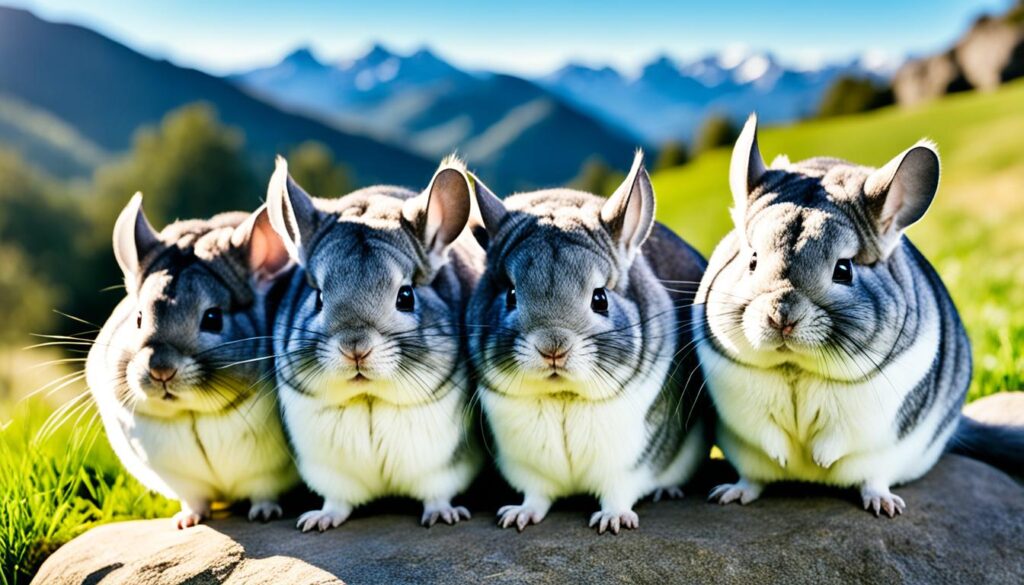
Chinchillas are known for their incredibly soft fur. They are often seen as the softest pocket pets. But, they need special care that owners should know about.
Special Care Requirements
Chinchillas can’t control their body temperature. So, they must stay in a warm spot, between 60-70 degrees Fahrenheit. They also need special dust baths to keep their fur clean. Getting them wet can cause health problems.
Chinchillas have poor eyesight and use their whiskers to see and move around. Despite this, they are amazing jumpers, leaping up to 6 feet high.
Chinchillas have the thickest fur of any land mammal. Each square centimeter has about 20,000 hairs, with 50 coming from each follicle. This makes their fur very valuable.
The chinchilla population has sadly dropped by 90% in 15 years. Now, both species are listed as Endangered by the IUCN Red List.
| Chinchilla Fact | Value |
|---|---|
| Gestation Period | 111 days |
| Average Lifespan | 10-15 years |
| Hairs per Follicle | 50 |
| Hairs per Square Centimeter | 20,000 |
| Maximum Jumping Height | 6 feet |
Chinchillas need special care but are loving and engaging pets. Their soft fur and sweet nature make them a favorite among animal lovers.
Sugar Gliders: Aerial Acrobats
Sugar gliders are small, gliding marsupials known for their impressive air skills. They can glide over 150 feet through the air. These pets are related to kangaroos and bond strongly with humans. Their ability to glide comes from a special skin flap called the patagium.
These nocturnal creatures make sounds like chirps and barks at night. They are smart and can learn their names and tricks. This makes them fun and interactive pets for those who care for them well.
Sugar gliders are tiny and can hide in small spots. They live in groups of up to twelve in the wild. This group life can lead to competition for mates when food is plentiful.
Despite being small, sugar gliders can form close bonds with humans. They can climb on hands and respond to calls. Their diet is varied, including foods like udon noodles, shrimp, and strawberries.
Sugar gliders can live up to 12 years in captivity, with some living as long as 17.8 years. They are not considered endangered but face threats from predators like kookaburras and foxes.
If you’re interested in their aerial skills or their charming nature, sugar gliders are fascinating marsupial pets.
Ferrets: Ancient Egyptian Companions
Ferrets are among the oldest pocket pets, with pictures of them on leashes in ancient Egyptian tombs. They live about 6-7 years and can sleep so soundly they can’t be woken up. This makes them unique.
Ferrets don’t fear humans, making them great for playing and bonding with their owners. Ferrets are ancient but still bring joy and love to many homes as pocket pets.
Interesting Facts About Ferrets
- Ferrets come from the European polecat and were used to hunt rodents since the Middle Ages.
- Ferrets come in many colors, like white, yellow, and mixed colors, showing their mix of mink, marten, fitch, or polecat blood.
- Ferrets can be small or as big as a cat, showing their variety in size.
- They are domesticated, not wild, and come from the weasel family, including mink, marten, polecat, and fitch.
- There’s been a big push to improve American ferrets to be smarter and better hunters than English ones.
| Characteristic | Description |
|---|---|
| Behavior | Ferrets are usually calm but can get loud and smell like skunk when upset. They can be very social but may fight with strangers. |
| Activity Patterns | Ferrets sleep a lot during the day but become playful at dusk. |
| Predatory Instincts | Ferrets have a strong dislike for rats and can sense danger from their scent. |
| Physical Traits | Ferrets are flexible, which helps them move through tight spaces to catch rats. |
« Ferrets are one of the oldest pocket pet species, with depictions of domesticated ferrets on leashes found in ancient Egyptian tombs. »
Rabbits: Sociable and Trainable
Rabbits are great pocket pets known for being sociable and trainable. They are smart and curious, forming strong bonds with people. They can even learn to use a litter box. With the right care, they are also pretty odorless pets.
Rabbits need lots of social time, exercise, and brain games to stay happy and healthy. Without these, they might chew on things they shouldn’t. With the right care, they become great pets for animal lovers who want a soft, sociable friend at home.
The San Diego House Rabbit Society says rabbits need about 16 square feet of space if they’re locked up some of the day. They should be able to hop around their cage easily. The best temperature for them is between 60 to 70°F.
| Rabbit Breed | Minimum Cage Size |
|---|---|
| Giant Breeds (greater than 12 pounds) | 30×36 inches to 36×48 inches |
| Medium Breeds (7-12 pounds) | 24×30 inches to 30×36 inches |
| Smaller Breeds | 18×24 inches |
Rabbits need at least one litter box each. In groups of 3+, add two more litter boxes. About 80% of their diet should be high-quality grass hay. The rest can be green foods, pellets, treats, and supplements/vitamins.
With the right care, rabbits become wonderful, easy-to-care-for pocket pets for animal lovers. They are sociable and trainable companions.
Proper Care for Pocket Pets
Caring for pocket pets like rabbits, guinea pigs, and gerbils needs special knowledge. You must know their unique needs. It’s important to provide the right housing, environment, and diet for their health and happiness.
Housing and Environmental Needs
The right housing is key for pocket pets. Gerbils love to dig, so give them a deep layer of bedding like aspen shavings or shredded newspapers. Rabbits need lots of exercise outside their cage to stay fit and healthy.
Keeping their environment comfy is crucial. Pocket pets are sensitive to temperature and humidity changes. So, their living space should be at the right temperature and humidity levels. Good ventilation and fresh air are also important for their well-being.
Diet and Nutrition
Good nutrition is vital for pocket pets. Each type has its own diet needs, and ignoring these can cause health problems. For example, guinea pigs need more vitamin C than other pets, and rabbits eat high-quality pellets and fresh grass hay.
Feeding your pocket pet a varied, balanced diet with clean water is key to their health. Talking to a vet or pet care expert can help you make a feeding plan for your pet.
« Proper care and attention to the unique needs of pocket pets can make all the difference in their health and happiness. »
Knowing what pocket pets need for housing, environment, and diet helps you care for them well. Regular vet visits and prevention can also protect their health. This way, you can make sure these small friends are happy and healthy at home.
Conclusion
Pocket pets are a joy for those with limited space, offering companionship and delight. From gerbils digging tunnels to sugar gliders flying through the air, each pet has its own special traits. Knowing what each pet needs helps you pick the right one for your life.
Maybe you love the cuddles of guinea pigs, the smarts of fancy rats, or the softness of chinchillas. There’s a pocket pet for everyone. These little friends are not just cute; they let us connect with nature and appreciate animal diversity.
Starting with a pocket pet means caring for them well. It’s important to be a responsible owner and meet their needs. With the right care, these small pets can be your friends for life. They’ll make your days brighter, more fun, and full of wonder.