
Welcoming a pet bird into your home is exciting but can also be a bit overwhelming, especially for first-timers. It’s key to know how to take good care of your bird to keep them happy and healthy. This guide will help you learn about bird care, bird behavior, avian nutrition, and more. By following these tips, you can build a strong bond with your pet bird.
Key Takeaways
- Understand the unique needs and behaviors of different bird species to provide the best possible care.
- Ensure a spacious, clean, and stimulating environment for your pet bird’s physical and mental well-being.
- Offer a nutritionally balanced diet that caters to your bird’s specific dietary requirements.
- Recognize signs of illness and seek prompt veterinary attention to maintain your bird’s health.
- Engage in regular socialization and training to strengthen the bond with your feathered companion.
Understanding Bird Behavior
Learning about bird behavior is key to caring for our feathered friends. Birds show many unique behaviors, like preening and napping. These actions tell us a lot about their health and feelings.
Preening: A Feathery Ritual
Preening is crucial for birds. They clean and arrange their feathers carefully. This keeps their feathers in top shape and helps them feel calm and happy.
Messing up their Cage: A Sign of Boredom
If a bird messes up its cage, it might be bored or unhappy. This could mean it lacks things to do or its needs aren’t met. Adding toys, different perches, and places to explore can help.
Beak Grinding and Regurgitating: Relaxation Signals
Beak grinding and regurgitating show a bird is relaxed and happy. These actions mean your bird feels safe and content in its home.
Napping: A Necessary Rest
Napping is common for many birds. But too much sleeping could mean illness or health problems. Watching how much your bird sleeps can help spot any issues early.
Understanding bird behavior, pet bird body language, bird psychology, and avian communication helps make a great home for your bird. Paying attention to these behaviors ensures your bird is happy and healthy.
« The more you observe bird behavior, the more you’ll appreciate the complexity and richness of their lives. » – Wenfei Tong, author of « Understanding Bird Behavior »
Providing a Proper Diet
Keeping your pet bird on a balanced diet is key for their health and happiness. A diet full of avian nutrition helps them stay active, keeps their immune system strong, and supports a long life.
Balanced Nutrition
A good bird diet mixes high-quality bird food with fresh fruits, veggies, and bird treats. Make sure your bird gets all the vitamins, minerals, and nutrients they need to be healthy.
Fresh and Varied Foods
- Give your bird a mix of fresh produce like dark leafy greens, carrots, and berries.
- Stay away from processed foods, high-fat snacks, and things that could be harmful to pet birds.
- When adding new foods, do it slowly and be patient. It might take time for your bird to try new things.
Healthy Treats
Bird treats should be given in small amounts but can add variety to your bird’s diet. Choose low-fat, nutrient-rich options like cooked whole grains, unsweetened dried fruit, or small pieces of boiled egg.
By giving your bird a diet rich in avian nutrition, you’re helping them live a happy, healthy life. Talk to your vet to find out the best diet for your bird type.
« Proper nutrition is a common cause of health problems in pet birds. Transitioning a bird from a seed-based diet to pellets involves a gradual process of mixing pellets with seeds over 2-3 weeks. »
bird care
Caring for a pet bird means looking after their health, diet, and living space. It’s important to give them a balanced diet and a rich environment. You also need to keep them healthy and clean. This section will give you key tips for a happy bird.
Establishing a Healthy Diet
Feeding your bird right is key to their health. They should eat 60-70% pelleted food and 30-40% fresh, low-fat fruits and veggies. Don’t give them more than 10% treats like seeds and nuts. Always change their diet slowly to prevent upset stomachs.
Maintaining a Clean and Enriching Environment
Keeping your bird’s home clean and interesting is vital. Use paper lining in their cage for easy cleaning and health checks. Clean the cage weekly with mild soap and disinfect with bleach. Add different toys and perches to keep them busy and happy.
Grooming and Feather Care
Regular grooming keeps your bird comfortable and healthy. Trim their nails monthly to prevent pain and injury. Trim their wing feathers every six months to stop them from flying away. Bathing or misting them encourages them to groom themselves.
By focusing on these key areas of care, your bird will live a happy and healthy life. Remember, every bird is different, so adjust your care to fit their needs.
Importance of Socialization
Birds are social animals that need to be socialized. They rely on regular interaction with their owners and other birds for happiness. Spending time with your bird daily is key to their mental and emotional health.
Interaction with Owners
Introducing new people to birds under a year old works best for socialization. Using treats to encourage interaction helps a lot. Hand-feeding by different people boosts their social skills.
Putting the bird’s cage where people often pass by helps them get used to the household. This makes them more social.
Bird Flock Dynamics
Certain birds, like cockatoos or African Greys, show different social behaviors. Some are excited, others timid, in groups. Early, positive meetings with new people help young birds learn to socialize.
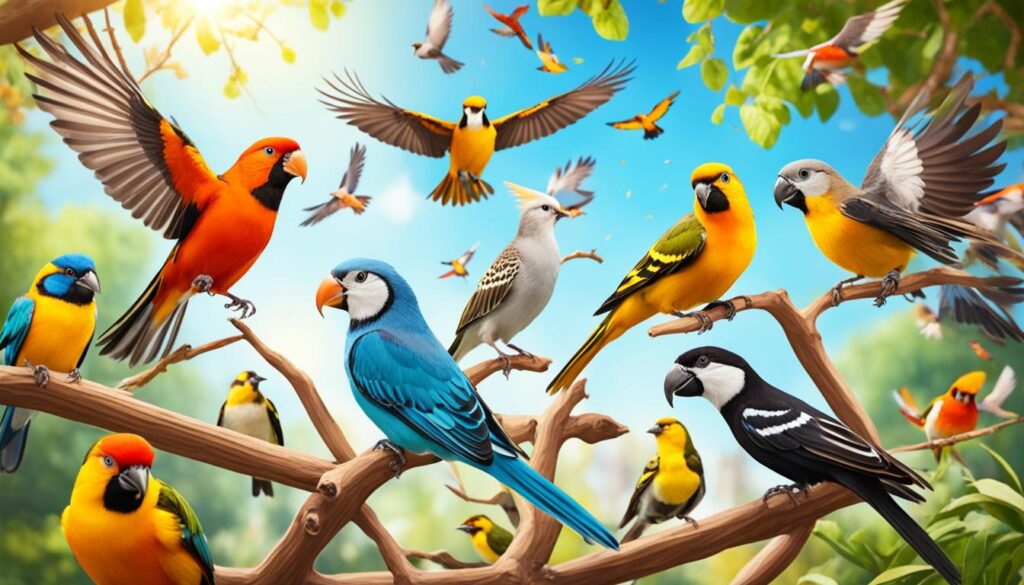
« Socialization and desensitization are key in bird training. Socialization makes birds comfortable with people, birds, or animals. Desensitization helps them accept their environment. »
Early socialization and desensitization are vital for a bird’s happiness. Without it, they might spend their life in a small space, lowering their quality of life.
Creating an Enriching Environment
Creating a rich environment for your pet bird is key for their happiness and health. A big, well-thought-out bird habitat with lots of perches, ladders, and bird toys will keep your bird busy and happy.
Spacious Cage Setup
Make sure your bird’s pet bird cage is big enough for them to move around and act naturally. Add a mix of bird perches at various heights and textures. This will help your bird stay active and healthy.
Perches and Toys
Change out bird enrichment toys and activities often to keep your bird interested. Offer toys that match your bird’s natural behaviors, like shredding and foraging. This makes their bird environment better and keeps them happy.
| Bird Size | Enrichment Recommendations |
|---|---|
| Small Birds | Smaller toys and softer wood densities for their small beaks |
| Medium-sized Birds | Slightly bigger and sturdier toys that challenge their intelligence |
| Large Birds (Parrots, Macaws) | Toys that match their powerful beaks and curious nature |
Enriching a bird’s environment can make their life better. It gives them stimulation, learning chances, encourages independent play, and keeps them engaged. This makes their daily life better and brings joy to both the bird and the owner.
Exercise and Training
Keeping your feathered friend happy and healthy is more than just about a comfy home. Bird exercise and mental stimulation are key. Letting your bird out of their cage, under watchful eyes, lets them stretch and act naturally.
Teaching your bird simple tricks is fun for both of you. It makes your bond stronger and keeps your bird’s mind sharp. This stops boredom and helps avoid bad behavior. Mixing physical and mental activities in your bird’s daily life is best.
Out-of-Cage Time
Experts say your pet bird should have at least 1 hour of time out of their cage daily. This can be done in a safe area, like a bird-proofed room or a closed patio. Watch out for dangers like ceiling fans, open windows, and breakable things, and always watch your bird closely.
Teaching Tricks
Doing training activities with your bird strengthens your bond and keeps their mind busy. Begin with easy tricks, like stepping on your finger or target training, and move to harder ones. Giving your bird treats they love makes training work.
« Incorporating both physical and cognitive activities into your bird’s routine will help them thrive. »
Offering your pet bird lots of exercise and training chances keeps them well and stops bad behavior. A happy and sharp bird is a sign of good care!
Maintaining Avian Health
Keeping your feathered friend healthy is key for any bird owner. Birds often hide signs of illness. It’s important for owners to watch their pet’s behavior and health closely.
Spotting symptoms early, like changes in droppings, loss of appetite, or labored breathing, is crucial. This can help address health issues quickly.
Signs of Illness
Healthy birds have vibrant eyes, clean feathers, a strong appetite, lots of energy, and active behavior. But, by the time a bird shows signs of sickness, the illness is often advanced. Some common signs of illness include:
- Decline in appetite and/or water intake
- Increased aggression or lethargy
- Fluffed feathers and weight loss
- Abnormal breathing or unusual discharge from eyes or nose
Common Health Issues
Knowing about common avian health problems can help owners care for their birds better. Issues like respiratory diseases, parasitic infestations, and proventricular dilatation disease are common. It’s wise to have a relationship with an avian vet for expert advice and quick treatment.
Owners should be ready for health emergencies by keeping birds warm and avoiding self-medication. Having a bird first aid kit is also a good idea. While there aren’t many first aid classes for birds, books and online articles can help with emergency care and disaster prep.
Grooming and Feather Care
Keeping your pet bird’s feather health and bird grooming in check is key. Regular bird bathing in lukewarm water or misting keeps their feathers looking great. It’s also vital to give them perches and toys that wear down their bird beak and claw naturally.
Preening is vital for bird care. It keeps feathers in good shape, supports exercise, and aligns feathers for flying. It also waterproofs feathers, removes sheaths from new feathers, and keeps birds warm or cool. A parrot can have from 2,000 to 8,000 feathers, depending on its type and size.
Watching your bird’s grooming habits and making sure their feathers, beak, and claws are cared for is good for their health. Too much preening can happen in hand-fed birds that don’t know how to preen right. This can lead to an unhealthy focus on feather care. Not preening enough can mean a bird doesn’t care about self-care and might be sick.
| Feather Health Factors | Potential Causes |
|---|---|
| Over Preening | Infections (feather mites, fungal), Injuries/Aggression, Dietary Deficiencies, Parasites, Liver Disease |
| Under Preening | Disinterest in Self-Care, Potential Health Issues |
Preening is something birds learn from others, like their parents. Young birds watch and learn how to groom and preen. They need regular nail trims, especially if their nails curve or make it hard for them to perch.
« Proper avian-certified veterinary care is essential for maintaining bird health and longevity. »
Choosing the Right Bird Species
When you bring a pet bird into your home, picking the right species is key. Different pet bird breeds have their own avian personalities, care needs, and how well they fit with your home. Learning about popular bird species, like parrots, finches, and canaries, helps you choose the best match for you and your bird.
Smaller birds like parakeets and finches live from 4 to 18 years. They’re great for beginners because they’re easier to care for. But, bigger parrots and cockatoos can live up to 80 years. They need a big commitment of time and resources.
Think about the bird’s noise level, social needs, and potential behavior issues when picking a bird species. Birds like cockatiels and canaries are quiet, making them good for homes that value peace. But, birds like parrots and conures need lots of attention and can’t be left alone for long.
| Bird Species | Average Lifespan | Noise Level | Social Needs |
|---|---|---|---|
| Parakeet | 6-18 years | Moderate | Moderate |
| Cockatiel | 16-30 years | Low | High |
| Finch | 4-12 years | Low | High |
| Canary | 8-20 years | Low | Moderate |
| Amazon Parrot | 50 years | High | High |
| African Grey Parrot | 50-75 years | Moderate | High |
Think about pet bird breeds, their traits, and your lifestyle to make sure you and your bird will get along well.
Cage Maintenance and Hygiene
Keeping your pet bird’s cage clean is key for their health and happiness. A regular bird cage cleaning schedule is vital. It stops waste and harmful stuff from building up.
Cleaning Routines
Every day, change the cage liner to keep things fresh and comfy. Clean food and water bowls with a mild detergent to stop bacteria. Wash the cage tray and scrub the grate weekly to get rid of germs.
Change perches every week to keep your bird’s home clean. This is part of good avian habitat maintenance.
- Soak toys in water weekly to keep them germ-free.
- Do a deep clean of the cage every month with a strong brush and safe cleaner.
- Check and clean out any spots in the cage base where germs hide.
- Dry the cage well after cleaning to keep your bird warm.
Keeping your bird’s home clean boosts their pet bird hygiene. It might even help them live longer.
Safe Disinfectants
Choosing the right bird cage disinfectants is important. Use diluted household bleach or quality dish soap. These are safe and work well.
« Bleach is one of the most common products that should never be used to clean a bird cage. It can cause skin and respiratory irritation in birds. »
Stick to a cleaning routine and pick safe disinfectants. This way, your pet bird will have a clean, healthy place to live.
Preventing Zoonotic Diseases
We love the joy and companionship our birds bring. But, we must know about zoonotic diseases – illnesses from animals to humans. Psittacosis, or « parrot fever, » is one such disease caused by Chlamydia psittaci bacteria.
To keep your bird and yourself safe, follow important steps. This means washing your hands well, cleaning the cage often, and keeping things clean around your bird.
Psittacosis Awareness
Knowing the signs and symptoms of psittacosis is key. Look out for fever, chills, headaches, and breathing problems. If it gets worse, it can turn into pneumonia. Quick medical help is important for your health.
Learn about other bird diseases like salmonellosis and listeriosis too. Regular vet visits and a clean home for your bird help prevent these diseases. This keeps you and your bird safe.
By being proactive and informed, you can enjoy your bird’s company. You’ll also keep your health and your bird’s well-being in check.
| Zoonotic Disease | Symptoms | Prevention |
|---|---|---|
| Psittacosis (Parrot Fever) | Fever, chills, headaches, respiratory issues | Thorough handwashing, cage cleaning, maintaining good hygiene |
| Salmonellosis | Diarrhea, fever, abdominal cramps (1-3 days after infection) | Avoid contact with baby chicks and ducklings, especially for children under 5 |
| Listeriosis | Fever, muscle aches, diarrhea, headache, stiff neck (1-4 weeks after exposure) | Avoid consumption of raw milk products and unpasteurized foods |
« Maintaining good hygiene and seeking prompt medical attention are essential in preventing the spread of zoonotic diseases from birds to humans. »
Traveling with Pet Birds
Pet bird owners often face the challenge of transporting their feathered companions during trips or vacations. Ensuring the safety and comfort of your avian friend during travel is crucial. With proper planning and preparation, pet bird travel can be smooth and enjoyable for both you and your bird.
Most birds handle car and airplane travel well, with some even enjoying the excitement of the journey. Small birds like budgies, canaries, and cockatiels can be carried in a sturdy cardboard box or a specialized pet carrier for short trips. Airlines have their own rules for birds, often needing pre-authorization and specific pet carriers that fit under the seat.
Traveling with pet birds internationally can be complex. Some countries need health certificates, medical tests, or even microchip implantation for identification and ownership verification. Quarantine periods upon arrival can last from days to weeks to prevent disease spread.
- Research airline and destination regulations well in advance to ensure a seamless travel experience.
- Get your bird used to the travel cage or carrier before the trip to reduce anxiety.
- Secure and sturdy cages are key for longer car rides, with the bird’s cage safely fastened or positioned in the vehicle.
- Have familiar food, water, and toys ready to keep your bird calm and comfortable during the journey.
Traveling with pet birds may need extra planning and precautions. But, it can be a rewarding experience for both you and your bird. Being informed and taking the right steps ensures a safe and enjoyable pet bird travel adventure.
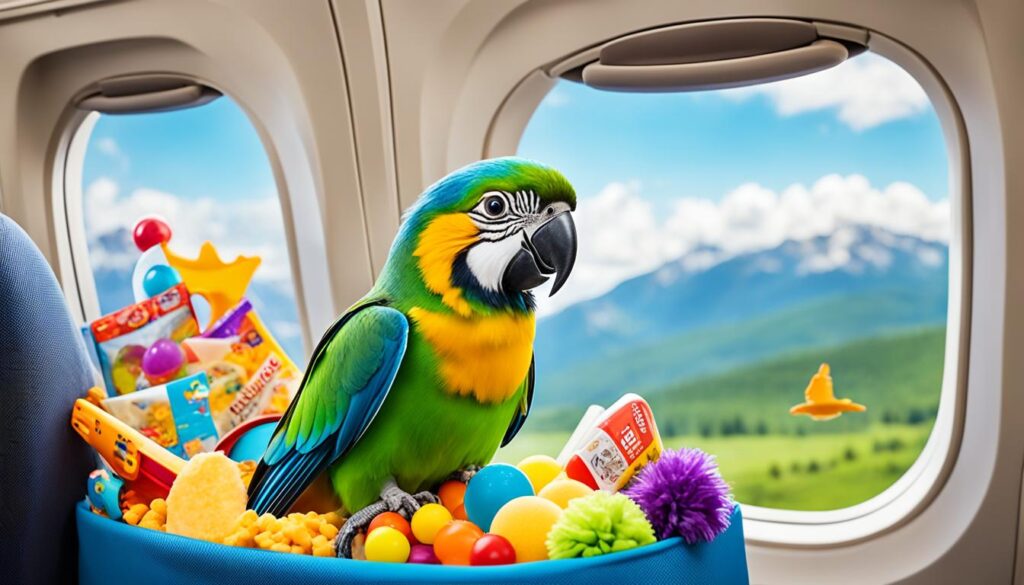
« Traveling with a pet bird can be an exciting and enriching experience, but it requires thorough preparation and attention to the unique needs of our feathered friends. »
Introducing New Birds
Adding a new bird to your home is exciting but needs careful planning. Birds love being with others, so how they fit into a group is important for their happiness. It’s key to help a new bird get used to its new home and friends without stress.
Not all birds like living with others. Smaller birds like finches and budgerigars often enjoy being with their kind. But, bigger birds like macaws and cockatoos might be a threat to smaller ones. Always check what each bird type likes before bringing them together.
It can take a while for birds to accept each other, sometimes months. Adopting a bird can give it a loving home, as many are looking for new homes. But, remember, birds of different ages might not always get along, and success is not guaranteed.
To help birds get along, keep the new one in a separate room for a month first. Pay attention to both birds and reward them for being calm together. Don’t put birds of very different sizes together because they might get hurt.
It takes time for birds to adjust to a new friend, and doing it slowly helps. But, some birds might never really like having a new friend around. There’s no promise they will become friends.
Key Considerations for Introducing New Birds
- Research the social needs and preferences of the bird breeds you’re considering
- House the new bird in a separate room for at least a month to allow the existing bird to acclimate
- Provide attention and rewards to both birds simultaneously to encourage bonding
- Avoid housing birds of significantly different sizes together due to the risk of injury
- Understand that some birds may never fully accept a new companion
« Introducing a new bird can be a delicate process, but with patience and understanding, you can help your feathered friends establish a harmonious flock. »
By following best practices for introducing new birds and understanding their social needs, you can make your bird friends happier and more harmonious. With a thoughtful approach, your birds can form strong bonds and live well together.
Conclusion
Caring for a pet bird is rewarding but requires a big commitment. By learning about bird care summary, avian pet ownership, and responsible bird parenting, you can make sure your bird is happy at home. Every bird is different, so you’ll need to adjust your care to fit your pet’s needs.
With the right knowledge, patience, and attention, you can make a loving home for your bird. This means giving them a good diet, a nice place to live, and taking care of their health. It also means making sure they get to interact with others.
By taking on the joys and challenges of responsible bird parenting, you can build a strong bond with your bird. This can also help you make a positive difference in the world of birds. Whether you’re new to birds or have been caring for them for a while, this article can guide you in caring for your feathered friend.