
Many people aim to lose weight and stay healthy. This article will look at different nutrition plans that help with weight loss and boost health. You’ll learn about the Mayo Clinic Diet and the DASH approach, among others. These plans are backed by science and can fit various lifestyles.
It will also cover plant-based diets, time-restricted eating, and high-fat diets like the ketogenic plan. Each method has its own benefits and things to consider. By the end, you’ll know about the best nutrition plans for losing weight in a lasting way.
Key Takeaways
- Explore a range of effective nutrition plans for weight loss, including the Mayo Clinic Diet, Mediterranean Diet, and DASH Diet.
- Understand the benefits and considerations of plant-based diets, intermittent fasting, and high-fat diets like the ketogenic plan.
- Discover science-backed strategies to find the right weight loss plan that aligns with your lifestyle and preferences.
- Learn about the importance of developing sustainable eating habits and incorporating physical activity for long-term weight management.
- Gain insights on consulting with healthcare professionals to personalize your nutrition plan and address any health concerns.
Understanding the Mayo Clinic Diet
The Mayo Clinic Diet is made by experts at the Mayo Clinic to help people lose weight and keep it off. It has two phases: « Lose It! » and « Live It! ». These phases focus on making lifestyle changes for better weight management.
Purpose and Benefits
The main goal of the Mayo Clinic Diet is to help you lose weight and eat healthier. On average, people lose 5.3% of their weight in the digital program. This is 80% more than those who go to in-person meetings.
The Mayo Clinic Diet is in 10 out of 11 « Best Diets » categories by U.S. News & World Report 2023. This shows it’s effective and flexible.
How the Diet Works
The diet focuses on eating foods like fruits, veggies, and whole grains. It also suggests regular exercise. There are different meal plans, like Healthy Keto and Vegetarian, for everyone’s taste.
Members can track over 1 million foods. The « Lose It! » phase helps you lose 6 to 10 pounds in two weeks safely.
Meal Planning and Physical Activity
Meal planning and controlling portions are important in the Mayo Clinic Diet. The « Live It » phase aims for a 1 to 2 pound weight loss each week. Exercise is also key for health benefits.
The diet offers tools, support, and advice to help you in your weight loss and healthy living journey.
« The Mayo Clinic Diet is ranked fourth for the overall best diet in the 2022 U.S. News and World Report rankings. »
Exploring the Mediterranean Diet for Weight Loss
The Mediterranean diet is known as one of the healthiest ways to eat. It focuses on eating foods that are less processed and plant-based. This means lots of fruits, veggies, whole grains, legumes, nuts, and olive oil. It also includes some fish, poultry, and dairy, but less red meat and processed foods.
Key Features and Health Benefits
This diet is linked to many health perks. It can lower the risk of heart disease, type 2 diabetes, and some cancers. Eating healthy fats, fiber, and nutrient-rich foods helps with weight loss and staying healthy.
- The Mediterranean diet helps with weight loss, cuts down heart attack, stroke, and type 2 diabetes risks, and lowers the chance of early death.
- Studies show that eating this diet for 5 years can prevent gaining too much weight.
- The American Heart Association suggests it for preventing heart disease and stroke.
- It’s great for heart health by lowering blood pressure.
- It can also help keep blood sugar stable and protect against chronic diseases.
Choosing the Mediterranean diet is a smart way to lose weight and get healthier. By eating lots of plant-based foods and healthy fats, you get to enjoy its many health benefits.
« For six consecutive years, health and nutrition experts have ranked the Mediterranean diet as the best overall diet. »
The DASH Diet: A Heart-Healthy Approach
The DASH (Dietary Approaches to Stop Hypertension) diet is a plan to lower blood pressure and boost heart health. It focuses on eating more fruits, veggies, whole grains, low-fat dairy, and lean proteins. It also suggests eating less sodium, red meat, added sugars, and unhealthy fats.
Daily Meal Recommendations
The DASH diet gives clear guidelines for daily food intake. This helps people make meals that are both tasty and full of nutrients. Here are the daily food group servings:
- Whole Grains: 6-8 servings per day
- Vegetables: 4-5 servings per day
- Fruits: 4-5 servings per day
- Low-fat Dairy: 2-3 servings per day
- Lean Proteins: 6 or fewer servings per day
- Nuts, Seeds, and Legumes: 4-5 servings per week
- Fats and Oils: 2-3 servings per day
- Candy and Added Sugars: 5 or fewer servings per week
Weight Loss and Other Benefits
The DASH diet was made to help control high blood pressure. But it also helps with weight loss and lowers the risk of chronic diseases like type 2 diabetes and some cancers. A 2020 study showed that older adults with obesity who followed the DASH diet with 126 grams of lean protein lost body fat.
Research also points out that the DASH diet can cut the risk of metabolic syndrome by almost 50%. It’s also linked to a lower risk of heart disease.
« The DASH diet is a heart-healthy approach that can help lower blood pressure and promote overall cardiovascular well-being. »
Plant-Based Diets: Vegetarian, Vegan, and Flexitarian
Plant-based diets, like vegetarian, vegan, and flexitarian, are becoming more popular. They are good for health and the planet. Vegetarian diets don’t include meat but allow dairy and eggs. Vegan diets don’t include any animal products. Flexitarian diets let you eat some animal products but mostly plants.
Plant-based diets can help with weight loss, improve health markers, and lower the risk of diseases like type 2 diabetes and heart disease. They also help the environment by reducing food production’s impact.
- According to the 2020-2025 Dietary Guidelines for Americans, 3 cups of dairy are recommended daily on a vegetarian diet.
- A 2,000-calorie vegetarian daily diet plan should include 2 1/2 cups of vegetables and 2 cups of fruits.
- The recommended daily intake of proteins for those following a vegetarian diet is 3 1/2 ounces.
- To absorb iron from plant sources easily, vitamin C-rich foods should be consumed alongside iron-containing foods in a vegetarian diet.
The flexibility of plant-based diets lets you tailor them to your needs and likes. By eating a variety of nutrient-rich plants, you can make a diet that’s good for your health and taste.
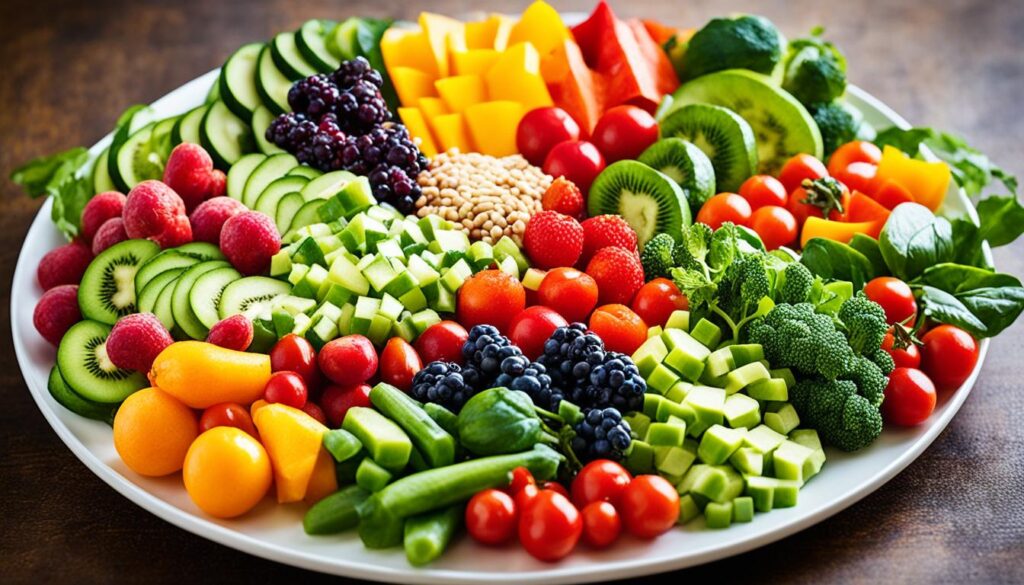
« Switching from the average Western diet to flexitarian eating could decrease greenhouse gas emissions by 7%. »
Choosing a vegetarian, vegan, or flexitarian diet is a great way to eat well for your health and the planet. It’s a sustainable and healthy choice.
The MIND Diet: Combining Mediterranean and DASH
The MIND diet blends the Mediterranean and DASH diets to focus on brain health. It aims to lower the risk of diseases like Alzheimer’s. This diet plan highlights foods that boost brain function and prevent cognitive decline.
Brain Health Focus
The MIND diet promotes eating green leafy veggies, berries, nuts, and olive oil. These foods are full of antioxidants and anti-inflammatory compounds. They help shield the brain from damage caused by stress and inflammation, which can lead to Alzheimer’s and dementia.
Potential Benefits
- Studies show that following the MIND diet can slow down cognitive decline. It cuts the risk of Alzheimer’s by 53% compared to those eating the least MIND diet foods.
- People on the MIND diet also lose weight, similar to those on the Mediterranean and DASH diets. This diet supports overall health and happiness.
- It focuses on whole, plant-based foods, healthy fats, and less saturated and trans fats. This can lower the risk of heart disease and diabetes.
The MIND diet combines the top parts of the Mediterranean and DASH diets. It’s a full plan for boosting brain health, improving cognitive function, and supporting weight and overall health.
Intermittent Fasting: A Time-Restricted Approach
Intermittent fasting is a way to eat by alternating between eating and fasting. It changes the body’s metabolism by lowering insulin levels. This makes the body use fat as its main energy source when fasting. There are different types, like the 16:8 method (fast for 16 hours, eat for 8) or the 5:2 method (eat normally for 5 days, eat less for 2 days).
How It Works
Fasting for 12 hours a day helps the body use fat for energy, aiding in weight loss. The 16:8 method, where you fast for 16 hours and eat for 8, might work better for some. The 5:2 diet, eating normally for 5 days and less for 2, showed similar weight loss to constant calorie cutting in a study with 107 women.
Pros and Cons
Intermittent fasting can lead to weight loss and better metabolic health, but it’s not for everyone. Its benefits include easier meal planning, better insulin sensitivity, and possible brain health perks. However, it requires discipline, can make you hungry during fasting, and might affect your mood at first.
| Potential Benefits | Potential Drawbacks |
|---|---|
|
|
Think about the good and bad before trying intermittent fasting. Talk to a healthcare professional, especially if you have health issues or special needs.
« Intermittent fasting involves refraining from consuming any calories for an extended period of time, usually lasting between 12 and 40 hours. »
nutrition plans for weight loss
For lasting weight loss, it’s not just about cutting calories or giving up certain foods. It’s about making lasting changes in your life. Eating nutrient-rich whole foods, keeping a balance of macronutrients, and staying active are key. These steps help build a strong base for managing weight over time.
Effective Strategies
Good weight loss nutrition plans include these strategies:
- Controlling calories by being mindful of portion sizes and how you eat
- Having the right mix of protein, carbs, and healthy fats to help you feel full and keep muscles strong
- Eating foods high in fiber to feel more satisfied
- Focusing on whole, nutrient-rich foods instead of processed or sugary ones
- Staying active with a mix of cardio and strength training
Sustainable Habits
Creating lasting habits is key to keeping weight off for good. Here are some ways to do that:
- Planning and preparing meals to keep your nutrient intake steady
- Keeping track of what you eat to stay in a calorie deficit without feeling hungry
- Building a healthy relationship with food by eating mindfully and listening to your body
- Adding regular physical activity, like walking, swimming, or lifting weights, to your daily routine
- Using stress management and setting goals to support lasting changes in your life
By using these strategies and habits, you can make a nutrition plan that helps you lose weight for good and boosts your health.
High-Fat Diets for Weight Loss
High-fat diets are now getting more attention for helping with weight loss and better metabolic health. The ketogenic diet is a type of high-fat, low-carb diet. It helps the body use fat as fuel instead of glucose.
The Ketogenic Diet
This diet focuses on foods like fatty meats, eggs, nuts, seeds, and healthy oils. It limits carbs. Studies show it can help with weight loss and improve insulin sensitivity. It may also lower the risk of chronic diseases.
A ketogenic diet limits carbs to 5-10% of daily intake, about 20-50 grams a day. The Atkins diet starts with just 20 grams of carbs a day for the first two weeks.
But, the long-term effects and safety of these diets are still being studied. They might increase the risk of heart disease and lead to nutritional shortages. Also, they’re not advised for kids and teens because of their impact on growth.
High-fat diets like the ketogenic diet can help with weight loss in the short term. But, it’s important to think about your health, lifestyle, and long-term goals when picking a diet for weight loss and metabolic health.

The Harvard Healthy Eating Plate
The Harvard Healthy Eating Plate is a guide from Harvard University’s nutrition experts. It shows how to eat a balanced diet. It suggests filling half your plate with colorful fruits and vegetables, a quarter with whole grains, and a quarter with protein.
It also talks about the importance of healthy fats, staying hydrated, and avoiding sugary drinks and refined carbs. By using this guide, people can make meals that are full of nutrients. This helps with health and managing weight.
Key Features of the Harvard Healthy Eating Plate
- Half the plate should be filled with a variety of fruits and vegetables, providing a wide range of essential vitamins, minerals, and fiber.
- A quarter of the plate should be dedicated to whole grains, such as whole-wheat bread, quinoa, and brown rice, which are rich in complex carbohydrates and fiber.
- The remaining quarter of the plate should be allocated to healthy protein sources, including fish, poultry, beans, and nuts, while limiting the intake of red meat and processed meats.
- Healthy fats, like those found in olive oil, avocados, and nuts, should be incorporated in moderation for their beneficial effects on heart health and overall well-being.
- Water should be the primary beverage choice, with limited consumption of sugary drinks and juice.
Following the Harvard Healthy Eating Plate can lead to a balanced diet. It supports eating foods that are full of nutrients. This guide is a great way to make smart food choices and develop healthy eating habits.
Choosing the Right Diet for You
Choosing the best nutrition plan for weight loss isn’t the same for everyone. Your likes, health, and lifestyle matter a lot. It’s key to think about what you need, what you like to eat, and if you can stick to a diet.
Factors to Consider
When picking a diet for losing weight, think about these things:
- Individual needs: Look at your health, any food limits, and your goals. Find a plan that fits you.
- Food preferences: Pick a diet with foods you like and can easily add to your daily meals.
- Lifestyle: Check your daily life, work, and social plans to make sure the diet works for you.
- Health conditions: If you have health issues, talk to a doctor to pick a safe and right diet for you.
- Sustainability: Choose diets that help you lose weight slowly and safely over time.
Talking to health experts like dietitians can also help. They can suggest the best nutrition plan for your goals, health, and long-term success. By thinking about these important factors, you can find a diet that works well for you.
Combining Diet and Exercise
For effective weight loss and long-term health, mixing a balanced diet with regular exercise is key. A healthy diet helps create a calorie deficit and aids in fat loss. Adding exercise boosts weight loss, improves metabolic health, and helps build lasting healthy habits.
Activities like aerobic exercises, strength training, or a mix of both work well together. This combination leads to better and lasting results. By focusing on both nutrition and physical activity, people can reach their weight loss goals and keep a healthy life.
Research shows that only a few people successfully lose weight and keep it off. But, adding exercise to a diet and lifestyle change can lead to a 7.2 kg weight loss over 6 months to 3 years.
Experts suggest the following for the best results:
- Aim for at least 150 minutes a week of moderate physical activity or 75 minutes a week of vigorous aerobic activity.
- You may need more physical activity than usual to lose weight and keep it off.
- Structured and repeated physical activity, like exercise, is essential for weight loss and weight maintenance.
- Combining healthy, lower-calorie meals with increased physical activity is key to effective weight loss.
- Various forms of physical activities like cleaning, shopping, and gardening contribute to burning calories.
The Mayo Clinic offers resources like diet books, online programs, and newsletters. These help people on their weight loss journey. They support a sustainable, healthy lifestyle through diet and exercise.
| Statistic | Value |
|---|---|
| Successful weight loss and maintenance | 1-3% of individuals |
| Weight loss with combined diet and exercise | 7.2 kg over 6 months to 3 years |
| Moderate physical activity recommended | 150 minutes per week |
| Vigorous aerobic activity recommended | 75 minutes per week |
« Combining healthy, lower-calorie meals with increased physical activity is key to effective weight loss. »
Overcoming Challenges and Setbacks
The journey to lose weight is full of challenges and setbacks. These can test one’s will and strength. Emotional stress, social pressure, and changes in motivation can slow progress. But, a positive mindset and strong support systems can help overcome these obstacles.
Many people struggle with emotional and stress-related eating. Over 60% of those trying to lose weight say this is a big challenge. More than half also deal with strong cravings and snacking when not hungry. To fight this, using behavior modification techniques like mindful eating and finding healthy ways to cope is key.
Not planning meals is another big challenge. Over 50% of people say this is hard for them. And nearly 60% of men eat too fast. A regular meal plan and focusing on portion control can help with these issues.
- Addressing emotional and stress-related eating through mindful practices and healthy coping mechanisms
- Overcoming cravings and unplanned snacking by implementing a structured meal planning routine
- Preventing eating too quickly by being mindful of portion sizes and pacing during meals
It’s crucial to celebrate small victories and keep going even when things get tough. Losing 1-2 pounds a week is a good pace. Non-scale wins, like feeling more energetic, sleeping better, and being happier, show progress too.
Beating weight loss challenges needs a full plan. A positive mindset, support systems, and behavior modification techniques can help. This way, people can stay on track and reach their goals.
« Consistency is key when it comes to weight loss. Perseverance and a willingness to adapt are essential for long-term success. »
Seeking Professional Guidance
Many people try to lose weight on their own. But getting help from experts can make it safer and more likely to succeed. Experts like registered dietitians and nutritionists give advice that fits your health, diet, and goals.
When to Consult Experts
Experts can make a nutrition plan just for you. They can also help with health issues and keep you on track. It’s key for people with health problems like diabetes or heart disease to see these experts. They need diets that are safe and right for them.
Registered dietitians (RDs) are highly trained in areas like eating disorders and women’s health. They are certified healthcare pros who give solid advice for health and weight goals. They have over 1,000 hours of training and pass tough exams to prove their skills.