
In the world of indie game development, creativity and innovation are key. We invite you to start a journey that will change how you see game making. This guide will give you the skills and tools to make your dream game a reality.
This article will guide you from picking the best game engine to mastering game design. It’s for both experienced developers and newcomers. You’ll learn about programming languages, creating art assets, and making gameplay mechanics exciting.
Learn about making money and marketing your game to reach players. Discover the indie game communities that support and inspire you. Also, find out how to use game publishing platforms to get your game to players.
Every journey has challenges, and this guide will help you face them. We’ll give you the tools and strategies to overcome obstacles. This will help you be more creative and innovative in indie game development.
Whether you’re experienced or new to game development, join us on this exciting journey. Let’s make your dream game and leave a mark on the gaming world.
Key Takeaways
- Discover the basics of indie game development, from choosing the right engine to making engaging gameplay.
- Learn about programming languages and art techniques to bring your game to life.
- Explore monetization and marketing strategies to reach your audience.
- Use indie game communities and understand game publishing platforms.
- Face the challenges of indie game development and use creativity and innovation to stand out.
Introduction to Indie Game Development
Indie game development means making video games on your own or with a small team. It’s different from big game studios or publishers. This way of making games brings both chances and challenges for those who want to create games.
What is Indie Game Development?
It’s about making games by yourself or with a few others, without big studio help. Indie developers get to follow their creative dreams and try new things. They can make games for special groups of players that big games might ignore.
Why Pursue Indie Game Development?
Many developers like indie game making for good reasons. It lets them be very creative and make games they really want to. It’s also very rewarding, giving a sense of pride and fulfillment.
Also, indie games can make money, which is a big plus. It’s not easy, but keeping more profits and getting a big following can make it worth it.
People go into indie game making because they love making fun games. They want to be in charge of their work and could make a living doing it. With hard work and creativity, indie game making can be very rewarding.
Choosing the Right Game Engine
Choosing the right game engine is key for indie game developers. These engines are the backbone of making and sharing interactive digital games. For indie game development, picking the best engine can greatly affect your project’s success.
The game development tools world has many options, each with its own strengths. For indie game development, top choices include Unity, Unreal Engine, and GameMaker Studio. These engines come with tools, libraries, and frameworks that make making games easier.
Unity is easy to use and works on many platforms, with a big asset store. Unreal Engine is known for amazing visuals and strong physics, great for high-end 3D games. GameMaker Studio is easy to use and perfect for 2D games.
| Game Engine | Strengths | Weaknesses |
|---|---|---|
| Unity |
|
|
| Unreal Engine |
|
|
| GameMaker Studio |
|
|
When picking a game engine, think about your project’s size, your team’s skills, and how realistic you want your game to look. Look at each engine’s strengths and weaknesses to find the best one for your indie game development needs. The game engine you choose can greatly affect how you make your game and what it ends up being.
« The right game engine can make all the difference in bringing your indie game vision to life. »
Game Design Fundamentals
Making a hit indie game means knowing the basics of game design. A great game needs a story that grabs players and fun gameplay that keeps them coming back. We’ll look at these key parts of game design. You’ll get tips and strategies to make your game stand out.
Developing a Compelling Story
Storytelling is key in indie game making. A good story makes the game more engaging, creating a strong bond between the player and the game world. Here’s how to craft a story that pulls players in:
- Start with a clear story line, characters, and conflict
- Add mystery, intrigue, or emotional depth to keep players hooked
- Make sure the story fits well with the game’s mechanics and setting
Creating Engaging Gameplay Mechanics
Great gameplay is just as important as a good story. These are the core parts of the game that let players interact with the world. To make your gameplay stand out, focus on:
- Controls that are easy to use and respond well
- A mix of mechanics that encourage exploration and problem-solving
- Progress systems that make players feel like they’re getting better
Mastering game design basics, like writing a great story and creating fun gameplay, is key. This will help you make an indie game that draws players in and keeps them hooked.
| Game Design Element | Description | Example |
|---|---|---|
| Narrative Arc | The structure of the story, including a beginning, middle, and end | The Hero’s Journey, as seen in many classic stories and games |
| Gameplay Mechanics | The core interactions and systems that define how the player interacts with the game world | Movement, combat, puzzle-solving, resource management, etc. |
| Player Progression | The systems that govern how the player advances and improves their capabilities within the game | Leveling up, unlocking new abilities, acquiring better equipment, etc. |
« Gameplay is the essential core of any game. All the other components – art, story, music – grow out of gameplay. » – Sid Meier, co-founder of Firaxis Games
Programming Languages for Game Development
Making indie games takes a mix of programming skills. The language you choose can greatly affect how you make the game. Many languages are popular in the gaming world for good reasons.
Popular Programming Languages for Games
Three programming languages are top choices for indie game makers:
- C# – This language is great for the Unity game engine. It lets developers quickly test ideas and make games for many platforms.
- C++ – It’s a strong language for making game engines that run fast and efficiently. It’s perfect for complex game logic.
- JavaScript – This language is ideal for web and browser-based games. It’s easy to use and very flexible.
Each language has its own strengths for different types of games and development styles. Indie game creators should think about what they need for their project. They should also consider how well they know these languages to choose the best one.
« The right programming language can make all the difference in shaping the gameplay, performance, and overall user experience of an indie game. »
Learning these popular languages opens up many possibilities for indie game developers. They can create their dream games and engage players with new and exciting gameplay.
Creating Stunning Art Assets
Your indie game’s look is key to grabbing players and pulling them into your world. Making art that pops, in both 2D and 3D, can make your game stand out. This can make a big difference in how players see your game.
2D vs. 3D Art Assets
Indie game makers have many tools and ways to make their art shine. 2D art is great for making colorful sprites, detailed backgrounds, and easy-to-use interfaces. 3D art, on the other hand, adds depth to your game. It makes players feel like they’re really there with detailed models and cool lighting.
Choosing between 2D and 3D art depends on your game’s style and your team’s skills. Indie teams should think about the time needed, technical stuff, and their game’s look. This helps them decide what’s best for their game.
« The quality of your art assets can make or break the success of your indie game. Invest time and resources into crafting visuals that truly captivate your audience. »
Creating stunning art assets is all about knowing about color, composition, and details. Indie teams should work with talented artists. This ensures their game looks great and feels real.
Indie Game Development: Craft Your Dream Game
Indie game development is exciting and fulfilling. It lets you push creativity and innovation to new heights. By using the key elements from before, you can make your dream indie game come to life.
Designing a great story and gameplay is crucial. Choosing the right game engine and programming languages is also important. Making beautiful art, whether 2D or 3D, is key to a great gaming experience.
Using effective ways to make money, like free-to-play or premium models, keeps your project going. A strong marketing plan and connecting with indie game communities can help get your game noticed.
Dealing with the challenges of indie game development, like limited resources and tight deadlines, takes creativity and innovation. By thinking differently and experimenting, indie game developers can make their mark in the industry.
The journey of making an indie game shows the power of passion, hard work, and following your artistic vision. It’s a journey that requires resilience, flexibility, and a deep love for game creation.
« The best indie games are those that dare to be different, to challenge the status quo, and to captivate players with their sheer ingenuity. »
By using the principles of indie game development, aspiring game creators can start a transformative journey. They can shape the future of gaming with their innovative games.
Developing Game Mechanics That Hook Players
At the heart of any engaging indie game lies its game mechanics. These core systems and interactions grab players and keep them hooked. As an indie game developer, it’s key to craft mechanics that connect with your audience.
One important thing is balancing challenge and reward. Players want to feel accomplished, but the journey should be just right. Adding feedback loops, where actions have clear results, makes gameplay more exciting and builds a strong bond with players.
Also, knowing how players think can give you big insights. Using variable reward schedules and progression systems taps into our need for progress and achievement. This makes the game addictive and keeps players coming back.
« The most important aspect of a game is the mechanics. They are the foundation that the entire experience is built upon. »
By exploring the details of game mechanics and their effect on player engagement, indie game developers can make captivating experiences. It’s a fine balance, but crucial for mastering indie game development.
Incorporating Monetization Strategies
As an indie game developer, making money from your game is key to its success. We’ll look at two main ways to do this: free-to-play and premium games. Knowing the good and bad of each can help you pick the best fit for your game and players.
Free-to-Play vs. Premium Games
The free-to-play model is popular in indie games. It lets players try your game without paying first. Money comes from selling in-game items or extra features. This method can draw more players and make more money. But, it needs a smart plan to keep players happy.
Premium games charge a one-time fee for the full game. This suits indie devs with top-quality games. Premium games offer a smooth experience without annoying in-game buys. But, getting players to pay upfront can be hard in a crowded market.
| Monetization Strategy | Advantages | Disadvantages |
|---|---|---|
| Free-to-Play |
|
|
| Premium Games |
|
|
Choosing between free-to-play and premium depends on your game, audience, and goals. Think about the good and bad of each to make a plan that works for your indie game.
Building a Strong Marketing Plan
Creating a solid marketing strategy is key for indie game success. We’ll look at the main parts of a good marketing plan. This plan helps you reach your audience and create excitement for your game.
For indie game development, social media is a strong start. Use Twitter, Facebook, and Instagram to talk with your fans, share news, and build excitement. Being active and creative on social media is a big help in promoting your game.
Also, making content that teaches and interests your audience is great. Think about starting a blog or video series. Share how you make your game, give marketing tips, or offer advice for other indie game developers. This makes you look like an expert and helps your audience learn from you.
Working with famous gamers can boost your indie game marketing too. Contact streamers, YouTubers, or pros who like your game’s style. Look for chances to work together, sponsor each other, or have them play your game.
Don’t overlook game-focused websites and groups to spread the word. Sites like Steam, itch.io, and the Nintendo eShop are perfect for indie games. Being active on these places and making friends in the indie game world can really help you get noticed.
With a marketing plan that includes social media, making content, working with influencers, and using game platforms, you can do well in the indie game development world.
Leveraging Indie Game Communities
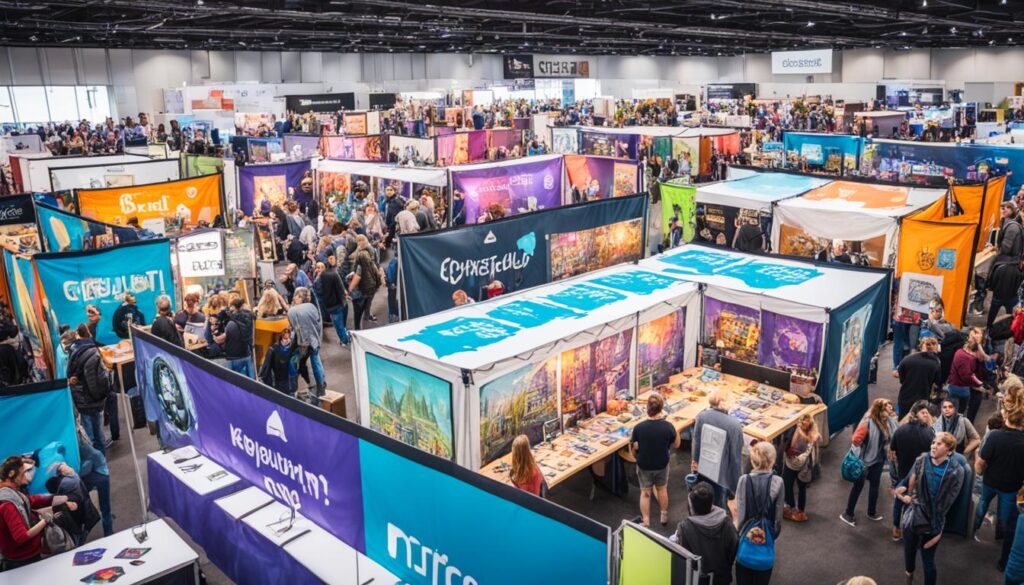
The indie game development community is full of life and support. It can really help your project grow. By joining these communities online and in person, you get access to lots of knowledge and chances to work together. This can make your indie game development journey better.
These communities are more than just places for developers who like the same things. They are strong networks that can make your game more visible, give you useful feedback, and help you make important connections. You can find these communities on online forums, Discord servers, local meetups, and game jams. They let you meet other creators, share tips, and learn from those who have been in the industry longer.
- Get feedback and advice from other indie developers to make your game better.
- Work together on promoting each other’s games, joint projects, or even making games together.
- Use the knowledge and resources in these communities to overcome the challenges of indie game development, like marketing and technical issues.
Being active in indie game communities can make you and your skills better. It also helps the indie game development world grow and stay strong. The connections you make can lead to new chances, spark creativity, and help your game reach new heights.
« The indie game development community is not just a supportive network, but a wellspring of creativity and innovation that can elevate your project to new levels of success. »
By using the power of indie game communities, you can find many resources, partners, and a shared love for making great games. Dive into this lively world, and let the energy of other indie developers drive your game development.
Navigating Game Publishing Platforms
For indie game developers, the world of game publishing can seem overwhelming. But, it’s key to know what each platform offers. This guide will cover the top platforms like Steam, app stores, and other ways to share your game.
Steam: The Titan of PC Gaming
Steam, run by Valve Corporation, is a giant in PC gaming. It has a huge user base and lots of features. Indie game makers find it a great place to share their work. Steam makes it easy to submit games and offers tools and analytics.
Mobile App Stores: Reaching Diverse Audiences
Apple and Google’s app stores let indie game makers reach players worldwide. They offer easy publishing, marketing help, and the chance to reach millions. But, getting noticed can be tough due to the competition.
Alternative Indie Game Distribution Channels
There are other ways to share indie games besides Steam and big app stores. Options include online portals, digital markets, and self-publishing on your own site. Each has its own pros and cons, so it’s smart to look into them carefully.
| Game Publishing Platform | Key Features | Audience Reach | Submission Requirements |
|---|---|---|---|
| Steam |
| Primarily PC gamers |
|
| App Stores (iOS, Android) |
| Mobile gamers |
|
Knowing what each game publishing platform offers helps indie game makers choose the best places to share their games. This can boost your game’s visibility and success in the competitive gaming world.
Overcoming Challenges in Indie Game Development
Indie game development is an exciting journey filled with obstacles. Developers work hard to make their dream games, facing many challenges. These include funding issues and managing time well.
Getting enough money is a big challenge for indie developers. They must use crowdfunding, pitch to investors, and apply for grants. Knowing how to budget and plan financially is key to keeping their game on track.
Managing time is also tough for indie game teams. They have to handle game design, programming, and making game assets. They also need to keep up with personal life. It’s important to set priorities, use tools to be more productive, and balance work and life.
Marketing an indie game is hard in a crowded market. Developers must find new ways to stand out and connect with players. Using social media, joining online groups, and trying new marketing ideas can help.
| Common Indie Game Development Challenges | Strategies to Overcome Them |
|---|---|
| Funding Constraints | Effective budgeting, crowdfunding, investor pitches, grant applications |
| Time Management | Prioritization, productivity tools, work-life balance |
| Marketing and Visibility | Social media engagement, community building, innovative marketing tactics |
Indie game development has big challenges, but overcoming them shows the strength and creativity of indie developers. By solving problems, using what they have, and always learning, indie teams can beat these hurdles. This increases their chance of success.
« The greatest challenge in indie game development is not the technical aspects, but rather the sheer perseverance and determination required to see a project through to completion. »
Embracing Creativity and Innovation
In the world of indie game development, being creative and innovative is key to success. To make your dream game, you need a mindset that loves problem-solving and thinking differently.
Unleashing Unconventional Gameplay
Indie devs can try new game mechanics that big studios might not dare to. By using fresh and bold game design, you can make your game stand out. Don’t be scared to try new things and add unique gameplay that makes your game special.
Cultivating Diverse Art Styles
Your game’s look is a big part of its creativity and uniqueness. Choose art styles that are different, like hand-drawn 2D or stylized 3D. Add artistic touches that your players will love and fit your game’s theme.
Iterating with Player Feedback
Connecting with your players is key for ongoing innovation. Always ask for feedback, use player ideas, and keep improving your game. This way, you make the game better and build a strong community.
By being creative and solving problems, indie game makers can make games that really grab players. Be brave and explore new ideas in game design. This can help you make the most of your indie game development journey.
Staying Motivated and Persistent
Indie game development is a journey full of challenges and triumphs. It’s key to stay motivated and persistent to make your game dreams come true. You need strategies to keep you inspired and focused on your goals.
Setting achievable milestones and celebrating your progress is a great way to stay motivated. Break your big project into smaller tasks. Acknowledge your achievements, no matter how small. This keeps you moving and prevents burnout.
Having a supportive network of fellow indie game developers helps a lot. Connecting with others who get the challenges and joys of indie game making gives you encouragement and advice. Be around people who challenge you, inspire you, and celebrate your game journey.
« Persistence is the hard work you do after you get tired of doing the hard work you already did. » – Newt Gingrich
When things get tough, think about why you started making an indie game. Remember your unique vision and the personal experiences you’re adding to your project. This purpose and fulfillment can motivate you through tough times.
Using strategies to stay motivated and persistent will help you achieve your indie game dreams. Embrace the ups and downs, celebrate your wins, and be around a supportive community. With commitment and resilience, you can overcome obstacles and reach your goals.
| Strategies for Staying Motivated | Strategies for Developing Persistence |
|---|---|
|
|
Conclusion
In this guide, we’ve covered the key parts of indie game development. You now have the knowledge and tools to make your game a reality. From choosing the right game engine to making engaging gameplay and marketing strategies, you’re set to start your indie game journey.
Always keep being creative, build a supportive network, and keep going when things get tough. With hard work and a love for your craft, you can make your indie game dream come true. The path may be hard, but seeing your game come to life is worth it.
Indie game development is full of chances for creative minds and passionate people. By using modern game engines, programming languages, and art, you can make your ideas come alive. Let your creativity fly as you start this thrilling journey in indie game development.