
Moroccan cuisine is famous for its bright flavors and aromatic spices. It starts with understanding the key ingredients and spices that make it special. By learning about these, you can make authentic Moroccan dishes at home. This journey lets you taste the heart of Moroccan food.
Key Takeaways
- Moroccan cuisine is known for its fragrant spices and versatile ingredients.
- Learning about the main spices and staples is key to getting real Moroccan flavors.
- Knowing the basics of Moroccan cooking helps you make vibrant Moroccan dishes at home.
- Moroccan food traditions come from a deep cultural background and many regional tastes.
- Getting good at Moroccan spice blends is important for cooking Moroccan food well.
Unveiling the Exotic Flavors of Moroccan Cuisine
Moroccan cuisine is a mix of Middle Eastern, Mediterranean, and African tastes. It offers a unique and varied food experience. The use of aromatic spices, fragrant herbs, and bold seasonings makes meals unforgettable.
The heart of Moroccan cooking is its rich and complex flavors. These flavors take you to the lively markets and streets of North Africa. Ingredients like cumin, coriander, preserved lemon, and harissa add unique tastes to dishes.
Moroccan food is about more than just flavors. It’s about how these flavors work together. Tagine, a slow-cooked stew, combines sweet, sour, and savory tastes. Couscous, a main grain, gets a boost from aromatic spices and herbs.
« Moroccan cuisine is a symphony of flavors, where the individual notes come together to create a masterpiece of taste. »
Exploring Moroccan cooking is a journey of discovery. Each region and household has its own take on classic dishes. You’ll find everything from djej mqualli (chicken with preserved lemon and olives) to mrouzia (lamb with prunes and almonds).
If you love food or just want to try new things, Moroccan cuisine is a must. It’s a culinary adventure filled with captivating aromas and bold flavors. Get ready to be amazed by this rich and diverse food tradition.
Unlocking the Secrets of Moroccan Cooking Key Ingredients and Spices
Moroccan cuisine is famous for its deep flavors. This comes from a mix of aromatic spices and unique ingredients. Let’s explore the key spices, herbs, and traditional items that make Moroccan dishes special.
Essential Moroccan Spices and Herbs
At the heart of Moroccan cooking are a few essential spices and herbs. These are the basics for many dishes. They range from the warm cumin and cinnamon to the bright coriander and saffron flavors.
- Cumin: A key spice in Moroccan blends, cumin adds an earthy, smoky taste to many dishes.
- Cinnamon: This spice brings sweetness and warmth to both savory and sweet dishes.
- Coriander: Its fresh, lemony flavor balances the richness of stews and marinades.
- Saffron: Known for its vibrant color and subtle, floral scent, saffron is a must in Moroccan paella and rice dishes.
Enhancing Flavors with Traditional Moroccan Ingredients
Moroccan cuisine also uses unique ingredients for depth and complexity. Preserved lemons add a tangy brightness, while harissa paste brings heat. These ingredients are key to capturing the true taste of Moroccan food.
| Ingredient | Description | Uses in Moroccan Cooking |
|---|---|---|
| Preserved Lemons | Lemons cured in salt and fermented, they bring a bold, tangy taste. | Marinades, tagines, couscous, salads |
| Harissa | A spicy paste from chili peppers, garlic, and spices. | Stews, meats, dips, and condiments |
| Ras el Hanout | A blend of up to 30 spices, herbs, and flowers. | Tagines, rice dishes, vegetables |
Learning to use these Moroccan spices, herbs, and ingredients can unlock the secrets of this exciting cuisine. You can bring the rich flavors of Morocco into your kitchen.
Mastering the Art of Moroccan Spice Blends
Explore the world of Moroccan spice blends, where spices come together to create unique flavors. Learn about the secrets of blends like ras el hanout, chermoula, and baharat. Discover how to mix these Moroccan spices for authentic Moroccan flavor profiles in your cooking.
Ras el hanout means « head of the shop » and is a mix of up to 30 spices. It’s known for its warm, rich, and slightly sweet taste. Chermoula is a bright marinade for fish, meat, and veggies. It’s made with cilantro, parsley, garlic, spices, and lemon juice for a bold taste.
Baharat, meaning « spices » in Arabic, is another blend. It has black pepper, allspice, cloves, cinnamon, and more. This mix adds a complex flavor to both savory and sweet dishes in Moroccan cuisine. Knowing these blends lets you bring Moroccan flavor profiles to your cooking.
| Moroccan Spice Blend | Key Ingredients | Flavor Profile |
|---|---|---|
| Ras el Hanout | Up to 30 different spices | Warm, robust, and slightly sweet |
| Chermoula | Cilantro, parsley, garlic, spices, lemon juice | Vibrant and aromatic |
| Baharat | Black pepper, allspice, cloves, cinnamon | Complex and aromatic |
Learning about Moroccan spice blends is key to mastering Moroccan cuisine. These spice mixes add depth and complexity to your cooking. By understanding their unique flavors, you can bring Morocco’s vibrant tastes into your kitchen.
Exploring the Versatility of Moroccan Ingredients
Moroccan cuisine is known for its bright flavors and wide variety of ingredients. These ingredients can be used in many everyday meals, making simple dishes special.
Incorporating Moroccan Flavors into Everyday Meals
Couscous is a key ingredient in Moroccan cooking. It’s a small pasta made from semolina. You can use it in salads, pilafs, or even for breakfast, adding a nutty taste and soft texture.
Harissa, a spicy chili paste, adds a smoky flavor to many dishes. Use it in marinades, dips, or with roasted veggies. It’s a great way to spice up your meals.
Spices like cumin, cinnamon, and paprika are common in Moroccan cooking. They can be added to roasted chicken or stews, making them taste amazing. Fresh herbs like mint, cilantro, and parsley can also brighten up your dishes, adding a Moroccan touch.
- Incorporate couscous into salads, pilafs, and breakfast bowls
- Use harissa to add a bold, smoky flavor to marinades, dips, and roasted vegetables
- Experiment with Moroccan spices like cumin, cinnamon, and paprika in your everyday cooking
- Freshen up dishes with fragrant Moroccan herbs like mint, cilantro, and parsley
By using Moroccan ingredients, you can make your meals more exciting and flavorful. It’s a great way to explore new tastes and have fun with your cooking.
The Origins and Cultural Significance of Moroccan Spices
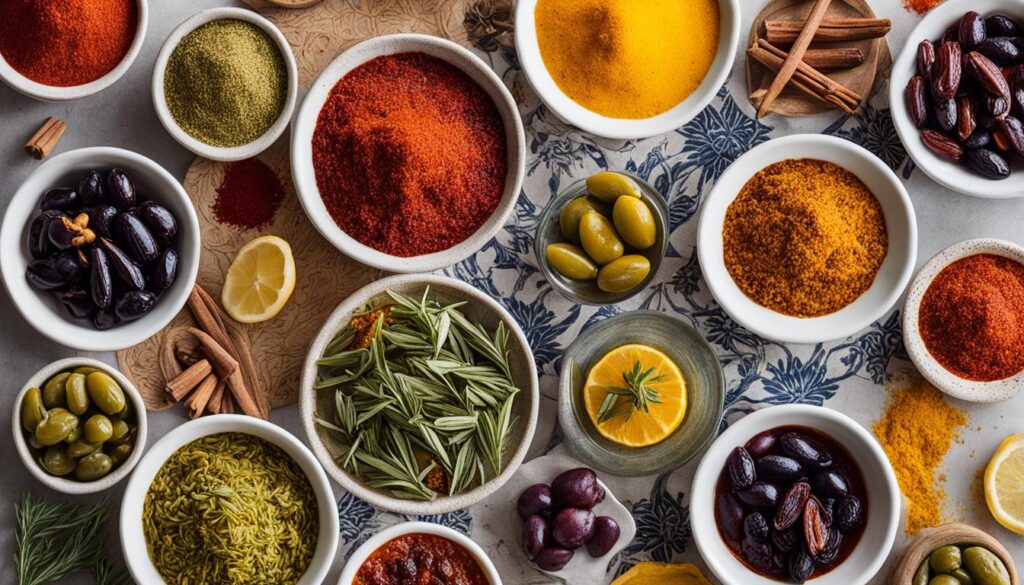
Moroccan cuisine is known for its bright flavors. These come from the country’s deep cultural roots and its history of trade. The Moroccan spices add a unique taste to every dish. They show the mix of cultures that shape Moroccan food.
Tracing the Roots of Moroccan Culinary Traditions
Morocco sits at the meeting point of Africa, the Middle East, and Europe. This spot has made it a center for sharing cultures and goods. Moroccan history shows how this has changed its Moroccan cuisine and Moroccan culinary traditions.
The history of Moroccan spices goes back to the Berber and Arab people who lived there long ago. They were great traders, bringing spices like cinnamon, cumin, ginger, and saffron from far away. These spices became key to Moroccan culture and Moroccan cuisine. They give Moroccan food its unique taste.
| Moroccan Spice | Origin and Cultural Significance |
|---|---|
| Saffron | Saffron comes from the Middle East and was very valuable in Moroccan culture. It was used in cooking, medicine, and religious events. |
| Cumin | Cumin is a big part of Moroccan food and has been for a long time. Its flavor is a big part of Moroccan culinary traditions. |
| Cinnamon | Cinnamon comes from Southeast Asia and was brought to Morocco through trade. It’s a key spice in many dishes, adding a warm smell to Moroccan food. |
The variety of Moroccan spices shows the country’s rich history and its lasting Moroccan culinary traditions. Moroccan dishes like tagines and couscous are loved by food lovers everywhere.
Authentic Moroccan Recipes to Tantalize Your Taste Buds
Start a culinary journey through the vibrant flavors of Moroccan cuisine. Discover a collection of authentic Moroccan recipes that will take you to the bustling markets and kitchens of this captivating country. These recipes let you recreate the true essence of Moroccan cooking in your own kitchen.
Get ready to be amazed by the aromatic blend of spices in Moroccan cuisine. Dive into the world of Moroccan recipes, Moroccan cuisine, and authentic Moroccan cooking. Learn the secrets to making Moroccan food and Moroccan flavors that will make your taste buds crave more.
Tagine: The Quintessential Moroccan Dish
The iconic tagine is a must-try in Moroccan cuisine. This slow-cooked stew is made in a special clay pot and is full of spices and various meats, vegetables, or fruits. It’s a dish that captures the essence of Moroccan culinary traditions.
Savory Moroccan Pastries
Explore Moroccan pastries with their flaky dough and savory fillings. From the beloved b’stilla to the irresistible msemmen, these pastries show the artistry of Moroccan cuisine. Get ready for a burst of flavors in every bite.
Couscous: The Versatile Grain of Moroccan Tradition
Couscous is a key part of Moroccan cuisine. This tiny, fluffy grain is the base for many Moroccan recipes, from stews to vegetable dishes. Learn how to prepare and serve couscous, which blends well with the unique Moroccan flavors of this cuisine.
Dive into the world of Moroccan cooking and discover the secrets to making authentic Moroccan dishes. Explore this diverse and flavorful culinary heritage. Let your senses enjoy the blend of spices, textures, and aromas that make Moroccan cuisine special.
Health Benefits of Moroccan Spices and Ingredients
Moroccan cuisine is famous for its rich flavors and health perks. The spices and ingredients used in this food are full of antioxidants, anti-inflammatory compounds, and important vitamins and minerals.
Nutritional Powerhouses in Moroccan Cuisine
Spices like cumin, cinnamon, turmeric, and ginger are key to Moroccan cooking. They are packed with health benefits. Cumin is high in iron and helps with digestion and the immune system. Cinnamon is an anti-inflammatory that can also control blood sugar levels.
Ingredients like chickpeas, lentils, and olives are also great for health. Chickpeas are full of protein, fiber, and complex carbs. Lentils are rich in folate and minerals. Olives provide healthy fats and antioxidants that support heart health.
« Moroccan cuisine is a delicious and healthy choice, with its spices and ingredients offering a bounty of essential nutrients and health-promoting properties. »
Adding these Moroccan spices and ingredients to your meals lets you enjoy tasty dishes. At the same time, you get a lot of health benefits and nutritional value.
Tips for Sourcing and Storing Moroccan Spices
Improving your Moroccan cooking starts with knowing how to find and store Moroccan spices. Whether you’re a pro chef or a home cook, learning these tips can change your cooking. It helps bring out the true flavors of Moroccan food.
Sourcing Authentic Moroccan Spices
To get the real taste of Moroccan dishes, you need high-quality, fresh spices. Look for specialty markets, Middle Eastern grocery stores, or online shops that sell Moroccan ingredients. These places offer a wide range of spices, like cumin, coriander, rose petals, and the famous ras el hanout.
Growing Your Own Moroccan Herbs and Spices
For the freshest spices, try growing your own. Herbs like mint, parsley, and thyme are easy to grow in your garden or on a sunny windowsill. This way, you always have what you need and can try different types of spices.
Proper Storage for Maximum Flavor
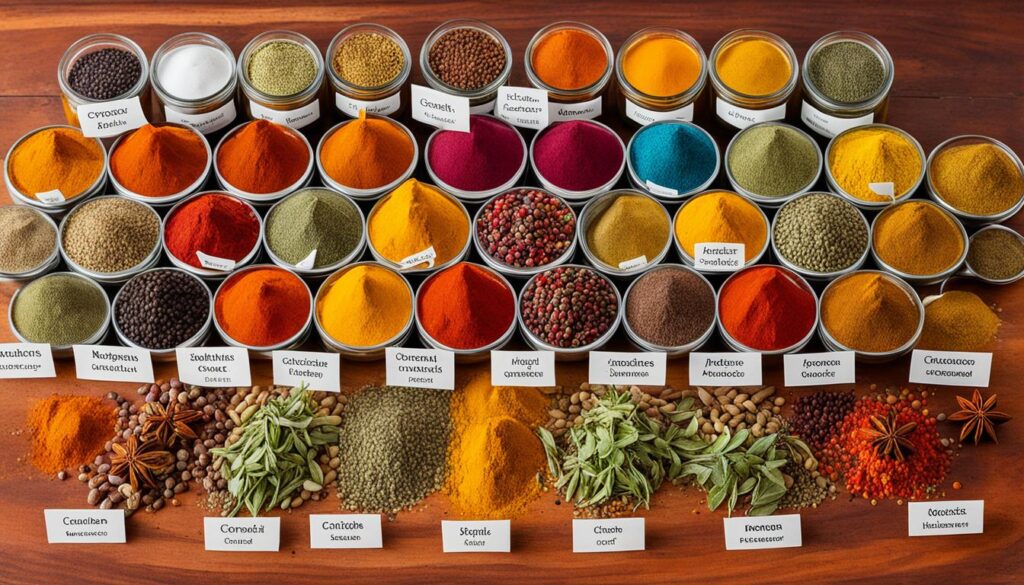
Keeping your Moroccan spices fresh is key. Store them in airtight containers, away from sunlight, heat, and moisture. Use glass jars or tins to keep the spices’ oils and prevent them from going bad. Always label the containers with the spice name and when you bought them.
| Moroccan Spice | Optimal Storage Conditions |
|---|---|
| Cumin | Airtight container, cool, dark place |
| Cinnamon | Airtight container, cool, dark place |
| Paprika | Airtight container, cool, dark place |
| Ras el Hanout | Airtight container, cool, dark place |
Follow these tips for finding and storing Moroccan spices, and you’ll be making authentic, tasty Moroccan dishes in no time. Your cooking will take you straight to the lively markets of Marrakech.
Conclusion
Moroccan cuisine is full of flavors, spices, and traditions shaped over centuries. By learning about key Moroccan ingredients and spice blends, you can make authentic Moroccan dishes at home. This opens up the secrets of Moroccan cooking.
The smells of cumin, cinnamon, and saffron fill the air, leading to rich stews, couscous, and tagines. Moroccan cooking takes you on a journey through different cultures. By knowing about these spices and ingredients, you can make dishes that feel like a trip to Morocco.
Exploring Moroccan flavors is about more than just cooking. It’s about sharing stories and making memories with others. Embrace Moroccan cooking to connect with its rich culture and amazing flavors. Let it inspire you to try new things and share in the joy of Moroccan cuisine.