
Have you ever wondered why your skincare routine isn’t delivering the results you desire? Are you tired of wasting money on products that don’t seem to work for you? It’s time to discover the power of a personalized skincare routine.
Creating a skincare routine that caters to your unique skin needs is the key to achieving that coveted radiant and healthy complexion. By following a personalized approach, you can address specific concerns and optimize the effectiveness of your skincare products. But where do you start? How do you determine the right steps and products for your skin?
In this article, we will guide you through the essential steps of creating a personalized skincare routine. From understanding your skin type to assessing your specific concerns, we will provide expert insights and tips to help you build a skincare routine that truly works for you. Say goodbye to guesswork and hello to skin that looks and feels its best.
Key Takeaways:
- Creating a personalized skincare routine is crucial for achieving a radiant and healthy complexion.
- Understanding your skin type is the foundation of building an effective routine.
- Assessing and prioritizing your specific skin concerns will help you choose the right products.
- Cleansing, moisturizing, and protecting your skin are essential steps in a personalized routine.
- Adapting your routine to accommodate skin changes is vital for long-term skincare success.
Understanding Your Skin Type
Before creating a personalized skincare routine, it is important to understand your skin type. By identifying and understanding your unique skin type, you can effectively address your skin’s specific needs and achieve optimal results. Understanding skin type involves determining whether your skin is oily, dry, combination, or sensitive.
Here are the key characteristics of each skin type:
Oily Skin:
Oily skin is characterized by excess sebum production, leading to a shiny appearance, enlarged pores, and a propensity for acne and breakouts.
Dry Skin:
Dry skin lacks natural oils and is often associated with tightness, flakiness, and rough texture. This skin type is prone to dullness and fine lines.
Combination Skin:
Combination skin typically has an oily T-zone (forehead, nose, and chin) while the cheeks and other areas tend to be dry or normal. Balancing the needs of different areas is crucial for this skin type.
Sensitive Skin:
Sensitive skin is highly reactive and prone to irritation, redness, and discomfort. It requires gentle products and careful attention to mitigate potential triggers.
To determine your skin type, you can perform a simple test. Wash your face with a mild cleanser, pat it dry, and wait for about an hour. Observe any noticeable changes:
- If your skin feels tight, itchy, or uncomfortable, you likely have dry skin.
- If your skin appears shiny and you notice oiliness on your T-zone, then you have oily skin.
- If your T-zone is oily while the other areas feel normal or dry, you have combination skin.
- If your skin becomes red, itchy, or shows signs of irritation, you may have sensitive skin.
It’s important to note that your skin type can change over time due to various factors like hormones, lifestyle, and environmental influences. Regularly reassessing your skin type can help you adjust your skincare routine accordingly.
Once you have determined your skin type, you can select skincare products and ingredients that cater to its unique needs. Consider consulting with a dermatologist or skincare professional for expert guidance and recommendations.
| Key Characteristics | Oily Skin | Dry Skin | Combination Skin | Sensitive Skin |
|---|---|---|---|---|
| Sebum Production | Excess | Insufficient | Moderate (oily T-zone) | Varies |
| Appearance | Shiny | Tightness, flakiness | Oily T-zone, normal/dry cheeks | Redness, irritation |
| Pore Size | Enlarged | Small | Enlarged T-zone, small cheeks | Normal |
| Common Issues | Acne, breakouts | Dullness, fine lines | T-zone oiliness, dry cheeks | Redness, discomfort |
Assessing Your Skin Concerns
When it comes to skincare, one size does not fit all. Every individual has their own unique skin concerns that require personalized attention. Whether you struggle with acne, dryness, sensitivity, or other specific issues, it’s crucial to assess and address these concerns in your skincare routine.
Assessing your skin concerns involves understanding the specific issues you want to target and finding the right products that can help address them effectively. By identifying and prioritizing your concerns, you can tailor your routine to provide the necessary care and achieve optimal results.
Determining Your Skin Concerns
The first step in assessing your skin concerns is to determine what they are. Take a close look at your skin and pay attention to any persistent issues or changes you notice. Are you struggling with frequent breakouts? Does your skin feel dry and tight? Do you experience redness or irritation?
Additionally, consider any specific areas of your face or body that require extra attention. For example, you may have hyperpigmentation spots, under-eye circles, or fine lines that you want to address.
Consulting with a skincare professional, such as a dermatologist or esthetician, can also provide valuable insights into your unique skin concerns. They can assess your skin type, identify underlying issues, and recommend suitable products and treatments.
Prioritizing Your Concerns
Once you have identified your skin concerns, it’s important to prioritize them based on their severity or impact on your overall complexion. This will help you focus your efforts and choose products that specifically target your highest-priority concerns.
For example, if you have both acne and dryness, you might prioritize treating the acne first to address any inflammation and breakouts. Once the acne is under control, you can then focus on hydrating and nourishing your skin to combat dryness.
By prioritizing your concerns, you can create a skincare routine that provides targeted solutions and delivers the results you desire.
Keep in mind that addressing your skin concerns may require trial and error as you find the products and ingredients that work best for you. Patience and consistency are key, as it takes time for your skin to adjust and show improvements.
| Skin Concerns | Product Recommendations |
|---|---|
| Acne | Salicylic acid cleansers, benzoyl peroxide spot treatments |
| Dryness | Hydrating serums, moisturizers with ceramides |
| Sensitivity | Gentle cleansers, fragrance-free products |
| Hyperpigmentation | Vitamin C serums, brightening treatments |
Remember, everyone’s skin is unique, and what works for one person may not work for another. It’s important to listen to your skin’s needs and make adjustments as necessary.
In the next section, we will delve into the importance of cleansing and exfoliating in your skincare routine.
Cleansing and Exfoliating
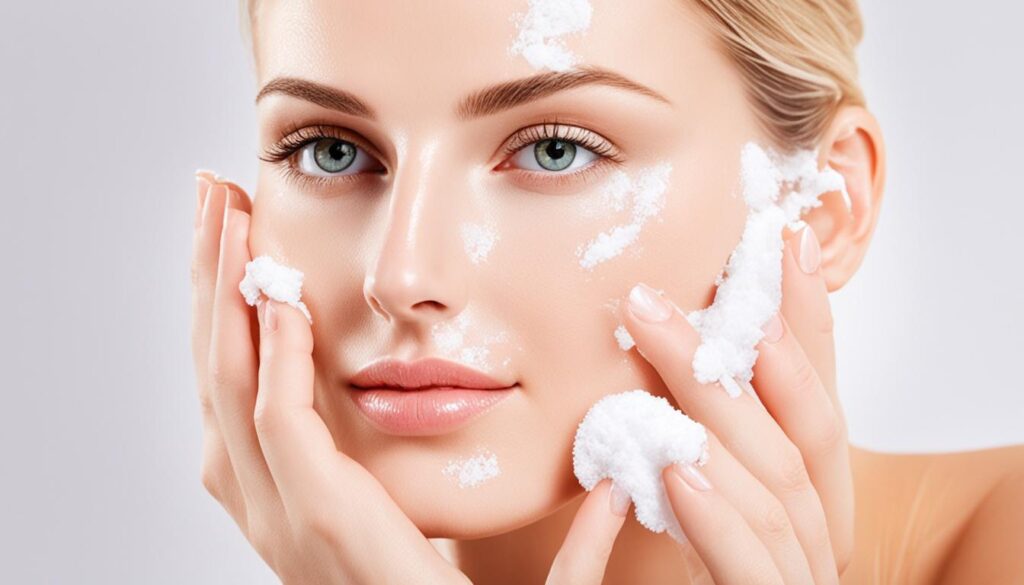
A proper skincare routine starts with cleansing and exfoliating. These essential steps are crucial for removing impurities and maintaining a healthy complexion. Let’s explore the importance of these steps and discover different techniques and products that can enhance your cleansing and exfoliating routine.
Cleansing Routine: A Foundation for Healthy Skin
Cleansing is the foundation of any skincare routine. It helps to remove dirt, excess oil, and makeup, and prepares the skin for the absorption of other skincare products. To establish an effective cleansing routine, consider the following:
- Choose a gentle cleanser that is suitable for your skin type.
- Wash your face twice a day, in the morning and evening, to remove impurities accumulated throughout the day and night.
- Massage the cleanser onto your skin using gentle circular motions, paying extra attention to areas prone to breakouts or oiliness.
- Rinse thoroughly with lukewarm water to ensure no residue is left behind.
Remember, harsh cleansers can strip the skin of its natural oils, leading to dryness and irritation. It’s important to find a balance that effectively cleanses your skin without causing any damage.
Exfoliating Products: Revealing Fresh, Radiant Skin
Exfoliating is the process of removing dead skin cells from the surface of the skin. This step helps to unclog pores, improve skin texture, and promote cell turnover. Here are some key points to consider when incorporating exfoliation into your skincare routine:
- Choose an exfoliating product that suits your skin type. Options include physical exfoliants (such as scrubs and brushes) and chemical exfoliants (such as alpha-hydroxy acids and enzymes).
- Exfoliate 1-2 times a week to avoid over-scrubbing, which can cause irritation.
- Gently massage the exfoliant onto your skin in circular motions, focusing on areas that are prone to dryness or dullness.
- Rinse thoroughly with lukewarm water to remove the exfoliating product.
Regular exfoliation can promote a more even skin tone and enhance the effectiveness of other skincare products in your routine.
« Proper cleansing and exfoliation are essential steps in any skincare routine. Cleansing removes impurities, while exfoliation reveals fresh, radiant skin. » – Skincare Expert
| Cleansing Techniques | Exfoliating Products |
|---|---|
| Gentle circular motions | Physical exfoliants (scrubs, brushes) |
| Avoid over-scrubbing | Chemical exfoliants (AHAs, enzymes) |
| Focus on problem areas | |
| Rinse thoroughly |
Choosing the Right Moisturizer
Hydration is crucial for maintaining healthy and radiant skin. One of the key steps in a well-rounded skincare routine is selecting the right moisturizer that suits your skin type and addresses your specific skin concerns.
When it comes to moisturizer selection, it’s important to consider a few factors:
- Your skin type: Whether you have oily, dry, combination, or sensitive skin, there are moisturizer formulations designed to cater to your specific needs. Understanding your skin type will help you choose a moisturizer that provides the right level of hydration without causing any adverse effects.
- Ingredient analysis: Take a closer look at the ingredients list on moisturizer labels. Look for key ingredients like hyaluronic acid, glycerin, ceramides, and natural oils, as they are known for their excellent hydrating properties. Additionally, consider any specific ingredients that may target your skin concerns, such as antioxidants for anti-aging benefits or soothing agents for irritation-prone skin.
- Texture preference: Moisturizers come in various forms such as creams, lotions, gels, and oils. Choose a texture that suits your personal preference and works well with your skin type. For example, those with oily skin might prefer lightweight gels or oil-free lotions, while individuals with dry skin may opt for rich and creamy formulations.
- Sun protection: Some moisturizers also offer added sun protection with SPF. If sun protection is a priority for you, consider opting for a moisturizer with broad-spectrum SPF to shield your skin from harmful UV rays.
Remember, everyone’s skin is unique, so what works for others may not necessarily work for you. It may take some trial and error to find the perfect moisturizer that ticks all the boxes for your skin needs. Consulting with a dermatologist can provide valuable insights and recommendations.
Pro tip: Don’t forget to apply your moisturizer on damp skin to lock in even more hydration.
Choosing the right moisturizer is a crucial step in any skincare routine. The right formulation can provide the necessary hydration to keep your skin healthy and glowing. Take the time to analyze your skin type, ingredients, texture preferences, and sun protection requirements to ensure you choose the best moisturizer for your needs.
Recommended Moisturizers for Different Skin Types
| Skin Type | Recommended Moisturizer |
|---|---|
| Oily | Oil-free gel moisturizer |
| Dry | Rich cream with hydrating ingredients |
| Combination | Lotion with lightweight texture |
| Sensitive | Fragrance-free and hypoallergenic moisturizer |
The Power of Serums and Treatments
When it comes to your skincare routine, serums and targeted treatments can make all the difference. These powerful products are specially formulated to address specific skin concerns and provide optimal results. Whether you’re looking to combat signs of aging, reduce hyperpigmentation, or tackle acne, incorporating serums and treatments into your routine is a game-changer.
So, what exactly are serums? Serums are lightweight, highly concentrated formulations that deliver active ingredients deep into the skin. They penetrate quickly and effectively, targeting specific concerns at a cellular level. This makes them an essential step in any skincare routine, as they provide the much-needed boost that your skin craves.
Treatments, on the other hand, are focused products designed to address specific skin concerns. They come in various forms, such as masks, spot treatments, and overnight treatments. Treatments are often formulated with potent ingredients that provide intensive care and deliver targeted results. From brightening dull skin to soothing irritated skin, there’s a treatment for every concern.
One of the key benefits of incorporating serums and treatments into your routine is their ability to provide targeted solutions. Instead of relying solely on a generic moisturizer, serums and treatments offer specialized care for your unique needs. Whether you want to minimize fine lines and wrinkles or restore moisture to dry skin, there’s a serum or treatment out there tailored just for you.
Choosing the right serums and treatments can seem overwhelming, but fear not. Start by identifying your specific skin concerns, whether it’s hydration, brightening, or anti-aging. Look for products that contain active ingredients targeted towards your concerns. For example, if you want to tackle hyperpigmentation, look for serums and treatments with ingredients like vitamin C or niacinamide.
It’s also important to consider your skin type when selecting serums and treatments. Different formulas work better for certain skin types, so it’s crucial to choose products that suit your individual needs. If you have oily skin, opt for lightweight, oil-free serums. For dry skin, look for nourishing and hydrating treatments.
The Benefits of Serums and Treatments
Serums and treatments provide targeted solutions for specific skin concerns, delivering powerful results.
Here are some of the benefits you can expect from incorporating serums and treatments into your skincare routine:
- Enhanced Results: Serums and treatments are formulated with high concentrations of active ingredients, ensuring better and faster results compared to regular skincare products.
- Improved Skin Texture: Serums and treatments can help refine and smoothen the skin’s texture, leaving it soft, supple, and radiant.
- Reduced Signs of Aging: Certain serums and treatments are packed with anti-aging ingredients like retinol and peptides, which can help minimize the appearance of fine lines, wrinkles, and age spots.
- Targeted Care: Serums and treatments allow you to focus on specific skin concerns, tailoring your skincare routine to meet your individual needs.
- Deep Hydration: Many serums and treatments are designed to provide intense hydration, replenishing moisture levels and restoring the skin’s natural barrier.
- Even Skin Tone: Certain serums and treatments contain brightening ingredients that help fade hyperpigmentation, dark spots, and post-inflammatory marks, resulting in a more even complexion.
If you’re ready to supercharge your skincare routine, it’s time to introduce serums and treatments into the mix. Remember to choose products that align with your skin concerns and type, and always follow the instructions for application. With the power of serums and treatments, you can achieve the healthy, glowing skin you’ve always dreamed of.
| Top Serums and Treatments for Different Skin Concerns | |
|---|---|
| Skin Concern | Recommended Products |
| Anti-Aging | 1. The Ordinary Buffet 2. Drunk Elephant T.L.C. Framboos Glycolic Night Serum 3. Estée Lauder Advanced Night Repair |
| Brightening | 1. Sunday Riley C.E.O. Rapid Flash Brightening Serum 2. Ole Henriksen Banana Bright Vitamin C Serum 3. Caudalie Vinoperfect Radiance Serum |
| Hydration | 1. Drunk Elephant B-Hydra Intensive Hydration Serum 2. Kiehl’s Ultra Facial Oil-Free Gel Cream 3. The Ordinary Hyaluronic Acid 2% + B5 |
| Acne-Prone | 1. Paula’s Choice 2% BHA Liquid Exfoliant 2. La Roche-Posay Effaclar Duo Acne Treatment Cream 3. Sunday Riley UFO Ultra-Clarifying Face Oil |
Sun Protection and SPF
Protecting your skin from harmful UV rays is crucial for maintaining a healthy and youthful complexion. Sun exposure can lead to premature aging, sunburns, and an increased risk of skin cancer. By incorporating sun protection and SPF into your skincare routine, you can shield your skin from these damaging effects.
When it comes to sun protection, sunscreen is your best ally. Look for a broad-spectrum sunscreen that protects against both UVA and UVB rays. The Sun Protection Factor (SPF) indicates the level of protection provided by the sunscreen.
The Importance of Sun Protection
Sun protection is not only essential during the summer months but should be a year-round commitment. UV rays can penetrate clouds and cause skin damage even on overcast days.
Here are a few reasons why sun protection should be a part of your daily skincare routine:
- Sun protection helps prevent sunburns: Sunburns cause skin redness, pain, and inflammation. By wearing sunscreen with an appropriate SPF, you can prevent sunburn and the discomfort associated with it.
- Minimizes the risk of skin cancer: Prolonged sun exposure without protection increases the chances of developing skin cancer. Applying sunscreen daily reduces this risk.
- Prevents premature aging: UV rays accelerate the aging process, causing wrinkles, fine lines, and age spots. By protecting your skin from the sun, you can maintain a youthful appearance.
- Reduces the risk of hyperpigmentation: Exposure to the sun can trigger the production of melanin, leading to dark spots and uneven skin tone. Sunscreen helps prevent and minimize hyperpigmentation.
Choosing the Right Sunscreen
Not all sunscreens are created equal, and choosing the right one for your skin type and preferences is crucial.
Consider the following factors when selecting a sunscreen:
- Sun Protection Factor (SPF): Look for a sunscreen with an SPF of 30 or higher, as recommended by dermatologists. Higher SPF provides increased protection, but it’s important to remember that no sunscreen can block 100% of UV rays.
- Formulation: Sunscreens come in various forms, such as lotions, creams, gels, and sprays. Choose a formulation that suits your skin type and preference. If you have oily or acne-prone skin, opt for non-comedogenic formulas.
- Skin Sensitivities: If you have sensitive skin, look for sunscreens labeled « fragrance-free » or « hypoallergenic. » These formulations are less likely to cause irritation or allergic reactions.
- Water Resistance: If you’ll be swimming or participating in outdoor activities that make you sweat, choose a water-resistant sunscreen. However, it’s important to reapply regularly, as even water-resistant sunscreens can wear off over time.
Don’t forget to generously apply sunscreen to all exposed areas of your body, including your face, neck, ears, and hands. Reapply every two hours or more frequently if you’re sweating or swimming.
To complement your sun protection routine, consider wearing protective clothing, such as wide-brimmed hats, sunglasses, and long-sleeved shirts. Seeking shade during peak sun hours, typically between 10 a.m. and 4 p.m., can also minimize sun exposure.
Remember, investing in sun protection now will pay off in the long run by keeping your skin healthy and protected from harmful UV rays.
| Sun Protection Tips | Sunscreen |
|---|---|
| Apply sunscreen generously to all exposed areas of your body. | Choose a broad-spectrum sunscreen with an SPF of 30 or higher. |
| Reapply sunscreen every two hours or after swimming or sweating. | Opt for a formulation suitable for your skin type (e.g., non-comedogenic for oily or acne-prone skin). |
| Wear protective clothing, such as hats and sunglasses, to shield your skin from direct sun exposure. | Look for sunscreens labeled « fragrance-free » or « hypoallergenic » if you have sensitive skin. |
| Seek shade during peak sun hours (10 a.m. to 4 p.m.) to minimize sun exposure. | Choose a water-resistant sunscreen if you’ll be swimming or participating in outdoor activities. |

Eye Care and Treatments
The delicate skin around the eyes requires special care to maintain a youthful and refreshed appearance. Incorporating eye cream and other targeted eye treatments into your skincare routine can help address specific concerns and enhance the overall health of this sensitive area.
Why is eye care important? The skin around the eyes is thinner and more prone to dryness and fine lines compared to the rest of the face. It is also susceptible to puffiness, dark circles, and signs of stress or fatigue. Therefore, giving extra attention to this area can help combat these common issues.
When selecting eye cream and other treatments, look for ingredients that provide hydration, improve skin elasticity, and reduce the appearance of fine lines and wrinkles. Some beneficial ingredients to consider include hyaluronic acid, retinol, peptides, and antioxidants.
In addition to regular moisturization, implementing a few simple steps can go a long way in caring for your eyes:
- Always remove eye makeup gently using a makeup remover specifically formulated for the eyes.
- Be cautious while applying skincare products around the eye area, avoiding excessive rubbing or tugging.
- Protect your eyes from the sun by wearing sunglasses and using an SPF-infused eye cream.
- Get enough rest and practice stress management techniques to minimize the appearance of puffiness and dark circles.
Expert Insight:
« The delicate skin around the eyes requires specialized care due to its thinness and susceptibility to various concerns. Incorporating targeted eye treatments and using a nourishing eye cream can help improve skin texture, reduce the appearance of fine lines, and brighten the eye area. » – Dr. Emily Thompson, Dermatologist
By prioritizing eye care as part of your skincare routine, you can effectively address the specific needs of this delicate area, promoting a more youthful and refreshed appearance. Remember, consistency is key, so make it a habit to give your eyes the attention they deserve.
Nourishing Masks and Face Packs
Pamper your skin with nourishing masks and face packs, which provide essential skincare treatments for a healthy and radiant complexion. These treatments offer targeted benefits that address specific skin concerns, while also delivering deep hydration and nourishment.
Benefits of Face Masks and Packs
Face masks and packs offer numerous benefits for your skin. They can help to:
- Deeply cleanse and unclog pores, removing impurities and excess oil.
- Hydrate and moisturize the skin, replenishing lost moisture.
- Minimize the appearance of fine lines and wrinkles, promoting a youthful complexion.
- Brighten and even out the skin tone, giving it a healthy glow.
- Soothe and calm irritated or sensitive skin, reducing redness and inflammation.
Choosing the Right Face Masks and Packs
When selecting face masks and packs, it’s important to consider your skin type and specific skin concerns. Here are some guidelines to help you choose the right ones:
- For oily or acne-prone skin: Look for face masks and packs that contain ingredients like charcoal or clay, which help to absorb excess oil and unclog pores. Tea tree oil and salicylic acid are also effective for controlling acne.
- For dry or dehydrated skin: Opt for face masks and packs that provide intense hydration. Look for ingredients like hyaluronic acid, honey, and avocado oil, which nourish and replenish moisture in the skin.
- For dull or uneven skin tone: Choose face masks and packs that contain brightening ingredients such as vitamin C, niacinamide, or kojic acid. These ingredients help to fade dark spots and promote a more radiant complexion.
- For sensitive or irritated skin: Use gentle and soothing face masks and packs with ingredients like aloe vera, oatmeal, or chamomile. These ingredients help to calm inflammation and reduce redness.
Remember to follow the instructions provided with each face mask or pack and use them as recommended. Overuse or misuse of these treatments can lead to skin irritation or other adverse reactions.
Recommended Face Masks and Packs
Here are some popular face masks and packs that are highly recommended:
| Product | Skin Type | Benefits |
|---|---|---|
| GlamGlow Supermud Clearing Treatment | Oily or acne-prone | Deep cleanses pores, controls excess oil, and treats breakouts |
| Peter Thomas Roth Rose Stem Cell Bio-Repair Gel Mask | Dry or dehydrated | Hydrates, restores moisture, and rejuvenates the skin |
| The Ordinary AHA 30% + BHA 2% Peeling Solution | Dull or uneven skin tone | Exfoliates, brightens, and improves skin texture |
| Aveeno Oat Mask with Pumpkin Seed Extract | Sensitive or irritated | Soothes, calms, and nourishes the skin |
These are just a few examples, and there are many other great face masks and packs available on the market. Remember to choose products that suit your skin type and concerns, and always perform a patch test before trying a new product, especially if you have sensitive skin.
Incorporating nourishing masks and face packs into your skincare routine can provide a luxurious and effective way to enhance the health and appearance of your skin. Don’t forget to relax and enjoy the pampering experience while reaping the benefits of these treatments!
Nighttime Skincare Rituals
Your nighttime skincare routine is a crucial part of maintaining healthy and radiant skin. While you sleep, your skin goes into repair and rejuvenation mode, making it the perfect time to nourish and treat your skin. Follow these steps in a dedicated nighttime skincare ritual to wake up with a refreshed complexion.
- Cleansing: Start by thoroughly cleansing your face to remove any dirt, oil, and makeup accumulated throughout the day. Use a gentle cleanser that suits your skin type, massaging it in circular motions to ensure thorough cleansing and stimulate blood circulation.
- Toning: After cleansing, apply a toner to balance your skin’s pH levels and prepare it for further skincare absorption. Look for a toner with hydrating and soothing properties that suits your skin type.
- Treatment: This is the step to address specific skin concerns and deliver targeted treatments. Whether it’s an anti-aging serum, acne-fighting treatment, or brightening essence, choose products with active ingredients that suit your skin’s needs. Gently pat these treatments onto your skin, focusing on areas of concern.
- Moisturizing: Hydrate your skin with a nourishing moisturizer that locks in moisture and seals in all the previous skincare steps. Opt for a night cream or a moisturizer formulated for night use, incorporating ingredients such as hyaluronic acid for hydration and retinol for anti-aging benefits.
- Eye Care: The delicate skin around the eyes requires special attention. Apply an eye cream or serum specifically formulated for the eye area, gently patting it around your orbital bone using your ring finger. Look for ingredients that target dark circles, fine lines, and puffiness.
- Lip Care: Don’t forget to give your lips some love too. Apply a nourishing lip balm or treatment to hydrate and soothe your lips overnight. Look for ingredients like shea butter or hyaluronic acid to moisturize and protect your lips.
Remember, consistency is key when it comes to skincare routines. Stick to your nighttime skincare ritual every night to maximize the benefits. Here are a few recommended nighttime skincare products:
| Product | Description |
|---|---|
| Cleanser | A gentle facial cleanser suitable for your skin type to remove impurities and prepare the skin for further treatment. |
| Toner | An alcohol-free toner that balances the skin’s pH levels and helps with absorption of other skincare products. |
| Facial Serum | A targeted treatment serum with active ingredients to address specific skin concerns like brightening, hydration, or anti-aging. |
| Night Cream | A nourishing and moisturizing cream formulated for night use, designed to deeply hydrate and repair the skin. |
| Eye Cream | A specialized eye cream to address concerns such as dark circles, fine lines, and puffiness around the delicate eye area. |
| Lip Balm | A hydrating lip balm or treatment that nourishes and protects the lips from dryness and chapping. |
Adjusting and Adapting Your Routine
As your skin changes over time, it’s crucial to adjust and adapt your skincare routine to meet its evolving needs. By regularly assessing your skin and making necessary modifications, you can ensure that your skincare regimen remains effective and beneficial.
One of the key factors in adjusting your skincare routine is understanding the signs of skin changes. This can include shifts in oiliness or dryness, increased sensitivity, or the appearance of fine lines and wrinkles. By paying attention to these changes, you can proactively address them in your skincare routine.
When it comes to adapting your routine, choosing the right products is essential. Look for skincare products that specifically cater to your current skin concerns. For example, if you’re experiencing increased dryness, opt for a hydrating moisturizer or serum to restore moisture to your skin.
Remember, skincare routines are not set in stone. They should be flexible and adaptable to accommodate your skin’s changing needs. – Dr. Ava Shamban, dermatologist
In addition to product selection, modifying the frequency and order of your skincare steps can also be helpful. For instance, if your skin becomes more sensitive, you may need to reduce the frequency of exfoliation or switch to gentler exfoliating products.
Consulting with a skincare professional, such as a dermatologist or esthetician, can provide valuable insights into adjusting and adapting your routine. They can assess your skin’s condition, recommend suitable products, and offer personalized advice to help you achieve optimal results.
By regularly assessing your skin, selecting appropriate products, and seeking professional guidance, you can ensure that your skincare routine remains effective and beneficial as you adapt to skin changes. Stay proactive and attentive to your skin’s needs for a healthy and radiant complexion.
Conclusion
In conclusion, creating a personalized skincare routine is the key to achieving a radiant and healthy complexion. By understanding your skin type, assessing your specific skin concerns, and choosing the right products and ingredients, you can tailor your routine to meet your unique needs.
Remember to prioritize hydration by selecting the right moisturizer and incorporating serums and treatments to address specific skin concerns. Don’t forget the importance of sun protection and eye care, as well as indulging in nourishing masks and face packs.
Furthermore, adjusting and adapting your skincare routine as your skin changes is crucial for maintaining optimal results. Stay consistent with your nighttime skincare rituals and make modifications when necessary. Take charge of your skincare journey today and pave the way for beautiful skin tomorrow.